The ultimate Morocco travel guide: five cities that will change how you see North Africa
Morocco isn’t on your bucket list yet? Give it five minutes.
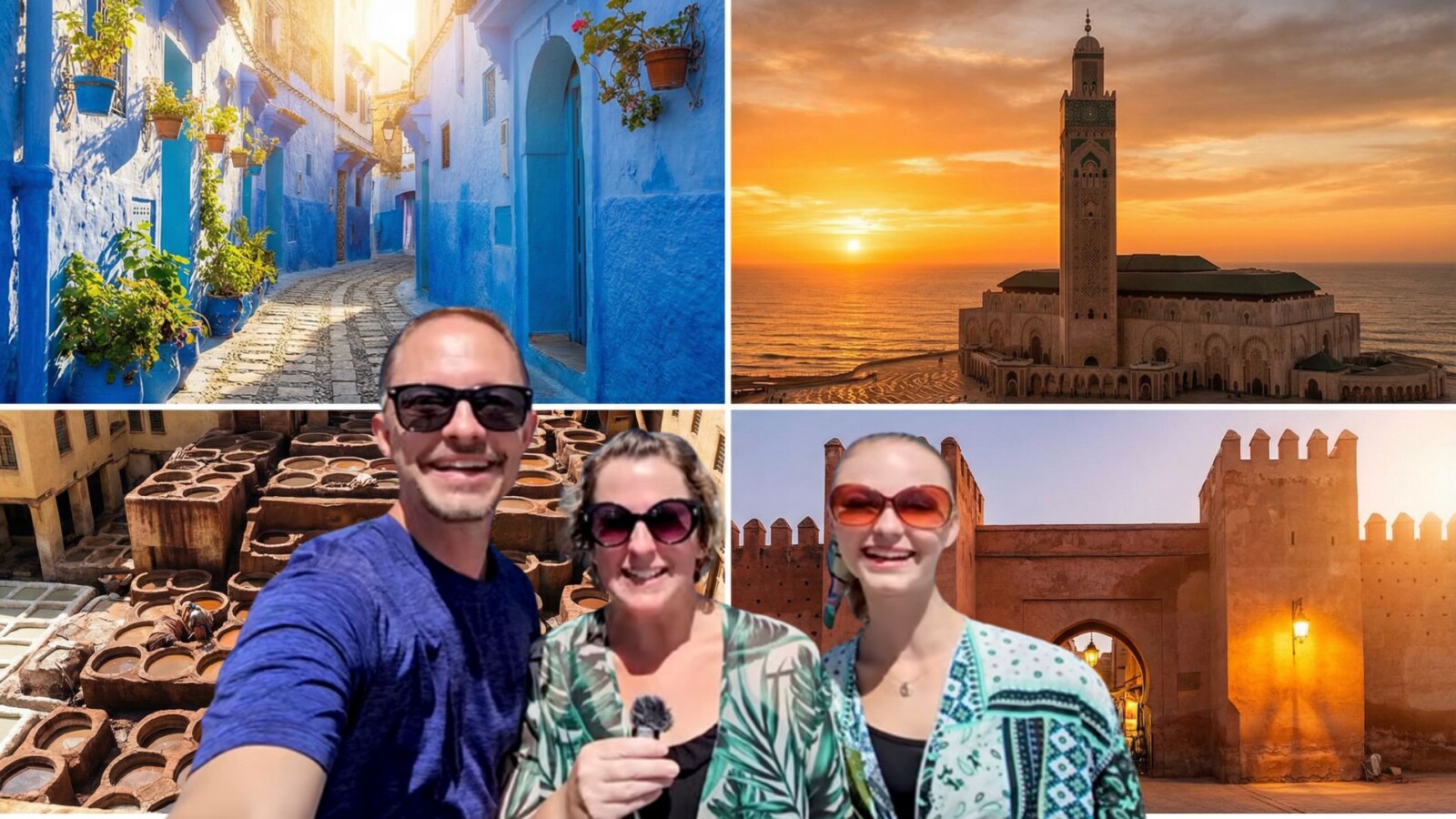
This North African kingdom has a way of sneaking up on travelers, transforming skeptics into devotees somewhere between the first sip of mint tea and the hundredth intricate tile pattern. From the architectural triumph of Casablanca’s Hassan II Mosque to the blue-washed dreamscape of Chefchaouen, Morocco delivers sensory experiences that American travelers rarely encounter closer to home.
What follows is a comprehensive city-by-city breakdown drawn from extensive on-the-ground exploration, covering everything from must-see landmarks to scam-avoidance strategies to those little details that guidebooks somehow always miss.
Casablanca: the onion city
First impressions of Morocco’s largest city can deceive. The initial view suggests another sprawling metropolitan center, all skyscrapers and traffic and the familiar anonymity of urban life. But Casablanca operates like an onion, revealing new layers to those patient enough to keep peeling.
The Hassan II Mosque
Start here. No exceptions.
The minaret rises 210 meters into the sky, making this the second-largest mosque in Africa. But raw scale tells only part of the story. The craftsmanship inside borders on incomprehensible, with carved ceilings painted in red and gold, massive columns supporting chandeliers that seem to float in midair, and geometric patterns repeated across every surface in variations that reward extended study.
| Hassan II Mosque Details | Information |
| Total Capacity | 105,000 worshipers |
| Interior Capacity | 25,000 |
| Plaza Capacity | 80,000 |
| Entrance Fee | 140 dirhams |
| Year Completed | 1993 |
| Minaret Height | 210 meters |
The basement level houses washing facilities for the pre-prayer cleansing ritual, and these functional spaces somehow rival the grandeur above. Glass panels in the main floor allow glimpses into these lower chambers, where fountains and tiles create yet another layer of visual complexity.
Pro tip: Visit during low tide. Locals swim in rock pools right beside the mosque, creating scenes that perfectly capture Morocco’s blend of sacred and everyday life.
Rick’s Café reality check
Here’s what the tourists photographing the entrance don’t realize: the movie “Casablanca” was never filmed in Morocco. Hollywood studios in Burbank handled all production in 1942. The current Rick’s Café opened in 2004 as a recreation designed to capture cinematic ambiance that the actual city never possessed.
Worth visiting? Absolutely. The interior delivers genuine old-world charm with traditional riad décor, gorgeous lamps, and jazz music setting the mood. Just manage expectations accordingly.
The Medina and markets
The old medina explains Casablanca’s Spanish name, which translates to “White House.” Every building wears white facades, and wooden shutters provide the only color variation along street after street. Over 300 stalls pack into this compact area, selling everything from geometric coasters to the legendary argan oil.
Speaking of which: prickly pear oil commands some of the highest prices in the world because extracting small amounts requires processing hundreds of thousands of seeds from cactus fruits. When a shopkeeper quotes 1,200 dirhams for a small bottle, they aren’t necessarily scamming you. The math actually checks out.
The central fish market operates on a model American foodies would envy. Select your seafood fresh from displays of Moroccan lobster, king shrimp, and fish varieties you’ve never seen, then carry your purchase to nearby restaurants where cooks prepare it to order. The filleting happens right there at the market stalls.
Beyond the expected
The Habous quarter provides a calmer alternative to medina intensity, with white buildings, elegant archways, and Café Imperial, possibly the busiest café in Casablanca. The Morocco Mall claims status as Africa’s largest, complete with indoor aquarium and live bands performing in central atriums.
But the real surprise? The Corniche boardwalk and beaches packed with locals. Morocco as a beach destination doesn’t compute for most American travelers, yet Moroccans embrace coastal culture with enthusiasm rivaling any Mediterranean resort.
For visual documentation of Casablanca exploration:
Fez: the living maze
Arriving in Fez feels like stepping through a portal into another century. The rustic textures, towering walls, and narrow alleyways create an atmosphere that modern cities simply cannot replicate.
The Medina that defeats GPS
The Fez medina was deliberately designed as a maze. Back when intruders posed genuine threats, the labyrinthine layout ensured they would never escape. Today, that same design philosophy defeats even sophisticated GPS systems, whose signals struggle against narrow passages and tall buildings.
Getting lost here isn’t a bug; it’s a feature. Riads dating back 700 years hide behind ordinary doors, opening into spectacular courtyards that seem impossible given the cramped exteriors. Ancient drinking fountains from the year 1200 still function. Gold-doored palaces conceal themselves among residential alleyways, their rooftop terraces offering panoramic views across the entire medina.
Traditional crafts still breathing
Unlike museum exhibits or staged demonstrations, Fez craftsmanship remains genuinely alive. Weavers operate looms producing scarves over four to five days depending on color complexity. Agave plants yield silk-like fibers that become traditional jalabas, the hooded robes distinctive to Moroccan fashion.
The vocabulary helps: kaftans feature two pieces with inner and outer dresses. Jalabas include hoods and are worn outside. Gandouras lack hoods and suit summer weather with their short sleeves.
The tanneries: worth the smell
The largest tannery in North Africa operates in Fez, and yes, you’ll smell it before you see it. The process involves limestone baths with salt water, then transfer to pools containing pigeon droppings, which provide natural ammonia for bacteria removal. Massive wheel contraptions spin the treated hides before they move to colored dye baths where they soak for approximately a week.
Workers stand in the dye. Animal skins dry on every available rooftop. The visual impact is extraordinary, even if the olfactory experience challenges unprepared visitors. Mint leaves offered at viewing points help manage the sensory assault.
The carpet show scam
Here’s how it works: shopkeepers invite tourists for “hospitality” mint tea, then roll out carpet after carpet in elaborate presentations. When elimination rounds narrow selections to a single favorite, the quoted price might reach 2,160 euros for something that isn’t even particularly large.
Counter-offers of 300 euros get dismissed as insultingly low. Emotional manipulation follows, with speeches about how purchases will “change the lives of 350 women who created this carpet.” But attempting to leave triggers sudden price acceptance, revealing the entire production as theater designed to extract maximum payment.
The solution? Polite firmness. Agree only to prices you’re genuinely comfortable paying, and walk away without guilt when negotiations turn manipulative.
Where to stay
Traditional riads offer accommodations unavailable anywhere in America. A 120-year-old example in the medina features multiple courtyards, antique furnishings, mosaic tiles everywhere, hobbit-sized doorways, and rooftop terraces with mountain views. Eight guests fit comfortably across multiple levels for roughly 118 euros per night, including homemade breakfast.
For visual documentation of Fez exploration:
Chefchaouen: the Instagram dream
Morocco’s blue city delivers exactly what photographs promise, a rare case where reality matches and even exceeds digital representation.
Why everything is blue?
The distinctive color scheme has debated origins, from Jewish tradition associating blue with sky and heaven, to practical mosquito deterrence, to simple aesthetic preference that snowballed into citywide identity. Whatever the reason, Chefchaouen commits fully to the theme, with blue-painted streets, blue tiles, blue shutters, and blue flower pots creating an otherworldly atmosphere.
The day trip decision
Located roughly 3.5 hours from Fez by car, Chefchaouen works as either an overnight destination or a long day trip, and these Chefchaouen travel tips help you make the most of even a short stay. The drive involves narrow roads, potholes, and livestock crossings that slow progress, but scenery improves dramatically as mountains approach. Pine and eucalyptus trees replace the browns of lower elevations.
A lookout point about ten minutes before arrival offers panoramic views confirming just how thoroughly blue the city appears from above.
Temperature relief
Summer travelers take note: Chefchaouen runs approximately 10 degrees cooler than Fez. The mountain location provides natural air conditioning that makes midday exploration bearable when lowland cities become oppressive.
Market atmosphere
Local markets sell traditional goods in a setting considerably more relaxed than Fez or Marrakech. Handmade soaps scent entire streets with fragrant aromas. Art galleries showcase paintings featuring the signature blue and white color palette. Carpet shops exist, though reportedly with similarly inflated pricing to other Moroccan cities.
The provincial vibe feels almost Mediterranean, with grape vines trailing overhead and a laid-back energy that encourages leisurely wandering rather than strategic navigation.
Finding the best photo spots
Near Dar Yakout, bougainvillea-lined streets combine the blue theme with purple flowering vines and minimal foot traffic. Rooftop terraces throughout town offer views across the cityscape to mountain backdrops, though midday heat can make elevated positions uncomfortable.
For visual documentation of Chefchaouen exploration:
Marrakech: the beautiful chaos
The red city earned its nickname honestly. Terracotta tones dominate every surface, creating a warm palette that photographs beautifully but can feel overwhelming during extended exploration.
Historical sites worth the entry fees
Marrakech charges admission to most attractions, so budget accordingly.
Saadian Tombs (100 dirhams): This 16th-century complex housed Sultan Ahmad al-Mansur, nicknamed the Golden King for his lavish lifestyle. He imported Carrara marble from Italy for his final resting place, then the entire site was walled up and forgotten until aerial photography revealed its existence in 1917.
Badi Palace (100 dirhams): Built by the same sultan, this massive complex originally sparkled with gold, turquoise, and gems before a successor stripped everything valuable for transport to the new capital in Meknes. Underground tunnels provide cool relief from summer heat.
Bahia Palace (100 dirhams): Gorgeous carvings, intricate tiles, and varied ceiling treatments across multiple rooms. Expect crowds.
Madrasa Ben Youssef (not specified): A 14th-century UNESCO site that functioned as an Islamic school, with Arabic inscriptions integrated into colorful mosaic patterns.
The “It’s closed” scam
Locals stationed near attractions routinely tell tourists that sites are closed for prayer or other reasons. This appears designed to redirect visitors toward shops or alternative guides. The solution: ignore the advice and check for yourself. Sites typically operate 9 AM to 5 PM regardless of what sidewalk advisors claim.
Horse carriage negotiations
A 45-minute medina tour by horse carriage might start at 450 dirhams for a group before settling at 200 dirhams after negotiation. The key: commit to a price before climbing aboard, set a timer, and request additional loops if the tour ends early. Drivers who deliver full value without scam attempts often receive bonus tips from grateful tourists.
Jemaa el-Fnaa Square: brace yourself
Morocco’s most famous marketplace concentrates chaos into a single location. Snake charmers play music to cobras. Henna artists work on tourists. Merchants of every description compete for attention.
The energy intensifies as temperatures cool, with evening crowds dramatically exceeding midday volumes. Rooftop cafés with misting fans provide observation decks for those needing breaks from ground-level intensity.
Fair warning: photographing or filming anything near snake charmers triggers aggressive demands for payment, regardless of distance or angle. “Mafia, mafia” accusations follow refusals. This represents Marrakech at its most abrasive, and managing expectations helps prevent the experience from souring an otherwise positive visit.
The kindness premium
Here’s what aggressive vendors miss: travelers reward pleasant interactions with extra payment. Shopkeepers who create welcoming experiences consistently earn bonuses beyond negotiated prices. Horse carriage drivers who deliver honest service receive tips exceeding their original quotes.
The inverse also applies. Carpet showmen who deploy manipulation tactics lose sales entirely. Aggressive square vendors generate complaints rather than purchases. Basic hospitality principles remain effective even in high-competition environments.
Secret garden escape
When market intensity overwhelms, the Secret Garden offers a hidden oasis with coffee shop, painted pavilions, and unusual South American trees with fully green trunks and spike-covered bark. The rosemary hedges provide aromatherapy between marketplace expeditions.
Tannery comparison
Marrakech has tanneries, but they compare unfavorably to those in Fez. Basins often sit covered with leather soaking inside, reducing the visual spectacle. Visitors seeking the full tannery experience should prioritize Fez instead.
Practical wisdom for morocco travel
The tagine situation
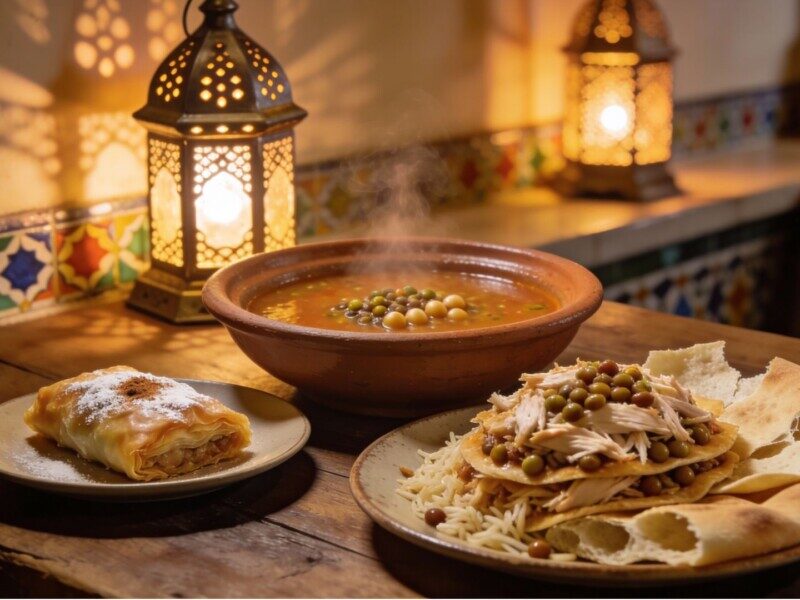
Moroccan tagines deserve their reputation. Slow-cooked in distinctive conical pots, these dishes typically feature lamb or chicken with combinations of olives, preserved lemons, caramelized onions, prunes, apricots, and almonds. The dried fruit additions might seem unusual to American palates but create flavor balance that rewards adventurous eaters.
“Don’t even need to use a knife. Falls off the bone.”
Multiple tagines per day across multiple cities remains entirely sustainable without palate fatigue.
Orange juice supremacy
Fresh-squeezed orange juice appears everywhere in Morocco, and the quality consistently impresses. Local oranges run sweeter than American counterparts, producing juice that some travelers compare to Fanta without carbonation.
Mint tea protocol
Moroccan mint tea arrives hot enough to kill bacteria, which provides both practical health benefits and built-in waiting time before consumption. Sugar addition varies by personal preference. The ritual of tea service, particularly in contexts like carpet shops, carries social significance beyond simple refreshment.
Currency and bargaining
Dirhams rule Moroccan commerce. Prices are rarely fixed outside modern establishments, and negotiation follows expected patterns: initial quotes may double or triple reasonable values, counter-offers start low, and final prices settle somewhere in between.
The dynamic shifts when tourists demonstrate willingness to walk away. Vendors who firmly reject 300 euros for a carpet often accept that exact amount when customers reach the exit.
Taxi roulette
Casablanca taxi experiences range from perfectly pleasant to deeply uncomfortable, with odd insistences like demanding passengers remove seatbelts. The solution: maintain situational awareness, trust instincts when situations feel unsafe, and remember that other transportation options exist.
The scam awareness balance
Morocco contains both genuine hospitality and calculated manipulation, sometimes from the same person in the same interaction. Maintaining appropriate skepticism without becoming cynically closed off requires calibration.
Some guidelines: free offerings often precede sales pressure. Unsolicited guidance frequently leads to commission-generating shops. Price quotes bear little relationship to actual values without negotiation. Yet many encounters involve nothing more than friendly curiosity, particularly from craftsmen proud of their work and locals genuinely interested in foreign visitors.
Building your itinerary
| City | Recommended Duration | Primary Appeal |
| Casablanca | 1-2 days | Hassan II Mosque, urban beach culture |
| Fez | 2-3 days | Ancient medina, tanneries, traditional crafts |
| Chefchaouen | 1-2 days | Blue streets, mountain scenery, relaxed pace |
| Marrakech | 2-3 days | Markets, palaces, sensory intensity |
Train connections link Casablanca to Fez for roughly 140 dirhams first class or 70 dirhams second class, covering the distance in under three hours. Chefchaouen requires road travel from Fez. Marrakech connects by train to both Casablanca and Fez. For full route options across every trip length, see our complete Morocco itinerary guide.
The Morocco effect
Something happens to travelers who give Morocco genuine attention. Initial skepticism transforms into fascination. Sensory overload becomes sensory appreciation. The chaos that first seems exhausting eventually reveals patterns that make navigation intuitive.
“Morocco has been a huge surprise. People are so friendly and nice.”
That sentiment echoes across visitor accounts, appearing in direct proportion to time spent engaging authentically with local culture rather than rushing between highlights.
The country rewards those who peel back layers rather than skimming surfaces. The mosque that seems impossibly detailed reveals new patterns on second and third visits. The medina that defeats navigation becomes navigable through repetition. The markets that feel aggressive become familiar environments where relationships develop across multiple transactions.
Morocco doesn’t give itself away quickly. But for travelers willing to invest attention and patience, the returns prove extraordinary.
What aspect of Morocco travel most intimidates you, and what would it take to move this destination from “someday” to “next year”?