When ten days in Morocco became a lifetime: an American family’s journey to Temara
Morocco does not whisper its way into your life. It takes you by the shoulders, feeds you saffron tea, hands your children a soccer ball, and somehow, before you realize it, you are home. If a trip like theirs is tugging at you, start with our complete Morocco itinerary guide or the detailed 10-day Morocco itinerary.
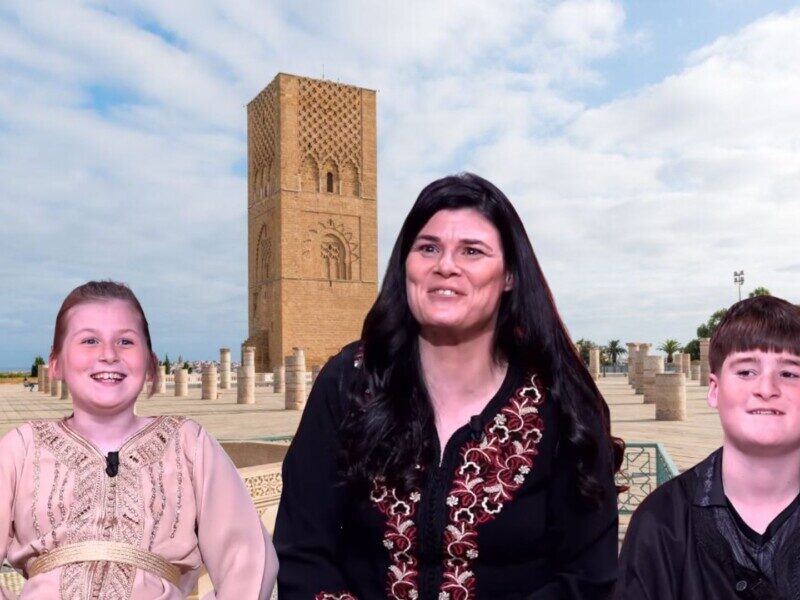
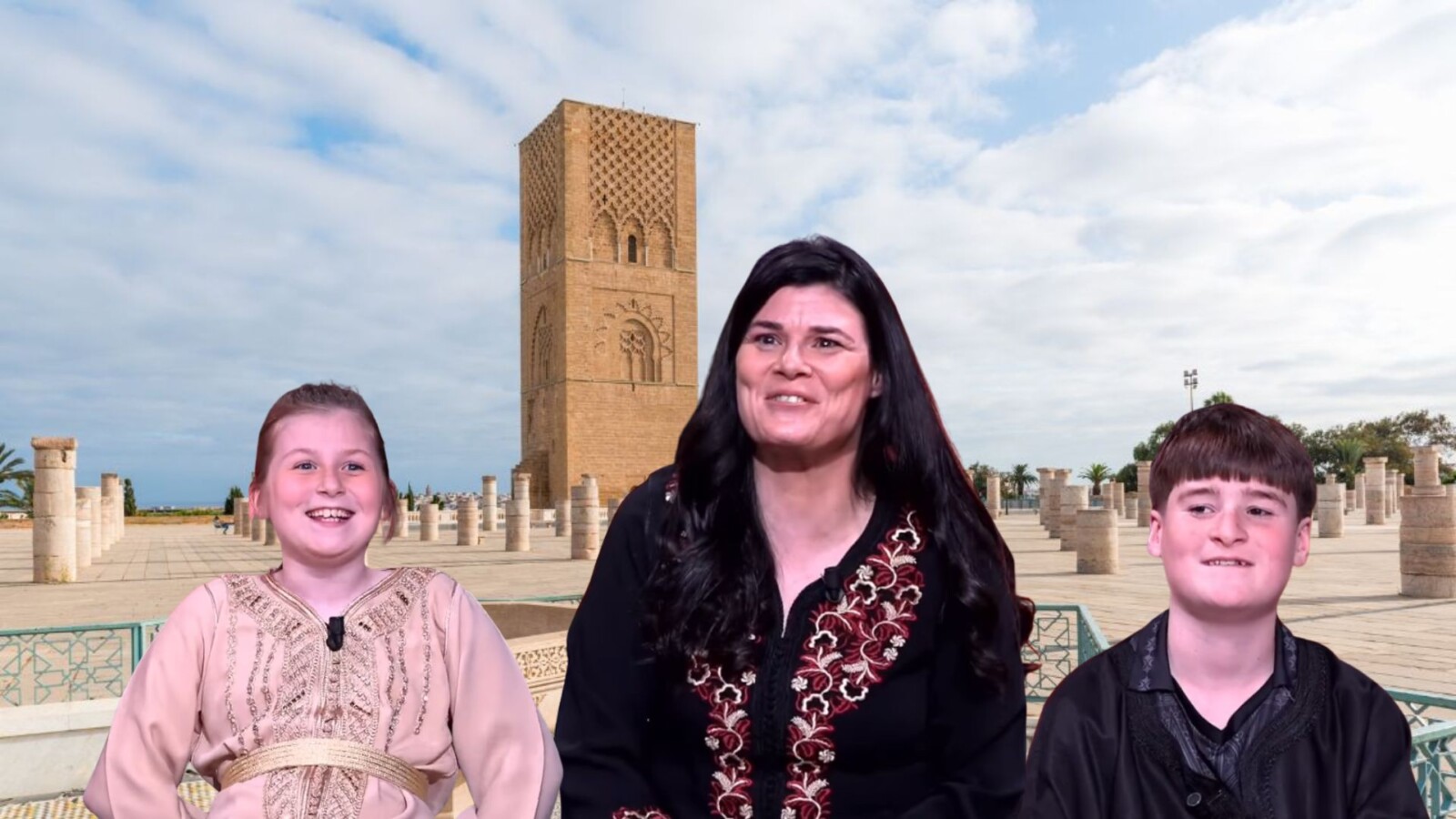
That sentiment, captured in a recent Ramadan broadcast on Medi 1 TV, follows an American mother from New Jersey and her two children who arrived in Morocco in 2023 for what was supposed to be a ten day vacation. They never really left. Watching their story unfold on Moroccan national television felt less like entertainment and more like a window into something essential about this country and its particular way of folding people into its fabric.
From the garden state to the Atlantic coast
Erin’s trajectory defies the usual expat narrative. There was no corporate relocation package. No retirement plan involving cheap real estate and ocean views. She came for ten days, returned to New Jersey, sold her house, and brought her children back to settle in Temara, the residential city just south of Rabat that most tourists drive past without a second glance.
Temara lives in the shadow of the capital, and that is precisely its appeal. Housing costs a fraction of what you would pay in Rabat or Casablanca. The beaches sit within easy reach. The rhythm feels residential and real, unburdened by the constant performative energy that tourist centers sometimes demand.
For families considering extended stays in Morocco, Temara offers something increasingly rare: access to capital city amenities, international schools, and modern infrastructure without the premium pricing or relentless bustle. The train to Rabat takes minutes. The ocean is close enough for afternoon swims. The neighborhood markets know your name within weeks.
What struck me most watching the interview was not Erin’s conversion to Islam, which she described as the result of reflection and study, but how seamlessly her children folded into daily Moroccan life. They attend mosque. They learn Quran. They play soccer in the neighborhood. They fast for Ramadan alongside their friends. Nothing about their integration feels forced or performed.
First Ramadan: faith, food, and finding belonging
Ramadan in Morocco carries an atmosphere that words struggle to capture. The late afternoon streets grow quiet as the sun descends. Kitchens hum with activity. The scent of harira soup drifts through open windows and narrow medina passages. Children rehearse verses they have memorized. The anticipation builds toward that first bite after sunset.
For Erin’s family, this was their first Ramadan as Muslims. Her son, who now goes by Ibrahim, recited Al Fatiha and other short chapters of the Quran on camera with the confidence of someone who had practiced for exactly this moment. His sister, who chose the name Qamar, joined in more shyly. The pride on their faces needed no translation.
For travelers, Ramadan can initially feel intimidating. Restaurants close during daylight hours. Schedules shift in ways that seem unpredictable. Traffic before iftar turns aggressive as everyone races home. Yet Ramadan also offers one of the most meaningful windows into Moroccan culture for visitors willing to approach with curiosity and respect. Invitations to iftar dinners come easily. Generosity multiplies in ways that feel almost competitive. The sense of collective purpose permeates everything.
| Consideration | What to expect | Practical advice |
| Daytime dining | Many cafes and restaurants closed | Plan ahead, eat at hotels, or be discreet |
| Traffic before sunset | Significant congestion | Avoid driving 30 minutes before iftar |
| Evening energy | Streets come alive after iftar | Ideal time for walks, markets, and socializing |
| Hospitality | Increased generosity | Accept invitations gracefully |
Ramadan in Morocco is not about restriction. It is about intention. You feel that distinction everywhere.
The table as cultural bridge
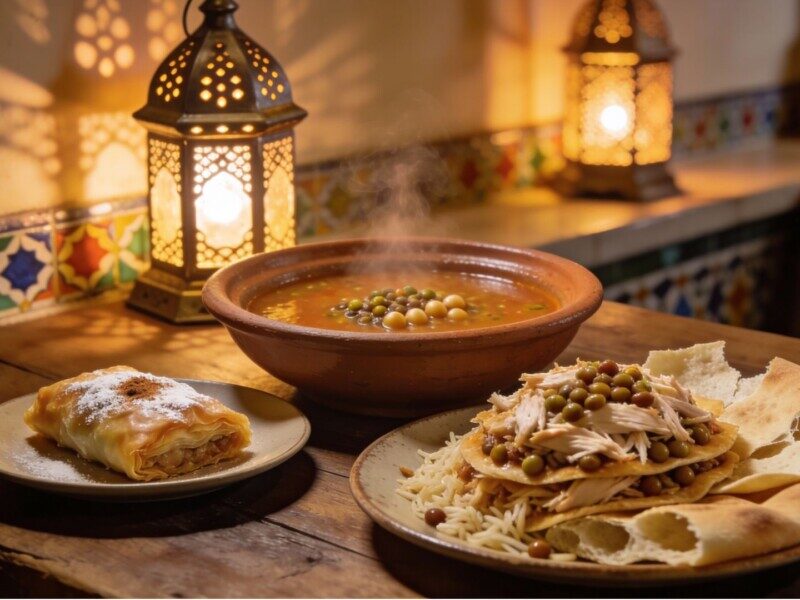
Food was one of the first things that won Erin over. She spoke about roasted chicken prepared with preserved lemons, seafood pastilla with its impossible layers of phyllo, and especially harira, the tomato and lentil soup that breaks the fast across the country.
Anyone who has experienced that first spoonful of harira after a day of fasting knows it carries more than lentils and tomatoes. It carries history. Centuries of exchange between Arab, Amazigh, Andalusian, African, and Mediterranean traditions layer into every Moroccan dish. Each meal is a conversation with the past.
For newcomers, learning to cook tagine or perfect a pot of harira becomes a way of participating rather than merely observing. The kitchen offers access that tourist attractions cannot provide.
In the broadcast, the children laughed about shopping in the local souk and negotiating prices in Darija, the Moroccan Arabic dialect that baffles even fluent Arabic speakers from other countries. That detail matters more than it might seem. Language is not just vocabulary. It is access. Even a few phrases, delivered with genuine effort, can transform a commercial transaction into the beginning of a relationship.
Taliouine: where saffron and hospitality meet
The episode also transported viewers far from the Atlantic coast to Taliouine, the small town in the Anti-Atlas mountains known as the saffron capital of Morocco. There, in a centuries-old riad, a family maintains an open door every Ramadan in honor of a grandfather’s will: no traveler should be turned away at iftar.
The image of long tables laid with traditional dishes, strangers seated side by side, saffron tea poured with abandon, is not romantic exaggeration for television. It reflects a lived tradition of hospitality that predates any tourism marketing campaign. In rural Morocco, community is not a slogan. It evolved as a survival strategy and transformed into generosity that outsiders often find overwhelming.
For travelers heading south toward Taroudant or exploring the Anti-Atlas, Taliouine offers more than photo opportunities in saffron fields. It offers a glimpse into how Ramadan unfolds away from the cities, where collective celebration and mutual support remain central to daily life.
Caftans, djellabas, and the language of clothing
Another segment of the program explored the surge in traditional clothing that accompanies Ramadan. Tailors across Morocco receive orders weeks in advance. Caftans for women. Djellabas for men and children. The workshops run late into the night as Ramadan approaches.
In American terms, imagine if December meant not just holiday lights and decorated trees but a nationwide return to heritage clothing. That is what Ramadan does in Morocco. It invites people to dress into their history, to carry tradition on their bodies.
If you are visiting during this period, consider buying a simple djellaba from a reputable tailor. Not as a costume for photos, but as genuine participation. Ask about the fabric sources. Notice the hand-stitched details that distinguish quality work. Clothing in Morocco is storytelling in thread, and wearing traditional dress signals respect that Moroccans notice and appreciate.
Soccer, stadiums, and shared passion
Ibrahim’s other passion alongside his faith is soccer. He rattled off names like Achraf Hakimi and Yassine Bounou with the fluency of any Moroccan teenager. The family attended matches and even participated in the reopening ceremony of Rabat’s renovated stadium.
Sports provide one of the fastest pathways to integration in Morocco. The national team is not merely entertainment. It represents pride, aspiration, and collective identity. After the historic World Cup run in 2022, when Morocco became the first African nation to reach the semifinals, the team transformed into a symbol of possibility across the continent and the Arab world.
For visitors, attending a match in Rabat or Casablanca delivers a raw, unforgettable experience. The chants reverberate through the concrete. Drums maintain rhythms that seem to sync with heartbeats. The sea of red moves as a single organism. It is loud, communal, and emotional in ways that feel distinctly Moroccan.
Why Morocco changes people
The program briefly mentioned other foreigners who have chosen to stay. Filmmakers. Content creators. Students. Entrepreneurs. Some convert to Islam. Many do not. The common thread connecting them is not ideology or religion. It is connection.
Moroccans have a way of collapsing the distance that modern life creates between strangers. Even in modest neighborhoods where resources stretch thin, people offer help without being asked. Directions. Tea. Advice. Sometimes all three simultaneously. In a world that often reduces human interaction to transaction, that instinct for genuine connection stands out sharply.
Erin compared life in Morocco with her previous life in the United States. She spoke about how people here with very little still try to help however they can. That observation surfaces repeatedly among long-term expats from Western countries. It does not mean Morocco is perfect or that problems do not exist. It means the social fabric feels tangible in ways that many visitors find missing in their home countries.
Showing up fully
For those wanting to see the complete broadcast, the original segment on Medi 1 TV captures the family’s warmth and humor far better than any written description can convey. Watching Ibrahim recite Quran and Qamar laugh about her improving Darija provides visual context that enriches everything described here.
Watching this family navigate language barriers, religious practice, local markets, and soccer stadiums reminded me that Morocco is not merely a destination to be photographed and departed. It is an environment that invites participation at whatever depth you are willing to offer.
You can visit for ten days and leave with beautiful images for your social media accounts. Or you can let the country unsettle you a little, challenge assumptions you did not know you held, slow your pace to match the afternoon rhythm, and expand your understanding of what community can mean.
Morocco does not ask you to become someone else. It simply asks you to show up fully. And sometimes, as this American family discovered, showing up is enough to change everything.
Have you spent extended time in Morocco, and did something shift in you that you did not anticipate?