Things to Do in Dakhla Beyond Kitesurfing: Dragon Island, White Dune & Hot Springs
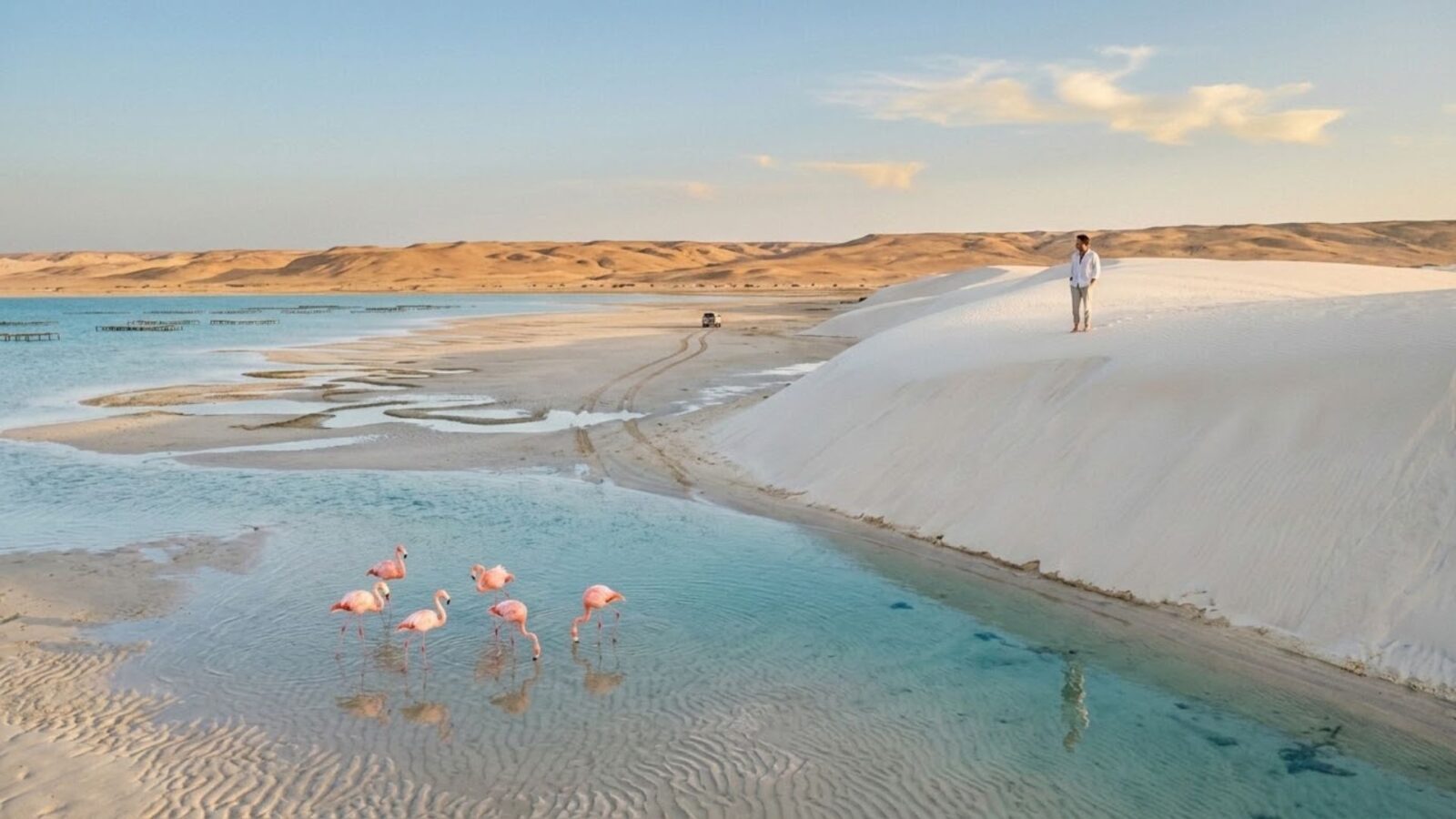
Stand on top of the White Dune at low tide and you can watch the desert and the ocean argue over who owns the view.
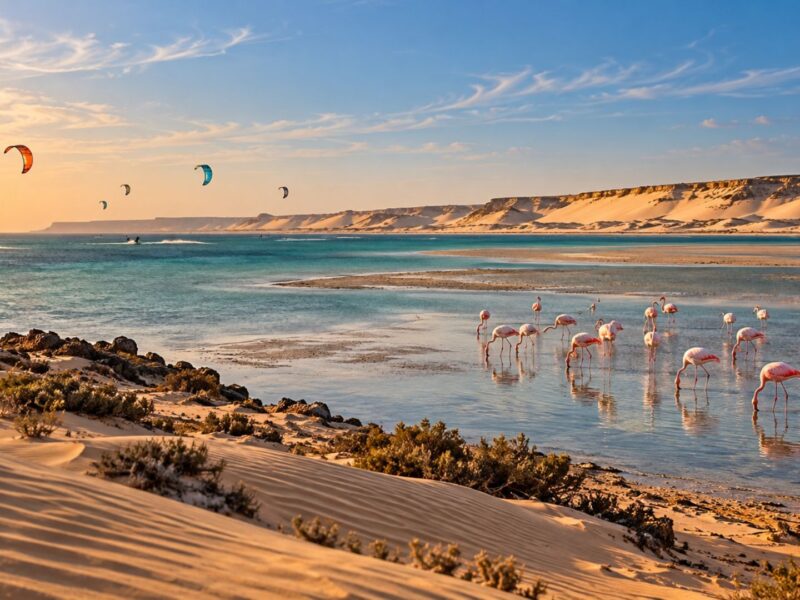
Most people come to Dakhla for the wind, and many never look past the lagoon. That’s a shame, because the landscape around this peninsula is one of the strangest and most beautiful in Morocco. Warm water gushes out of the desert floor. Fish swim in pools miles from the sea. Flamingos wade past kite camps. If you’re planning the wider trip, our complete Dakhla travel guide covers the essentials. What follows is everything worth doing when the wind drops or when you’d simply rather keep your feet dry.
Climb the White Dune
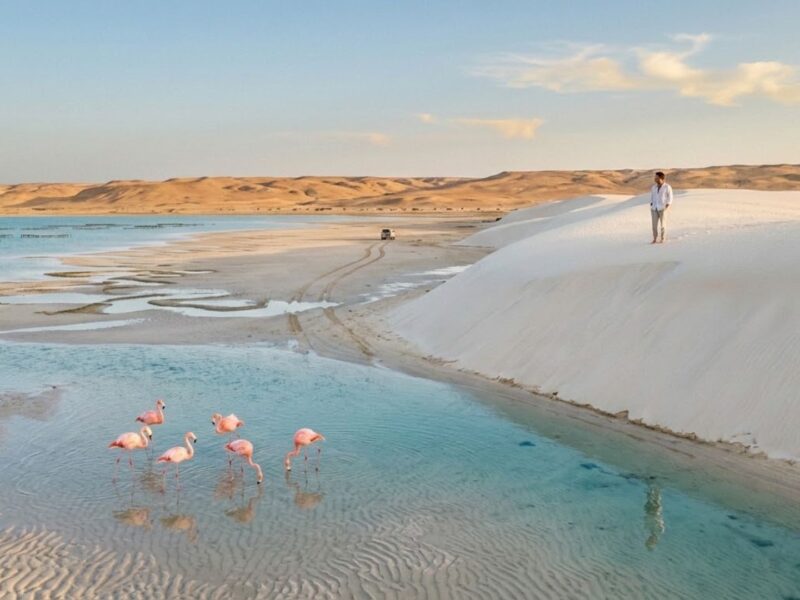
The White Dune, or Dune Blanche, is Dakhla’s signature landmark. It rises from the southern part of the lagoon, a mound of pale sand so bright it almost glows under a midday sun. Depending on the tide it can be ringed by shallow turquoise water, turning it into a temporary island, and at low tide you can often walk out to it.
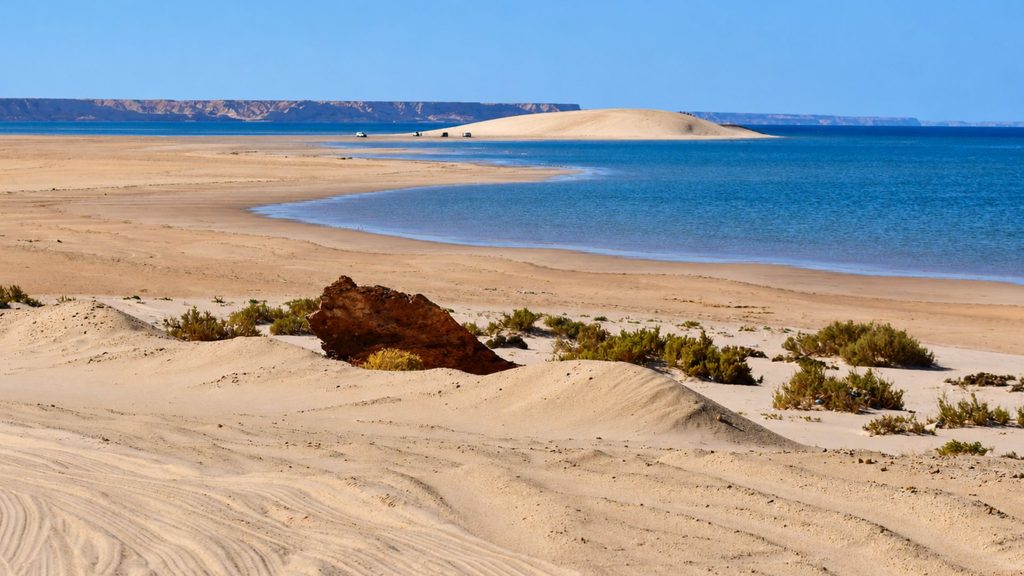
What makes it unusual is that it barely moves. Most dunes march with the wind, but this one sits in a waterlogged spot that keeps it anchored, and a small ecosystem has grown up around it. From the top you get a sweeping view of the lagoon, the desert beyond and, in the right season, flocks of flamingos and migratory birds feeding in the shallows.
Most visitors reach it on a 4×4 excursion. Kiters often arrive the fun way, on a downwinder from Speed Spot. If that’s your plan, our guide to kitesurfing in Dakhla explains how the route works.
Take a boat to Dragon Island
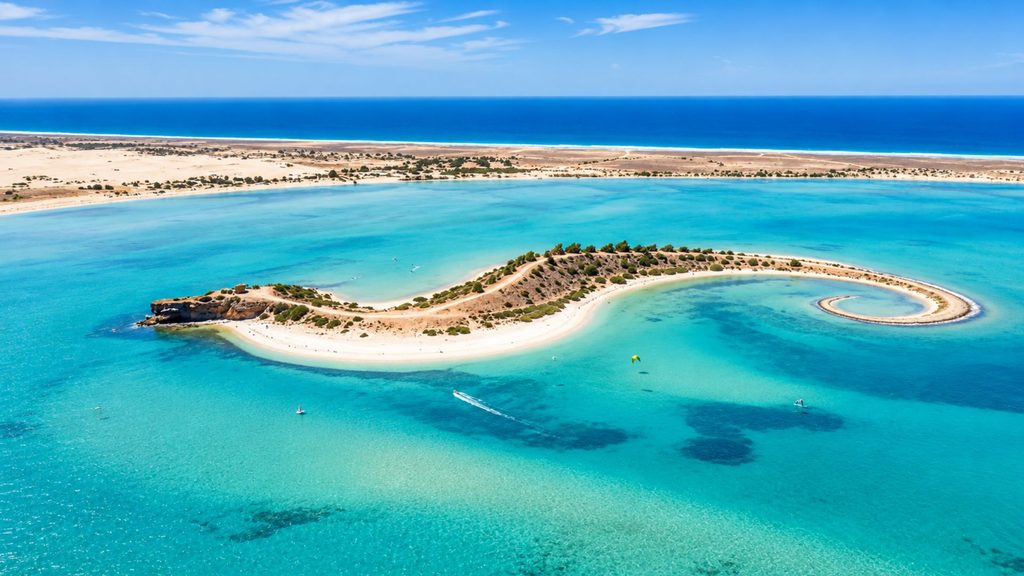
Dragon Island sits inside the lagoon, a rocky outcrop you can only reach by boat or catamaran. The crossing is half the fun, gliding over clear shallow water with the desert shoreline sliding past. Once you land, climb to the top for a 360-degree panorama of the lagoon, the surrounding dunes and the white beaches that fringe it.
It’s also one of the best vantage points for wildlife. Flamingos and other migratory birds stop over in the lagoon, and the island makes a quiet perch for watching them. Bring binoculars if you have them, plus water and sun protection. There’s no shade to speak of.
Soak in the Asmaa hot spring
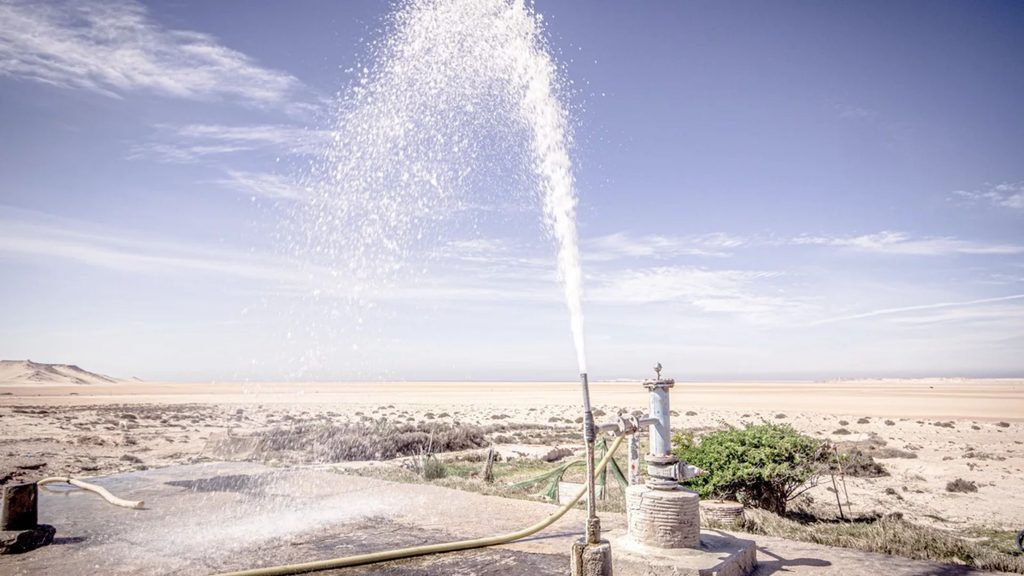
About 35 kilometers from town, at the end of a sandy track of roughly 25 kilometers, a jet of warm water bursts out of the desert. That’s the Asmaa hot spring, a natural thermal source with water around 100°F.
Don’t expect a polished spa. What you’ll find is a small building, a powerful stream of water and usually a cluster of fellow travelers who had the same idea. The contrast is the magic: nothing but sand and scrub in every direction, then suddenly a warm shower in the middle of the Sahara. Locals credit the water with soothing properties, and after a long day in the wind, it’s hard to argue.
Most 4×4 tours combine the spring with the White Dune in a single outing, which is the easiest way to see both without navigating desert tracks yourself.
Eat oysters straight from the farm
The Dakhla lagoon produces some of the finest oysters in Morocco, and much of the harvest is exported. The same clean, nutrient-rich water that makes the lagoon so pleasant to ride also makes it perfect for shellfish.
Several farms welcome visitors. You’ll see how the oysters are raised, then eat them on the spot with a squeeze of lemon, often for a fraction of what you’d pay back home. Even if raw oysters aren’t normally your thing, it’s worth trying one here. They taste of the Atlantic in the best possible way. Many tours finish at an oyster farm, and it makes a fitting end to a day in the desert.
Explore Imlili and its desert pools
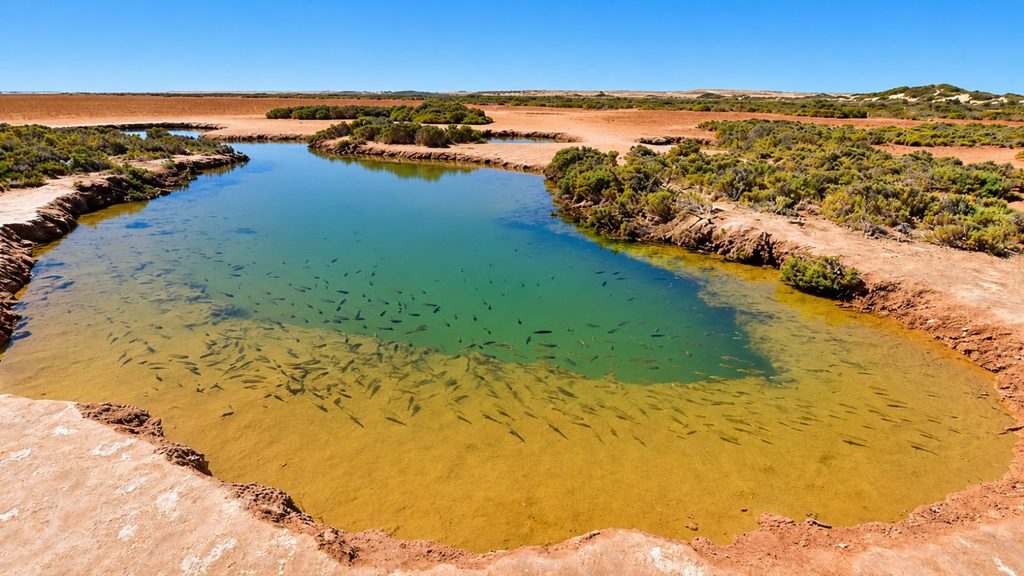
For a proper adventure, head out to the Imlili sebkha, a desert wetland dotted with more than 160 small pools. Some of them hold fish, a surreal sight in the middle of so much sand. In a few pools the fish will nibble gently at your feet if you wade in, a natural pedicure that tends to trigger nervous laughter before it turns relaxing.
Imlili is a full-day trip by 4×4. Most tours pair it with Porto Rico beach, a wild Atlantic stretch of turquoise water and golden sand, plus a stop at the hot spring on the way back.
Ride a horse or a camel along the coast
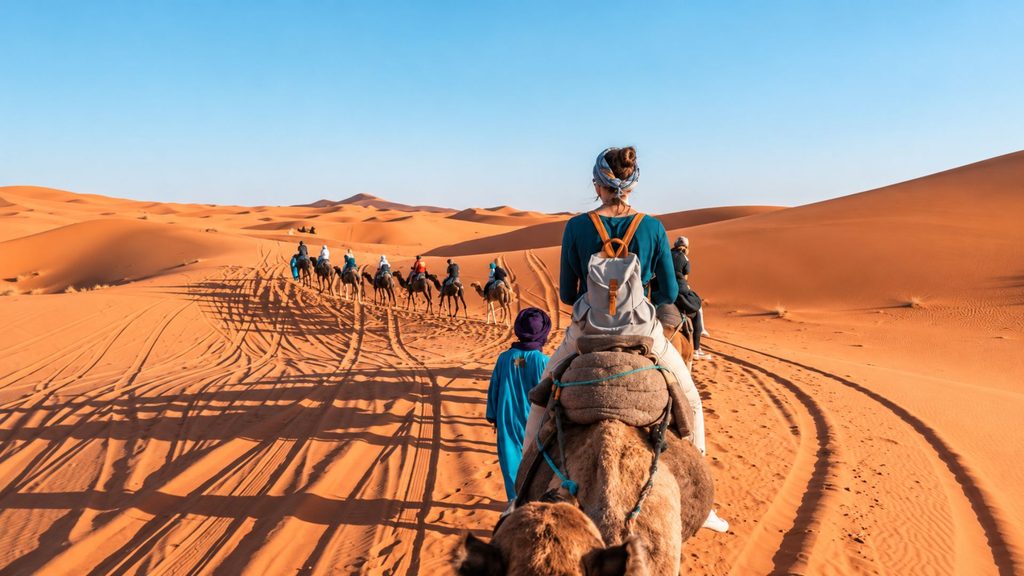
Galloping along an empty Atlantic beach is one of those experiences that stays with you. Local ranches offer rides on Arabian and Barb horses, and the golden hours around sunset are especially beautiful. If you prefer a slower pace, camel rides through the dunes usually end at a nomad-style camp with a round of mint tea and stories about the region’s history.
Spend an evening in Dakhla town
Dakhla town is small, but it has its own quiet charm. Wander the souk for melhfa fabrics, the colorful wrap garments worn by Sahrawi women, along with hand-woven rugs and silver jewelry. Some cooperatives offer workshops in weaving, pottery or jewelry making, which is a meaningful way to support local artisans.
As the sun goes down, the waterfront fills with families strolling, and seafood grills fire up near the port. It’s a relaxed, local scene that feels a world away from the kite camps.
Plan your days off the water
| Activity | Getting there | Time needed | Best for |
|---|---|---|---|
| White Dune | 4×4 tour or kite downwinder | Half day | Photographers, nature lovers |
| Dragon Island | Boat or catamaran | Half day | Wildlife, panoramic views |
| Asmaa hot spring | About 35 km, partly on sandy track | Half day, often combined | Relaxing after activity |
| Oyster farm | Short drive from town | 1 to 2 hours | Food lovers |
| Imlili pools and Porto Rico beach | Full-day 4×4 tour | Full day | Adventurous travelers |
| Horse or camel ride | Pickup from hotel | 2 to 3 hours | Couples, families |
If birdwatching is high on your list, plan your visit between November and March, when flamingos and other migratory birds are most visible. And since the best base for these excursions often differs from the best base for kiting, it’s worth comparing options in our guide on where to stay in Dakhla.
A few practical tips
Book desert excursions with a licensed guide or through your hotel. The tracks around Dakhla are sandy and poorly marked, and tides change the landscape around the lagoon from hour to hour. A local driver who knows the timing will get you to the White Dune at the right moment.
Pack more water than you think you’ll need, along with a hat, sunscreen and a light layer. Even in summer, desert evenings turn cool quickly. Cash is still useful at farms, small restaurants and markets, so carry some dirhams.

Why the quiet days matter
It’s easy to treat Dakhla as a place you pass through on a board, measuring every day by the wind. But the moments that linger often come on the calm days: steam rising from a desert spring, a flamingo lifting off the lagoon, an oyster eaten with salty fingers as the sun drops. Dakhla rewards those who slow down enough to notice it.
Timing shapes all of it, from the tides at the White Dune to the flamingo season, so check our guide to the best time to visit Dakhla before you lock in your dates.
Which would top your list for a day off the water: the White Dune, the hot spring or a boat trip to Dragon Island?