When highways, ports, and wind farms become part of Morocco’s scenery
You feel it somewhere between Tangier and Kenitra, when the train slips past new factories and wind turbines before the Atlantic even comes into view.
The Morocco you expected, the one composed of blue cities and ochre medinas and golden dunes, is still there. But another Morocco has been quietly reshaping itself alongside those postcards, and if you travel with an observant eye, the transformation becomes part of the journey in ways that genuinely matter.
This isn’t about trading romance for industry. It’s about understanding why the highways are smooth, why trains run on time, and why a country that once felt like a step backward in time now pulses with a forward momentum that visitors can actually feel.
Morocco through a different lens
Most travelers arrive thinking in colors. Blue in Chefchaouen. Ochre in Marrakech. Gold in the Saharan dunes. These remain valid entry points, and they deliver on their promises.
But there’s another Morocco revealing itself along highways, ports, and industrial zones that now sit just as naturally in the landscape as olive groves once did. Over the past fifteen years, Morocco has become North Africa’s first true industrial economy. The kingdom now produces more than half a million cars annually, hosts one of the most connected container ports on the planet, and exports aircraft components directly into European assembly lines.
None of this happened accidentally. And none of it remains invisible if you know where to look.
For travelers, this industrial rise explains experiential details that might otherwise seem mysterious. Why does a developing country have better highway infrastructure than some European nations? Why do logistics seem to work here when they fail spectacularly in neighboring countries? Why does Tangier feel sharper and more internationally connected than it did a decade ago?
The answers sit in plain sight, waiting for visitors willing to expand their definition of what makes a destination interesting.
Tangier Med and the geography of motion
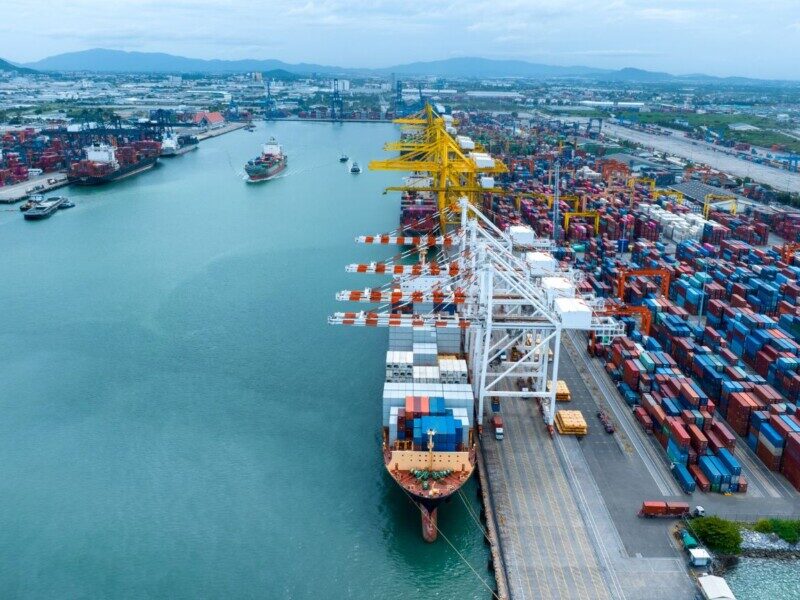
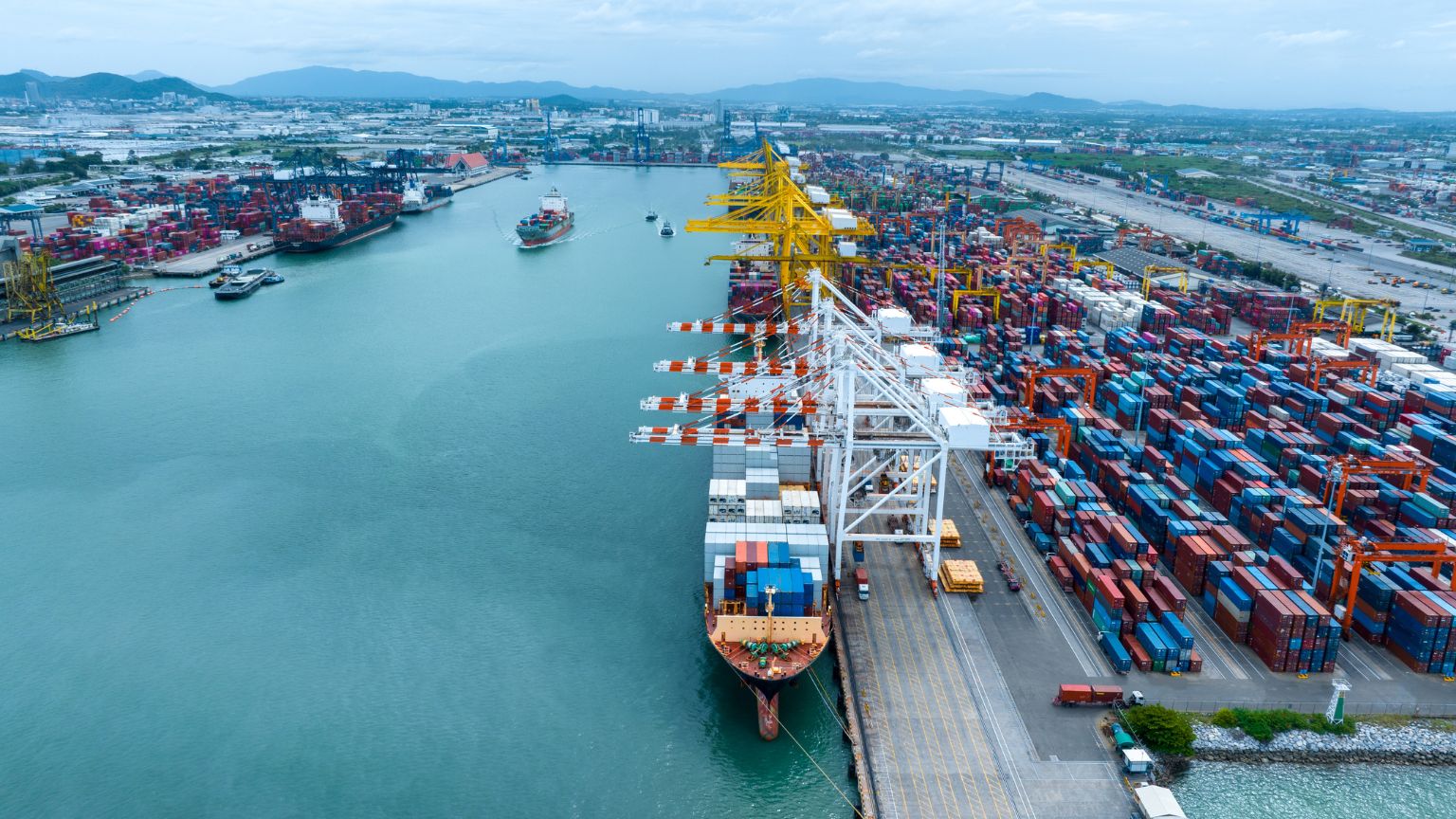
Stand on a hill overlooking Tangier Med and you understand Morocco’s strategic advantage instantly. Ships glide through the Strait of Gibraltar day and night, bound for Europe, Africa, and beyond. Nearly ten million containers pass through this port annually, placing it among the busiest in the world and the largest in Africa and the Mediterranean.
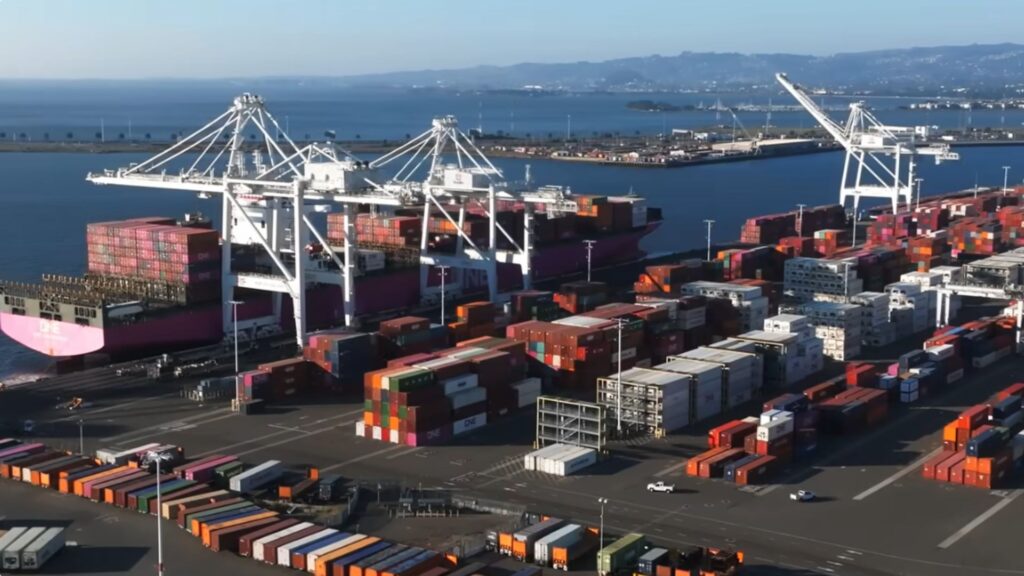
For typical visitors, Tangier Med rarely appears on itineraries. It’s a port facility, after all, not a medina or a beach. Yet it explains so much about why Morocco functions differently than its neighbors.
The kingdom built its industrial zones close to the coast, keeping factories near ports instead of burying them inland where transportation costs would erode competitive advantages. It’s a lesson learned from watching other countries struggle with exactly this problem.
“If a part leaves the factory in the morning, it can be in Spain tomorrow. That reliability changes everything,” explained a logistics consultant based in Tangier who works with European manufacturers operating in the free zones.
That reliability flows outward into traveler experience in ways that aren’t immediately obvious. The highways that serve factories also serve tourist buses. The fuel supply chains that keep industrial operations running also keep rental cars filled. The electrical grid that powers manufacturing also powers hotels and restaurants without the outages that plague less developed infrastructure.
Tangier itself has transformed accordingly. The city today feels sharper, faster, and more globally connected than it did ten years ago. Young professionals fill cafes. International restaurants have proliferated. The vibe has shifted from drowsy port town to something more Mediterranean and ambitious.
Industrial cities that function like neighborhoods
Places like Tangier Free Zone, Kenitra Atlantic Free Zone, and Casablanca’s Midparc are typically described as industrial parks, but that label undersells what they’ve become. They function like compact cities with their own rhythms and cultures.
Training centers sit beside supplier workshops. Rail lines feed directly into ports. Cafes fill with engineers, technicians, and logistics managers who swap languages as easily as they swap schedules. French, Spanish, Arabic, and increasingly English blend together in conversations about supply chains and production quotas.
For travelers willing to wander beyond medinas, these zones offer a different kind of cultural encounter. One rooted in work and ambition rather than tradition. One where Morocco’s future is being built in real time by young Moroccans who see themselves as participants in a global economy rather than custodians of a static heritage.
Morocco now hosts around 150 industrial zones spanning more than 12,000 hectares. Some specialize in automobiles, others in aerospace, electronics, or logistics. Together, they form a coastal spine of production stretching from Tangier in the north to Agadir in the south.
| Sector | Scale | Key Players | Export Focus |
| Automotive | 550,000+ vehicles/year | Renault, Stellantis | 80% to Europe |
| Aerospace | 150+ companies | Boeing, Airbus suppliers | $2B+ annually |
| Ports | 10M containers/year | Tangier Med | Global connectivity |
| Renewables | Major solar/wind capacity | Noor complex, Atlantic wind farms | Grid stability |
Why cars and planes chose Morocco
Morocco’s emergence as Africa’s second largest car producer didn’t happen through accident or subsidy alone. Renault’s Tangier plant, which opened in 2012, quickly became one of the company’s most efficient factories worldwide. Stellantis followed in Kenitra, adding electric vehicle production to the manufacturing mix.
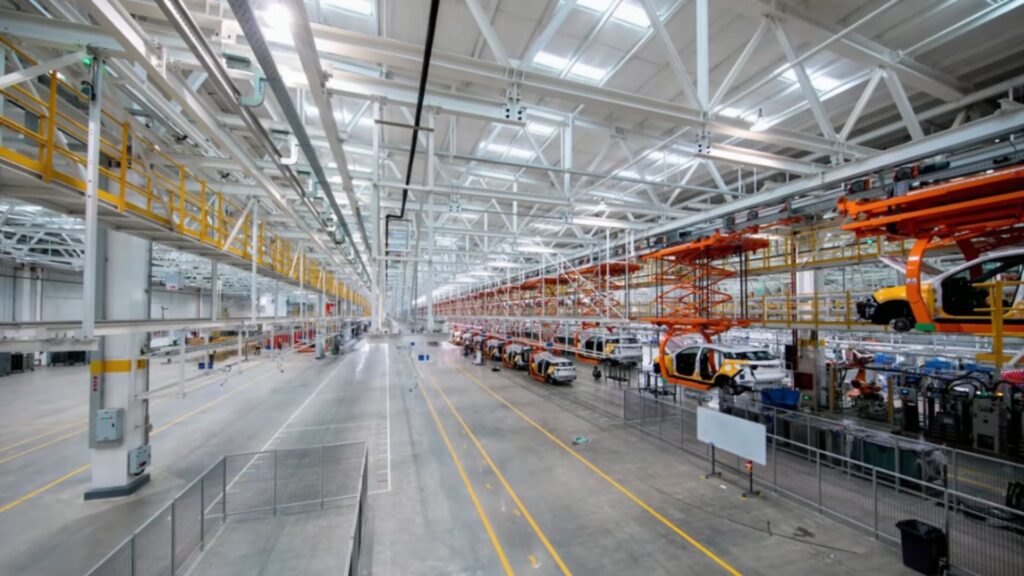
Aerospace came next. Today, roughly 150 aerospace firms operate in Morocco, supplying Boeing and Airbus with wiring systems, fuselage parts, and aircraft interiors. Aerospace exports exceed $2 billion annually and continue growing.
What draws these manufacturers isn’t innovation theater or flashy technology parks designed for photo opportunities. It’s predictability. Short shipping routes to European markets. Consistent regulatory frameworks that don’t shift with each political change. A workforce trained specifically for precision manufacturing rather than general assembly.
For travelers, this industrial presence explains why cities like Kenitra and Casablanca feel increasingly international. New neighborhoods seem to grow almost overnight. Young professionals from across Morocco and beyond have congregated where opportunity concentrates. The demographic energy is palpable.
Trains, roads, and the experience of moving fast
Infrastructure shapes how a country feels to travel through. This is where Morocco’s industrial investments pay dividends that visitors experience directly.
The highway network has expanded from under 100 kilometers in 1999 to more than 2,100 kilometers today, with plans to reach 3,000 by 2030. These aren’t token prestige projects. They’re functional arterials that make traveling between major destinations genuinely comfortable.
Then there’s Al Boraq, Africa’s first high-speed rail line. Since 2018, it has cut the Tangier to Casablanca journey from nearly five hours to just over two. Plans are underway to extend service south toward Marrakech and eventually Agadir.
For visitors, this means less friction in trip planning. You can land in Tangier, explore the medina, and reach Casablanca before lunch the next day without exhaustion. You can build itineraries that would have been impractical a decade ago, combining destinations that once required choosing between them.
That ease isn’t accidental. It’s the same infrastructure logic that serves factories, now serving travelers too. The investments made to move auto parts efficiently also move tourists efficiently. The highways that connect ports to production also connect airports to hotels.
Powering growth with sun and wind
Factories need reliable electricity as much as travelers need functioning air conditioning and hot showers. Morocco understood early that unreliable power would undercut every other competitive advantage.
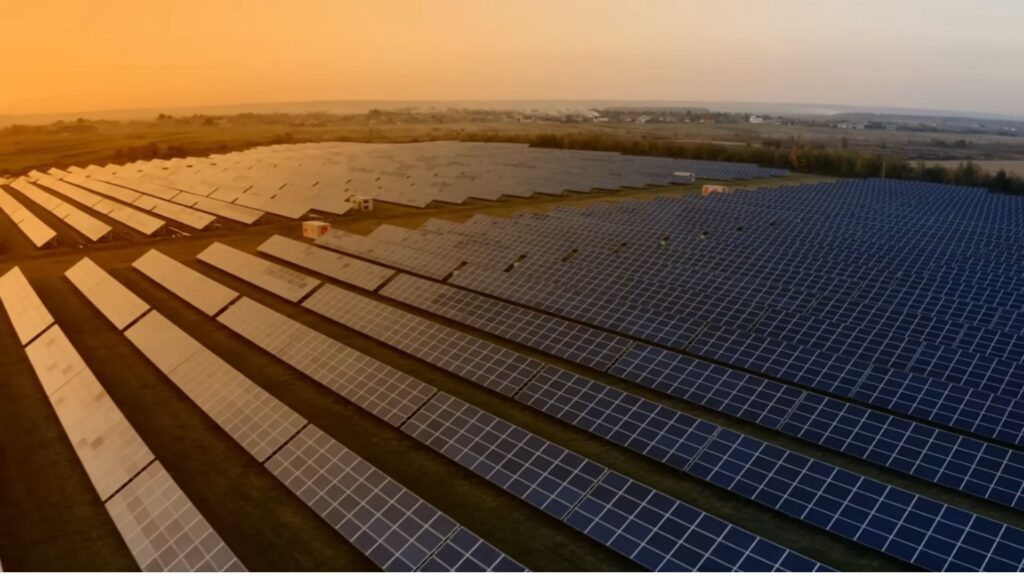
The result is one of the most ambitious renewable energy programs in the region. The Noor solar complex near Ouarzazate stands among the largest concentrated solar power facilities in the world. Along the Atlantic coast, wind farms feed steady power into the national grid.
Manufacturers value this stability for obvious reasons. Production lines can’t afford interruptions. Supply chain commitments depend on predictable operations.
Travelers feel it in subtler ways. Modern hotels operate without the backup generators running constantly in the background. Transportation systems function reliably. Power outages that plague less developed infrastructure simply don’t happen with the same frequency.
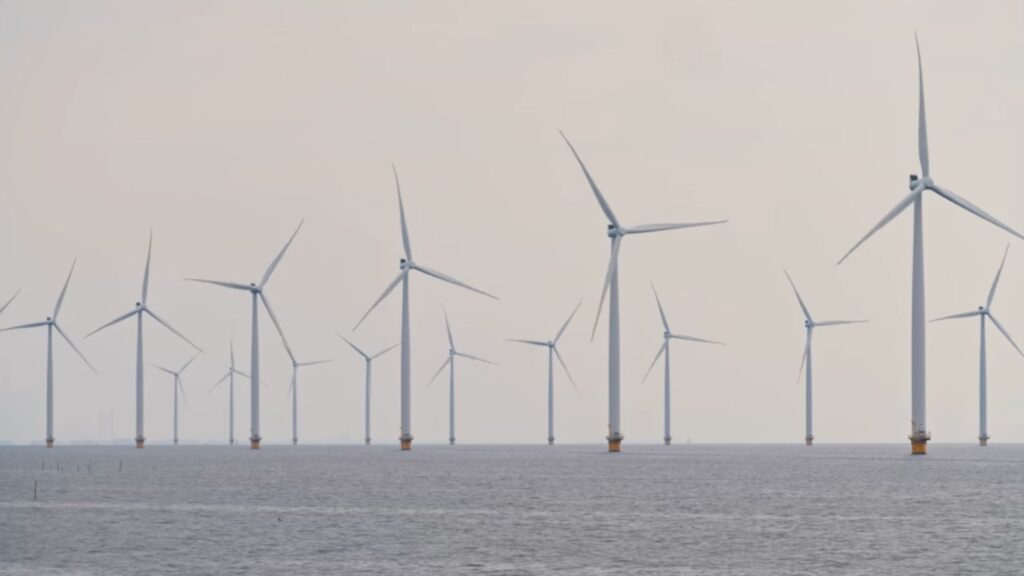
Sustainability here isn’t just marketing language. It’s a practical choice driven by economic logic. Morocco has limited fossil fuel resources but abundant sunshine and Atlantic wind. Building energy infrastructure around those advantages made strategic sense, and it’s paying off in grid stability that benefits everyone using electricity, from factory floors to boutique riads.
Phosphates and the quiet backbone of power
Beneath all the visible infrastructure sits an older, less photogenic pillar of Moroccan prosperity. The kingdom controls roughly 70 percent of the world’s known phosphate reserves, a resource essential to fertilizers and increasingly important for electric vehicle batteries.
Through the state-owned OCP Group, Morocco has built the world’s largest fertilizer production hub on the Atlantic coast near Jorf Lasfar. Phosphates generate steady revenue, stabilize export earnings during global economic fluctuations, and give the country financial room to invest in roads, ports, and education.
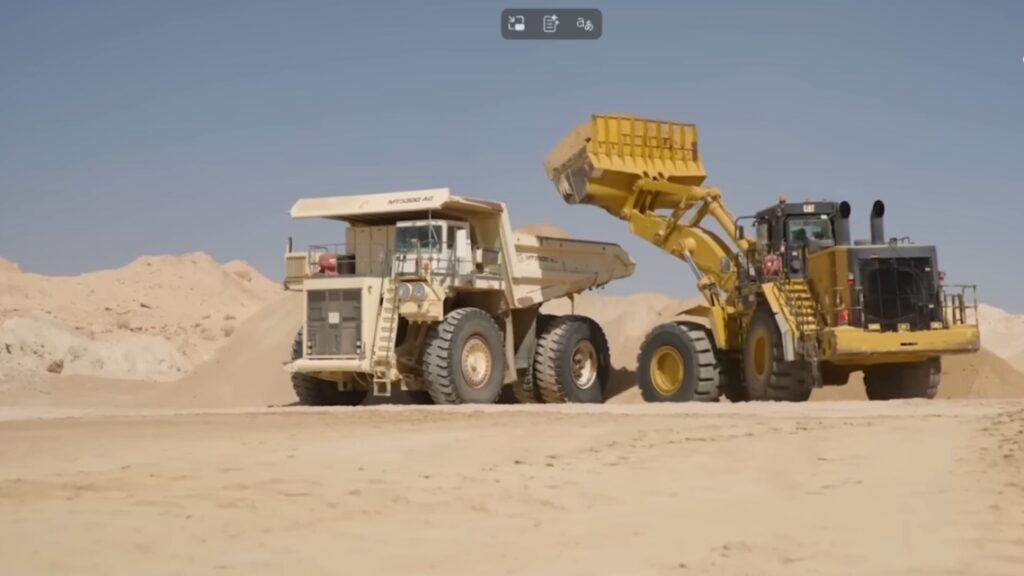
For travelers, phosphate mining rarely appears in guidebooks. It’s not romantic. It doesn’t photograph well. But it underwrites much of what makes modern Morocco function smoothly. The revenue that flows from those deposits helps fund the infrastructure improvements that make traveling through the kingdom so notably easier than moving through neighboring countries.
What this means for your morocco trip
Morocco’s industrial rise doesn’t replace its traditions. It runs alongside them in ways that create interesting contrasts for observant travelers.
You can sip mint tea in a centuries-old riad in Fez during the evening, then ride a high-speed train past wind farms and factories the next morning. You can negotiate for carpets in a medieval souk, then drive on highways that rival anything in Western Europe. The juxtaposition is jarring and fascinating in equal measure.
There are tensions, of course. Growth has been geographically uneven. Youth unemployment remains stubbornly high in many regions, and economic opportunity concentrates heavily along the Atlantic coast. Inland regions, particularly in the rural south and east, still wait for their turn at modernization. The Morocco that tourists typically visit and the Morocco where most Moroccans actually live don’t always overlap.
But for travelers willing to look beyond the usual lens, the kingdom offers something genuinely rare. A country where ancient cities and modern supply chains coexist. Where the experience of travel itself has been shaped by industrial investment as much as by cultural heritage. Where you’re not just passing through a destination frozen in time, but witnessing a nation in the middle of actively redefining itself.
The wind turbines spinning along the Atlantic coast, the container ships gliding through the Strait of Gibraltar, the high-speed trains connecting cities that once felt impossibly distant from each other. These are all part of Morocco’s scenery now, as much as the blue walls of Chefchaouen or the snake charmers of Marrakech’s Djemaa el-Fna.
As Morocco continues climbing the global value chain and expanding its infrastructure ambitions toward the 2030 FIFA World Cup and beyond, what aspects of this industrial transformation do you think will most significantly change the traveler experience in the years ahead?