
Marrakech Travel Guide: Everything to Know Before You Visit (2026)
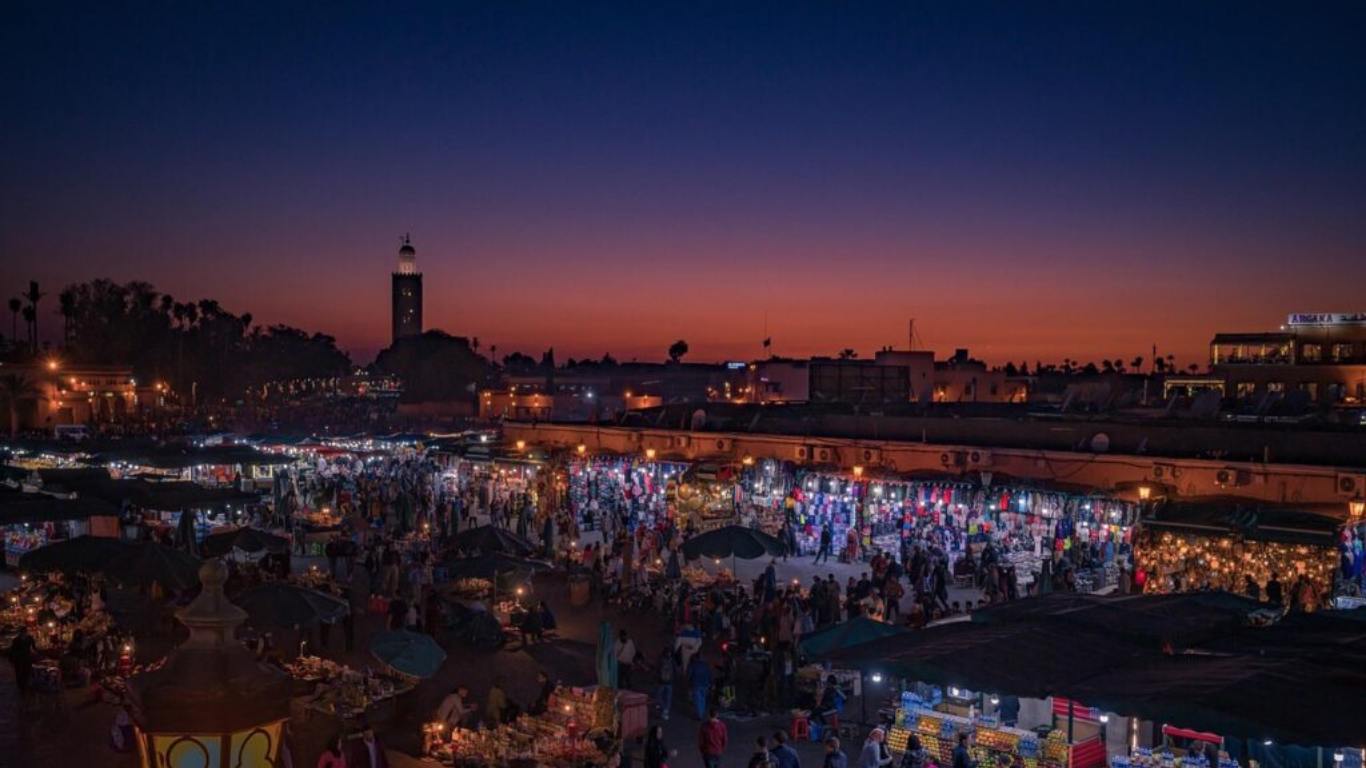
Marrakech hits you with color and rhythm from the first morning call to prayer to the last rooftop mint tea. I am Sam, a thirty year old traveler with a bachelor’s degree and a simple rule for good trips. Balance big sights with quiet corners. This Marrakech travel guide shows you how to do that without stress. You will move with a plan but keep time for chance. Indeed, the city rewards that balance.
Think of Marrakech as layers. A calm garden behind a blue wall. A courtyard where light falls on tiles. A lane that opens into a square that never sleeps. You do not need to see everything. You need flow. Early starts. Midday shade. Sunset views. A late meal when the air cools. Indeed, that rhythm works in any season and any budget.
This guide focuses on what matters to young world travelers. Good value. Good food. Easy routes. Clear safety habits. I keep transport simple. Walk most of the old city. Use taxis for longer hops. Learn the nearest gate to your stay so pickups are easy. Keep small bills for rides and tips. Dress modestly. Ask before photos. Drink water. Bargain with humor and a light touch. Indeed, small moves make big days.
You will see the icons and find space to breathe. Koutoubia as your compass. Bahia for craft detail. El Badi for storks and ruins. Souks that pull you into side lanes with leather and lanterns. Rooftops that glow at sunset. A hammam that resets your legs after long walks. If you want a faster hit list with maps and timing, my roundup of the best things to do in Marrakech gives you a focused list. Keep this page open for the wider plan.
The sections that follow cover what to do, where to stay, when to come, how to plan day by day, how to travel smart, and how to add day trips and desert tours. Use them as building blocks. Pick one anchor each morning and one at sunset. Let sound and color guide the rest. That is the heart of this Marrakech travel guide.
In this Marrakech travel guide
This page is your planning hub. Each part below has a full companion guide if you want to go deeper:
- Best things to do in Marrakech: icons, hidden gems, and rooftops.
- Where to stay in Marrakech: neighborhoods and riads by budget.
- Best time to visit Marrakech: weather, crowds, and costs month by month.
- Marrakech itinerary: plug-and-play 3, 4, and 5-day routes.
- Marrakech travel tips: money, safety, scams, and etiquette.
- Best day trips and desert tours: the Atlas, coast, waterfalls, and Sahara.
- Where to eat in Marrakech: stalls, medina tanjia, rooftops, and Gueliz bistros.
- The gardens of Marrakech: Majorelle, Menara, and calm green escapes.
1) Best things to do in Marrakech
Start with the square and the minaret. Jemaa el Fna by day is all chatter and citrus. By night it turns into smoke, drums, and lantern light. Stop for fresh orange juice. Wander. Do not linger long at first. Indeed, the square is better after sunset. Use the Koutoubia minaret to set your inner compass. You cannot enter the mosque if you are not Muslim but the gardens welcome a pause. In fact, ten quiet minutes in the shade will steady your pace for the souks.
Step through modest doors into grand spaces. Bahia Palace shows painted cedar, marble, and zellij that catch the light. Go early to avoid tour groups. Move slowly. Notice door frames and ceilings. Walk on to the Saadian Tombs. Small. Refined. Carved detail that rewards patience. Then head to El Badi. The ruin opens to sky and storks. Climb the ramparts for a view that helps you map the city in your head.
The souks are a maze that works best with curiosity and calm. Begin on Souk Semmarine. Let your eyes adjust. For example, branch to Souk Cherratine for leather and Souk Haddadine for metalwork. Ask for prices with a smile. Bargain as a gentle game. Offer half. Meet in the middle. Check stitching and seams. Keep small bills ready. When the lanes feel tight step into a courtyard café for mint tea and a reset. As a result, you will enjoy the next alley more.
Give yourself one garden for breath. Jardin Majorelle is popular for a reason. Indeed, early slots help. Blue walls, bamboo, cacti, and pools take the heat out of your day. Step across to the Yves Saint Laurent Museum if you like design and want strong air conditioning. Back in the old city Le Jardin Secret offers geometry and high terraces with fewer people. Indeed, the view from those balconies is a kind way to understand the Medina without a long climb.
Add a small museum for context. Maison de la Photographie holds a neat collection of images from across Morocco. Go up to the roof for a wide look across the city. Dar El Bacha shows the craft of a grand riad and often runs thoughtful exhibits. The café serves strong coffee and small sweets. In fact, these calm rooms pair well with the busy lanes outside.
Eat well and often. Try a chicken and lemon tagine or lamb with prunes. Share a tanjia if you see it on a menu. Snack on msemen, sfenj, and fresh dates. Furthermore, sit on a terrace at sunset and watch the city soften. Choose a busy stall for night meals on the square. Start with harira soup then add kebabs or grilled sardines. If you want a quieter night pick a riad rooftop and linger over tea.
Plan one hammam to reset. You can book a simple local bath or a spa style session. Expect steam, black soap, and a glove scrub. Rinse, rest, and drink water. Furthermore, book late afternoon on a heavy walking day. As a result, your legs will feel new for the evening walk.
For short bursts of adventure pick a camel ride or quad session in the Palmeraie at golden hour. If you want a taste of desert light without a long drive, the stony ridges of Agafay sit about an hour away and pair well with dinner under lanterns. You will find a full comparison on the Marrakech desert tours page if dunes call you later.
Keep safety simple. Move with purpose. Use main lanes at night. Additionally, agree taxi prices before you ride or ask for the meter. Save your stay on your map with a pin. Learn the nearest gate name for drop offs. If someone insists on guiding you for a fee, decline with a firm thank you and keep walking. Ask shopkeepers for directions if you feel unsure. Indeed, most will help without fuss.
When your list needs shaping, use a light framework. Icons in the morning. Souks late morning with a café break. A calm museum or garden after lunch. Rooftop at sunset. Street food or a quiet riad for dinner. That rhythm keeps energy steady. It also leaves space for the best moments. A long chat with a spice seller. A rooftop breeze that makes you linger.
If you want a quick hit list with timing and map friendly loops, open my focused roundup of the best things to do in Marrakech. Then come back to this marrakech travel guide to connect those stops with where you stay, when you visit, and how to move without stress.
2) Where to stay in Marrakech
Your base shapes your days. A good location means short walks, easy rides, and better sleep. Think of stays in three buckets. Traditional riads in the Medina. Modern hotels in Gueliz and Hivernage. Resorts and villas in Palmeraie. Each fits a different rhythm and budget. If you want a deep dive with neighborhood pros and cons open my guide to where to stay in Marrakech and match a base to your style.
Riad or hotel
A riad is a house wrapped around a courtyard. Rooms face inward so nights feel quiet. Many have a plunge pool and a roof for sunset. Indeed, you trade lifts and big gyms for soul. A hotel offers lifts, large pools, and steady amenities. You trade intimacy for space and modern convenience. First timers often do best with a riad near a main gate. As a result, you get atmosphere and simple taxi access.
What to check before you book
- airport pickup and porter service for bags
- heating and air conditioning for winter or summer swings
- roof terrace size and sun or shade
- room level and privacy
- 24 hour reception if you arrive late
Medina and Jemaa el Fna area
This is the classic first base. Step out to lanes filled with lamps, spices, and small cafés. You reach Koutoubia, the souks, and many sights on foot.
Best for
- short trips focused on icons and markets
- sunrise and sunset roof lovers
- travelers who want to feel the city from the door
Keep in mind
- noise rises in the evening
- taxis stop at gates so you walk the last stretch
- choose a quiet side lane for better sleep
Kasbah and Mellah
South of the square you find the Kasbah and the Mellah. The pace is a touch calmer. Furthermore, landmarks sit close and alleys are a bit wider.
Best for
- couples who want quiet nights and easy sightseeing
- food lovers who plan to explore spice markets and local cafés
Keep in mind
- meeting points for taxis help with pickups
- some streets stay lively late
Gueliz
Gueliz is the new town. Wide streets. Art galleries. Boutiques. Coffee bars. Additionally, you ride into the Medina fast and return to calm sidewalks.
Best for
- digital nomads who need steady cafés and wifi
- groups who want varied dining and late nights
- travelers who like space and modern rooms
Keep in mind
- less old city magic at the door
- nightlife can run late near main strips
Hivernage
Hivernage holds larger hotels with big pools and spa menus. Tree lined avenues and lounges set a resort tone with city access.
Best for
- travelers who want comfort between market runs
- late night plans that still allow early sightseeing
Keep in mind
- rates climb on weekends and holidays
- taxi rides add up if you pop back and forth often
Palmeraie
Palmeraie is the palm grove north of town. Villas and resorts sit among date palms. You wake to birds and wide sky.
Best for
- honeymoons and friend groups who value privacy and space
- travelers who want slow mornings and one city run a day
Keep in mind
- rides add cost and time
- dinners on site are common unless you plan transfers
Solo, couples, and groups
Solo travelers thrive in the Medina with a friendly riad and clear directions to a main gate. Couples do well in the Kasbah or a quiet lane near the square. Groups can book a riad buyout for four to eight rooms and gain a private courtyard and roof. Families may prefer Hivernage or Gueliz for lifts and larger rooms.
Budget ranges
Budget stays sit a few minutes off the busiest lanes. Midrange riads add design touches and generous breakfasts. Luxury stays in the Medina mean larger suites and refined service. Luxury in Gueliz and Hivernage adds big pools and full spa menus. Decide what matters most. Space. Character. Amenities. Indeed, pick two and you will be happy.
Seasonal notes
Spring and autumn book first. Therefore, reserve early if your dates are fixed. Summer heat lowers prices and raises pool time. Winter brings crisp days and cold nights. Confirm heating in riads and strong air conditioning for summer. Furthermore, refundable rates help if plans might shift.
Practical moves
Save your gate name and a map pin for pickups. Keep small bills for taxis and tips. Pack light if you base in the Medina since lanes are narrow. Ask about stairs as many riads have no lifts. If your flight lands late book pickup and meet at a clear landmark.
Sample split stays
Two or three nights in a Medina riad for icons and souks. Then one or two nights in Hivernage for pool and spa. Or start in Gueliz to land softly and sort your bearings. Finish in the Kasbah for quiet charm. This Marrakech travel guide works best when you match routes to your base so days flow without backtracking.
3) Best time to visit Marrakech
Timing shapes mood and budget. Spring and autumn strike the easiest balance. Summer rewards pool days and dawn starts. Winter brings bright skies and cold nights with good deals. Use the seasons as a frame and tune the days to light and heat. This Marrakech travel guide keeps the plan flexible so you can move well in any month. If you want a deeper month by month view, open my breakdown of the best time to visit Marrakech and match dates to your pace.
Spring from March to May
Days feel warm and clean. Still, nights cool off just enough for a light layer. Gardens glow and the Atlas often shows snow lines.
Why it works
- long sightseeing windows without heat stress
- calm mornings in palaces and tombs
- clear photos in soft light
- easy day trips to Imlil or Ourika
What to watch
- demand rises in April and May
- reserve popular riads and timed entries early
- wind can carry dust on some days so pack a scarf and sunglasses
Budget notes
- midrange rates climb but stay below peak autumn
- better value from Sunday to Thursday
- refundable bookings help if plans are fluid
Summer from June to early September
Heat rules the clock. Plan dawn icons, a long midday break, and sunset rooftops. Nights feel festive when the air drops a notch.
How to plan
- start at opening time for Bahia or the Saadian Tombs
- rest midday with a pool or a shaded café
- book a hammam late afternoon
- return to the square or a terrace at sunset
Upsides
- lower hotel prices in Gueliz and Hivernage
- easy last minute tour bookings
- shorter lines at museums
Tradeoffs
- long walks drain energy by noon
- desert trips feel harsh unless you love the heat
Packing
- light fabrics and a hat
- refillable bottle and electrolytes
- sandals with grip and closed shoes for longer routes
Autumn from late September to November
Light turns golden and days stay kind. This is the sweet spot for photos, rooftops, and varied day trips.
Why it shines
- warm days and cool evenings
- Essaouira and Atlas walks feel effortless
- golden hour lasts and flatters every facade
What to plan
- book favorite riads six to eight weeks ahead
- stack a palace, a quiet museum, and a sunset roof
- set one slow morning for shopping with tea breaks
Budget notes
- often the priciest season for charming riads
- side street stays hold better value
- midweek deals appear at larger hotels
Winter from December to February
Days are crisp and bright. Nights can feel cold inside tiled rooms without steady heating. Still, crowds thin outside the holiday weeks.
Pros
- strong availability and friendly prices
- easy museum days and long hammam sessions
- soft light for midday photography
Cons
- shorter daylight limits big loops
- some riads feel cool after dark
What helps
- confirm heating and extra blankets
- pack a warm sweater and socks
- book a late afternoon hammam to warm up before dinner
Ramadan and cultural rhythm
Ramadan shifts the day into a quieter tone and the night into a gentle celebration. Many restaurants still serve visitors. Be mindful with food and drink in public during daylight. Expect opening hours to move a little. The rewards are real. Sweet stalls, family energy after sunset, and streets that hum until late.
Crowds and how to keep space
Walk into palaces at opening time. Slip into side lanes in the souks and loop back to the main path when you need a landmark. Visit Jardin Majorelle on a morning slot and pair it with the YSL Museum after. Use lunch windows for a quieter museum. End most days on a roof with tea and a slow view.
Prices by season
High in late spring and autumn. Mid in parts of spring and winter. Lower in summer and early winter weeks. Riads with strong reviews hold steadier rates. Larger hotels swing more with season. Packages that include breakfast and a hammam can stretch value.
Weather snapshots
January cool days and cold nights
March mild and bright
June hot with long light
September easing heat late month
October balanced and golden
December clear days and crisp evenings
Pick the window that fits your rhythm. Then let early starts, midday shade, and sunset rooftops carry the days. For a tighter calendar match, scan the full best time to visit Marrakech breakdown and lock dates with confidence.
4) The perfect Marrakech itinerary
A good itinerary keeps steps low and energy steady. Plan one anchor each morning, one quiet stop after lunch, and a roof at sunset. Add food where it fits rather than chase names across town. If you want plug and play routes with time stamps and backup options, open the focused Marrakech itinerary and drop those days on top of your dates.
Core rules for smooth days
Start early when lanes are calm. Use Koutoubia as your compass. Pair a busy sight with a quiet courtyard. Take a long lunch in shade. Shop with purpose late afternoon. End on a roof. Furthermore, keep a refillable bottle and small bills in your front pocket or a zipped bag. Additionally, agree taxi prices before you ride or ask for the meter.
Three day plan
day 1: icons and night markets
Morning
- koutoubia gardens to set bearings
- bahia palace at opening time
- walk to the saadian tombs for craft detail
Midday
- tagine near the mellah
- short rest with mint tea in a courtyard café
Afternoon
- el badi palace for views and storks
- side lane souk wander with a tea break
Sunset and night
- roof near the square for golden hour
- street food at jemaa el fna, start with harira then kebabs
- slow loop past musicians and lantern stalls
day 2: souks, photos, and a garden reset
Morning
- souk semmarine to warm up, then cherratine for leather
- bargain with a smile and check seams and stitching
Late morning
- courtyard café break
- return to the one item you truly want
Midday
- maison de la photographie and its roof view
- light lunch, msemen or a salad and fresh juice
Afternoon
- taxi to jardin majorelle on a timed slot
- ysl museum after for design context
Evening
- dinner on a riad roof
- gnawa set at a cultural center if you have energy
day 3: hammam and hands on culture
Morning
- dar el bacha for architecture and coffee
- light shopping pass to confirm final buys
Midday
- cooking class that starts in a market and ends in a courtyard kitchen
Afternoon
- hammam with black soap scrub and rinse
- rest with tea and water
Sunset and night
- terrace with koutoubia views
- quiet dinner with orange cake to finish
Four day plan
Keep days 1 to 3 and add one of these.
option a: essaouira coast
- early start for sea air and ramparts
- grilled fish at the port
- calmer shopping in blue and white lanes
- return by evening for a soft night in the medina
option b: agafay sunset
- slow morning in gueliz for galleries and coffee
- late afternoon transfer to agafay
- short camel ride or quad session
- dinner under lanterns and stars
- back to your riad or a tented suite for the night
Five day plan
Run the three day core, add a mountain day, then a soft city day.
day 4: imlil and the high atlas
- leave by eight
- half day walk to aroumd or a viewpoint with a local guide
- terrace lunch with tagine and bread
- back to the city before sunset for a roof and a light dinner
day 5: favorite repeats and final buys
- revisit your favorite sight at opening time
- return to a shop you trust for a last purchase
- ship large items with written receipts and tracking
- late afternoon tea on a quiet roof
- unhurried dinner and a night walk past the square
Food flow without stress
Eat a simple breakfast. Plan lunch near your midday sight to avoid cross town moves. Snack on sfenj or msemen between shops. Share plates for variety. Try tangia on a night when you are not rushing. Keep a short list of two backups near each stop in case a place is full or closed. Drink water and add electrolytes in summer.
Souk strategy that protects energy
Scout first. Note three stalls you like. Compare quality and tone. Furthermore, return to the seller who made space for a calm chat. Start at half the first price and move slowly toward a number that feels fair. Pay in small bills and keep receipts for shipped goods. If the mood shifts or pressure rises, thank them and walk on. Indeed, the next lane will have what you need.
When to book timed entries and tours
Reserve jardin majorelle in advance. Book a hammam on your heaviest walking day. If you want a cooking class, choose one that starts in a market to learn how ingredients move. For agafay, pick sunset for light. For the high atlas, start early to walk in cooler air and be back before dark.
Split stays that support the plan
Begin in a medina riad for soul and rooftops. shift to hivernage for a pool and spa before or after day trips. gueliz fits on a day with jardin majorelle and the ysl museum. palmeraie works for a slow final morning with birdsong if your flight is late.
What to pack for these routes
Breathable shirts. light sweater for nights. scarf for dust and sun. closed shoes with grip. modest swimsuit for hammams and riad pools. small tote for market finds. power bank. zip pouch for cash and cards.
Why this flow works
Each day stacks busy with calm. you see craft at bahia then step into light at el badi. you bargain in a lane then rise to a terrace. muscles reset in a hammam before a night walk. routes stay tight so you do not cross town for one meal or one sight. the plan leaves room for chance and keeps your mind clear enough to enjoy it.
5) Essential travel tips
Small habits make big days. This Marrakech travel guide works best when you keep money simple, rides clear, and your pace steady. Protect energy with early starts, shade at noon, and a roof at sunset. For a deeper checklist with examples and scripts, open my practical Marrakech travel tips and copy what fits your style.
Money and payments
Indeed, cash drives the small moments. Pay stalls, taxis, and cafés in dirhams. Carry a mix of small notes. Withdraw at bank ATMs in daylight. Indeed, some machines run low on busy weekends. Keep a spare card in a different pocket. Many riads and midrange restaurants accept cards. Ask first. Decline dynamic currency conversion and pay in local currency for a fair rate. Furthermore, keep receipts for larger buys you plan to ship.
Bargaining without stress
Treat bargaining as a polite game. For example, ask the price with a smile. Offer about half. Then, move in calm steps. Therefore, aim for a number that feels fair to both sides. If it drifts, thank them and walk away. Return later if you change your mind. Check quality before the dance. Look at stitching on leather, glaze on pottery, weave on textiles, and seams on bags. Finally, buy where the conversation feels relaxed.
Taxis, rides, and walking routes
Use official ranks near gates and big squares. Ask for the meter. If the driver declines, agree on a price before you ride. Keep small notes for exact payment. At night prices rise a little. Save your stay on your map with a pin. Learn the nearest gate name. Indeed, that detail makes pickups simple.
Walk most of the Medina. Lanes twist and shift. Use Koutoubia as your compass and download offline maps. Choose a brighter lane when one feels too tight. If someone insists on guiding you, decline with a firm thank you and keep moving. Ask a shopkeeper for directions if you need help.
Phones, SIMs, and staying connected
Buy a local SIM at a carrier shop or mall kiosk. Indeed, data is cheap and coverage is solid. Keep your original SIM safe. Share live location with a travel buddy if you split up in the souks. Furthermore, download maps and key addresses before day trips. A power bank helps on long photo days.
Health, water, and food
Drink bottled or filtered water. Refill at your riad when possible. Carry rehydration salts in summer. Furthermore, pick busy food stalls with high turnover. Watch for clean prep areas. Wash hands often or pack gel. Indeed, street food is part of the fun. Start with harira, msemen, grilled sardines, or a fresh juice. As a result, pace yourself and you will feel great.
Hammams
Book one hammam to reset after long walks. Choose a simple local bath or a spa style session. Expect steam, black soap, a glove scrub, and warm water rinses. Bring a swimsuit if that helps you relax. Furthermore, hydrate before and after. Furthermore, book late afternoon on your heaviest walking day. As a result, you will float to dinner.
Safety and common scams
Indeed, Marrakech is welcoming when you stay aware. Also, keep your phone and wallet in front pockets or a zipped bag. Furthermore, use lit lanes at night. If someone says a street is closed and offers to guide you for a fee, decline and continue. If you need help, ask an older vendor or a shopkeeper. Agree taxi prices before you ride. Check restaurant bills for items you did not order and ask for a correction with a calm tone.
Exchange money at banks or licensed bureaus. Furthermore, avoid changing cash on the street. For rugs and larger goods, get shipping details in writing with a tracking plan. Furthermore, photograph the receipt and shop sign. Indeed, reputable sellers will support that process.
Dress and culture
Indeed, Marrakech blends tradition and tourism. Modest dress shows respect and reduces attention. Light trousers or a long skirt and a breathable shirt work year round. Shoulders covered near mosques is a good default. Swimwear stays at pools and beaches. Greet with a simple hello. In fact, a few words in French or Arabic go far. Accept tea if you have time. If you are not buying, be honest and kind.
Photography etiquette
Ask before you photograph people. A smile and a raised camera hand signal cover most cases. Expect a no sometimes. Performers in Jemaa el Fna will expect a small tip for photos. Skip photos inside prayer spaces. In shops, ask the owner first. Indeed, the quick question builds trust and often leads to a better story.
Solo and women travelers
Indeed, solo travel works with a friendly base and clear habits. Pick a riad with strong reviews on hospitality and security. Book airport pickup if you arrive late. Furthermore, join a cooking class or a photo walk to meet people in easy settings. For example, sit at counters or rooftops for a low key social vibe. Keep your drink in sight. Move on if a tone feels off.
Women may prefer shoulders and knees covered in the souks. Additionally, a light scarf helps with sun, dust, and modesty. Expect some attention in crowded lanes. Still, most is harmless. Indeed, a firm no and steady eye contact are enough. Indeed, step into a café or shop if someone persists. Staff are quick to help. Finally, use official taxi ranks at night.
Budget moves that stretch value
Book a riad a few lanes off the busiest streets for lower rates and better sleep. Eat your big meal at lunch when menus are cheaper. Carry small notes to avoid overpaying. Pair a paid sight with a free garden or rooftop. Buy water and fruit at local shops. Keep two backup cafés near every plan so you never scramble.
Packing that fits the city
Bring breathable layers. A light sweater for winter nights. A hat and sunglasses year round. Closed shoes with grip for tile and uneven stone. A modest swimsuit for hammams and riad pools. A small tote for market finds. Zip pouches for cash and cards. A scarf that solves sun, dust, and modesty in one move.
Responsible choices
Pick tour operators that cap group size and treat staff well. Furthermore, ask about animal welfare for camel rides and carriage horses. Skip wildlife products. Pack out small trash. Keep music low in camp. Respect prayer times near mosques. Similarly, tip small and steady when service feels genuine.
Set these habits once and your trip runs smooth. When you want examples, phrases, and a printable checklist, open the full Marrakech travel tips and link its advice to the routes in this marrakech travel guide.
6) Best day trips and desert tours from Marrakech
A good marrakech travel guide should open the city and the landscapes around it. The easiest escapes are the High Atlas, the Atlantic coast, waterfalls to the northeast, and the stony or sandy deserts. Pick one mountain day and one horizon day if you have a week. For detailed choices and operators, scan my focused breakdown of day trips and desert tours from Marrakech and match it to your dates and energy.
Mountains: Imlil and the High Atlas
Imlil sits under Mount Toubkal and gives quick access to mule paths and terrace views. Leave by eight. Hire a local guide for a half day walk to Aroumd or a nearby ridge. Furthermore, wear sturdy shoes and pack a light layer even in summer. Eat a slow tagine on a terrace and watch the light move across stone villages. As a result, you return with clear lungs and calm legs.
Closer to town, the Ourika Valley follows a river framed by walnut trees and clay houses. It is softer and suits mixed groups. Café hop along the water, visit an argan oil cooperative, and take a short scramble to small cascades at Setti Fatma. Pack water shoes if you want to step in.
Coast: Essaouira
Essaouira trades drums for surf. The ramparts face the Atlantic and the lanes glow blue and white. Walk the walls, visit small galleries, and lunch on grilled fish at the port. Still, wind can pick up, so bring a light jacket. Indeed, the road takes about three hours each way. Leave early for six hours of sea air and a slower market pace than the Medina.
Waterfalls: Ouzoud
Ouzoud is a tall, tiered cascade with paths, bridges, and small cafés near the spray. Indeed, expect monkeys in the trees. Therefore, keep snacks tucked away. Wear shoes with grip as steps can be slick. A short boat ride may take you close to the fall base when levels allow. Plan three hours each way and an early start to beat crowds and heat.
Kasbahs and passes: Aït Benhaddou and Ouarzazate
This is the long day with big scenery. Cross the High Atlas over Tizi n’Tichka. Hairpins, ridges, and sudden views make the road part of the show. Aït Benhaddou is a stacked ksar that turns golden late afternoon. Climb to the granary on top and look out over palm groves. Add film studio stops in Ouarzazate only if time and energy allow. A private car keeps the pace humane. If you can stretch to an overnight, do it.
Deserts close and far: Agafay, Zagora, Merzouga
Agafay is an hour from Marrakech and not a dune field. It is a stony moonscape with low ridges and wide sky. Go at sunset. Ride a camel or a quad if that fits you, then sit to mint tea and dinner under lanterns. Return to your riad or stay in a tented suite for a quiet morning. Indeed, it is the easiest way to get desert mood without losing a day.
Zagora fits the two day slot. You cross the High Atlas and the Draa Valley, ride a short camel stretch at sunset, and sleep in a camp near small dunes. Sunrise, tea, and the long but shorter drive back than Merzouga. You get a taste of camp life without the largest dunes.
Merzouga suits three days. Erg Chebbi rises in high waves of sand that glow at dawn and dusk. Day one is the long approach. Furthermore, day two offers dune walks, a 4×4 loop, or a village visit. Day three is the return with enough stops to keep it humane. Indeed, it is the classic dune sea if you have time and patience.
How to choose quickly
- one evening free and a tight schedule: Agafay
- two days free and a steady pace: Zagora
- three days free and a photo first mindset: Merzouga
- mountain air and short drives: Imlil or Ourika
- salt breeze and calmer markets: Essaouira
- water and a compact loop: Ouzoud
- epic road views and mud brick drama: Aït Benhaddou
Costs, comfort, and group size
Group tours are cheapest. Private tours cost more but give control over stops and timing. With camps, standard means simple tents and shared bathrooms. Comfort and luxury add en suite setups, thicker bedding, and better insulation. Always confirm transfers, meals, water, and gear like helmets for quads. Ask about group size. Indeed, fewer people usually means better pacing and photos without elbows.
Responsible choices
If you ride camels, ask how animals are rotated, watered, and sheltered in heat. Choose operators who cap riding time and group size. Skip wildlife products. Keep music low in camp. Pack out small trash. Tip drivers, guides, and camp staff in small steady amounts when service feels genuine.
Season and light
Spring and autumn balance comfort and color. Summer heat pushes you to dawn and dusk slots and pool time at midday. Winter nights turn cold in both Agafay and the Sahara. Additionally, bring a warm layer, hat, and socks for camp. Wind happens year round, so a scarf and sunglasses protect eyes and face. Indeed, sunset and sunrise are everything for dunes. Book those windows and build the rest around them.
What to pack for any day trip
- light daypack and reusable bottle
- hat, sunglasses, sunscreen
- sturdy shoes and a spare pair of socks
- scarf or buff for dust and sun
- light jacket for wind or mountain shade
- small bills for tea, tips, and local guides
- power bank and cable
- compact towel and wet wipes for waterfalls or basic camps
Sample add ons to a five day city plan
- day 2 evening: Agafay sunset and dinner after a light morning in Gueliz
- day 4: Imlil half day walk and terrace lunch, back for a hammam
- optional swap: Essaouira as the horizon day if you prefer sea air to mountains
Indeed, set expectations for road time and you will enjoy the views between stops. Keep breakfasts simple, plan a long lunch in shade, and book sunset slots when light does the work for you. For tour comparisons, camp comfort levels, and packing specifics, scan day trips and desert tours from Marrakech and lock the option that matches your calendar and pace.
Conclusion
Marrakech opens itself when you move with calm and intention. Start early, rest at midday, and follow the light to rooftops at sunset. Keep water in your bag, small bills in your pocket, and a loose plan that pairs busy lanes with quiet courtyards. This Marrakech travel guide has given you the structure to do more with less effort, whether you come for gardens, souks, or wide horizons. The next step is simple. turn dates into days with the Marrakech itinerary and drop its routes onto your calendar so markets, palaces, and meals line up without backtracking.
Marrakech travel guide FAQ
Is Marrakech worth visiting? Absolutely. Few cities pack this much color, history, food, and craft into a walkable medina, with mountains, coast, and desert all within a few hours.
How many days do you need in Marrakech? Three days covers the icons, souks, a hammam, and rooftop sunsets at a comfortable pace. Add a fourth or fifth day for a day trip to the Atlas, the coast, or the desert.
Is Marrakech safe for first-time travelers? Yes. Serious crime against visitors is rare, and the main challenges are persistent sales pitches and minor scams rather than danger. Stay aware and use the habits in the travel tips section above.
What is the best area to stay in Marrakech? The medina for atmosphere and walkability, or Gueliz and Hivernage for pools and calm. Many travelers split their stay to enjoy both.


