Marrakech Travel Tips: Money, Safety, Scams & Etiquette (2026)
The traveler who lands in Marrakech knowing how a petit taxi works, what to say when a vendor waves them over, and why the ATM near Jemaa el-Fnaa runs dry on weekends has a far better first day than the one who learns all of it on the ground. Marrakech is not a difficult city. It is a specific one, and it runs on its own logic that feels chaotic until it suddenly clicks. These tips cover the small decisions that make your days smoother and your dirhams go further.
For the bigger picture on routes, neighborhoods, and budgets, lean on my complete guide to traveling to Marrakech, and to see how these tips play out day by day, pair them with my Marrakech itinerary.
Money, cards, and ATMs
Cash still drives daily life. You will pay small shops, taxis, and market stalls in dirhams, so carry a mix of small bills for tips and quick buys. ATMs sit near Jemaa el-Fnaa, in the Gueliz malls, and by the big hotels. Withdraw during daylight when you can, because some machines run low on cash on busy weekends, and keep a backup card in a separate pocket.
Many mid-range riads and restaurants accept cards, but ask first, and expect a small fee in some places. If a terminal offers to charge you in your home currency, decline the dynamic currency conversion and pay in dirhams to get your bank’s rate. Keep receipts for any larger purchase you plan to ship home. For a full budget breakdown by travel style, my guide to the best time to visit Marrakech also covers how prices swing by season.
Bargaining without stress
Haggling is part of the rhythm here, so treat it as a polite game rather than a fight. Ask the price with a smile, offer around half to start, then move in calm steps toward a number that feels fair to both sides. If it does not work, thank them and walk away, because you can always return, and a sincere exit often brings the price down anyway. Check quality before you negotiate: look at the stitching on leather, the paint finish on pottery, and the weave on textiles. Buy where the conversation feels relaxed and transparent.
Getting around: taxis, rides, and walking
Pick up taxis at known spots near the gates or the big squares and ask for the meter. If the driver declines, agree a price before you get in, and keep small bills so you can pay exact. Fares rise a little at night. Save your riad on your phone with a dropped pin and learn the name of your nearest gate, which makes drop-offs simple.
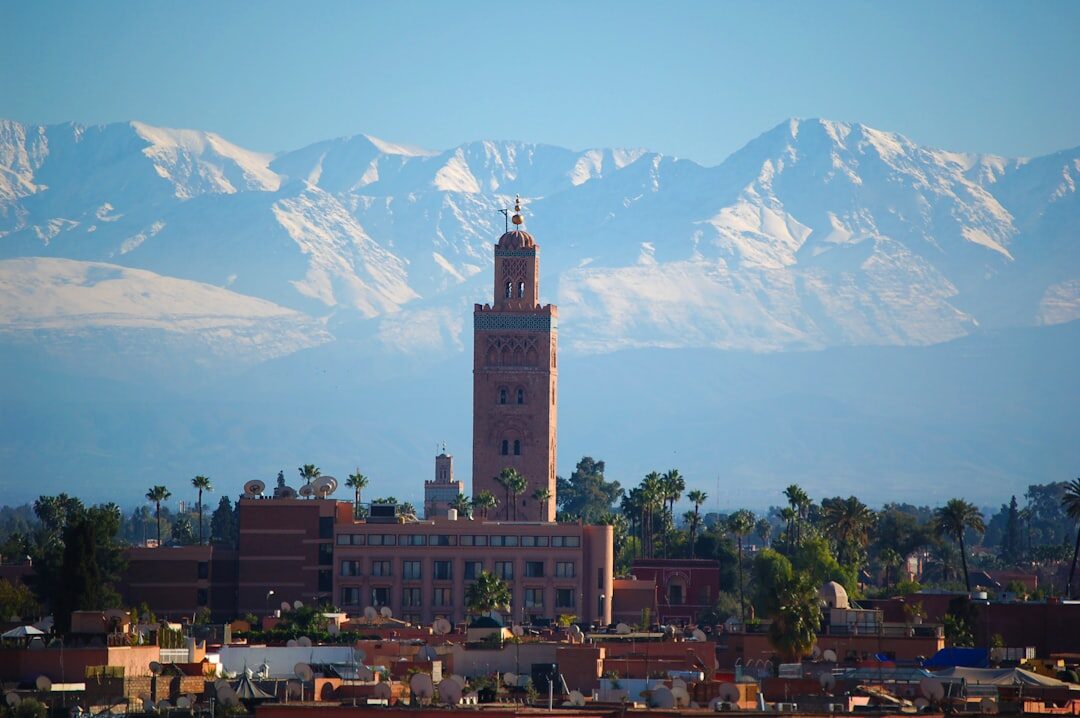
Walking is the best way to feel the city. The alleys twist, so download offline maps before you land and use the Koutoubia minaret to orient yourself. When a lane looks too tight or too dark, choose another. If someone tries to lead you somewhere for a fee, decline with a polite no and keep moving.
Common scams and how to sidestep them
None of these are dangerous, and none are unique to Marrakech. Knowing them in advance takes away their power.
- The “it is closed” routine. Someone tells you a square, tannery, or sight is shut for prayer or a festival, then offers to guide you the scenic way, which ends at a shop that pays them a commission. Nothing is closed. Smile, say no thank you, and keep walking.
- The friendly guide. A helpful stranger walks you through the souks, then expects payment. Decide before you engage whether you want a guide, and if not, keep your route to yourself.
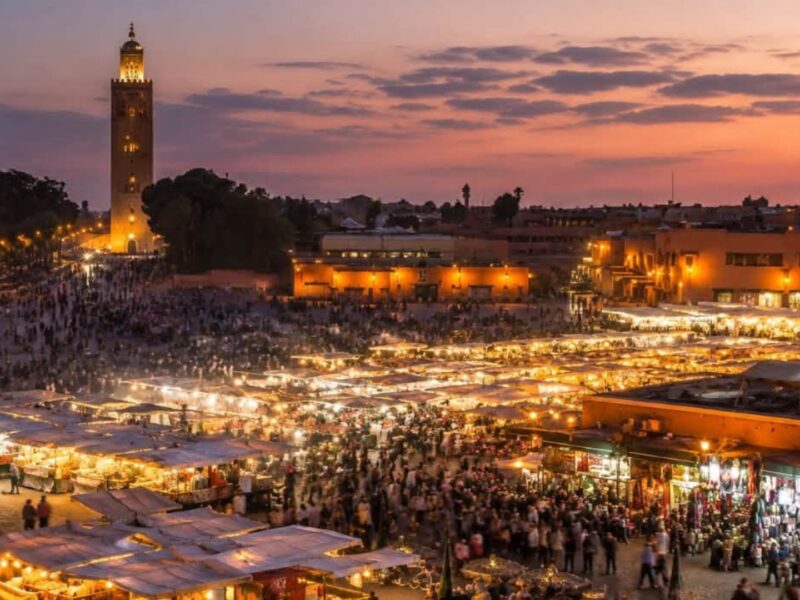
- The photo tip. Performers and henna artists in Jemaa el-Fnaa expect a coin the moment you raise a camera. Agree the tip first or skip the shot.
- The bill that grows. Check restaurant bills for items you did not order and ask for a calm correction. It is usually an honest mistake, handled easily.
- Street money exchange. Change cash only at banks or licensed bureaus, never with someone on the street.
The single best defense is to slow down. Most of these rely on speed and social pressure, and a pause breaks the whole thing. You are allowed to walk away mid-conversation.
Dress code and local etiquette
Marrakech blends deep tradition with heavy tourism. Modest dress shows respect and cuts down on unwanted attention. Light trousers or a long skirt with a breathable shirt works in most seasons, and covered shoulders near mosques is a safe default. Swimwear belongs at pools and beaches, not in the souks. Greet people with a simple hello, and a few words in French or Arabic go a long way.
When you are offered tea, accept if you have time, because it is a genuine gesture of welcome. If you are not buying, be honest but kind, and do not handle goods without a nod to the seller. Keep your voice soft in courtyards and narrow lanes, since the medina walls hold many homes.
Photography etiquette
Ask before you photograph people. A smile and a raised camera usually do the job, and when the answer is no, thank them anyway. Performers in Jemaa el-Fnaa will expect a tip for photos, so hand over a small coin if you shoot. Skip photos inside prayer spaces, and in shops confirm with the owner first, which often opens up a warmer conversation.
Phones, SIMs, and staying connected
Buy a local SIM or eSIM from a carrier shop or a mall kiosk for better pricing and clear paperwork. Data is cheap and city coverage is strong. Keep your original SIM somewhere safe, use messaging apps to confirm pickups and reservations, and download offline maps and key addresses before any day trip. If you split up in the souks, share your live location with a travel buddy.
Health, water, and hammams
Drink bottled or filtered water, and note that many riads offer refill stations. Pack rehydration salts in summer. The food is fresh and full of flavor, so choose busy stalls with high turnover and clean prep, and carry hand gel. A hammam is a highlight worth planning for: expect steam, black soap, a glove scrub, and warm rinses. Bring a swimsuit if it helps you relax, hydrate before and after, and book it for late afternoon on a heavy walking day so you float straight to dinner.
Safety, solo, and women travelers
Marrakech is friendly when you stay aware. Keep phones and wallets in front pockets or zipped bags, stick to main lit streets at night, and if you need help, ask a shopkeeper or an older vendor. Solo travel works well with a strong base and clear habits: pick a riad with great reviews on hospitality and security, arrange airport pickup for late arrivals, and use cooking classes or photo walks to meet people in easy settings. My guide to where to stay in Marrakech helps you choose that base.
For women travelers, covering shoulders and knees helps you blend in, and a light scarf handles sun, dust, and modesty at once. Expect some attention in crowded lanes, most of it harmless. A firm no with eye contact is usually enough, and stepping into a shop or cafe ends any persistence quickly, since staff are quick to help. Choose rides from official taxi ranks at night.
Budget moves that stretch your dirhams
- Book a riad just off the busiest lanes for lower rates and better sleep.
- Eat your big meal at lunch, when menus are cheaper and lines are shorter.
- Carry small bills for taxis and tips so you never overpay by accident.
- Pair a paid sight with a free walk through gardens or on rooftops.
- Buy water and fruit at local shops rather than only at cafes.
- Line up two backup restaurants near each stop to avoid pricey last-second choices.
What to pack for the city
Bring breathable layers, a light sweater for winter nights, and a hat and sunglasses year round. Closed shoes with grip handle tile and uneven lanes, and a modest swimsuit covers riad pools and hammams. Add a small tote or foldable bag for market finds, zip pouches to keep cash and cards organized, and a scarf that solves sun, dust, and modesty in one.
Travel responsibly
Choose tour operators that treat their staff well and cap group sizes. Skip wildlife products and antiques of unclear origin, and consider animal welfare before any photo or ride. Tip small and steady when service feels real, carry a reusable bottle to cut plastic, and respect prayer times near mosques by giving people room to move.
Your smooth arrival and first hour
Have your riad’s phone number ready and ask for a clear meeting point near a gate or cafe. Withdraw a little cash at the airport or a bank ATM in town, buy a SIM at a carrier counter, and save your route to the riad offline. Then drop your bags, drink a glass of mint tea, and set one simple goal for the first walk: the square at dusk, a garden in morning light, or a rooftop at sunset. Small wins build momentum.
Marrakech travel tips FAQ
Is Marrakech safe for tourists? Yes. Serious crime against visitors is rare, and the main issues are persistent sales pitches and minor scams rather than danger. Stay aware, keep valuables secure, and use lit main streets at night.
How much should I tip in Marrakech? Small and steady. A few dirhams for a helpful bag carry or a cafe, round up taxi fares, and tip more only when service genuinely stands out.
Do I need cash or are cards fine? Carry cash for taxis, stalls, and small shops. Cards work in many mid-range riads and restaurants, but never rely on them in the souks.
Marrakech is generous when you meet it halfway. Move with respect, keep your plans light but clear, and balance the busy lanes with quiet courtyards. When you are ready to add a taste of the desert or a coastal breeze, weigh up Agafay vs the Sahara or pick from the best day trips from Marrakech. So which of these tips do you wish someone had told you before your first trip to a place like this?