Brazil is falling for Morocco: what 54,000 South American visitors signal about the kingdom’s tourism future
Something shifted in Morocco’s tourism story during 2025, and it wasn’t just about the numbers getting bigger.
The kingdom welcomed nearly 20 million visitors last year, cementing its position as one of the most dynamic destinations in the Mediterranean and Africa. But buried within that headline figure lies a more interesting development: Brazil, a market geographically distant and historically minor in Morocco’s visitor mix, surged 35 percent year over year. That growth rate matters more than the raw count because it reveals something about where Morocco’s tourism industry is heading and what challenges await.
The Brazilian acceleration
Morocco recorded 54,475 Brazilian tourists in 2025, up from just under 38,000 in 2023. For a market that requires crossing an ocean and navigating time zones, that trajectory is unusually steep.
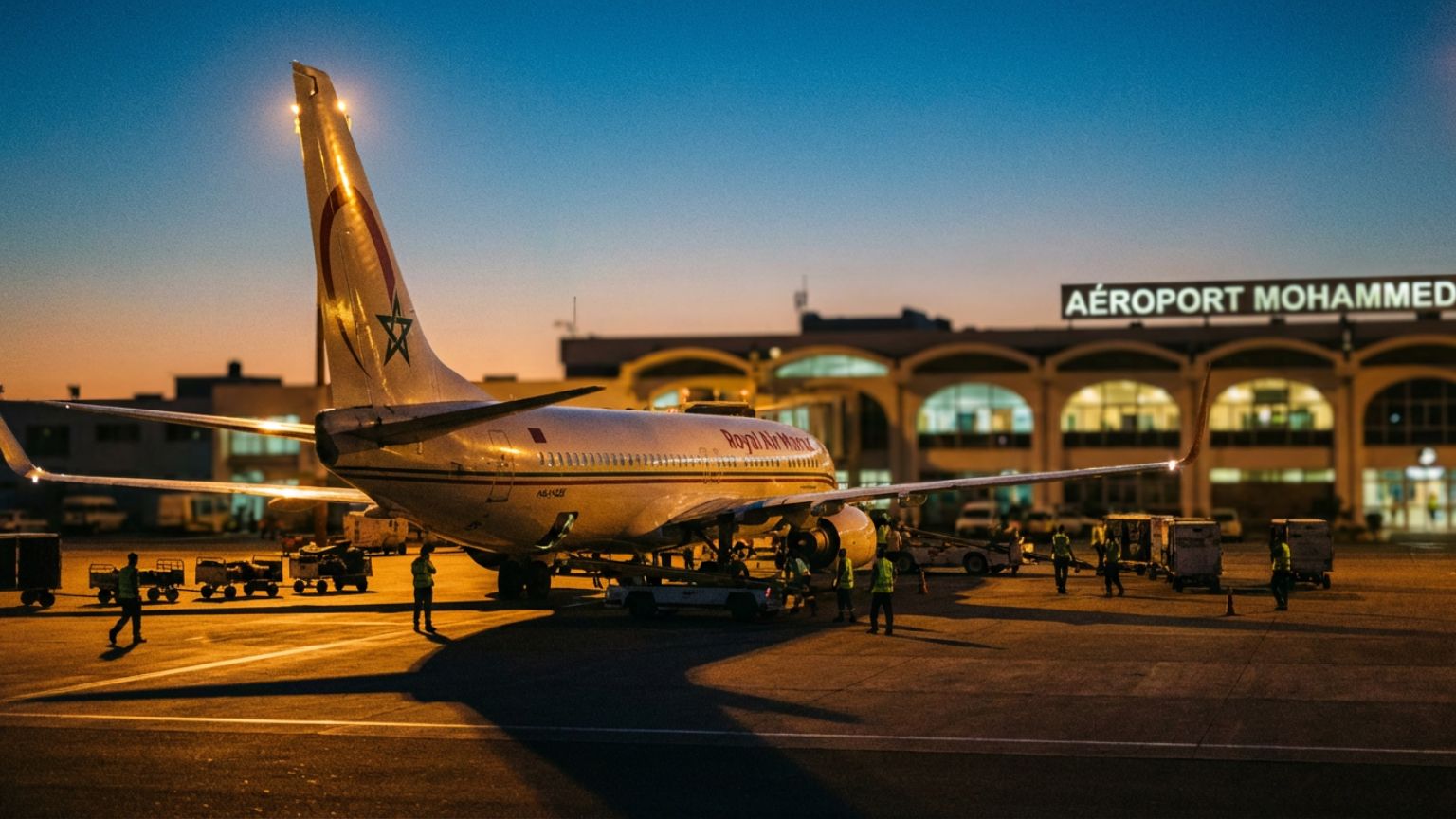
The catalyst is straightforward: Royal Air Maroc relaunched its Casablanca-São Paulo route more than a year ago, operating four weekly flights. In long-haul aviation, reliability often matters more than frequency. The restored connection gave tour operators and individual travelers confidence that Morocco was genuinely accessible rather than theoretically reachable through awkward European connections.
December 2025 confirmed the trend wasn’t seasonal. Brazilian arrivals rose 14 percent compared with the same month two years earlier. More telling still, overnight stays surged 47 percent, with Brazilians logging more than 84,000 hotel nights across Morocco throughout the year.
That gap between arrival growth (35 percent) and overnight stay growth (47 percent) tells its own story. Brazilians aren’t just showing up more frequently. They’re staying longer.
| Metric | 2023 | 2025 | Change |
|---|---|---|---|
| Brazilian tourist arrivals | ~38,000 | 54,475 | +35% |
| Hotel nights (Brazilian visitors) | ~57,000 | 84,000+ | +47% |
| Direct flights (weekly) | 0 | 4 | Route relaunched |
Why Brazilians connect with Morocco
The appeal cuts across several layers that resonate particularly with South American travelers.
Brazil’s own history of layered identities, blended cultures, and colonial complexity creates a framework for understanding Morocco that differs from the typical European tourist gaze. Brazilians often find the kingdom familiar in unexpected ways: the importance of hospitality culture, the centrality of food in social life, the negotiation between tradition and modernity.
“They ask more questions. They want to understand the place, not just photograph it,” observed a Casablanca-based hotel manager at a local industry forum late last year.
That curiosity translates into economic patterns that benefit Morocco broadly. Longer stays mean more spending. More questions mean more guides hired. The imperial cities of Marrakech and Fez attract initial interest, but Brazilian visitors increasingly explore desert landscapes, Atlantic beaches, and regional circuits beyond the established tourist cores.
The infrastructure reality check
All of this growth unfolded against a backdrop of scale that tested Morocco’s systems in ways that headline numbers don’t reveal.
In early February 2026, airlines operating into Morocco received operational guidance to plan round-trip fuel loads due to temporary supply constraints across all Moroccan airports. Wide-body aircraft were advised to uplift maximum fuel at departure. Narrow-body aircraft were told to plan outbound and return legs without relying on local refueling beyond safety minimums.
The restriction stemmed from weather-related port disruptions rather than any structural crisis. National fuel inventories remained above 617,000 tons, with additional shipments waiting offshore. Moroccan authorities moved quickly to reassure the industry.
But the episode exposed a reality that often hides behind tourism success stories: rapid growth stresses systems that remain invisible until they aren’t. Fuel logistics, ground handling capacity, and airport throughput become just as critical as marketing campaigns and airline partnerships.
Morocco is not unique in facing these challenges. Any destination experiencing double-digit annual growth eventually encounters infrastructure bottlenecks. What matters is whether the country addresses them proactively or reactively.
The 2026 strategy: skills over seats
Tourism Minister Fatim-Zahra Ammor has framed 2026 not as a victory lap but as a consolidation year, and the policy emphasis reflects that framing.
Air connectivity continues expanding. Eighty new routes opened in 2025, delivering over 12 million seats. Airlines have already secured 14.5 million seats for 2026, nearly a 20 percent increase. Contracts with tour operators alone are expected to generate 1.5 million passengers.
Yet the more interesting push is on the ground. Morocco is rolling out 26 new tourism training tracks this year, alongside the Kafaa program designed to certify professional experience for 5,000 workers already in the industry. The focus is explicit: growth without skilled labor dilutes experience quality, while growth with trained professionals compounds value.
Accommodation capacity is rising simultaneously. Forty-three thousand new beds have been added under the current tourism roadmap, with dozens of renovation projects underway. The Go Tourism program has approved roughly 1,400 projects ranging from outdoor experiences to gastronomy ventures to digital tourism initiatives.
This represents a different phase of tourism development than simply adding flights and hoping visitors find their way. Morocco is attempting to build the support systems that sustainable high-volume tourism requires.
What distant markets reveal
The Brazilian surge offers a window into Morocco’s evolving tourism identity that European markets cannot provide.
European visitors arrive through established patterns: short flights, mature tour operator relationships, decades of cultural familiarity. When France or Spain sends more tourists to Morocco, it reflects incremental shifts in existing dynamics.
When Brazil sends 35 percent more visitors despite the obstacles of distance and cost, it suggests something more fundamental is working. Morocco has become compelling enough to justify the journey for travelers who have plenty of closer options.
The same logic applies, with different specifics, to growing North American interest. These long-haul markets test whether Morocco’s appeal extends beyond convenience and into genuine destination magnetism.
The 20 million threshold
Morocco finished 2025 with 19.8 million tourists, tantalizingly close to the symbolic 20 million mark. The kingdom will almost certainly cross that threshold in 2026, likely by a comfortable margin given current booking trends.
But the number itself matters less than what Morocco does with the momentum. Twenty million visitors concentrated in the same handful of cities and circuits would strain infrastructure and dilute experiences. Twenty million visitors distributed across regions, supported by trained professionals, and connected through diversified access points represents a genuinely different achievement.
The Brazilian pattern, with its longer stays and regional exploration, suggests at least some portion of Morocco’s growth is heading in the latter direction. Whether that pattern can scale across other emerging markets remains the open question.
Morocco is no longer selling novelty alone. It is managing scale, cultivating distant markets, and building workforce capacity simultaneously. That’s a harder phase of tourism development than the recovery years that preceded it, and also a more consequential one.
As Morocco welcomes the world in record numbers while navigating the friction points that accompany rapid growth, how does the kingdom ensure that expansion enhances the travel experience rather than gradually eroding what made it special in the first place?