Morocco during Ramadan: the complete travel guide for visiting in the holy month
The call to prayer echoes across Marrakech as the sun dips below the horizon, and suddenly a city that seemed to be holding its breath exhales into celebration. Streets that fell quiet during the afternoon burst with life. Families stream toward home or gather in public squares. The smell of harira soup and fresh bread fills the air. This is Morocco during Ramadan, and it offers something no ordinary visit can match.
Many travelers avoid Morocco during the holy month, assuming closed restaurants, limited services, and cultural barriers will ruin their trip. They miss out on one of the most authentic windows into Moroccan life available anywhere. Ramadan transforms the country in ways that reveal its spiritual heart, family bonds, and communal values more clearly than any other time of year.
The practical challenges exist. Restaurants do close during daylight hours. Schedules shift. The rhythm of daily life inverts. But these changes create opportunities rather than obstacles for travelers willing to adapt. Smaller crowds at major attractions. Unique cultural experiences unavailable during other months. Evening celebrations that exceed anything ordinary nights offer. The trade-offs favor the curious traveler more than conventional wisdom suggests.
Understanding what to expect makes all the difference. This guide covers everything travelers need to know about visiting Morocco during Ramadan, from the religious significance that shapes the month to the practical realities of finding food, navigating attractions, and behaving respectfully. Whether you planned your trip around the holy month deliberately or discovered Ramadan coincides with your travel dates accidentally, the information here will help you make the most of an extraordinary opportunity.
The question is not whether Morocco remains worth visiting during Ramadan. It absolutely does. The question is whether you are ready to experience the country in one of its most genuine expressions.
Understanding Ramadan in Morocco: what travelers need to know
Ramadan holds a place in Moroccan culture that extends far beyond religious obligation. The ninth month of the Islamic lunar calendar commemorates the revelation of the Quran to the Prophet Muhammad and represents one of the five pillars of Islam. For the roughly 99 percent of Moroccans who identify as Muslim, this month carries profound significance that shapes everything from work schedules to family dynamics to social expectations.
The fast itself runs from dawn to sunset each day. During this period, observant Muslims abstain from food, water, smoking, and other physical pleasures. But reducing Ramadan to its restrictions misses the point entirely. Moroccans view this month as a time of spiritual renewal, charitable giving, family connection, and community celebration. The sacrifice of fasting creates space for reflection and gratitude that permeates daily life.
The transformation of daily rhythms during Ramadan can disorient travelers unfamiliar with the pattern. Mornings start later than usual as people recover from late nights. Shops that might normally open at nine push their hours to ten or eleven. Streets feel quieter. The usual bustle of commerce takes time to build.
Afternoons bring a noticeable slowdown. Energy levels drop as fasting bodies conserve resources. Many businesses close entirely between two and five in the afternoon. The medinas that normally buzz with activity fall into an almost dreamlike calm. This can frustrate travelers expecting constant access but rewards those who adjust their own pace accordingly.
The magic happens at sunset. As the call to prayer announces the breaking of the fast, Morocco awakens in ways ordinary evenings never match. Streets fill with people. Restaurants overflow. Markets come alive with food vendors and shoppers. The hours between iftar and midnight become the most vibrant of the day.
Late nights extend until suhoor, the pre-dawn meal eaten before the next day’s fast begins. Many Moroccans stay awake through the early morning hours, creating a nighttime culture that visitors from Western countries rarely experience elsewhere.
The communal nature of fasting strikes most visitors about Ramadan in Morocco. Fasting alone would be mere deprivation. Fasting together creates something closer to celebration. Families gather for iftar in numbers that might only occur on holidays elsewhere. Neighbors check on each other. Strangers share food with those who have less. The charitable dimension of Ramadan manifests visibly throughout Moroccan cities as mosques organize community meals and wealthy families sponsor feeding programs.
This communal spirit often extends to tourists. Invitations to join family iftars happen with surprising frequency. Shop owners offer dates or milk to foreign visitors as sunset approaches. The hospitality that defines Moroccan culture amplifies during this month rather than retreating behind religious boundaries.
Eating and drinking in Morocco during Ramadan: a visitor’s guide
The question every traveler asks first about visiting Morocco during Ramadan involves food. Where do you eat when most restaurants close during daylight hours? The answer proves more reassuring than many expect, though it requires understanding how the system works and where to find the options that exist.
The key lies in distinguishing between establishments serving locals and those catering to tourists. Most Moroccan restaurants close during daylight hours because their customer base is fasting. But hotels serve guests regardless of the calendar. Riads provide meals to visitors throughout the day. Tourist-oriented restaurants in major cities maintain operations, often discreetly behind drawn curtains or partially closed doors.
Hotel restaurants operate normally for guests throughout Ramadan. Breakfast buffets appear on schedule. Lunch menus remain available. Room service answers calls. The dining experience inside your accommodation differs little from any other time of year. This makes hotels the most reliable daytime dining option for travelers concerned about access to food.
Riads similarly continue serving guests. Most riads include breakfast in their rates and offer lunch and dinner upon request. Asking about meal availability when booking ensures you understand what your accommodation provides. Many riad owners enjoy sharing Ramadan traditions with guests, explaining the significance of the month while serving meals that bridge the cultural gap.
Tourist restaurants in areas like the Marrakech medina or Fes nouvelle ville often stay open specifically for foreign visitors. These spots typically operate with discretion, avoiding obvious signs of activity that might seem disrespectful to fasting locals. Asking your accommodation for recommendations usually yields several walkable options.
Grocery stores and supermarkets remain open during Ramadan with somewhat reduced hours. Stocking up on fruit, bread, cheese, and snacks allows self-sufficient eating for travelers with apartments or room refrigerators. The large Carrefour and Marjane supermarkets in major cities operate throughout the day. Smaller neighborhood shops typically open in the morning, close during the afternoon slowdown, and reopen before iftar.
The transformation at sunset changes everything about eating in Morocco during Ramadan. Restaurants that sat dark all afternoon blaze with light and activity. Street food stalls materialize in squares and along medina streets. The entire country seems to reach for sustenance simultaneously.
Iftar offers the best dining value and experience of the day. Many restaurants prepare special Ramadan menus featuring traditional dishes served specifically during the holy month. The quality often exceeds regular offerings as chefs put extra care into these significant meals. Prices sometimes include multiple courses that would cost more if ordered separately during ordinary times.
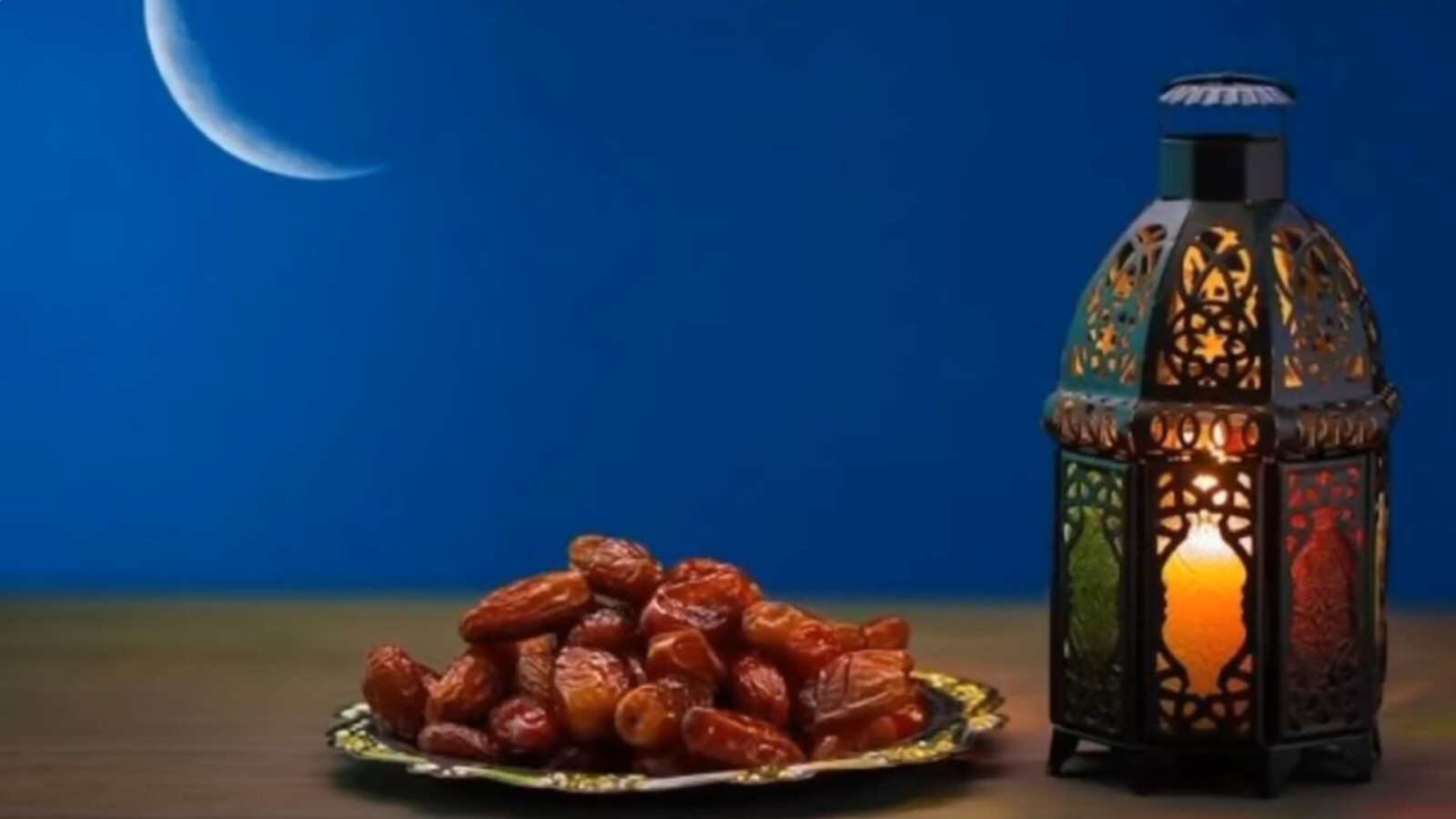
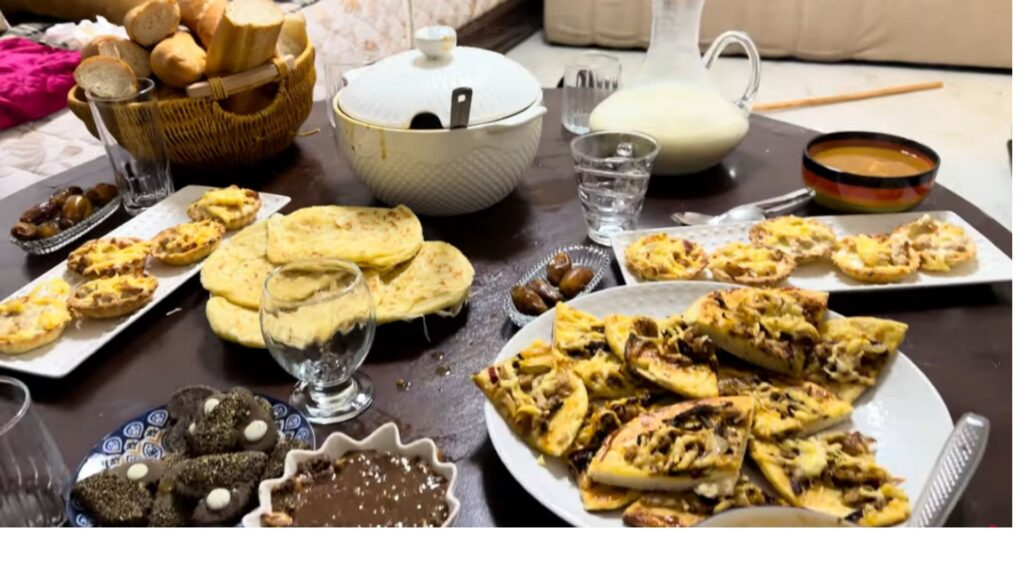
The traditional iftar sequence follows a specific pattern. Moroccans typically break their fast with dates and milk, following the Prophet’s example. Harira soup comes next, the tomato and lentil broth that appears on virtually every Ramadan table. Chebakia, honey-soaked pastries shaped like flowers, provide sweetness. The main meal follows, often featuring tagines, couscous, or grilled meats.
Suhoor creates another dining window for adventurous travelers. This pre-dawn meal happens in the early morning hours before the fast resumes. Certain areas in major cities buzz with activity well past midnight during Ramadan, with restaurants staying open until three or four in the morning. The atmosphere differs from iftar, feeling more relaxed and less rushed.
Respecting those who fast matters throughout these eating decisions. While options exist for daytime dining, discretion remains important. Eating inside restaurants, hotels, or private spaces presents no problem. Walking through the medina with a sandwich in hand does. Drinking water on a street corner while fasting shopkeepers work nearby misses the point of cultural sensitivity. The distinction lies between meeting your needs privately and flaunting consumption publicly.
Most Moroccans understand that tourists are not Muslim and do not fast. They do not expect visitors to starve. What they appreciate is awareness that something significant is happening and that their guests acknowledge it through thoughtful behavior.
Experiencing iftar in Morocco: how tourists can join the nightly feast
The moment the sun touches the horizon and the adhan sounds from mosque minarets across the city, something magical happens. Streets that fell quiet during the afternoon burst with life as millions break their fast together. Iftar represents far more than a meal. It embodies community, gratitude, and celebration repeated nightly throughout the holy month.
The word iftar comes from the Arabic root meaning to break, specifically breaking the daily fast that Muslims observe from dawn until sunset. But reducing iftar to its literal definition misses everything that makes it special. Iftar is the exhale after a day of restraint. It is the moment when physical sacrifice transforms into spiritual reward. It is families gathering around tables laden with dishes prepared with extra care.
For Moroccans, iftar carries emotional weight that outsiders can sense even without fully understanding. The anticipation builds throughout the late afternoon. Kitchens fill with activity as cooks time dishes to be ready precisely at sunset. Television channels broadcast countdowns. Everyone watches the sky. Then the call to prayer sounds, and everything changes. The first bite of food after a day without eating produces satisfaction that ordinary meals cannot match.
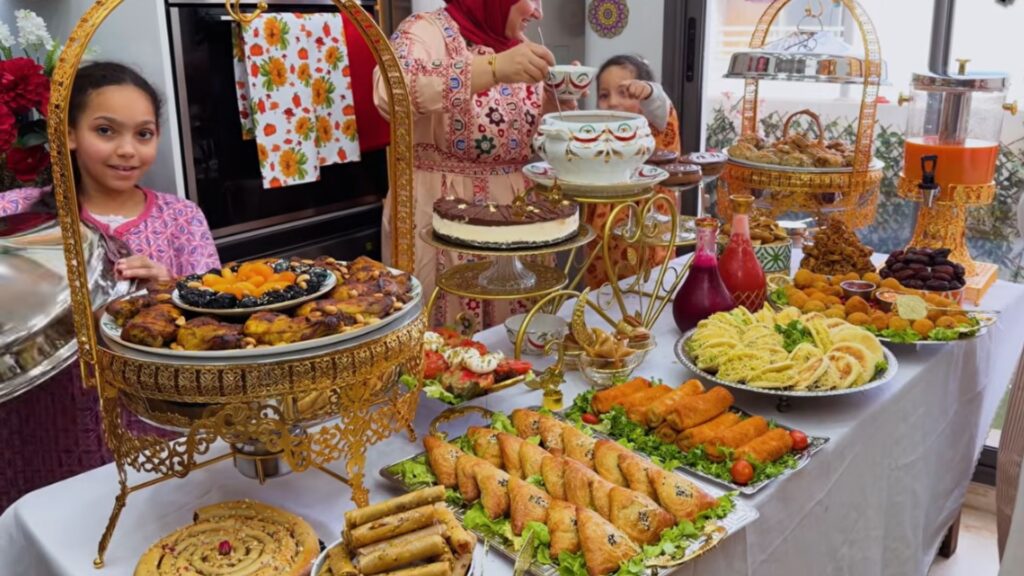
The traditional iftar sequence follows a progression that varies slightly by family and region but maintains certain constants nationwide. The fast breaks with dates and milk, following the tradition of the Prophet Muhammad. Three dates typically start the meal, their natural sugars providing quick energy to bodies that have gone without fuel all day. Harira comes next, the tomato and lentil soup that appears on virtually every Moroccan table during Ramadan. Families guard their harira recipes across generations, each claiming theirs surpasses all others.
Chebakia follows or accompanies the harira. These flower-shaped pastries, deep fried and soaked in honey with sesame seeds, provide sweetness that contrasts the savory soup. The main course arrives after the initial dishes settle. Tagines, couscous, grilled meats, and other substantial dishes fill the table. This is when the real eating begins, often lasting an hour or more as diners work through multiple offerings.
Public iftar gatherings happen throughout Morocco beyond family homes. Mosques organize community meals for those who cannot afford their own. Charitable organizations set up tents in squares and parks. These public iftars welcome anyone, including tourists willing to participate respectfully.
Jemaa el-Fna in Marrakech transforms at sunset during Ramadan. The famous square fills with food stalls offering iftar specials alongside its usual offerings. Families spread blankets and share meals in the open air. The atmosphere combines the plaza’s carnival energy with the sacred significance of the fast’s end.
Restaurant iftar experiences offer more structured options for travelers preferring guidance through unfamiliar customs. Many restaurants prepare special Ramadan menus featuring traditional dishes and the proper sequence of courses. Hotel restaurants particularly cater to tourists wanting the iftar experience in Morocco without navigating complex etiquette independently.
The most meaningful iftar experience happens when a Moroccan family invites you into their home. These invitations occur more frequently than travelers expect, particularly for those who spend time in conversation with shopkeepers, guides, or other local contacts. Accepting a home iftar invitation means entering something significant. The family has likely spent considerable effort preparing, and your presence honors their hospitality.
Arriving on time means arriving before sunset. The family will want to break fast together at the precise moment the adhan sounds, and showing up late disrupts this timing. Bringing a gift shows appreciation without being expected. Pastries, fruit, or flowers all work well. During the meal, follow the host’s lead. They will indicate when to begin eating and will likely serve you directly, placing the best portions on your plate.
Etiquette for tourist participation requires sensitivity without requiring perfection. Dress modestly for any iftar situation. Avoid eating or drinking until the call to prayer signals the fast’s end. Express gratitude genuinely and often. Thank hosts for their hospitality. Compliment the food specifically rather than generically. These gestures matter more than knowing every custom perfectly.
Photography during iftar requires particular care. Ask permission before photographing people or their food. The moment of breaking fast carries religious significance that some prefer not to have captured by strangers. Others welcome documentation of their celebration. Asking first prevents offense and often yields better photographs.
Participating in iftar offers something that ordinary tourist experiences cannot provide. It places you inside a cultural practice rather than outside looking in. It creates connections with people through shared experience rather than commercial transaction. It reveals values and priorities that explain much about Moroccan identity.
What’s open in Morocco during Ramadan: attractions, tours, and activities
Planning sightseeing during Ramadan requires adjusting expectations and schedules, but it certainly does not mean missing out. Museums operate on modified hours. Guided tours remain available, often with smaller crowds than usual. The medinas take on a different character, quieter during the day and vibrant after dark. Knowing what stays open and when helps travelers maximize their experience.
Ramadan does not shut Morocco down for tourists. It shifts the timing. Most major attractions remain open throughout the holy month. Museums, historical sites, and monuments continue welcoming visitors. What changes are the hours. Many sites open later in the morning and close earlier in the afternoon, reflecting the energy patterns of fasting staff and reduced local visitation.
The practical impact varies by attraction type. Government-run museums typically maintain consistent if abbreviated schedules. Typical Ramadan hours run from approximately 10am to 3pm or 4pm, compared to the usual 9am to 6pm schedule. Some museums close for an extended lunch period. Others simply shorten the day at both ends.
Historical sites like the Saadian Tombs, Medersa Ben Youssef, and the Kasbah of the Udayas follow similar patterns. These outdoor and semi-outdoor attractions generally stay open longer than indoor museums, sometimes maintaining near-normal hours since they require less staffing. Checking specific hours before visiting prevents wasted trips, though hotel concierges and local tourism offices provide current information readily.
The assumption that everything closes keeps many tourists away, which creates opportunity for those who come anyway. Attractions that normally require waiting in line become almost private. Guides have time for extended explanations. The experience improves precisely because others stayed home.
Guided tours continue operating throughout Ramadan with adjustments that often benefit participants. Walking tours of the medinas shift their timing. Morning tours often start later, around 10am rather than 9am. Afternoon tours may end earlier or shift to evening departures that showcase the medina’s post-iftar energy.
Day trips to destinations like the Atlas Mountains, Essaouira, or Chefchaouen run normally. Drivers and guides manage their fasting while working, taking breaks as needed. Travelers should show consideration by not eating conspicuously in vehicles or during stops, but the trips themselves proceed without major changes.
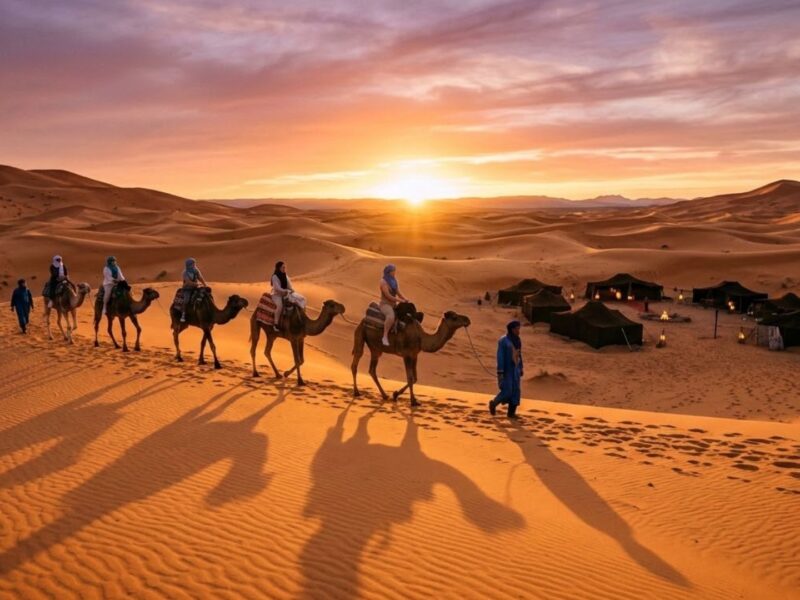
Desert tours require more planning. Multi-day excursions to the Sahara continue, though the camps adapt their meal service around iftar timing. Some travelers find the desert experience enhanced during Ramadan, with camp staff sharing their evening meals and explaining traditions around the fire.
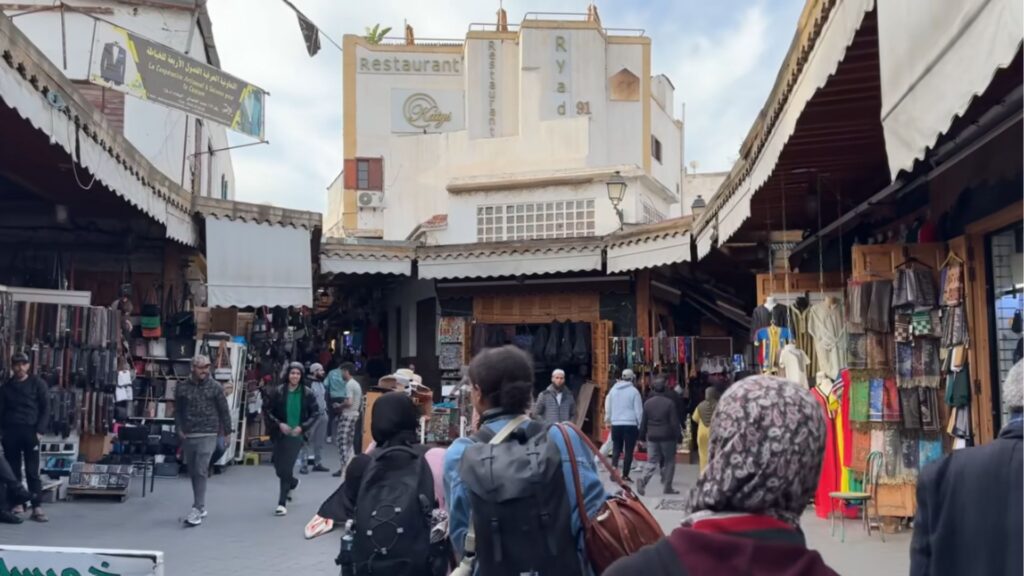
The ancient medinas undergo the most dramatic transformation during Ramadan. Daytime medinas feel dreamlike. Shops that would normally compete for attention sit quiet or closed entirely. The maze of passages that can feel overwhelming becomes navigable, even peaceful. Photography opportunities improve as crowds thin and the architecture stands clear.
Some shops do open, particularly those catering primarily to tourists. Carpet merchants, craft sellers, and souvenir shops often maintain reduced hours for foreign customers. The aggressive salesmanship that can characterize medina shopping typically softens, as fasting vendors lack energy for extended negotiations.
The transformation at sunset reverses everything. As iftar approaches, shops fling open their doors. The streets fill with Moroccans shopping for evening meals and celebrating the night hours. Evening medina exploration during Ramadan offers experiences unavailable at other times. The energy feels different, more festive and communal.
Traditional hammams adjust their operations during Ramadan but remain available to visitors. The timing shifts significantly, with many hammams closing during afternoon hours when fasting staff need rest. Tourist-oriented hammams in hotels and riads maintain more consistent hours. Booking treatments for morning or evening sessions ensures availability.
Religious sites see intensified activity during Ramadan rather than closure. However, non-Muslims remain prohibited from entering most mosques regardless of season. The Hassan II Mosque in Casablanca continues offering tours to non-Muslim visitors during Ramadan as the famous exception to this rule.
Understanding what stays open in Morocco during Ramadan helps with practical planning. The key involves adapting your own schedule rather than fighting the local rhythm. Early mornings work well for outdoor attractions and photography when light is good and energy is high. Late mornings suit museum visits when doors have opened and staff have settled in. Afternoons invite rest. Evenings become prime time for medina exploration, shopping, and social activities.
Ramadan across Morocco: how different cities observe the holy month
The Ramadan experience varies significantly depending on where you choose to base yourself in Morocco. Each city brings its own character to the holy month, shaped by local traditions, tourism infrastructure, and the particular blend of commerce and spirituality that defines the place. Choosing the right destination shapes everything about your Ramadan journey.
Marrakech handles Ramadan differently than anywhere else in Morocco. The city’s deep investment in tourism infrastructure means services continue with minimal disruption. Hotels operate normally. Tourist restaurants stay open. Guides remain available. The machinery of hospitality keeps turning even as the local population fasts.
This continuity makes Marrakech the easiest Ramadan destination for travelers concerned about practical challenges. Finding daytime meals requires little effort. Attractions maintain accessible hours. The learning curve for navigating the holy month flattens considerably compared to less tourist-oriented cities.
But Marrakech also delivers genuine Ramadan atmosphere for those who seek it. Jemaa el-Fna transforms at sunset into something even more spectacular than usual. The famous square fills with iftar gatherings, food stalls, and celebratory energy that exceeds ordinary nights. Families spread blankets on the ground. Musicians perform. The smell of harira and grilled meats fills the air. The medina beyond the main square shows more pronounced changes, with afternoon quiet giving way to evening surges of activity.
Fes approaches Ramadan with a seriousness that reflects its status as Morocco’s spiritual capital. The city that houses the world’s oldest university and some of Islam’s most revered scholars treats the holy month with particular reverence. Visitors sense this immediately.
The ancient medina of Fes el-Bali grows quieter during Ramadan than perhaps any other time of year. The maze of nine thousand streets that normally buzzes with commerce falls into contemplative calm during fasting hours. Craftsmen work slowly or not at all. The calls to prayer echo through passages usually filled with competing sounds.
Evening transforms the Fes medina completely. After iftar, families flood into the streets. The atmosphere combines celebration with devotion in ways that feel distinctly different from Marrakech’s more carnival-like energy. Conversations drift toward faith and family. The presence of the great mosques and medersas weighs more heavily.
Tourism infrastructure in Fes exists but operates less extensively than in Marrakech. Fewer restaurants cater specifically to daytime tourist dining. Travelers need slightly more self-sufficiency and flexibility. The reward for accepting these challenges comes in authenticity. Fes during Ramadan feels less performed and more lived.
Casablanca follows yet another pattern. Morocco’s largest city and economic center maintains a rhythm shaped by business rather than tradition. Corporate offices continue operations. International companies with non-Muslim employees keep normal schedules. The commercial continuity makes Casablanca surprisingly easy for travelers who simply want Morocco without significant schedule adjustments.
Restaurants catering to business travelers and the international community remain open during daylight hours with less discretion required than elsewhere. The infrastructure of a working modern city persists through the holy month. The flipside involves missing much of what makes Ramadan special. Casablanca lacks the concentrated medina atmosphere where the transformation becomes most visible.
Chefchaouen offers something entirely different. The blue city in the Rif Mountains creates intimacy that larger cities cannot match. The compact medina means everyone seems to know everyone. Ramadan becomes a community affair rather than an anonymous urban observance. Daytime sees the blue-washed streets fall genuinely quiet. Evenings bring the small plaza at the medina’s heart to life with gatherings that feel more neighborhood block party than city celebration.
Coastal towns like Essaouira follow patterns shaped by their tourist economies and relaxed atmospheres. These destinations generally maintain more services during Ramadan than their size might suggest, catering to European visitors who favor them. The beach and rampart walks remain accessible. Evening brings the medina to life without the intensity of interior cities.
Desert camps adapt their services around the holy month, often creating memorable experiences in the process. Guides and camel drivers fast during the day while still working. Evening in the desert during Ramadan brings particular magic as camp staff break their fast under open skies and share meals with guests around fires beneath the stars.
The choice between Ramadan in Marrakech, Fes, or other cities depends on what you seek from the experience. Travelers prioritizing convenience should choose Marrakech. Those seeking spiritual and cultural depth should choose Fes. Those craving intimacy and connection should explore smaller towns. Each destination offers a different window into how Morocco observes its most sacred month.
Ramadan etiquette in Morocco: respect, dress code, and practical tips
Traveling respectfully during Ramadan requires awareness rather than anxiety. Simple considerations around eating, drinking, dress, and behavior help visitors show appreciation for the holy month while still enjoying everything Morocco offers. Most Moroccans understand that tourists are not fasting and do not expect visitors to follow every religious observance. What they appreciate is sensitivity and genuine respect.
The eating and drinking question generates more tourist anxiety than any other aspect of Ramadan etiquette. The rules are simpler than many fear, revolving around discretion rather than deprivation. Eating and drinking in public during fasting hours shows disrespect for those sacrificing around you. Walking through the medina with a sandwich in hand, sipping water on a street corner, snacking visibly while locals work hungry, these behaviors demonstrate insensitivity that Moroccans notice and remember.
The solution involves eating privately rather than not eating at all. Hotels, riads, and tourist restaurants serve meals behind closed doors where consumption does not confront fasting observers. Your accommodation provides a natural space for daytime eating and drinking. What happens inside does not offend anyone outside.
Carrying water for hydration makes sense, particularly in warm weather. Drink discreetly when needed rather than ostentatiously. Step into a doorway or turn away from crowds. The goal involves meeting your needs without rubbing your freedom in the faces of those who have temporarily surrendered theirs.
Dress code considerations intensify during Ramadan without fundamentally changing year-round expectations. Morocco generally expects modest dress from visitors regardless of season. The holy month simply raises the stakes on choices that matter throughout the year.
Women should cover shoulders and knees at minimum throughout public spaces during Ramadan. Loose-fitting clothes that do not cling or reveal work better than technically modest but form-fitting alternatives. Many female travelers carry a light scarf for additional coverage when entering more conservative spaces.
Men face fewer restrictions but should still avoid sleeveless shirts and very short shorts in traditional areas. The beach resort rules that might apply in Agadir do not translate to the medinas of Fes or Marrakech, particularly during the holy month.
The dressed-up evening culture of Ramadan raises another consideration. Moroccans often wear their finest clothes for iftar gatherings and evening socializing. Visitors participating in these occasions should dress appropriately for the elevated atmosphere. Clean, neat attire that would suit a nice dinner back home generally works.
Photography creates particular sensitivities during Ramadan. The holy month is not a performance staged for tourist documentation. Many Moroccans prefer privacy during religious observance. Always ask permission before photographing people. This rule applies year-round but matters more during Ramadan when subjects may be engaged in prayer, fasting, or other spiritually significant activities.
Photographing people eating at iftar requires sensitivity. The moment of breaking fast carries religious significance that some prefer not to have captured by strangers. Others welcome documentation of their celebration. Asking first prevents offense and often yields better photographs as subjects relax into genuine rather than startled expressions.
Behavioral awareness beyond eating and dress benefits from heightened attention during Ramadan. Loud or boisterous behavior disrupts the contemplative atmosphere many Moroccans cultivate. This does not mean whispering through your trip, but it does mean moderating volume in public spaces. The afternoon quiet that settles over cities reflects both fasting fatigue and spiritual focus.
Public displays of affection should be minimized more carefully than usual. Morocco already expects restraint in this area compared to Western norms. Ramadan increases expectations. Holding hands passes without comment. Extended kissing or embracing in public spaces does not.
Alcohol consumption requires particular discretion. While tourist establishments serve alcohol to guests, drinking visibly in public creates significant offense during the holy month. Keep alcoholic beverages inside your accommodation or licensed restaurants. Never appear intoxicated in public areas. Smoking follows similar guidelines.
Tipping customs change subtly during Ramadan in ways thoughtful visitors notice. Many Moroccans increase their charitable giving during the holy month. Standard tipping for services should continue and perhaps increase slightly. The additional effort required to serve tourists while fasting justifies generous acknowledgment.
Mosque and religious site conduct requires elevated attention. Non-Muslims cannot enter most Moroccan mosques regardless of season. The areas outside mosques deserve respect even when you cannot enter. Prayer times bring streams of worshippers. Positioning yourself conspicuously at mosque entrances during prayer creates obstruction and offense.
When mistakes happen, and they will for any first-time visitor, gracious acknowledgment matters more than perfect avoidance. If you realize you have eaten or drunk publicly when you should not have, simply stop and move to a private space. If someone indicates that your behavior has caused offense, respond with apology rather than defensiveness.
Most Moroccans extend considerable patience to tourists navigating unfamiliar cultural expectations. They recognize effort and intention even when execution falls short. The visitor clearly trying to show respect earns forgiveness for inevitable missteps. Understanding proper Ramadan etiquette in Morocco helps minimize those missteps while maximizing positive interactions throughout the journey.
Your Ramadan journey begins now
Morocco during Ramadan offers something no ordinary visit can match. The holy month reveals dimensions of Moroccan life that remain hidden during other times of year. The spiritual depth, family bonds, and communal values that define the culture become visible in ways ordinary tourism never captures. The practical challenges exist, but they pale against the rewards awaiting travelers willing to adapt.
The rhythm of Ramadan life requires adjustment. Days start later. Afternoons slow down. Evenings explode with energy and celebration. Fighting this rhythm leads to frustration. Embracing it opens doors that remain closed during ordinary visits. The traveler who sleeps late, rests during the afternoon lull, and ventures out after sunset experiences Morocco in its most authentic expression.
The concerns that keep many travelers away prove less significant than they appear from a distance. Food remains available for those who know where to look. Attractions stay open with modified hours. Tours continue operating. The infrastructure of tourism adapts rather than disappears. Meanwhile, the crowds that typically pack major sites thin dramatically, creating space for more personal experiences.
The cultural access Ramadan provides exceeds anything money can buy during ordinary months. Iftar invitations happen spontaneously. Conversations about faith and family emerge naturally. The walls between tourist and local lower as the communal spirit of the holy month extends to visitors who approach with respect and curiosity. These connections create memories that outlast any photograph.
The choice of destination shapes the Ramadan experience significantly. Marrakech offers ease and accessibility alongside genuine atmosphere. Fes delivers spiritual depth and authenticity for those willing to navigate fewer tourist services. Smaller towns like Chefchaouen provide intimacy impossible in larger cities. Each option rewards different priorities and travel styles.
Respectful behavior makes the difference between meaningful participation and awkward observation. The guidelines are straightforward. Eat and drink privately during fasting hours. Dress modestly. Moderate volume and behavior in public spaces. Show genuine interest in traditions rather than treating them as obstacles. These simple considerations earn appreciation that transforms every interaction.
The question of whether to visit Morocco during Ramadan deserves reconsideration by travelers who dismissed it without investigation. The holy month does not diminish the Morocco experience. It deepens it. The inconveniences prove minor. The rewards prove substantial. The travelers who come anyway consistently report experiences that exceed their other Morocco visits.
For those ready to begin planning, understanding the practical aspects of eating in Morocco during Ramadan provides the foundation for comfortable travel. Knowing where to find food, how dining options shift throughout the day, and what the iftar experience involves eliminates the uncertainty that holds many travelers back. From that practical foundation, the cultural riches of Ramadan become accessible rather than intimidating.
The call to prayer will sound at sunset over whichever city you choose. The streets will fill with celebration. The aroma of harira and fresh bread will drift through the air. Families will gather. Strangers will become temporary friends over shared meals. The question is whether you will be there to experience it.
What aspect of visiting Morocco during Ramadan intrigues you most, and what remaining concerns might you need addressed before committing to a holy month journey?