Ramadan etiquette in Morocco: how to travel respectfully during the holy month
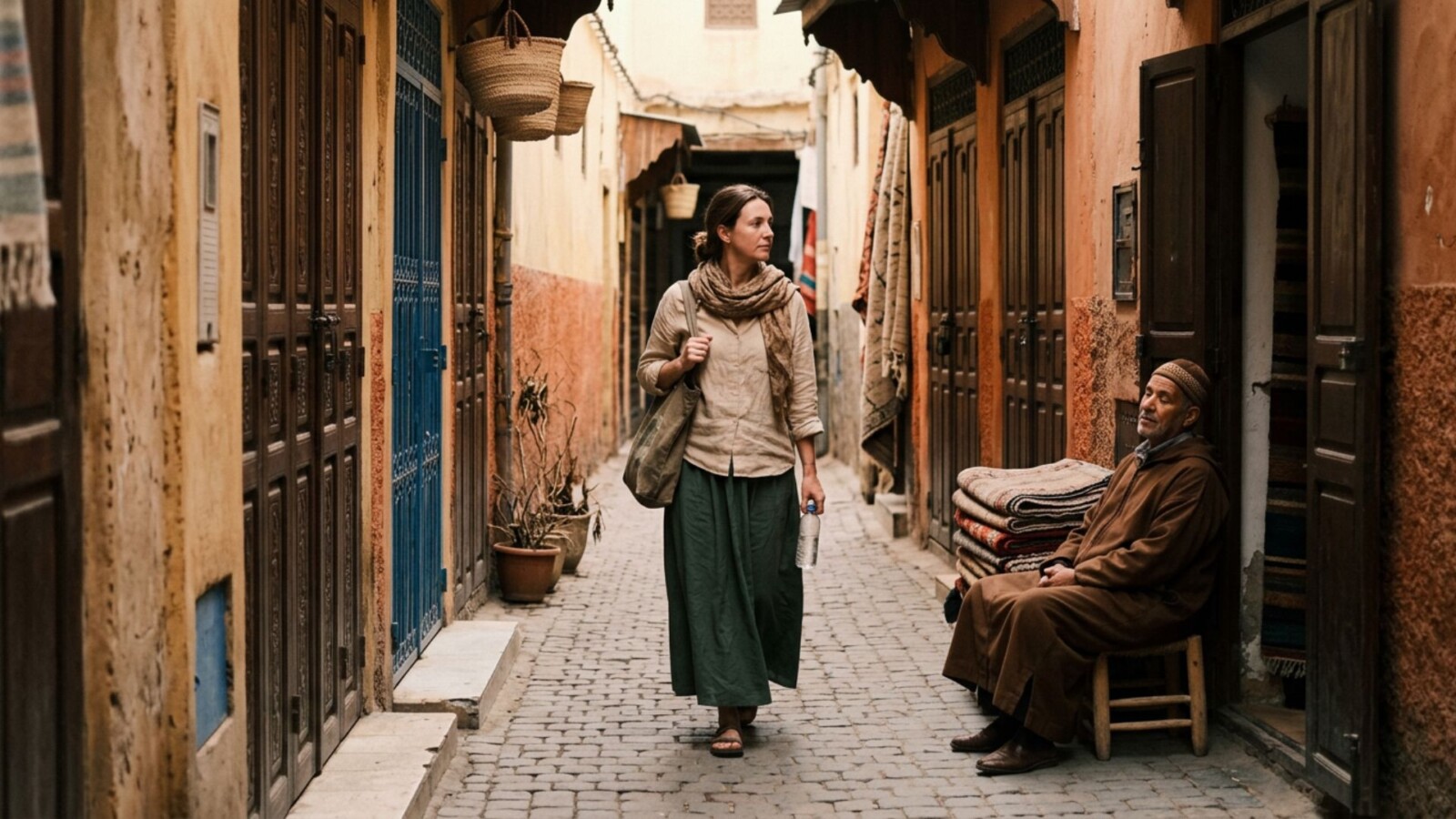
Traveling respectfully during Ramadan requires awareness rather than anxiety. Simple considerations around eating, drinking, dress, and behavior help visitors show appreciation for the holy month while still enjoying everything Morocco offers. Most Moroccans understand that tourists are not fasting and do not expect visitors to follow every religious observance. What they appreciate is sensitivity and respect. Mastering basic etiquette enhances every aspect of experiencing Morocco during Ramadan, creating positive interactions and deeper cultural connections throughout the journey.
The eating and drinking question
No aspect of Ramadan etiquette generates more tourist anxiety than food and beverage consumption. The rules are simpler than many fear, revolving around discretion rather than deprivation.
Eating and drinking in public during fasting hours shows disrespect for those sacrificing around you. Walking through the medina with a sandwich in hand, sipping water on a street corner, snacking visibly while locals work hungry, these behaviors demonstrate insensitivity that Moroccans notice and remember.
The solution involves eating privately rather than not eating at all. Hotels, riads, and tourist restaurants serve meals behind closed doors where consumption does not confront fasting observers. Your accommodation provides a natural space for daytime eating and drinking. What happens inside does not offend anyone outside.
Carrying water for hydration makes sense, particularly in warm weather. Drink discreetly when needed rather than ostentatiously. Step into a doorway or turn away from crowds. The goal involves meeting your needs without rubbing your freedom in the faces of those who have temporarily surrendered theirs.
“I watched a tourist eat an ice cream cone walking through the Fes medina at midday during Ramadan,” recalled Ahmed, a shopkeeper who has worked in the same location for thirty years. “Nobody said anything to him. But everyone noticed. We talked about it for days. One person’s thoughtlessness shaped how we saw all tourists that week.”
The impact of individual behavior extends beyond the moment. Travelers represent their countries and all visitors who follow. Respectful conduct builds goodwill. Careless conduct damages it.
Dress code considerations
Morocco generally expects modest dress from visitors regardless of season. Ramadan intensifies these expectations without fundamentally changing them. The holy month simply raises the stakes on choices that matter year-round.
Women should cover shoulders and knees at minimum throughout public spaces during Ramadan. Loose-fitting clothes that do not cling or reveal work better than technically modest but form-fitting alternatives. Many female travelers carry a light scarf for additional coverage when entering more conservative spaces.
Men face fewer restrictions but should still avoid sleeveless shirts and very short shorts in traditional areas. The beach resort rules that might apply in Agadir do not translate to the medinas of Fes or Marrakech, particularly during the holy month.
The dressed-up evening culture of Ramadan raises another consideration. Moroccans often wear their finest clothes for iftar gatherings and evening socializing. Visitors participating in these occasions should dress appropriately for the elevated atmosphere. Clean, neat attire that would suit a nice dinner back home generally works.
Religious sites require the most conservative coverage. Women visiting mosques that permit non-Muslim entry, like the Hassan II in Casablanca, must cover their hair in addition to limbs. Men should wear long pants. These requirements exist year-round but see stricter enforcement during Ramadan.
| Context | Women | Men |
| Medina streets daytime | Shoulders and knees covered | Long pants, sleeved shirt |
| Evening iftar gatherings | Modest dress, nice attire | Smart casual minimum |
| Hotels and riads | Flexible within property | Flexible within property |
| Mosques and religious sites | Hair covered, long sleeves, long skirt/pants | Long pants, sleeved shirt |
| Beach areas | Depends on location | Depends on location |
| Desert camps | Modest layers for temperature | Modest layers for temperature |
Photography etiquette
Cameras and phones create particular sensitivities during Ramadan. The holy month is not a performance staged for tourist documentation. Many Moroccans prefer privacy during religious observance.
Always ask permission before photographing people. This rule applies year-round but matters more during Ramadan when subjects may be engaged in prayer, fasting, or other spiritually significant activities. A simple gesture toward your camera with raised eyebrows communicates the question across language barriers.
Photographing people eating at iftar requires sensitivity. The moment of breaking fast carries religious significance that some prefer not to have captured by strangers. Others welcome documentation of their celebration. Asking first prevents offense and often yields better photographs as subjects relax into genuine rather than startled expressions.
Mosque exteriors can be photographed freely. Interior photography where permitted varies by location and timing. During prayer times, photography inside mosques generally creates unwelcome disruption. The Hassan II Mosque tours include guidance on appropriate photography moments.
Street scenes during evening hours present fewer concerns. The public celebration atmosphere of post-iftar Morocco invites documentation. People expect cameras in tourist areas. The prohibition applies to intrusive close-ups of individuals, not to capturing the general festive atmosphere.
Behavioral awareness
Beyond eating and dress, general behavior during Ramadan benefits from heightened awareness. The holy month asks Moroccans to elevate their conduct alongside their abstinence. Visitors who match this elevation earn appreciation.
Loud or boisterous behavior disrupts the contemplative atmosphere many Moroccans cultivate during Ramadan. This does not mean whispering through your trip, but it does mean moderating volume in public spaces. The afternoon quiet that settles over cities reflects both fasting fatigue and spiritual focus. Respecting that quiet shows understanding.
Public displays of affection should be minimized more carefully than usual. Morocco already expects restraint in this area compared to Western norms. Ramadan increases expectations. Holding hands passes without comment. Extended kissing or embracing in public spaces does not.
Alcohol consumption requires particular discretion. While tourist establishments serve alcohol to guests, drinking visibly in public creates significant offense during the holy month. Keep alcoholic beverages inside your accommodation or licensed restaurants. Never appear intoxicated in public areas.
Smoking follows similar guidelines. Many Moroccans who smoke abstain during fasting hours as part of their religious observance. Lighting up on the street while others resist their own cravings shows thoughtlessness. Smoke in private or designated areas away from fasting observers.
Mosque and religious site conduct
Non-Muslims cannot enter most Moroccan mosques regardless of season. Ramadan does not change this restriction. The Hassan II Mosque in Casablanca remains the major exception, offering tours to non-Muslim visitors that continue during the holy month.
Visiting mosques that do permit entry requires elevated conduct during Ramadan. Dress modestly as described above. Remove shoes before entering. Avoid prayer times unless specifically visiting to observe. Follow guide instructions precisely. Speak quietly. Do not touch decorative elements or prayer equipment.
The areas outside mosques deserve respect even when you cannot enter. Prayer times bring streams of worshippers. Positioning yourself conspicuously at mosque entrances during prayer creates obstruction and gives offense. Watch from a respectful distance if you wish to observe, or simply continue on your way.
Historic medersas that now function as monuments present different situations. These former Islamic schools welcome tourists during operating hours. The spiritual atmosphere intensifies during Ramadan, but visitor access continues. Conduct yourself with the quiet respect appropriate to any significant religious or cultural site.
Tipping during ramadan
Tipping customs change subtly during Ramadan in ways thoughtful visitors notice. Many Moroccans increase their charitable giving during the holy month. Visitors who do likewise earn genuine appreciation.
Standard tipping for services should continue. Guides, drivers, hotel staff, and restaurant servers depend on gratuities that Ramadan does not suspend. If anything, the additional effort required to serve tourists while fasting justifies slightly more generous tipping.
Spontaneous small gifts to those serving you create particular goodwill during Ramadan. The vendor who stays open for tourists despite wanting to rest. The guide who maintains energy through long fasting days. The housekeeper who cleans your room before breaking her own fast. Small acknowledgments of their sacrifice register meaningfully.
The charitable spirit of Ramadan extends to interactions with beggars and those in need. Giving increases during the holy month as religious obligation and social expectation converge. Visitors who give alms participate in one of Ramadan’s central practices, though judgment about when and to whom remains individual.
When you make mistakes
Nobody navigates Ramadan etiquette perfectly on their first visit. Mistakes happen. How you handle them matters more than avoiding them entirely.
If you realize you have eaten or drunk publicly when you should not have, simply stop and move to a private space. No elaborate apology is necessary. Moroccans understand that tourists operate under different rules. What they appreciate is correction once awareness arrives.
If someone indicates that your behavior or dress has caused offense, respond with gracious acknowledgment rather than defensiveness. A simple “I apologize, I did not realize” communicates respect more effectively than explanations or justifications. Adjust whatever triggered the concern and continue with your day.
Most Moroccans extend considerable patience to tourists navigating unfamiliar cultural expectations. They recognize effort and intention even when execution falls short. The visitor clearly trying to show respect earns forgiveness for inevitable missteps. The visitor who does not care earns the frustration that carelessness deserves.
The reward of respectful travel
Travelers who approach Ramadan with genuine respect consistently report more positive experiences than those who view the holy month as an inconvenience to manage. The consideration you show returns through warmer interactions, more generous hospitality, and deeper access to authentic Moroccan life.
Moroccans notice when visitors honor their traditions. Shop owners remember the tourist who waited until evening to drink water rather than gulping it in the street. Guides appreciate clients who ask about their fasting experience with genuine curiosity. Families extend iftar invitations to respectful strangers more readily than to oblivious ones.
The goal is not performing respect for transactional benefit. The goal is actually respecting people who have welcomed you into their country during a sacred time. The positive responses that follow are byproducts of genuine consideration, not rewards for strategic behavior.
Understanding how eating and dining works during the holy month helps travelers plan practically while maintaining the respect that makes Ramadan travel meaningful. The guide to eating in Morocco during Ramadan provides the practical framework that supports respectful conduct throughout your journey.
What strategies have you developed for showing cultural respect while traveling in unfamiliar religious or cultural contexts?