Ramadan in Marrakech vs Fes: which Moroccan city to visit during the holy month
The Ramadan experience varies significantly depending on where you choose to base yourself in Morocco. Marrakech maintains its tourist infrastructure while offering spectacular nightly scenes in Jemaa el-Fna. Fes delivers a more traditional and spiritual atmosphere in its ancient medina. Casablanca operates with a more modern, business-oriented rhythm. Smaller towns provide intimate glimpses of community celebration. Choosing the right destination shapes everything about traveling through Morocco during Ramadan, making this decision worth careful consideration.
Marrakech: the tourist-friendly option
Marrakech handles Ramadan differently than anywhere else in Morocco. The city’s deep investment in tourism infrastructure means services continue with minimal disruption. Hotels operate normally. Tourist restaurants stay open. Guides remain available. The machinery of hospitality keeps turning even as the local population fasts.
This continuity makes Marrakech the easiest Ramadan destination for travelers concerned about practical challenges. Finding daytime meals requires little effort. Attractions maintain accessible hours. The learning curve for navigating the holy month flattens considerably compared to less tourist-oriented cities.
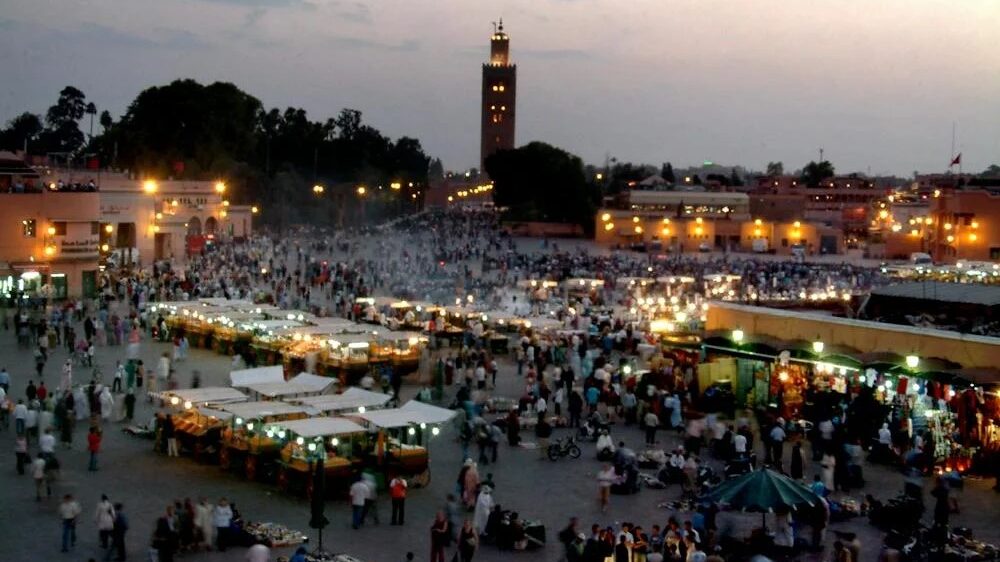
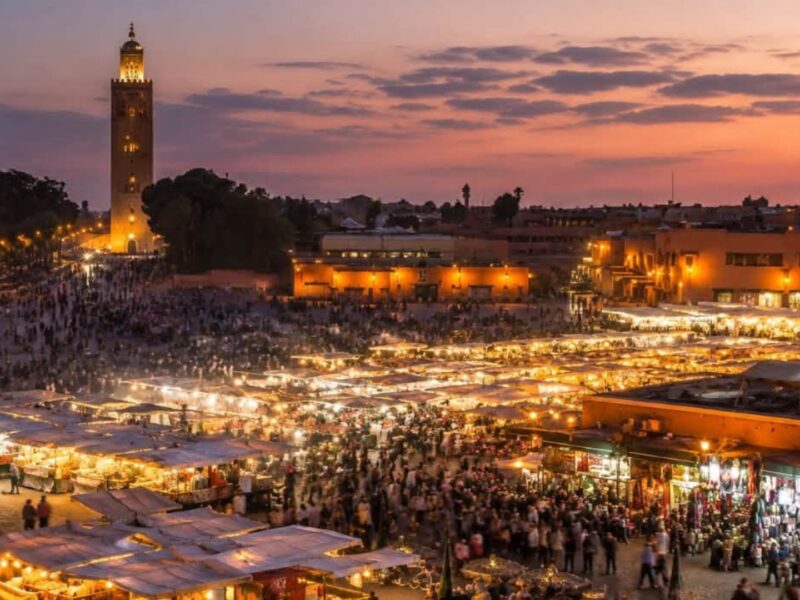
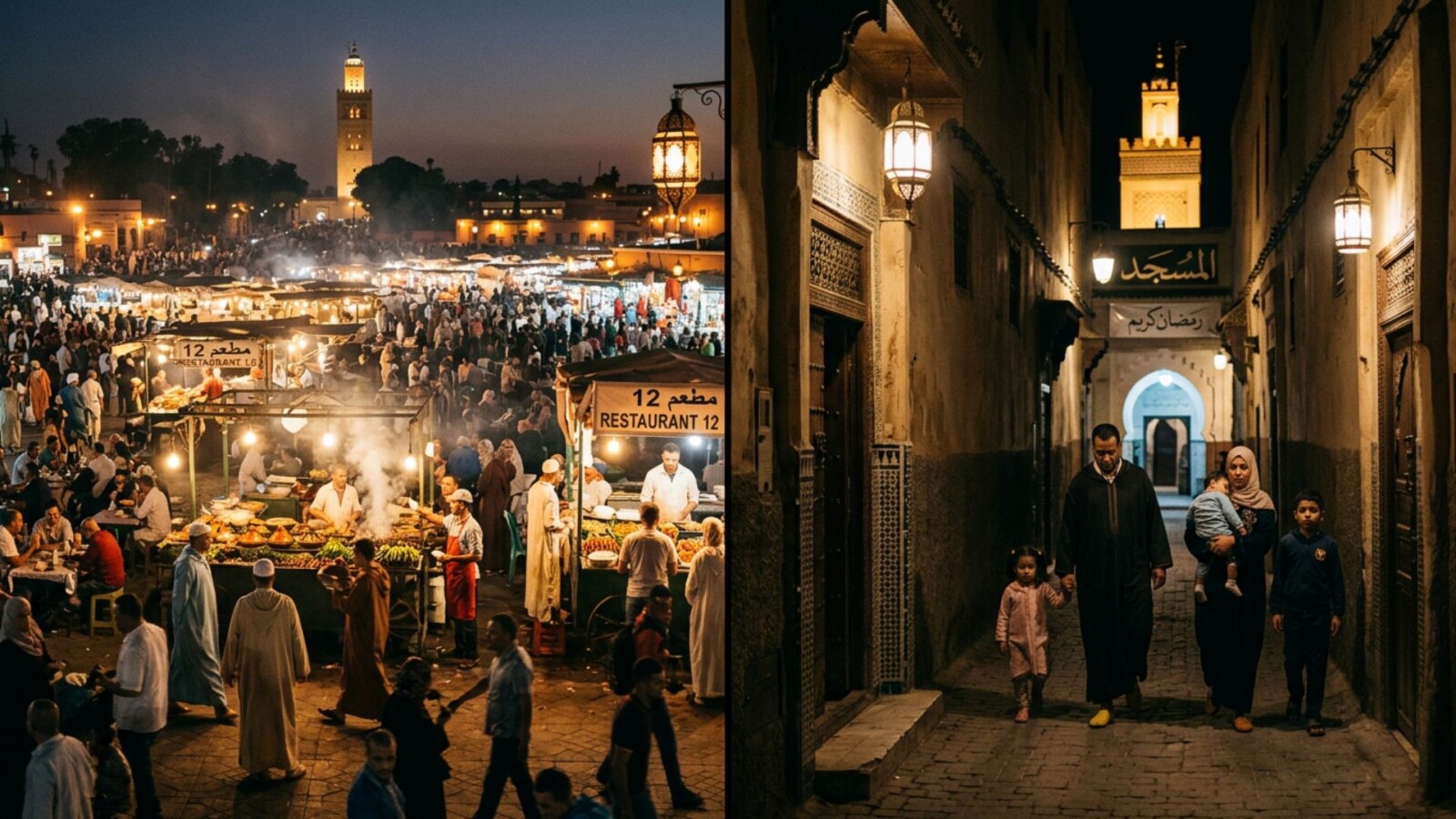
But Marrakech also delivers genuine Ramadan atmosphere for those who seek it. Jemaa el-Fna transforms at sunset into something even more spectacular than usual. The famous square fills with iftar gatherings, food stalls, and celebratory energy that exceeds ordinary nights. Families spread blankets on the ground. Musicians perform. The smell of harira and grilled meats fills the air.
The medina beyond the main square shows more pronounced changes. Many shops close during afternoon hours. The narrow passages grow quiet. Then evening brings a surge of activity as residents emerge for shopping, socializing, and the night hours that become the heart of Ramadan life.
“Marrakech during Ramadan gives you options,” observed Sarah, a repeat visitor who has experienced the city in multiple seasons. “You can engage as much or as little as you want. The tourist bubble exists if you need it, but step outside and the real Ramadan is right there.”
Fes: the spiritual experience
Fes approaches Ramadan with a seriousness that reflects its status as Morocco’s spiritual capital. The city that houses the world’s oldest university and some of Islam’s most revered scholars treats the holy month with particular reverence. Visitors sense this immediately.
The ancient medina of Fes el-Bali grows quieter during Ramadan than perhaps any other time of year. The maze of nine thousand streets that normally buzzes with commerce falls into contemplative calm during fasting hours. Craftsmen work slowly or not at all. The calls to prayer echo through passages usually filled with competing sounds.
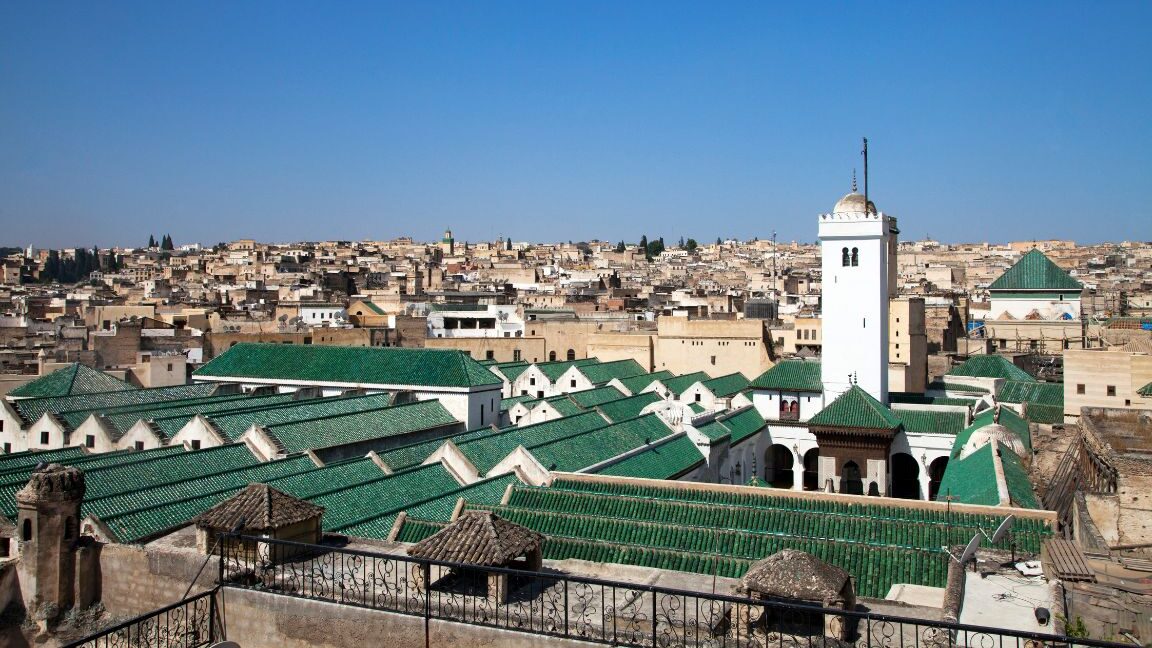
Evening transforms the medina completely. After iftar, families flood into the streets. The atmosphere combines celebration with devotion in ways that feel distinctly different from Marrakech’s more carnival-like energy. Conversations drift toward faith and family. The presence of the great mosques and medersas weighs more heavily.
Tourism infrastructure in Fes exists but operates less extensively than in Marrakech. Fewer restaurants cater specifically to daytime tourist dining. Guides and tours remain available but with less redundancy. Travelers need slightly more self-sufficiency and flexibility.
The reward for accepting these challenges comes in authenticity. Fes during Ramadan feels less performed and more lived. The spiritual dimension that Moroccans describe as the heart of the holy month becomes visible in ways that more commercialized destinations obscure.
| Factor | Marrakech | Fes | Casablanca |
| Tourist infrastructure | Extensive | Moderate | Good |
| Daytime dining options | Many | Limited | Many |
| Spiritual atmosphere | Moderate | Intense | Light |
| Evening energy | Festive, carnival-like | Celebratory, reverent | Urban, modern |
| Crowd levels | Reduced but present | Very low | Normal |
| Cultural immersion | Good | Excellent | Limited |
| Ease for first-timers | High | Moderate | High |
Casablanca: business as somewhat usual
Morocco’s largest city and economic center follows yet another Ramadan pattern. Casablanca’s modern character and international business activity create a rhythm that departs from traditional expectations.
Corporate offices maintain operations. International companies with non-Muslim employees continue normal schedules. The business districts of Maarif and Anfa bustle with activity that would seem out of place in more traditional cities. This commercial continuity makes Casablanca surprisingly easy for travelers who simply want Morocco without significant schedule adjustments.
Restaurants catering to business travelers and the international community remain open during daylight hours with less discretion required than elsewhere. Hotel dining rooms serve meals normally. The infrastructure of a working modern city persists through the holy month.
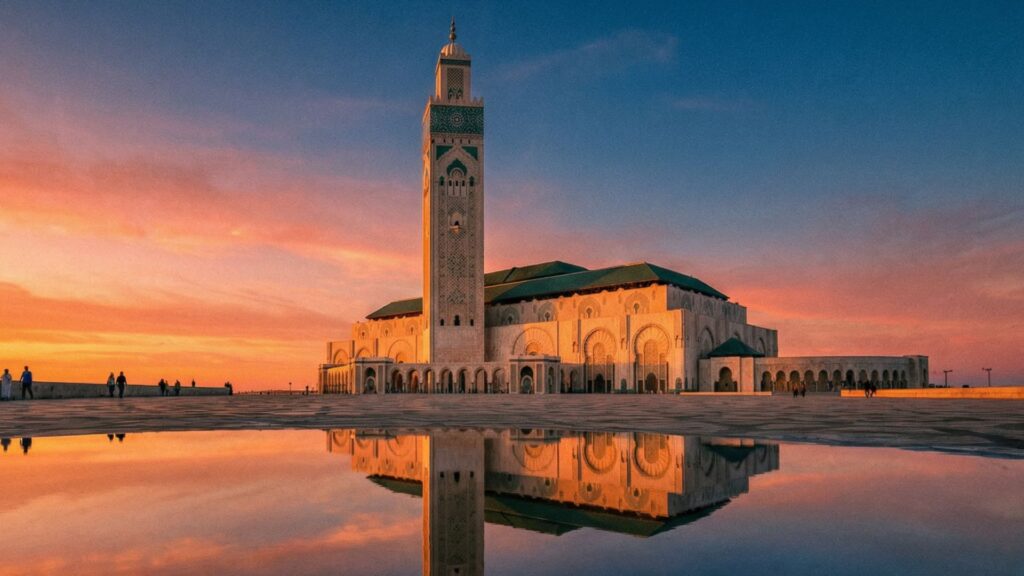
The flipside involves missing much of what makes Ramadan special. Casablanca lacks the concentrated medina atmosphere where Ramadan’s transformation becomes most visible. The evening celebrations feel more dispersed across a sprawling urban landscape. The communal dimension that defines the holy month elsewhere dilutes in metropolitan anonymity.
Travelers using Casablanca primarily as an arrival point or business destination find Ramadan barely intrudes on their plans. Those seeking cultural immersion in the holy month should treat the city as a transit hub rather than a destination, heading to Fes or Marrakech for the deeper experience.
Chefchaouen: intimate mountain ramadan
The blue city in the Rif Mountains offers something entirely different during Ramadan. Chefchaouen‘s small scale creates intimacy that larger cities cannot match. The compact medina means everyone seems to know everyone. Ramadan becomes a community affair rather than an anonymous urban observance.
Daytime sees the blue-washed streets fall genuinely quiet. Tourism infrastructure exists but on a modest scale. Fewer restaurants cater specifically to visitors during fasting hours. The situation requires more self-sufficiency, carrying snacks and planning meals around your accommodation.
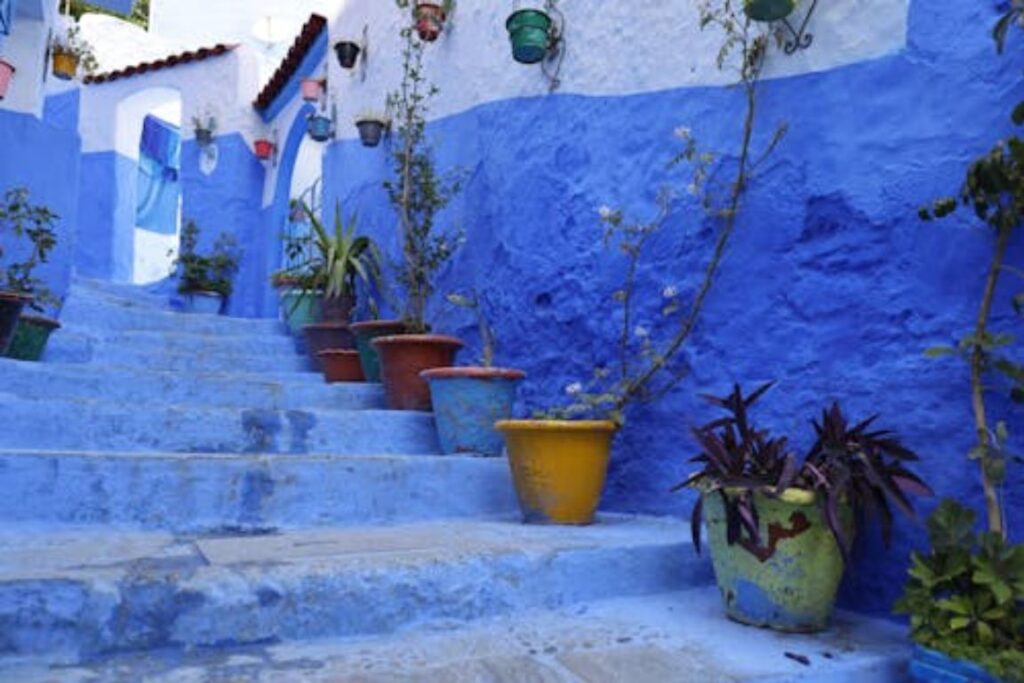
Evenings bring the small plaza at the medina’s heart to life. Families gather in numbers that feel more neighborhood block party than city celebration. The intimacy allows for interactions that larger crowds preclude. Conversations happen. Invitations emerge. The boundaries between tourist and local soften.
The mountain air adds its own dimension. Cooler temperatures make fasting somewhat easier than in lowland cities. The setting sun over the Rif creates evening atmospheres that photographers treasure. The blue walls glow in ways that seem almost designed for the golden hour.
“I chose Chefchaouen specifically for Ramadan after reading that it would be quiet,” recalled James, a solo traveler from Chicago. “Quiet turned out to mean connected. By my third evening, a shopkeeper invited me to his family’s iftar. That never would have happened in Marrakech.”
Coastal towns: a different rhythm
Essaouira, Asilah, and other coastal destinations follow patterns shaped by their tourist economies and relaxed atmospheres. These towns generally maintain more services during Ramadan than their size might suggest, catering to the European visitors who favor them.
Essaouira‘s strong tourist infrastructure keeps restaurants and cafes operating for visitors during daylight hours. The beach and rampart walks remain accessible. The fishing port continues its daily rhythms. The town feels less dramatically transformed than interior cities.
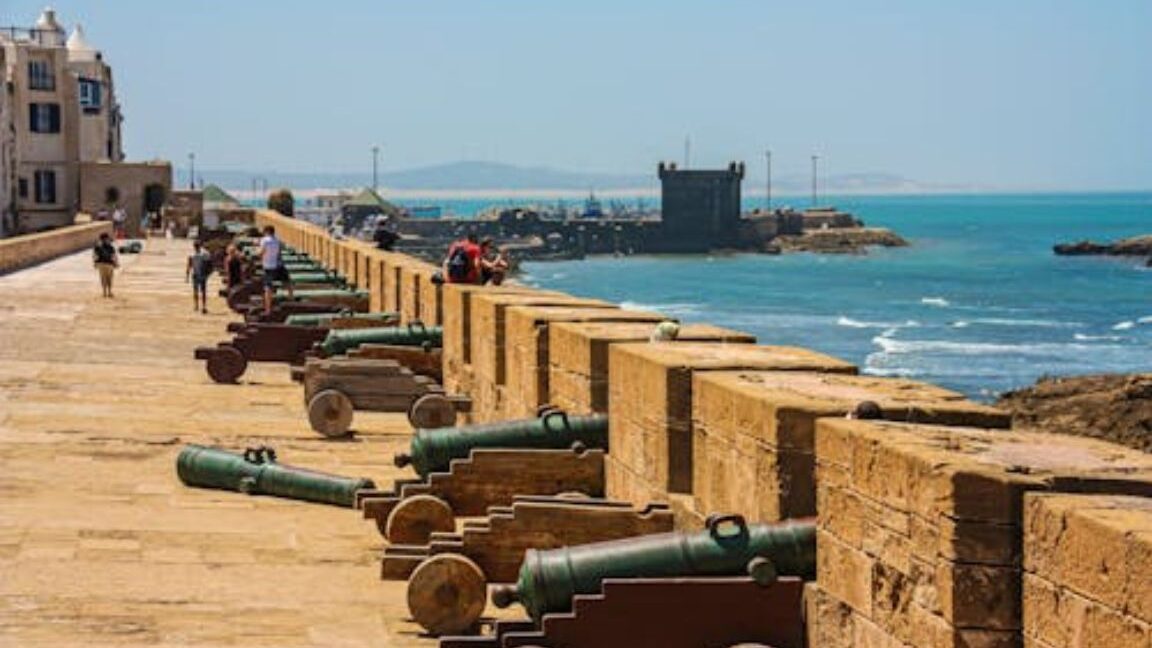
Evening brings the medina to life without the intensity of Marrakech or the reverence of Fes. The atmosphere stays relaxed, reflecting Essaouira’s generally laid-back character. Ramadan here feels like Ramadan at the beach, observed but not overwhelming.
Smaller coastal towns like Asilah or Mirleft show more pronounced changes. Services reduce more significantly. The tourist season has not yet arrived during typical Ramadan timing. Travelers find quieter, more local experiences but must plan more carefully around limited options.
The desert experience
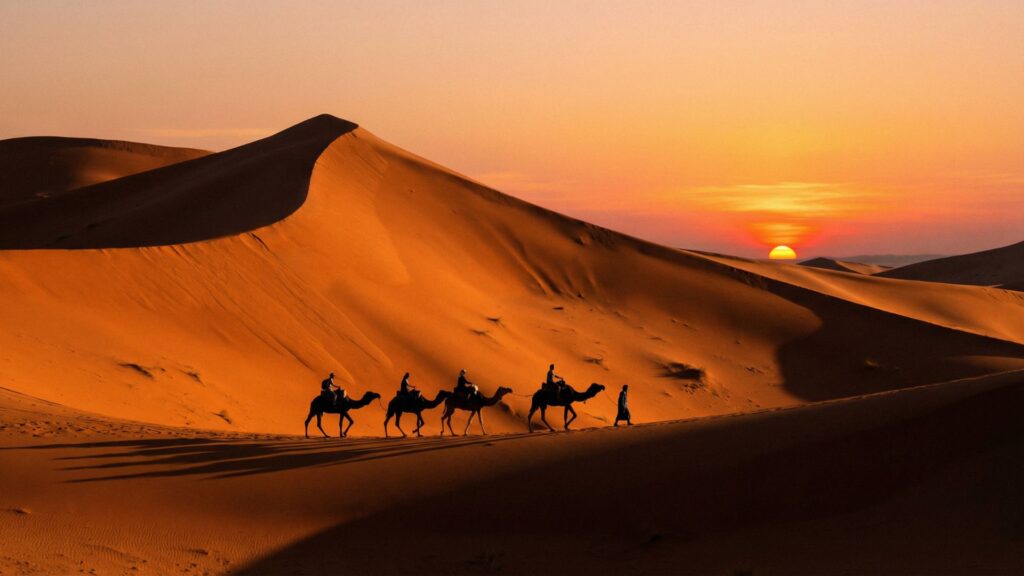
Travelers heading to the Sahara during Ramadan encounter yet another variation. Desert camps adapt their services around the holy month, often creating memorable experiences in the process.
Guides and camel drivers fast during the day while still working. They manage their energy carefully, and travelers should show consideration by not eating or drinking conspicuously during transit. Most guides handle this gracefully, but awareness helps.
Evening in the desert during Ramadan brings particular magic. Camp staff break their fast under open skies. The iftar meal happens around fires beneath stars. The communal nature of desert camping amplifies the communal nature of Ramadan celebration. Stories and music follow dinner in traditions that feel ancient and immediate simultaneously.
Some luxury camps offer special Ramadan programming, incorporating explanations of traditions alongside enhanced evening meals. Budget camps provide simpler but equally authentic experiences as staff share their Ramadan with guests naturally and without production.
Choosing based on your priorities
The right Ramadan destination depends on what you seek from the experience. Different priorities point toward different cities.
Travelers prioritizing convenience should choose Marrakech. The city minimizes friction while still offering genuine Ramadan atmosphere for those who seek it. First-time Morocco visitors uncertain about navigating the holy month find the most support here.
Travelers seeking spiritual and cultural depth should choose Fes. The ancient city delivers Ramadan at its most authentic and meaningful. The challenges of reduced services reward with experiences unavailable elsewhere.
Travelers combining business with tourism should consider Casablanca. The commercial city maintains normalcy while providing access to more traditional destinations via easy day trips.
Travelers craving intimacy and connection should explore smaller towns like Chefchaouen. The reduced scale creates opportunities for personal interactions that larger cities preclude.
Understanding proper etiquette and respectful behavior matters regardless of which destination you choose. The holy month deserves sensitivity wherever you experience it.
Which aspect of the Ramadan experience matters most to you when choosing a destination, and how do you typically balance convenience against cultural immersion?