What’s open in Morocco during Ramadan: attractions, tours, and sightseeing guide
Planning sightseeing during Ramadan requires adjusting expectations and schedules, but it certainly does not mean missing out. Museums operate on modified hours. Guided tours remain available, often with smaller crowds than usual. The medinas take on a different character, quieter during the day and vibrant after dark. Knowing what stays open and when helps travelers maximize their experience while visiting Morocco during Ramadan, turning the altered rhythm into an advantage rather than an obstacle.
The adjusted rhythm of tourist attractions
Ramadan does not shut Morocco down for tourists. It shifts the timing. Understanding this shift allows visitors to plan effectively rather than wandering into closed doors and empty streets.
Most major attractions remain open throughout the holy month. Museums, historical sites, and monuments continue welcoming visitors. What changes are the hours. Many sites open later in the morning and close earlier in the afternoon, reflecting the energy patterns of fasting staff and reduced local visitation.
The practical impact varies by attraction type. Government-run museums typically maintain consistent if abbreviated schedules. Private sites and tours show more flexibility, sometimes adjusting daily based on staff availability and tourist demand. Religious sites follow their own logic, with mosques obviously experiencing heightened activity during Ramadan rather than reduced hours.
“We had maybe three visitors all afternoon yesterday,” explained a ticket seller at the Bahia Palace in Marrakech during a recent Ramadan. “But the palace was open. We are always open. People just assume we close.”
This assumption keeps many tourists away, which creates opportunity for those who come anyway. Attractions that normally require waiting in line become almost private. Guides have time for extended explanations. The experience improves precisely because others stayed home.
Museums and historical sites
Morocco’s major museums maintain operations during Ramadan with modified schedules. The Museum of Moroccan Arts in Marrakech, the Dar Batha Museum in Fes, and the Archaeological Museum in Rabat all remain accessible to visitors.
Typical Ramadan hours run from approximately 10am to 3pm or 4pm, compared to the usual 9am to 6pm schedule. Some museums close for an extended lunch period. Others simply shorten the day at both ends. Checking specific hours before visiting prevents wasted trips, though hotel concierges and local tourism offices provide current information readily.
Historical sites like the Saadian Tombs, Medersa Ben Youssef, and the Kasbah of the Udayas follow similar patterns. These outdoor and semi-outdoor attractions generally stay open longer than indoor museums, sometimes maintaining near-normal hours since they require less staffing.
The royal palaces present a different situation. Currently functioning royal residences like the Royal Palace in Rabat remain closed to tourists regardless of season. Historical palace sites open to visitors continue their usual accessibility with Ramadan hour adjustments.
| Attraction type | Typical Ramadan hours | Crowd levels | Recommendation |
| Major museums | 10am-3pm or 4pm | Very low | Visit late morning |
| Historical sites | 9am-5pm (varies) | Low | Flexible timing works |
| Medersas | 9am-4pm | Low | Morning best for light |
| Gardens | 8am-6pm | Moderate | Early morning ideal |
| Souks/Medinas | Limited daytime, busy evening | Varies dramatically | Evening exploration best |
Tours and guided experiences
Guided tours continue operating throughout Ramadan, often with adjustments that benefit participants. Reputable tour companies maintain their programs while adapting to the holy month’s rhythm.
Walking tours of the medinas shift their timing. Morning tours often start later, around 10am rather than 9am. Afternoon tours may end earlier or shift to evening departures that showcase the medina’s post-iftar energy. Some operators offer special Ramadan-focused tours explaining the traditions and taking visitors to experience iftar gatherings.
Day trips to destinations like the Atlas Mountains, Essaouira, or Chefchaouen run normally. Drivers and guides manage their fasting while working, taking breaks as needed. Travelers should show consideration by not eating conspicuously in vehicles or during stops, but the trips themselves proceed without major changes.
Desert tours require more planning. Multi-day excursions to the Sahara continue, though the camps adapt their meal service around iftar timing. Some travelers find the desert experience enhanced during Ramadan, with camp staff sharing their evening meals and explaining traditions around the fire.
“Ramadan is actually my favorite time to guide,” said Youssef, who leads food tours in Marrakech. “Fewer groups mean I can spend more time with each person. And the iftar tours we offer during Ramadan show something visitors never see otherwise.”
The medina experience transforms
The ancient medinas that draw visitors to Moroccan cities undergo the most dramatic Ramadan transformation. The narrow streets that normally bustle with commerce take on split personalities during the holy month.
Daytime medinas feel dreamlike. Shops that would normally compete for attention sit quiet or closed entirely. The maze of passages that can feel overwhelming becomes navigable, even peaceful. Photography opportunities improve as crowds thin and the architecture stands clear.
Some shops do open, particularly those catering primarily to tourists. Carpet merchants, craft sellers, and souvenir shops often maintain reduced hours for foreign customers. The aggressive salesmanship that can characterize medina shopping typically softens, as fasting vendors lack energy for extended negotiations.
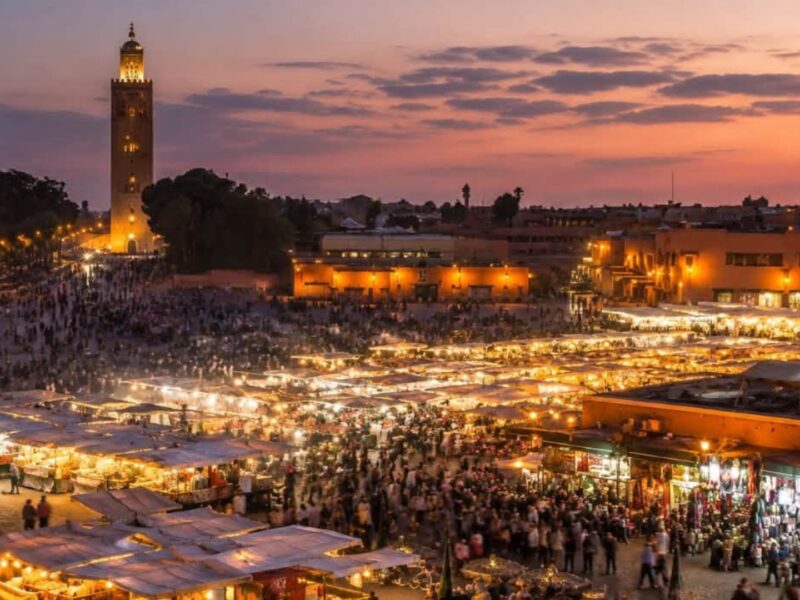
The transformation at sunset reverses everything. As iftar approaches, shops fling open their doors. Vendors arrange their wares. The streets fill with Moroccans shopping for evening meals and celebrating the night hours. The medina comes alive in ways ordinary evenings never match.
Evening medina exploration during Ramadan offers experiences unavailable at other times. The energy feels different, more festive and communal. Families stroll together after breaking fast. Street food vendors appear in numbers exceeding normal nights. The combination of celebration and commerce creates an atmosphere uniquely tied to the holy month.
Hammams and spas
Traditional hammams adjust their operations during Ramadan but remain available to visitors. The timing shifts significantly, with many hammams closing during afternoon hours when fasting staff need rest.
Tourist-oriented hammams in hotels and riads maintain more consistent hours. These establishments cater specifically to visitors and staff accordingly. Booking treatments for morning or evening sessions ensures availability.
Local neighborhood hammams follow more traditional patterns. Women’s hours and men’s hours adjust around prayer times and iftar. Visitors hoping to experience authentic public hammams during Ramadan should ask their accommodation for current schedules at nearby facilities.
Spa treatments that require physical exertion from practitioners may see reduced availability. Massage therapists and hammam attendants working while fasting understandably limit their more demanding services. Booking ahead and showing flexibility about treatment types helps secure appointments.
Religious sites and mosques
Morocco’s mosques see intensified activity during Ramadan rather than closure. However, non-Muslims remain prohibited from entering most mosques regardless of season. The famous exceptions like the Hassan II Mosque in Casablanca continue offering tours to non-Muslim visitors during Ramadan.
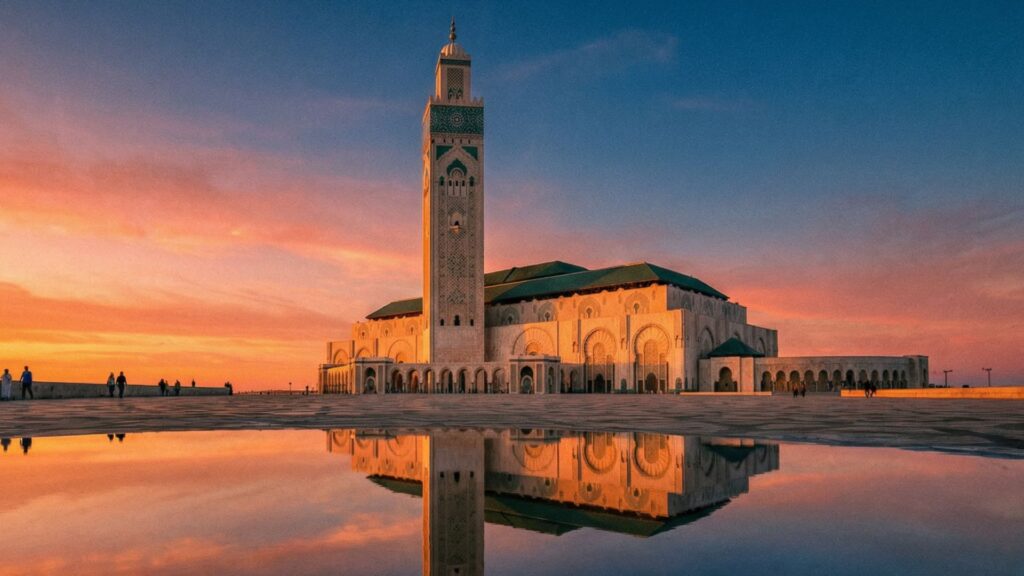
The atmosphere around mosques changes noticeably. Evening prayers draw larger crowds than usual. The sound of Quran recitation fills surrounding neighborhoods. The spiritual intensity of Ramadan concentrates around these religious centers in ways visible even to those who cannot enter.
Some visitors find positioning themselves near mosques at prayer times rewarding despite not being able to enter. The architecture, the call to prayer echoing off ancient walls, the streams of worshippers arriving and departing, all provide meaningful encounters with Moroccan religious life.
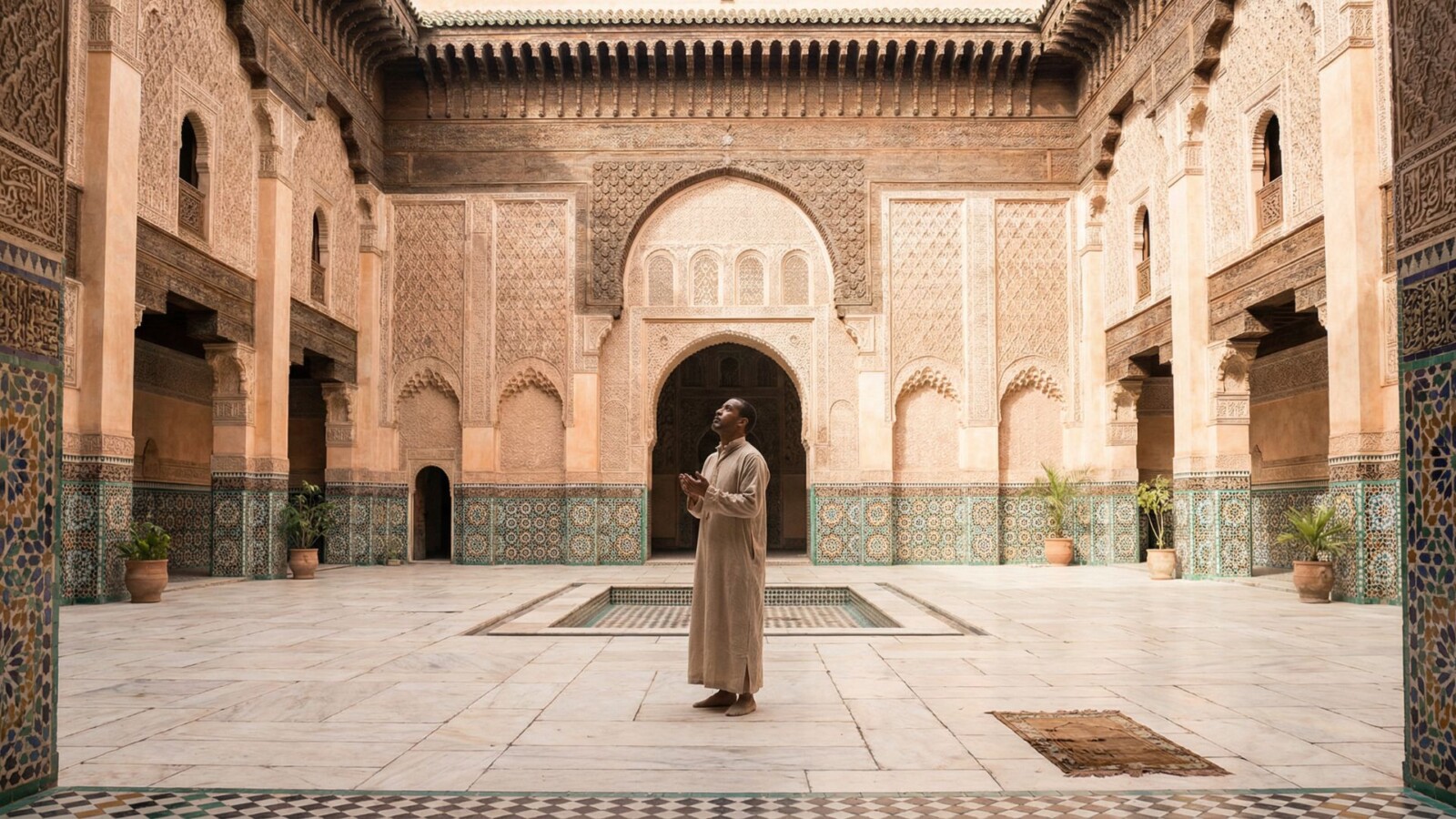
Medersas, the historical Islamic schools that now function as monuments, maintain tourist access during Ramadan. These stunning architectural spaces like the Ben Youssef Medersa in Marrakech or the Bou Inania in Fes offer insights into Islamic education and design without requiring entry to active religious spaces.
Shopping and souks
The souks present the most variable experience during Ramadan. Some shops open normally. Others close entirely. Many follow abbreviated schedules that shift daily depending on the shopkeeper’s energy and the flow of customers.
Morning shopping generally proves most reliable. Shops that intend to open during daylight hours typically do so by mid-morning and remain accessible until early afternoon. The post-lunch period sees widespread closure as fasting takes its toll and many merchants rest before iftar.
Evening shopping explodes after sunset. The souks fill with Moroccan shoppers stocking up on food and goods. Tourist-oriented shops stay open late, sometimes until 11pm or midnight. The bargaining dynamic shifts as energized post-iftar vendors engage more enthusiastically than their fatigued daytime selves.

Fixed-price shops and cooperatives offer alternatives to souk negotiation. These establishments maintain consistent hours and pricing, providing refuge for travelers who find Ramadan souk navigation challenging. Quality craft cooperatives particularly serve visitors well, offering reliable access to goods without the energy expenditure of bargaining.
Making the adjusted hours work
Successful Ramadan sightseeing requires adapting your own schedule rather than fighting the local rhythm. Early mornings work well for outdoor attractions and photography when light is good and energy is high. Late mornings suit museum visits when doors have opened and staff have settled in.
Afternoons invite rest. Following the Moroccan pattern of retreating during the low-energy hours makes sense for visitors too. Use this time for reading, napping, or quiet activities at your accommodation. Fighting against the afternoon slowdown typically frustrates rather than rewards.
Evenings become prime time. After iftar, Morocco awakens with energy that ordinary nights lack. Medina exploration, shopping, and social activities all peak during the hours between sunset and midnight. Adjusting your own internal clock to match this pattern maximizes enjoyment.
The guide to Ramadan experiences in different Moroccan cities helps travelers choose destinations where the specific attractions and atmosphere they seek remain most accessible during the holy month.
How do you typically adapt your travel schedule when visiting destinations during major religious observances or cultural events?