
Why visit Agadir: 8 reasons Morocco’s beach city deserves your attention
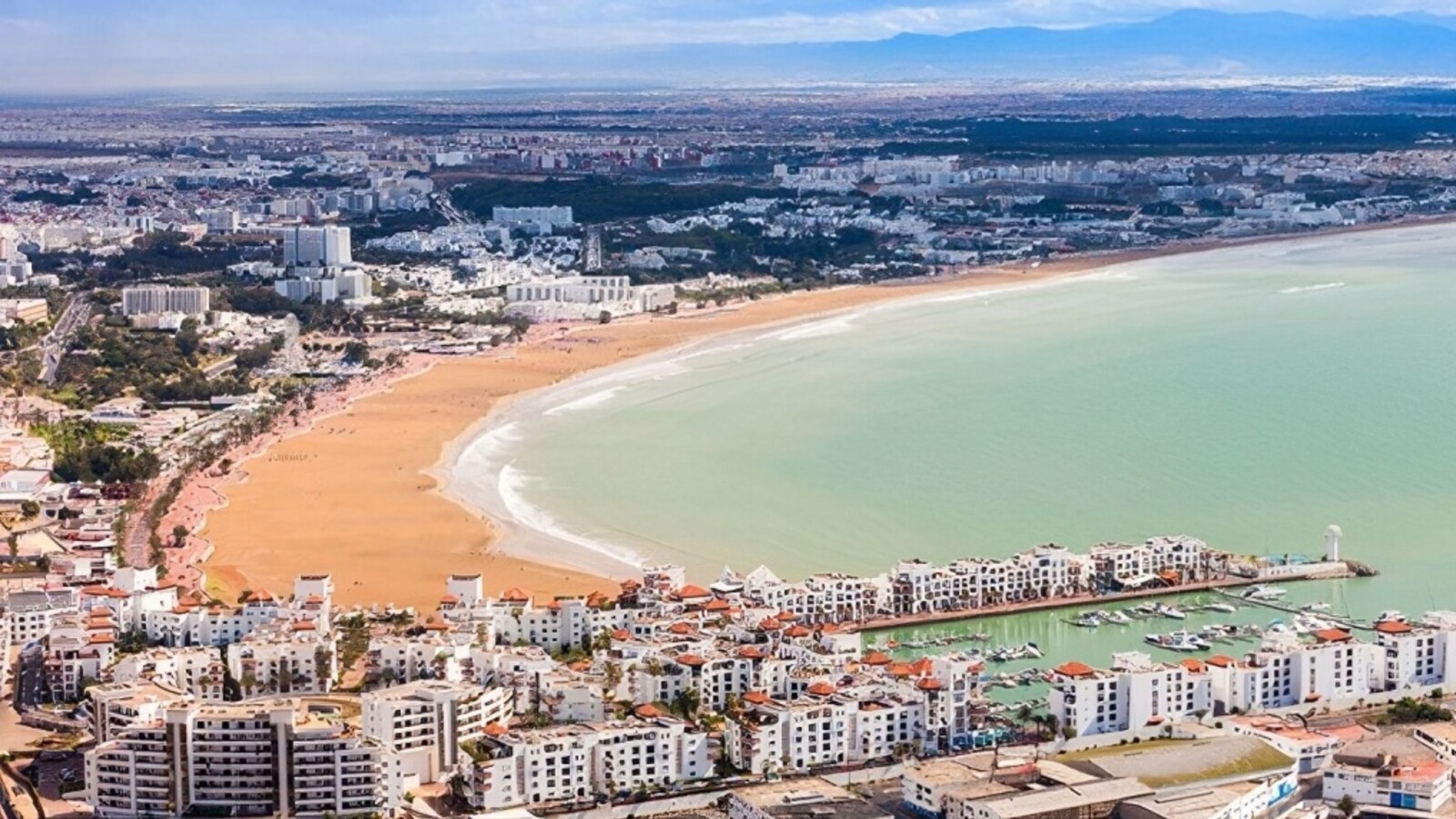
Agadir confuses expectations. Travelers arrive anticipating ancient medinas and narrow alleyways but find wide boulevards, modern resorts, and a beachfront promenade that stretches for miles. This disconnect is precisely the point. The city offers something other Moroccan destinations cannot: reliable sunshine, genuine relaxation, and a gateway to the Souss region’s natural beauty. Understanding why Agadir works requires looking beyond what it lacks to appreciate what it delivers. For travelers planning their first visit, this perspective shapes everything covered in our complete Agadir Morocco travel guide.
A city rebuilt from scratch
The Agadir you see today is barely sixty years old. On February 29, 1960, an earthquake lasting fifteen seconds leveled the original city and killed roughly fifteen thousand people. The destruction was so complete that authorities considered abandoning the site entirely. Instead, King Mohammed V declared the city would rise again, and a new Agadir emerged from the rubble.
This history explains why Agadir looks nothing like Marrakech or Fes. There is no medieval medina because the medieval medina no longer exists. The city was rebuilt with modern urban planning, wide streets, earthquake-resistant construction, and a focus on tourism infrastructure that would drive economic recovery. What some visitors perceive as lacking authenticity is actually a testament to resilience and reinvention.
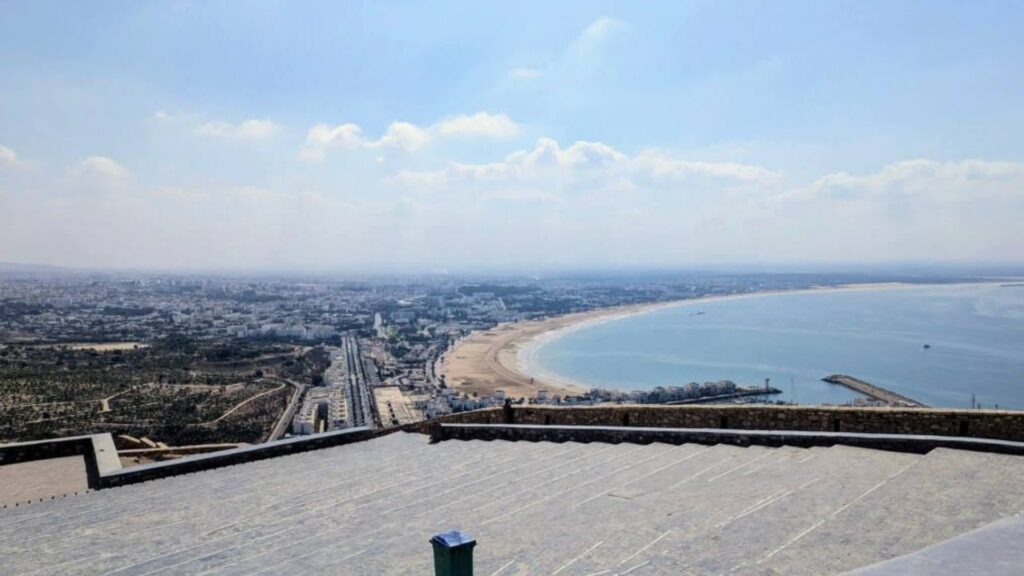
The old Kasbah on the hill above the city remains as a reminder. Its walls still bear the inscription “God, Country, King” visible from the beach below. Walking among the ruins at sunset, looking down at the sprawling modern city, you understand both what was lost and what was built in its place.
The climate advantage nobody talks about
Agadir enjoys weather that borders on unfair. The city sits in a microclimate created by the Anti-Atlas mountains blocking cold northern winds and the Atlantic Ocean moderating temperatures year-round. The result is roughly 300 days of sunshine annually with temperatures rarely dropping below 60°F even in January or climbing above 85°F in summer.
Compare this to Marrakech, where summer temperatures regularly exceed 100°F and winter nights can drop near freezing. Or to northern coastal cities where Atlantic winds bring clouds and rain through winter months. Agadir delivers the beach weather that travelers want without the seasonal restrictions that limit other destinations.
| Month | Avg. High °F | Avg. Low °F | Rainfall (inches) | Beach Season |
| January | 68 | 48 | 1.3 | Mild |
| April | 72 | 54 | 0.6 | Excellent |
| July | 79 | 64 | 0.0 | Peak |
| October | 77 | 59 | 0.8 | Excellent |
This consistency attracts a particular type of traveler. European retirees escaping gray winters. Families seeking reliable beach conditions during school holidays. Golf enthusiasts who want to play without weather concerns. The climate is not incidental to Agadir’s appeal. It is foundational.
Beach culture without the chaos
The main beach stretches six kilometers along a crescent bay, backed by a promenade dotted with cafes, restaurants, and hotels. The sand is golden and wide. The water is clean if somewhat cool. Lifeguards patrol during peak hours. Beach clubs rent loungers and umbrellas at reasonable rates.
What distinguishes this beach experience is the atmosphere. Agadir feels relaxed in ways that busier Moroccan destinations do not. Nobody follows you down the promenade aggressively selling goods. Touts exist but operate with restraint uncommon elsewhere in the country. You can walk, read, swim, and simply exist without constant negotiation.
“I had spent two weeks in Marrakech and Fes feeling like I needed to be on guard constantly,” recalled Jennifer, a teacher from Wisconsin who visited Morocco for the first time last spring. “Agadir felt like exhaling. I could just sit on the beach and not be approached every five minutes.”
This atmosphere comes with trade-offs. The beach lacks the dramatic scenery of more remote Moroccan coastline. The promenade architecture leans generic rather than picturesque. What you gain is accessibility and ease. For travelers who find the intensity of traditional Moroccan cities exhausting, Agadir provides necessary balance.
The gateway function
Perhaps the strongest argument for visiting Agadir has nothing to do with the city itself. The location provides access to landscapes and experiences unavailable from other Moroccan bases.
Paradise Valley lies an hour northeast, a gorge filled with natural swimming pools, palm trees, and rock formations that feel transported from another planet. Taroudant sits two hours east, a walled city often called “little Marrakech” that delivers medina atmosphere without the crowds. The Anti-Atlas mountains begin just beyond the city limits, revealing Berber villages and dramatic geology largely untouched by mass tourism.
Essaouira is reachable in three hours for those wanting artistic seaside vibes. Tiznit offers silver souks and a jumping-off point for the far south. Souss-Massa National Park protects rare bird species and the endangered northern bald ibis within day trip distance.
Travelers who dismiss Agadir as “just a beach resort” miss this gateway function entirely. The city works as a comfortable base for exploring a region that offers some of Morocco’s most distinctive landscapes. The beach provides recovery time between excursions. The modern infrastructure ensures reliable transportation and services. The combination creates a travel style impossible to replicate from other Moroccan cities.
Who Agadir works for
Not every traveler should prioritize Agadir. Those seeking traditional Moroccan architecture, ancient medinas, and immersive cultural intensity should start elsewhere. Marrakech, Fes, and Chefchaouen deliver experiences Agadir cannot match.
But certain traveler profiles find exactly what they need. Families with young children appreciate the safe beaches, kid-friendly hotels, and activities that do not require navigating confusing souks. Couples seeking relaxation over adventure enjoy the beach clubs, spa facilities, and stress-free environment. First-time Morocco visitors intimidated by cultural differences find Agadir an accessible introduction. Repeat visitors who have already explored the imperial cities come for the beaches they missed on previous trips.
Travelers combining Agadir with other destinations often structure their itineraries strategically. Some start in Agadir to recover from jet lag before heading to more intense cities. Others end in Agadir, using beach days to decompress before flying home. Either approach leverages the city’s particular strengths.
The authenticity question
Critics argue that Agadir lacks authentic Moroccan character. The criticism contains truth. The rebuilt city feels more Mediterranean than North African. The tourist infrastructure caters to European package holidaymakers. You can eat pizza, drink beer, and speak English without ever engaging deeply with Moroccan culture.
But authenticity is a complicated concept. The Souss region has its own Berber heritage distinct from Arab Morocco. The argan trees that dot the surrounding landscape produce oil found nowhere else on earth. The fishing port where boats unload their daily catch operates exactly as it has for generations. The weekly souk at Souk El Had ranks among the largest in the country. Authentic Morocco exists in Agadir. It simply requires knowing where to look.
The city also serves Moroccans themselves. Domestic tourists from Casablanca and Rabat vacation on these beaches. Moroccan families celebrate weddings at resort hotels. The promenade fills with local residents on weekend evenings. Dismissing Agadir as artificial ignores the role it plays in Moroccan life beyond international tourism.
Making the decision
Choosing whether to include Agadir requires honest assessment of what you want from Morocco. If ancient medinas and cultural immersion rank as top priorities, allocate your time elsewhere. If beaches, relaxation, and access to southern landscapes matter, Agadir deserves consideration.
The city works particularly well as part of a broader itinerary rather than a standalone destination. A week split between Marrakech and Agadir covers both cultural intensity and beach recovery. Two weeks might add Fes or the desert before finishing on the coast. Even three or four nights provide enough time to enjoy the beach, explore Souk El Had, and take a day trip to Paradise Valley or Taroudant.
Understanding the best day trips from Agadir helps determine whether the gateway function alone justifies including the city in your plans. For many travelers, those excursions prove more memorable than the beach itself.
Agadir will never compete with Marrakech for Instagram appeal or with Fes for historical depth. It offers something different: ease, sunshine, and access to a Morocco that exists beyond the famous cities. Whether that appeals depends entirely on what you are looking for.
What matters more to you when choosing a Moroccan destination: cultural immersion and historic atmosphere, or beaches and relaxed accessibility?


