Day trips from Agadir: best excursions and tours, and nearby destinations
Agadir functions as a launchpad for exploring southern Morocco’s most striking landscapes. Paradise Valley’s natural pools hide in palm-filled gorges an hour from the city. Taroudant’s intact ramparts enclose a medina free from tourist crowds. Essaouira’s blue fishing boats bob in a photogenic harbor three hours north. The Anti-Atlas mountains reveal Berber villages and dramatic geology. These excursions transform a beach vacation into something richer, adding depth to any itinerary built around our Agadir Morocco travel guide.
Paradise Valley: natural pools and palm groves
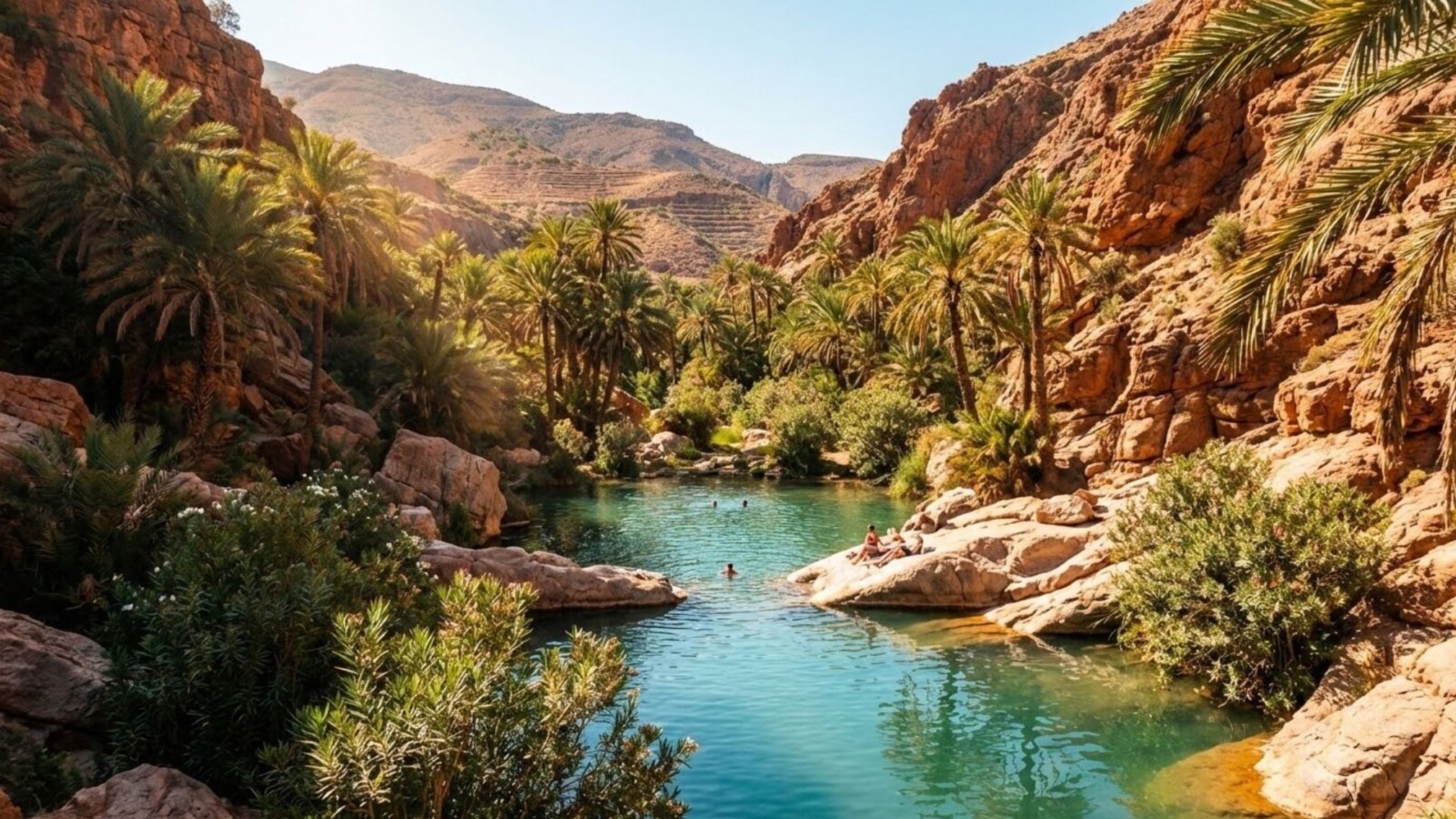
An hour northeast of Agadir, Paradise Valley delivers the most accessible adventure excursion from the city. The name sounds like tourist marketing but actually understates what awaits. A river has carved a gorge through the mountains, creating a series of natural swimming pools surrounded by palm trees, oleander bushes, and dramatic rock formations.
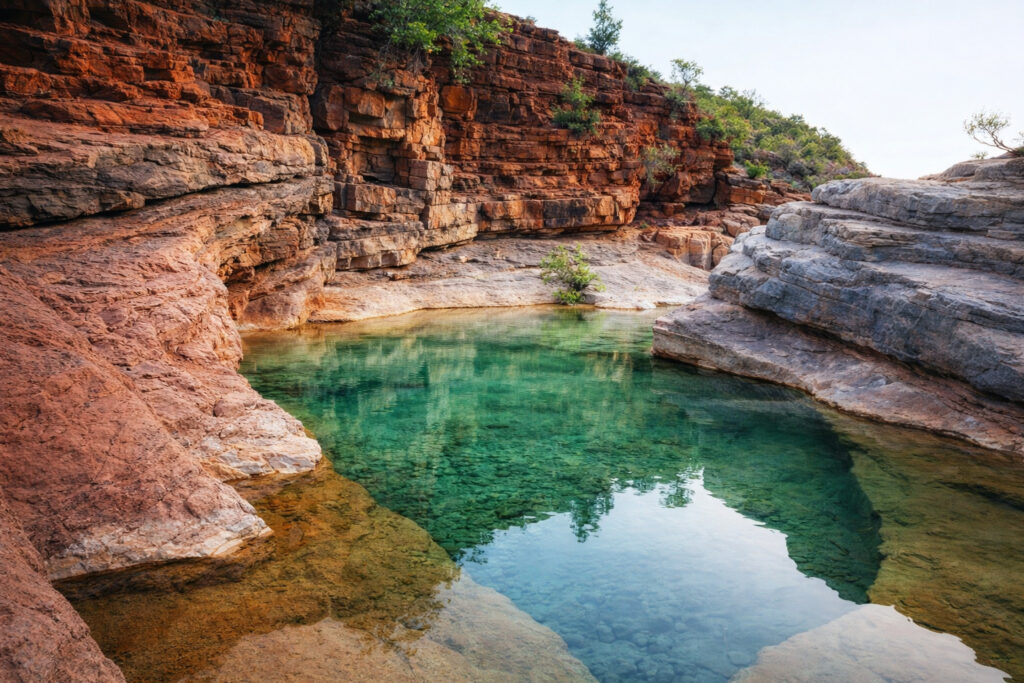
The drive itself sets the tone. The road climbs from coastal plains into increasingly rugged terrain, passing through small Berber villages where life moves at paces unchanged for generations. Argan trees dot the hillsides, their gnarled forms sheltering the goats famous for climbing into branches to eat the fruit.
The valley floor requires a short hike from the parking area, descending through boulders and vegetation to reach the pools. The water runs cold year-round, fed by mountain springs that maintain temperatures around 60°F regardless of air temperature. The shock of entry gives way to refreshment that hot afternoons make particularly welcome.
Local guides offer their services at the parking area, and hiring one makes sense for first-time visitors unfamiliar with the terrain. Fees run approximately 100 to 150 dirhams for a few hours of guiding. The guides know which pools offer the best swimming, where to find shade during midday heat, and how to navigate the sometimes-slippery rocks.
Small cafes operate along the valley, serving tagines, mint tea, and simple grilled meats. The setting elevates ordinary food into memorable meals. Eating lunch beside a palm-shaded pool while mountains rise on either side creates experiences that beach restaurants cannot match.
“I almost skipped Paradise Valley because the name sounded cheesy,” admitted Jake, a backpacker from Colorado who spent a month exploring Morocco. “It turned out to be my favorite day of the entire trip. The water was freezing but perfect after the hike down.”
| Day trip | Distance from Agadir | Drive time | Best for | Recommended duration |
| Paradise Valley | 50 km | 1 hour | Swimming, hiking, scenery | Half day |
| Taroudant | 80 km | 1.5 hours | Medina, crafts, architecture | Half to full day |
| Essaouira | 175 km | 2.5-3 hours | Coastal town, art, atmosphere | Full day or overnight |
| Tiznit | 100 km | 1.5 hours | Silver souks, authentic town | Half day |
| Souss-Massa National Park | 65 km | 1 hour | Birdwatching, wildlife | Half day |
| Immouzzer Ida Outanane | 60 km | 1.5 hours | Waterfalls, honey, mountains | Half day |
Taroudant: little Marrakech without the crowds
Eighty kilometers east of Agadir, Taroudant offers what many travelers seek in Marrakech without the overwhelming intensity. The city’s ramparts remain completely intact, encircling a medina where donkeys still outnumber motorcycles and tourist pressure stays minimal.
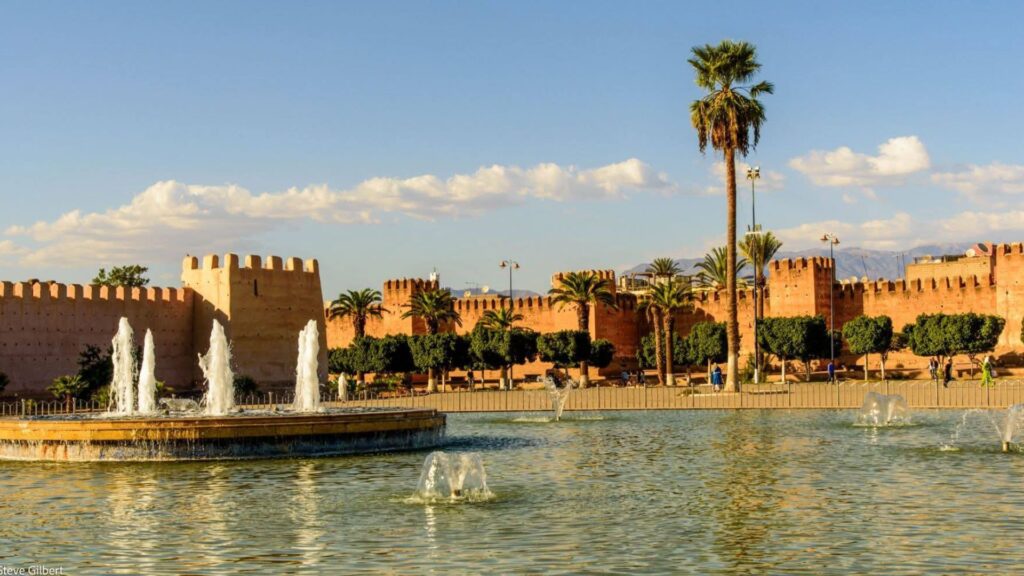
The comparison to Marrakech has limits. Taroudant is significantly smaller, with fewer monuments and a calmer atmosphere. But this calm is precisely the appeal. You can wander the souks without constant harassment. Shopkeepers chat without aggressive sales tactics. The pace allows actual appreciation rather than defensive navigation.
Two main souks anchor the medina’s commercial activity. The Arab souk focuses on household goods, clothing, and daily necessities. The Berber souk specializes in crafts, leather goods, and regional products. Prices run significantly lower than in tourist-oriented markets, and bargaining follows relaxed rhythms.
The tanneries near the Berber souk provide glimpses of traditional leather production. The scale is smaller than the famous Fes tanneries, but the process remains authentic. Nearby shops sell finished leather products at prices reflecting the lack of tourist markup.
Lunch in Taroudant centers on the main square, where several restaurants offer rooftop terraces with views across the medina to the mountains beyond. The setting invites lingering over mint tea while watching daily life unfold below.
Getting to Taroudant independently requires a rental car or negotiated grand taxi. Tour operators in Agadir offer organized excursions that include transportation, guided walks, and lunch. Independent visits allow more flexible timing and personal exploration.
Essaouira: the artistic coastal town
Three hours north of Agadir, Essaouira delivers an entirely different coastal atmosphere. Where Agadir feels modern and resort-oriented, Essaouira projects artistic bohemian energy within ancient fortified walls. The combination attracts creatives, surfers, and travelers seeking character over convenience.
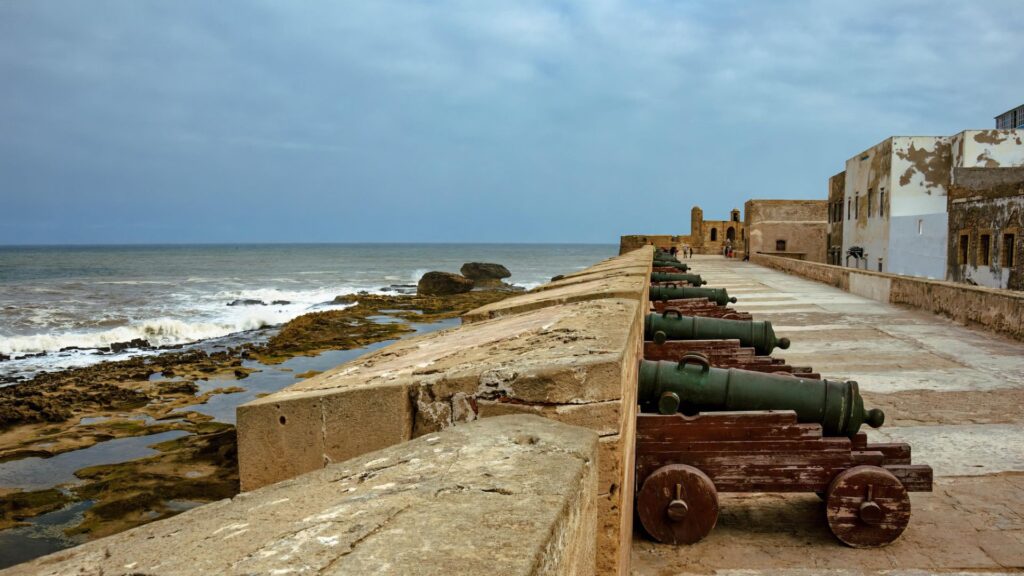
The medina is a UNESCO World Heritage site, its layout reflecting 18th-century European military planning adapted to Moroccan context. Straight streets replace the usual medina maze. White and blue buildings create photogenic consistency. The fortified port walls, called the skala, provide dramatic ocean views and photo opportunities.
The fishing port remains genuinely active, with blue boats unloading catches that move directly to portside grills. Choosing your fish and eating it minutes later at simple wooden tables constitutes one of Morocco’s essential food experiences. Seagulls compete for scraps. Fishermen repair nets. The scene balances tourist appeal with working authenticity.
Art galleries and craft workshops concentrate in the medina, reflecting Essaouira’s reputation as Morocco’s artistic capital. Thuya wood marquetry represents the signature local craft, with workshops demonstrating traditional techniques. The quality of goods generally exceeds what similar prices buy in larger tourist markets.
The journey from Agadir passes through argan country, with opportunities to stop at women’s cooperatives producing argan oil. These stops range from genuinely educational to blatantly commercial, so maintaining realistic expectations helps. The better cooperatives explain the production process without excessive sales pressure.
A full day allows adequate time to explore Essaouira’s highlights, though the town rewards overnight stays for those wanting to experience evening atmosphere after day-trippers depart. Budget accommodations abound in the medina, while upscale options occupy restored riads and oceanfront properties.
Tiznit: silver and authenticity
An hour and a half south of Agadir, Tiznit offers glimpses of Moroccan town life largely untouched by international tourism. The walled medina dates to the late 19th century, relatively recent by Moroccan standards but authentic in atmosphere and daily function.
Silver jewelry defines Tiznit’s commercial identity. The town has produced Berber silver ornaments for generations, and the souk contains numerous workshops where artisans craft pieces using traditional techniques. Prices reflect genuine value rather than tourist markup, making Tiznit the region’s best source for quality silver at fair prices.
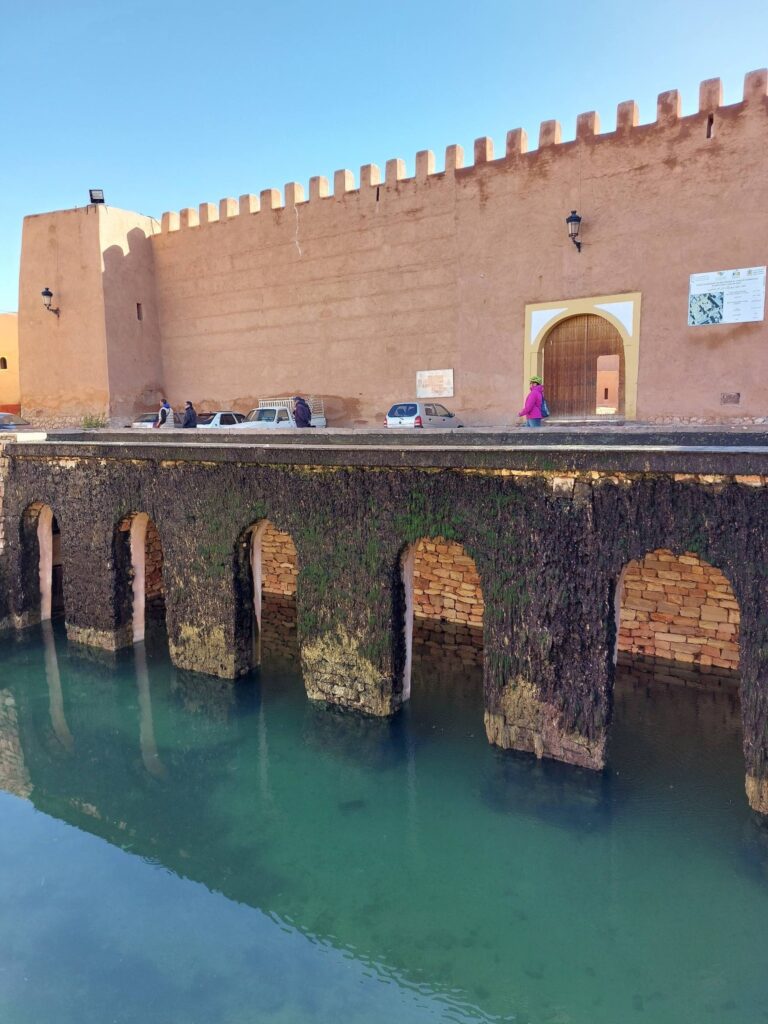
The medina itself rewards exploration without specific destinations. Residential quarters show daily life continuing as it has for decades. Small mosques anchor neighborhoods. Children play in narrow streets. The absence of tourist infrastructure means navigating without English signs or obvious landmarks, which is either charming or challenging depending on perspective.
The main square provides orientation and refreshment. Cafes serve the usual mint tea and coffee alongside simple snacks. The pace feels genuinely relaxed rather than performed for visitors.
Combining Tiznit with the beaches at Aglou or Mirleft creates a logical southern itinerary. The drive continues through increasingly dramatic landscapes as the Anti-Atlas mountains rise to the east and the Atlantic crashes against western cliffs.
Souss-Massa National Park
Morocco’s commitment to conservation manifests an hour south of Agadir at Souss-Massa National Park. The protected area encompasses coastal dunes, river wetlands, and arid scrubland that together shelter remarkable biodiversity including the critically endangered northern bald ibis.
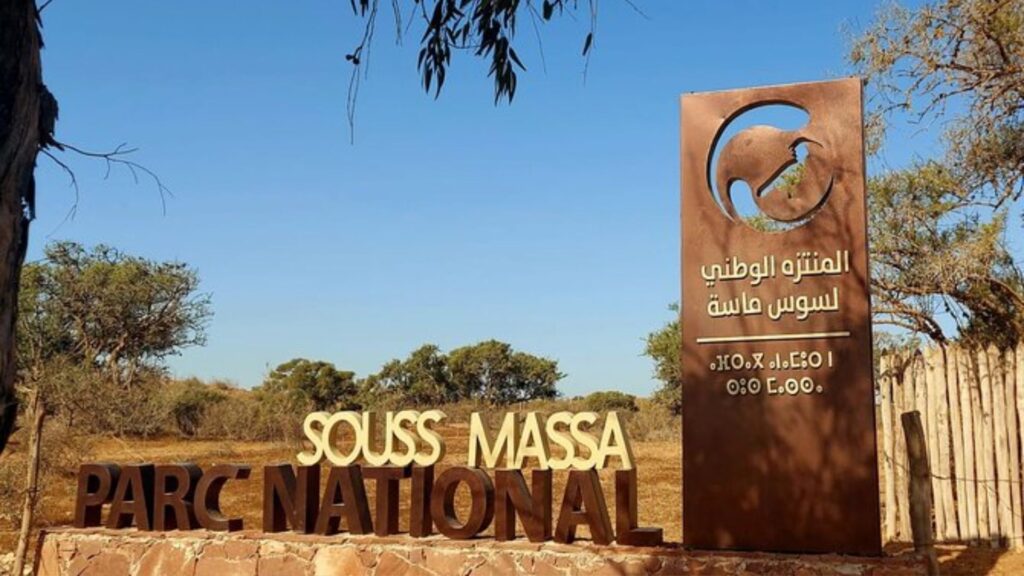
Birdwatchers constitute the park’s primary visitors, drawn by species lists that include flamingos, spoonbills, herons, and numerous shorebirds alongside the signature ibis. The best viewing occurs during spring and fall migration periods, though resident species ensure year-round interest.
The park offers marked trails of varying lengths, from short walks to full-day hikes. A guide significantly improves wildlife sighting chances, as experienced eyes spot creatures that untrained observers miss entirely. The park headquarters can arrange guided visits with advance notice.
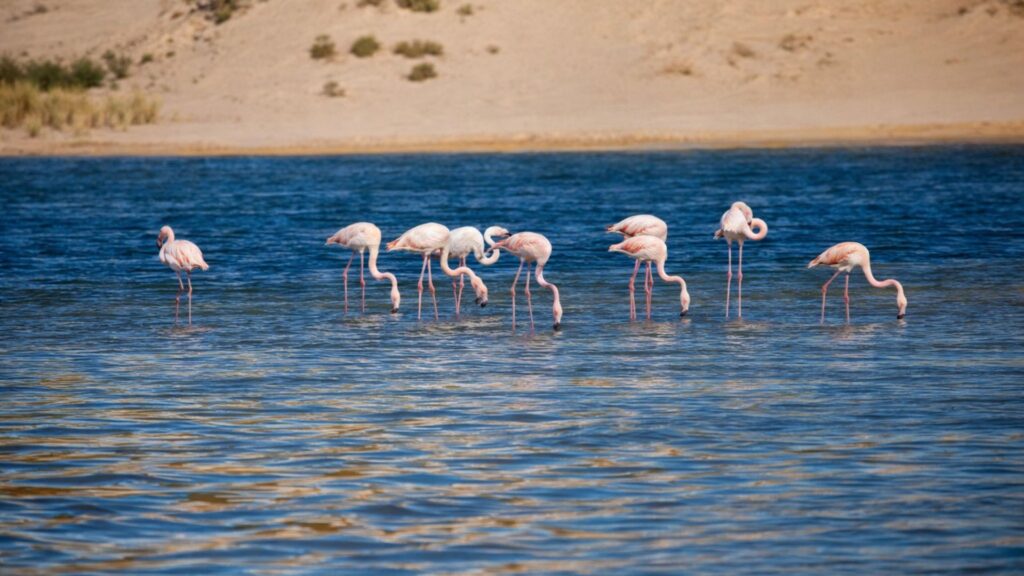
Beyond birds, the landscapes themselves justify visiting. The river mouth where freshwater meets ocean creates distinctive ecosystems. Coastal dunes stretch toward distant headlands. The relative absence of development produces solitude increasingly rare along Morocco’s coastline.
Facilities within the park remain minimal, so bringing water, snacks, and sun protection is essential. The visitor center provides basic information and restrooms. Nearby villages offer simple restaurants for post-visit meals.
Immouzzer Ida Outanane: waterfalls and honey
The mountain village of Immouzzer Ida Outanane sits about ninety minutes from Agadir via winding roads that climb through increasingly dramatic scenery. The destination draws visitors for its waterfall, its honey, and its escape from coastal heat.
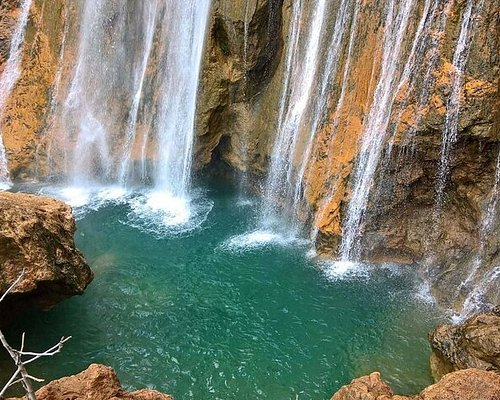
The waterfall flows most impressively following winter rains, sometimes reducing to a trickle during dry summer months. Regardless of water volume, the surrounding landscape rewards the journey. Olive groves and almond orchards terrace the hillsides. Traditional villages cling to slopes. The temperature drops noticeably from the coastal plain.
Honey production centers the local economy. Roadside stands and village shops sell varieties ranging from common wildflower to premium thyme honey harvested from mountain hives. Tasting before buying is expected and encouraged. Prices vary significantly, with quality generally correlating to cost.
The drive itself constitutes half the experience. The road winds through landscapes that reveal how dramatically southern Morocco changes within short distances. Stopping at viewpoints, visiting small villages, and taking the journey slowly produces better results than rushing to specific destinations.
Organized tours from Agadir often combine Immouzzer with Paradise Valley, creating full-day mountain excursions that contrast beach relaxation with highland adventure. Independent visits require rental cars and comfort with mountain driving.
Planning your excursions
The day trips available from Agadir suit various interests and energy levels. Beach-focused travelers might venture out only once or twice. Explorers could fill a week with different excursions. Most visitors find balance somewhere between, alternating active days with beach recovery.
Rental cars provide maximum flexibility for independent exploration. International licenses work throughout Morocco. Roads in the Agadir region maintain good condition by national standards. Fuel costs remain reasonable. The freedom to stop wherever interests arise justifies the logistical effort.
Organized tours suit travelers preferring guided experiences or uncomfortable with self-driving. Hotels and agencies throughout Agadir offer excursions to all major destinations. Quality varies, so reading reviews and comparing options helps identify reliable operators.
Understanding essential travel tips for Agadir helps with practical arrangements including car rental, navigation, and packing for varied conditions across different excursions.
The region surrounding Agadir delivers diversity that single-destination beach vacations cannot match. Mountains, valleys, historic towns, and remote beaches all wait within reasonable driving distance. The question is simply how much exploration you want to build around your beach time.
Which type of day trip appeals most to you: natural landscapes like Paradise Valley, historic towns like Taroudant, or coastal alternatives like Essaouira?