Agadir travel tips: essential guide for first-time visitors to Morocco’s beach city
Agadir Al Massira Airport welcomes direct flights from across Europe, making the city one of Morocco’s most accessible destinations. But accessibility does not eliminate the need for planning. Choosing the right neighborhood determines your beach access and dining options. Understanding transportation shapes how you explore. Timing your visit around weather patterns and tourism seasons affects both experience and budget. These practical details underpin everything else in our Agadir Morocco travel guide, turning good intentions into smooth execution.
Getting to Agadir
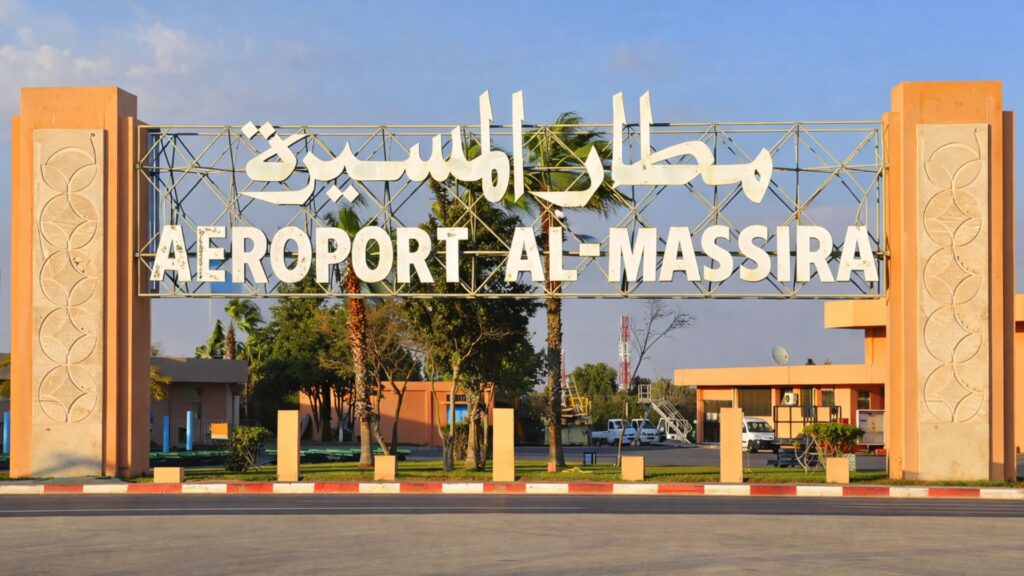
Agadir Al Massira Airport sits approximately 25 kilometers southeast of the city center, a distance that requires transportation planning upon arrival. The airport handles primarily European charter flights alongside scheduled services from major Moroccan cities and select international destinations.
Direct flights connect Agadir with numerous European cities including London, Paris, Amsterdam, Brussels, and multiple German airports. Flight times from Western Europe run approximately three to four hours. Budget carriers like Ryanair and easyJet serve the route alongside charter operators and Royal Air Maroc.
Travelers from North America typically connect through European hubs or Casablanca. The Casablanca connection adds domestic flight time but offers more scheduling flexibility. Some travelers prefer flying into Marrakech and driving to Agadir, a journey of approximately three hours through scenic mountain terrain.
Airport transfers to the city center cost approximately 200 to 300 dirhams by official taxi, though prices require negotiation or pre-arrangement. Hotels often provide shuttle services, either complimentary or at set rates. Ride-sharing apps operate inconsistently, making traditional taxis the reliable option.
The airport itself provides basic facilities including currency exchange, ATMs, car rental desks, and simple refreshment options. Immigration processing for most Western passport holders involves straightforward entry stamps without visa requirements for stays under 90 days.
Where to stay in Agadir
The city divides into distinct zones that shape the visitor experience depending on accommodation location. Understanding these areas helps match expectations to reality.
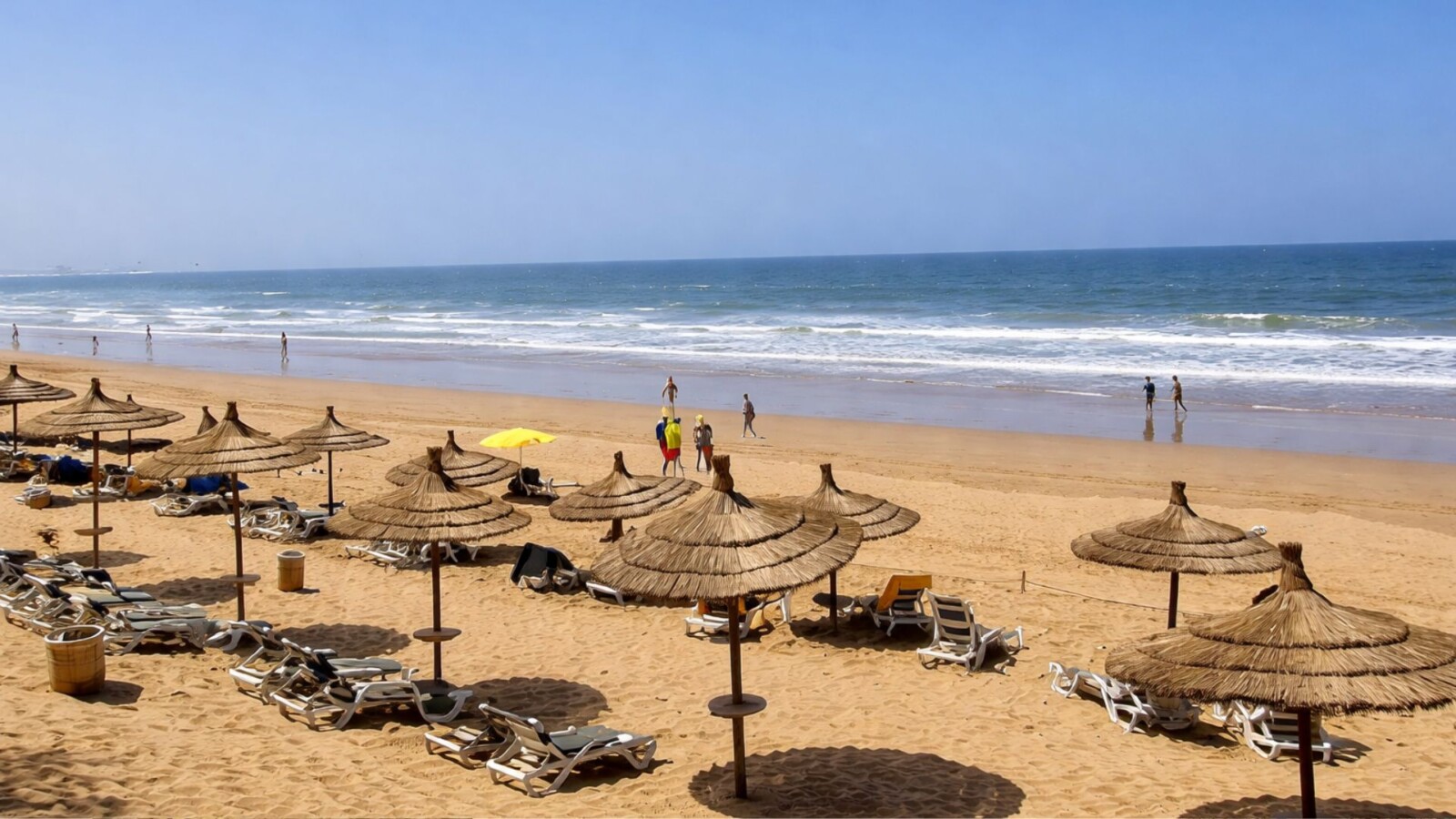
The beach road and tourist zone concentrate most visitor accommodations along the six-kilometer stretch backing the main beach. Hotels here range from budget properties to international luxury brands. The location provides direct beach access, promenade dining, and proximity to tourist services. The trade-off involves distance from authentic Moroccan life and prices reflecting prime positioning.
The marina area at the northern end of the tourist zone attracts visitors prioritizing upscale atmosphere over traditional character. Modern apartments, boutique hotels, and international restaurants cluster around the yacht harbor. The setting feels more Mediterranean than Moroccan, which appeals to some and disappoints others.
Talborjt and the city center offer accommodations away from the tourist zone, providing lower prices and more local atmosphere. Beach access requires transportation rather than walking. Dining options emphasize traditional Moroccan rather than international cuisine. The neighborhood suits travelers comfortable navigating environments without extensive tourist infrastructure.
| Neighborhood | Character | Beach access | Best for |
| Beach road/tourist zone | Resort oriented | Direct | First-time visitors, families |
| Marina area | Upscale modern | 10-minute walk | Couples, luxury seekers |
| Talborjt/center | Local Moroccan | Taxi required | Budget travelers, cultural immersion |
| Founty | Residential, quiet | 15-minute walk | Long-term stays, apartments |
Getting around Agadir
The city sprawls more than compact medina-focused destinations, making transportation decisions matter for daily planning.
Petit taxis, the small orange vehicles seating up to three passengers, handle most in-city transportation. Meters exist but drivers often prefer negotiating fixed fares, particularly for tourist routes. Typical trips within the tourist zone cost 15 to 30 dirhams. Trips to the port, Souk El Had, or the Kasbah run 40 to 70 dirhams. Establishing fare expectations before entering prevents disputes upon arrival.
Grand taxis, larger vehicles typically Mercedes sedans, serve routes beyond city limits. These operate on shared or private basis. Shared grand taxis follow fixed routes and depart when full, offering economical transport to nearby towns. Private hire allows customized itineraries at negotiated rates.
Rental cars make sense for travelers planning multiple day trips or preferring self-directed exploration. International agencies operate at the airport and in the tourist zone. Moroccan companies often provide lower rates with acceptable vehicles and service. Driving in Agadir presents fewer challenges than in Marrakech or Fes, with straightforward road layouts and less chaotic traffic.
Walking works well within the beach zone, where the promenade extends for kilometers along flat, maintained paths. Beyond the tourist area, distances between attractions make walking impractical for most itineraries.
Bus services exist but confuse most visitors with route complexity and inconsistent scheduling. Unless budget constraints force consideration, taxis provide easier alternatives at modest cost premiums.
Best time to visit Agadir
The climate advantage that defines Agadir creates year-round viability that most beach destinations cannot match. However, optimal timing still varies based on priorities and preferences.
Peak season runs from October through April, when European visitors flee gray winters for guaranteed sunshine. Temperatures during these months range from comfortable to warm, rarely dropping below 60°F or climbing above 80°F. This period brings the most crowded beaches, highest hotel rates, and greatest competition for restaurant tables.
Summer months from June through August see temperatures climbing into the 80s and occasionally higher. The consistent ocean breeze moderates heat that would feel oppressive inland. European family travel during school holidays keeps hotels busy despite warmer conditions. The ocean water reaches its warmest temperatures during this period, typically around 68°F to 72°F.
Shoulder seasons in May and September offer compelling combinations of good weather, reduced crowds, and moderate pricing. The ocean temperature remains comfortable for swimming. Flight availability sometimes decreases as charter schedules thin between peak periods.
Ramadan timing shifts annually based on the Islamic calendar and can affect restaurant availability, attraction hours, and general atmosphere. Travelers uncomfortable with adjusted schedules might time visits around the holy month. Those interested in cultural experience find Ramadan adds meaningful dimension to Moroccan travel.
“I deliberately booked for early November after reading about the weather,” explained Thomas, a retiree from Minnesota who spent three weeks in Agadir. “Every single day was sunny. The beach never felt crowded. I walked to restaurants without waiting for tables. The timing was perfect.”
Money and costs
Morocco uses the dirham, abbreviated MAD or DH, with exchange rates typically running approximately 10 dirhams per US dollar or euro depending on currency market conditions. Exchanging money upon arrival at the airport provides convenience, though rates improve slightly at city banks and exchange offices.

ATMs operate throughout Agadir, accepting international cards with varying fee structures depending on your home bank. Notifying your bank of travel plans prevents fraud alerts from blocking transactions. Carrying some cash remains advisable as smaller establishments, market vendors, and taxis prefer or require cash payment.
Credit cards work at hotels, upscale restaurants, and established shops but should not be assumed universally accepted. Visa and Mastercard predominate over American Express. Contactless payment has expanded but remains inconsistent.
Costs in Agadir run lower than comparable European beach destinations but higher than many Moroccan cities. Budget travelers can manage on $40 to $60 daily excluding accommodation. Mid-range budgets of $80 to $120 cover comfortable hotels, good restaurants, and regular activities. Luxury spending has no particular ceiling at resort properties.
Bargaining applies in markets and with taxis but not at restaurants, hotels, or fixed-price shops. Souk El Had expects negotiation for non-food items. Tourist zone shops sometimes negotiate, sometimes hold firm, making it worth asking.
Safety considerations
Agadir ranks among Morocco’s safest tourist destinations, with low crime rates and a general atmosphere of security throughout tourist areas. The relaxed enforcement approach and tourist-dependent economy create incentives for maintaining welcoming conditions.
Standard travel precautions apply nonetheless. Petty theft occurs, particularly targeting unattended belongings on beaches or in crowded markets. Carrying unnecessary valuables invites problems. Hotel safes protect important documents and excess cash.
Beach safety requires awareness of Atlantic conditions. Currents can strengthen unexpectedly. Designated swimming areas with lifeguard coverage provide the safest options. The water temperature requires adjustment for swimmers expecting Mediterranean warmth.
Traffic presents the most significant daily hazard. Moroccan driving customs differ from European or American norms, with aggressive lane changes, creative interpretation of traffic rules, and pedestrian crossings that function more as suggestions than protections. Crossing streets requires active attention rather than assumed driver compliance.
Female travelers generally find Agadir more comfortable than some Moroccan destinations, with less persistent attention from men and more familiar tourist zone dynamics. The beach atmosphere normalizes mixed-gender socializing that can feel unusual in traditional areas elsewhere.
Packing essentials
The reliable sunshine that draws visitors also demands sun protection preparation. High SPF sunscreen, quality sunglasses, and broad-brimmed hats prevent the burns that ruin beach vacations. The UV index regularly reaches extreme levels, making protection essential rather than optional.
Beach gear including swimsuits, cover-ups, and sandals constitutes obvious necessities. The beach clubs rent loungers and umbrellas, eliminating need to transport bulky items. Reef-safe sunscreen protects marine environments if you plan swimming at natural spots.
Light layers accommodate temperature variations between sunny beaches and air-conditioned restaurants. Evenings cool somewhat, making a light jacket useful for after-dark activities. The temperature rarely requires heavy clothing except during unusual winter cold snaps.
Comfortable walking shoes matter for souk exploration, Kasbah visits, and day trip activities. The beach promenade accommodates sandals, but cobblestone markets and uneven terrain elsewhere benefit from proper footwear.
Modest clothing respecting local culture matters when venturing beyond tourist zones. Shoulders and knees covered satisfies most situations. Beach attire belongs at the beach, not in markets or residential neighborhoods.
Understanding the full range of activities available in Agadir helps determine what specialized gear day trips and excursions might require beyond basic beach vacation packing.
These practical details transform trip planning from overwhelming to manageable. The logistics matter less than the experiences they enable, but getting logistics right ensures those experiences unfold smoothly.
What practical travel concern weighs most heavily when you plan trips to unfamiliar destinations: transportation, costs, safety, or something else entirely?