Ramadan in Morocco: what every traveler needs to know before visiting
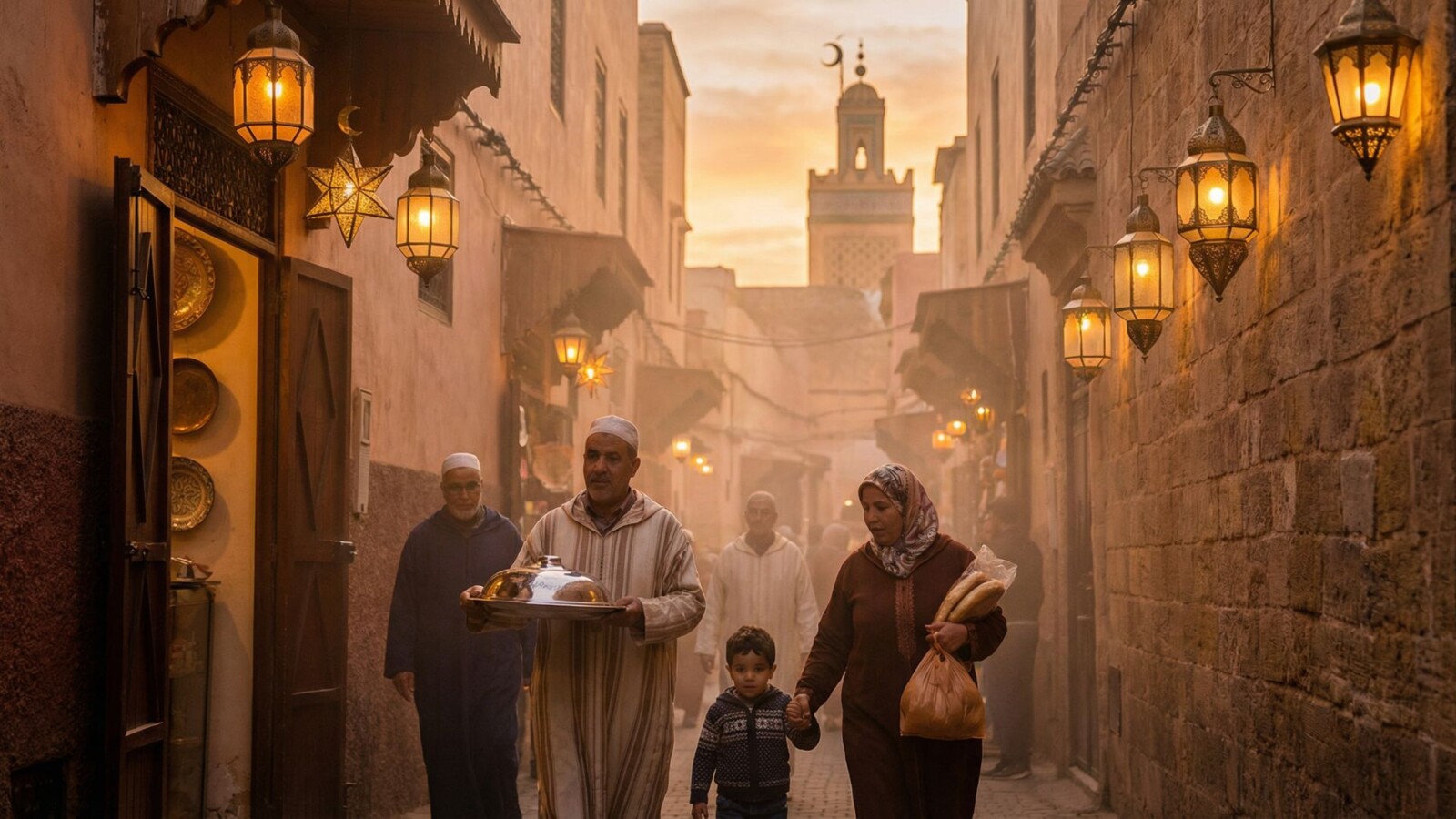
Moroccan medina street at sunset during Ramadan with traditional lanterns glowing and family carrying iftar food home with mosque minaret in background
Ramadan transforms Morocco in ways that surprise first-time visitors. The holy month brings a rhythm entirely different from the rest of the year, with bustling nights replacing active days and a spiritual atmosphere settling over cities and villages alike. For travelers considering a visit during this time, understanding what Ramadan means to Moroccans provides essential context. This knowledge forms the foundation for anyone exploring Morocco during Ramadan and wanting to experience the country authentically rather than simply navigating around the fast.
The spiritual heart of the Moroccan year
Ramadan holds a place in Moroccan culture that goes far beyond religious obligation. The ninth month of the Islamic lunar calendar commemorates the revelation of the Quran to the Prophet Muhammad and represents one of the five pillars of Islam. For the roughly 99 percent of Moroccans who identify as Muslim, this month carries profound significance that shapes everything from work schedules to family dynamics to social expectations.
The fast itself runs from dawn to sunset each day. During this period, observant Muslims abstain from food, water, smoking, and other physical pleasures. But reducing Ramadan to its restrictions misses the point entirely. Moroccans view this month as a time of spiritual renewal, charitable giving, family connection, and community celebration. The sacrifice of fasting creates space for reflection and gratitude that permeates daily life.
“Ramadan is when Morocco feels most like itself,” explains Hassan, a tour guide in Fes who has worked with international visitors for over fifteen years. “The rest of the year we are busy with work, with tourists, with making money. Ramadan reminds us what matters.”
How daily life shifts during the holy month
The transformation of daily rhythms during Ramadan can disorient travelers unfamiliar with the pattern. Understanding this shift helps visitors adapt rather than fight against the current.
Mornings start later than usual. Since many people stay up late for evening meals and prayers, the early hours see reduced activity. Shops that might normally open at nine push their hours to ten or eleven. Streets feel quieter. The usual bustle of commerce takes time to build.
Afternoons bring a noticeable slowdown. Energy levels drop as fasting bodies conserve resources. Many businesses close entirely between two and five in the afternoon. The medinas that normally buzz with activity fall into an almost dreamlike calm. This can frustrate travelers expecting constant access but rewards those who adjust their own pace accordingly.
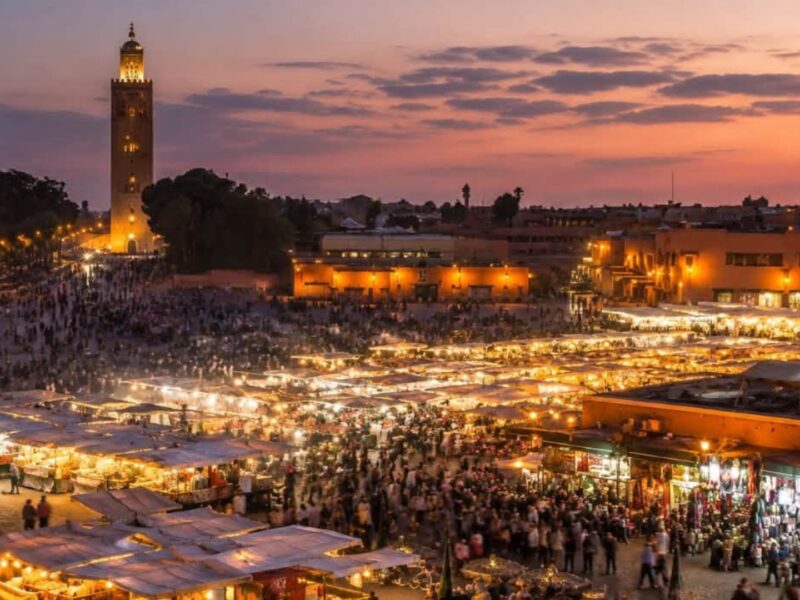
The magic happens at sunset. As the call to prayer announces the breaking of the fast, Morocco awakens in ways ordinary evenings never match. Streets fill with people. Restaurants overflow. Markets come alive with food vendors and shoppers. The hours between iftar and midnight become the most vibrant of the day.
Late nights extend until suhoor, the pre-dawn meal eaten before the next day’s fast begins. Many Moroccans stay awake through the early morning hours, creating a nighttime culture that visitors from Western countries rarely experience elsewhere.
| Time of day | What to expect | Traveler implications |
| Early morning (6-10am) | Quiet streets, limited services | Good for peaceful walks, photography |
| Late morning (10am-2pm) | Gradual activity increase | Shops open, tours available |
| Afternoon (2-6pm) | Slowdown period, many closures | Rest, read, retreat to accommodation |
| Sunset (iftar time) | Burst of activity, communal eating | Join the celebration, dine well |
| Evening (8pm-midnight) | Peak social hours | Best time for medina exploration |
| Late night (midnight-3am) | Continued activity, suhoor meals | Experience unique atmosphere |
The communal nature of fasting
What strikes most visitors about Ramadan in Morocco is how collective the experience feels. Fasting alone would be mere deprivation. Fasting together creates something closer to celebration.
Families gather for iftar in numbers that might only occur on holidays elsewhere. Extended relatives who live across the city make efforts to share meals together multiple times weekly. Neighbors check on each other. Strangers share food with those who have less.
The charitable dimension of Ramadan manifests visibly throughout Moroccan cities. Mosques organize community iftars for those who cannot afford their own meals. Wealthy families sponsor feeding programs. The concept of zakat, obligatory charitable giving that intensifies during Ramadan, moves from abstract religious principle to concrete action on streets throughout the country.
This communal spirit often extends to tourists. Invitations to join family iftars happen with surprising frequency. Shop owners offer dates or milk to foreign visitors as sunset approaches. The hospitality that defines Moroccan culture amplifies during this month rather than retreating behind religious boundaries.
The spiritual atmosphere visitors notice
Beyond the practical changes, something intangible shifts in Morocco during Ramadan. Call it atmosphere, spirit, or simply mood. Travelers consistently describe sensing something different in the air.
Mosques fill beyond capacity for evening prayers. The sound of Quran recitation drifts from homes and shops throughout the night. Conversations turn toward faith, family, and meaning more readily than during ordinary months. Even in tourist areas, a certain seriousness underlies the usual commercial hustle.
For non-Muslim visitors, this atmosphere can feel either welcoming or alienating depending on attitude and expectations. Those who approach with curiosity and respect typically find Moroccans eager to explain traditions and share experiences. Those who view religious observance as an inconvenience to work around often leave frustrated.
The atmosphere also varies significantly by location. Traditional cities like Fes embrace Ramadan with particular intensity. More tourist-oriented destinations like Marrakech maintain familiar services while still observing the month. Coastal resort towns may feel almost normal to visitors staying within hotel compounds.
Why some travelers specifically choose Ramadan
A growing segment of visitors now time their trips to coincide with Ramadan deliberately rather than accidentally. Several factors drive this counterintuitive choice.
Crowds thin dramatically. The tourists who might otherwise pack the souks and riads often postpone trips, assuming the month presents insurmountable challenges. Those who come anyway find shorter lines, easier reservations, and more personal attention from guides and vendors.
Prices sometimes drop. Some accommodations and tour operators offer reduced rates to attract the visitors who do come. The economics of lower demand can work in travelers’ favor, particularly at higher-end properties competing for limited guests.
The cultural experience deepens. Travelers interested in understanding Morocco beyond its photogenic surfaces find Ramadan reveals dimensions invisible during ordinary visits. The spiritual significance, family dynamics, and community bonds that define Moroccan identity become visible in ways they simply are not during other months.
“I came to Morocco three times before my Ramadan visit,” said Jennifer, a teacher from Colorado who spent two weeks in Morocco during the holy month. “Those trips were wonderful, but this one showed me something different. I finally felt like I understood what mattered to the people I was meeting.”
Common misconceptions worth correcting
Several myths circulate about traveling during Ramadan that deserve correction.
The idea that tourists cannot eat during daylight hours is false. While eating in public during fasting hours shows cultural insensitivity, restaurants in tourist areas serve meals, hotels provide full service to guests, and nobody expects non-Muslims to fast. Discretion rather than deprivation is what the situation requires.
The belief that everything closes proves equally mistaken. Tourist infrastructure adapts rather than shuts down. Major attractions remain open with adjusted hours. Tours continue to operate. The country does not stop functioning simply because its citizens are fasting.
The assumption that Moroccans resent tourists during Ramadan contradicts most travelers’ actual experiences. More often, visitors report warmer interactions than usual. The charitable spirit of the month extends to hospitality toward guests. The slower pace allows for conversations that busier times preclude.
Making the most of the holy month
Travelers who embrace Ramadan rather than resisting it consistently report positive experiences. This means adjusting schedules to match local rhythms, showing respect for those who are fasting, and approaching the month as an opportunity rather than an obstacle.
The unique character of Ramadan travel requires practical adaptations. Understanding what stays open and when helps with planning sightseeing. Learning proper etiquette shows respect and earns appreciation. Knowing what to expect from the iftar experience allows travelers to participate meaningfully rather than observing awkwardly.
For those willing to step outside comfort zones and engage with a culture in one of its most authentic expressions, Ramadan offers something no ordinary visit can match. The question is not whether Morocco remains worth visiting during the holy month. The question is whether you are ready for what it has to offer.
What aspect of Ramadan in Morocco intrigues you most, and what concerns might hold you back from visiting during this unique time?