
Getting gloriously lost in Fez: when a wrong turn becomes the best part of your trip
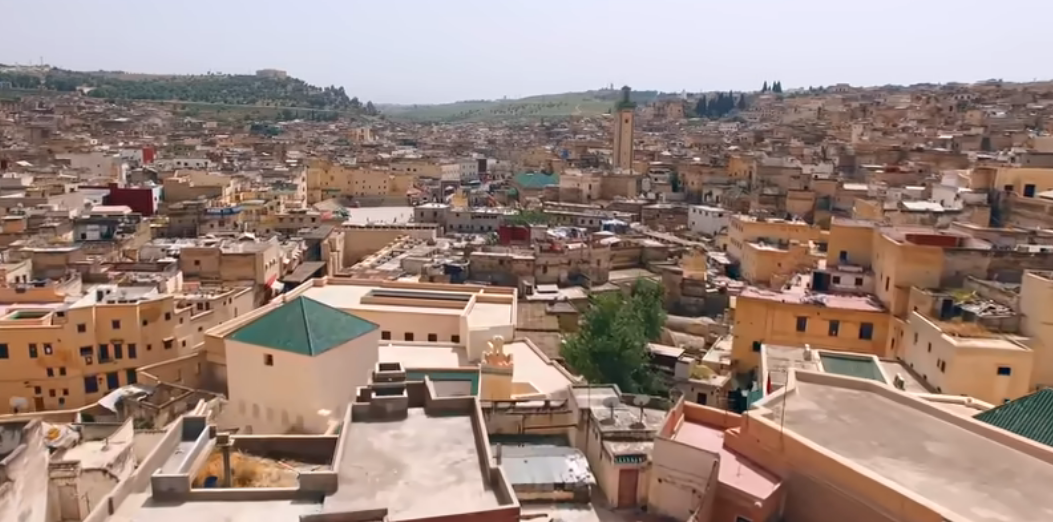
Sometimes the most memorable travel moments happen when you throw the map away and let a stranger hand you a cup of mint tea.
That’s exactly what happened to a group of American travelers who recently documented their first day wandering through the ancient medina of Fez, Morocco. What started as a structured walking tour quickly transformed into something far more valuable: an unscripted masterclass in human connection, delivered by butchers, artists, and shopkeepers who had no agenda other than sharing their corner of the world.
For travelers accustomed to the polished efficiency of American tourism, where every experience comes with a price tag and a time limit, Fez operates on an entirely different wavelength. Here, a random encounter at a leather shop can turn into an impromptu music session. A wrong turn down a narrow alley might lead to free tea with strangers who treat you like long-lost family. And a simple question about street names can unlock centuries of history from someone who learned it not from books, but from generations of lived experience.
Arriving in Morocco’s spiritual capital
The journey to Fez begins before you even arrive. A train ride from Rabat costs roughly $14 per person for first class seating, or half that for second class, and takes just under three hours through rolling Moroccan countryside that looks like something out of a period film. The landscape shifts between agricultural valleys and distant mountain ranges, offering a gentle introduction to a country that refuses to be rushed.
Accommodations inside the medina provide an immediate immersion into Moroccan culture. Traditional riads, those inward-facing homes built around open courtyards, offer rooms starting around $52 per night and typically include breakfast spreads generous enough to fuel an entire day of exploration. Rooftop terraces deliver panoramic views across the ancient city, where the call to prayer echoes off centuries-old walls and the morning air carries hints of spices, fresh bread, and wood smoke.
The weather cooperates too. While much of America bakes through summer or freezes through winter, Fez often enjoys moderate temperatures in the mid-60s, perfect for walking the thousands of alleyways that make up the world’s largest car-free urban area.
Through the blue gate and into another century
The Blue Gate, or Bab Bou Jeloud, serves as the primary entrance to the Fez medina and has welcomed visitors since the 12th century. Stepping through its iconic blue-tiled archway feels less like entering a neighborhood and more like passing through a portal. On one side, modern Morocco with its cars and convenience stores. On the other, a maze of over 9,000 shops and stalls that has operated continuously for more than a millennium.
The sensory experience hits immediately. Live music from unseen musicians. The clip-clop of donkeys, still the primary delivery vehicles in streets too narrow for anything motorized. Chickens dozing in wooden crates. The sharp tang of leather mixing with the sweetness of fresh pastries. Colors everywhere, from hand-dyed fabrics to pyramids of spices to the endless variations of Moroccan tilework.
First-time visitors often describe feeling overwhelmed, and that reaction makes perfect sense. American cities are designed for efficiency, with clear signage, logical street grids, and minimal surprises. The Fez medina operates on opposite principles. Streets curve without warning. Dead ends appear randomly. Landmarks repeat themselves in confusing patterns. Getting lost isn’t a risk here; it’s practically mandatory.
But here’s what experienced travelers eventually realize: getting lost is the entire point.
The craftsmen who keep traditions alive
One of the most striking aspects of wandering through Fez is encountering artisans who practice skills passed down through countless generations. These aren’t museum exhibits or staged demonstrations for tourists. These are working professionals earning their living the same way their fathers and grandfathers did.
A butcher named Ahmed shared his story with visiting Americans, explaining how he began learning the trade as a schoolboy, sitting beside his father and gradually mastering techniques that machines simply cannot replicate. His hands, trained from childhood, process meat with a precision that industrial equipment would struggle to match.
“Everything in Morocco, the most important thing for people who don’t know, is it’s all handmade,” Ahmed explained. “It’s not the same like in Europe or another country where everything is by machine.”
That sentiment echoes throughout the medina. Leather workers scrape animal hides by hand using methods unchanged for centuries. Berber artists create paintings on processed camel and cow skins, continuing artistic traditions spanning more than 30 years within single families. Metalworkers shape copper and brass into intricate patterns using tools their ancestors would recognize.
| Craft | Traditional Method | Time to Master |
| Leather Tanning | Natural dye vats, hand processing | 7-10 years |
| Berber Painting | Animal skin canvas, natural pigments | 5-8 years |
| Butchery | Hand cutting, traditional techniques | 10+ years |
| Metalwork | Hand hammering, fire shaping | 8-12 years |
For American visitors accustomed to mass production and next-day delivery, watching these craftsmen work provides a powerful reminder of what gets lost when efficiency becomes the only priority.
When strangers become tour guides
Perhaps the most unexpected element of exploring Fez is how frequently locals volunteer their time and knowledge without expecting anything in return. This runs counter to warnings that many travel guides issue about aggressive salespeople and scam artists, which certainly exist but tell only part of the story.
Near a 14th-century water clock, one of the earliest hydraulic timekeeping devices ever created, a local resident noticed confused tourists and simply took over guide duties. He explained how the 12 windows on the clock face represented hours, how water power drove the mechanism, and shared details about his neighborhood’s history. No sales pitch followed. Just genuine enthusiasm for his city’s heritage.
Similar encounters repeated throughout the day. A shop owner invited visitors inside just to play music for them. A group of locals insisted on sharing tea and taking photos together, wanting nothing more than friendly conversation. A leather craftsman demonstrated how camel skin could be transformed into both drums and artwork, explaining each step of the process with obvious pride in his work.
“The human connection is what makes it magical,” one traveler observed after the trip. “They were just so genuine with their emotion toward us. The love and the brotherhood. It was like family.”
That family feeling extends even to commercial transactions. Bargaining in Moroccan markets follows unwritten rules that prioritize relationship-building over pure profit maximization. A leather purse might start at 300 dirhams and settle at 60, roughly $6, with a free keychain thrown in because the seller enjoyed the negotiation. Both parties walk away satisfied, having participated in a social ritual as much as an economic exchange.
Finding rest in the chaos
Smart travelers recognize that the medina’s intensity requires strategic breaks. The stimulation that makes Fez so fascinating can also become exhausting without periodic retreats to quieter spaces.
Cafes throughout the medina offer refuge, with mint tea and small snacks providing fuel for continued exploration. One particularly memorable spot, set within the ruins of an ancient building and featuring unexpected garden courtyards complete with wandering turtles, demonstrates how Fez blends the historic and the surprising at every turn.
These rest stops also provide opportunities for reflection. One American mother, pausing over tea after watching leather workers and craftsmen throughout the morning, expressed a sentiment that many visitors share:
“It’s surprising how difficult their labor is and how hard they work. It makes me appreciate the price I paid, which probably wasn’t enough for the purse I just bought.”
That realization, understanding the human effort behind handmade goods, transforms shopping from mere consumption into something more meaningful. The leather bag becomes a connection to Ahmed the butcher, to the tannery workers visible from rooftop terraces, to generations of Moroccan families who built their lives around these ancient trades.
The famous tanneries of Fez
No visit to Fez is complete without witnessing the tanneries, those iconic dyeing pits that have operated in roughly the same location for nearly a thousand years. For a small fee, shop owners along the perimeter allow visitors onto their rooftop terraces, usually offering mint leaves to hold against the nose since the smell of the tanning process can be intense.
The view from above reveals a patchwork of circular stone vats filled with various colored dyes, workers moving between them with practiced efficiency, and animal hides in various stages of processing. Yellow vats contain saffron and poppy. The red uses henna. The blue comes from indigo. Nothing synthetic, nothing rushed, nothing fundamentally different from how leather has been made here since medieval times.
Workers explain which skins serve which purposes. Goat leather makes the best drums. Cow and camel hides work well for jackets and bags. Each animal, each treatment, each dye combination produces different results, knowledge accumulated over centuries and passed down through apprenticeship rather than formal education.
What travelers should know
Practical information helps, but only to a point. Fez resists the kind of systematic planning that American travelers often prefer. Flexibility matters more than itineraries here.
That said, a few tips make the experience smoother. Comfortable walking shoes are essential since the medina’s stone streets can punish unprepared feet. Carrying small bills in dirhams facilitates smoother transactions than fumbling with large notes. Staying hydrated matters, especially during warmer months. And perhaps most importantly, leaving extra time in the schedule allows for those unplanned encounters that transform a good trip into an unforgettable one.
The medina’s layout confuses even experienced navigators. Rather than fighting this reality, embracing it leads to better outcomes. Getting lost means finding unexpected shops, meeting unplanned locals, and discovering corners of the city that no guidebook covers.
More than a destination
Fez offers American travelers something increasingly rare in our hyper-connected, algorithmically optimized world: genuine surprise. You cannot predict what will happen when you step through the Blue Gate. Who you will meet or what stories they will share remains equally unknown. Show up with curiosity and openness, trusting that a city which has welcomed visitors for over a thousand years knows how to deliver experiences worth remembering.
The Moroccan hospitality that visitors describe as “unreal” stems from cultural values that prioritize human connection over transactional efficiency. In a country where handmade still means something, where craftsmen take pride in skills their great-grandchildren will inherit, where strangers offer tea simply because sharing brings joy, the rules that govern American travel simply don’t apply.
For those willing to surrender their need for control and embrace the beautiful chaos of one of the world’s oldest continuously inhabited cities, Fez delivers rewards that no amount of planning could produce.
For a firsthand look at navigating the Fez medina, the original video documentation provides additional context and atmosphere:
Have you ever had a travel experience where getting lost turned out better than following the plan? What unexpected connections have shaped your most memorable trips?

Just pretty cool