History of Morocco: a curious traveler’s guide to 3,000 years in one country

Morocco sits where Africa meets the Atlantic and the Mediterranean. That position shaped its people, languages, and cities. Traders, scholars, farmers, sailors, and nomads built a culture that stretches from Roman stones to cedar forests and from blue Atlantic coves to the rim of the Sahara. You can feel that mix in a Marrakesh side alley at noon and in a desert camp under cold stars. The story is wide, yet it moves in clear lines. Similarly, old routes become new roads. Moreover, old courts become open squares. Faith, craft, and food keep the thread tight.
This guide walks the long road at a human pace. It blends big turns with small scenes so the past feels close to the ground. You will meet Berber roots, imperial builders, Andalusian memory, caravan trails, the shock of colonization, and the steady work of a modern state finding its voice. When a name or date shows up, it does so to light a path, not to weigh you down. If a place calls your name, go. The best way to learn the history of Morocco is to walk it with open eyes and time in your pocket.
Early Morocco: Berber roots and first states
Before borders and dynasties, there were paths cut by herders and hunters. The first chapters run long before writing. Rock art in high plateaus shows cattle, gazelle, and figures under rain that no longer falls. As the Sahara dried, people moved toward rivers, coasts, and mountain folds. They learned to live with wind and wait for brief seasons. In fact, the word Berber is a later label. The older truth is many tribes and tongues, linked by trade, marriage, and the skill to read land. This deep past, from prehistory to the Phoenicians and the coming of Islam, is traced in the guide to ancient Morocco history.
Coasts drew strangers. Phoenician sailors set up small posts near Lixus and Mogador. They wanted metals and fish. They brought jars, dyes, and the habit of counting. Carthage rose and fell. Rome stepped in and left roads, press stones for olives, and the fine grid of Volubilis. Yet even at Rome’s edge, mountain tribes kept their rule and rhythm. However, the Rif and Atlas acted like deep moats of rock and snow. Power from outside held the plains and ports. Still, the hills and desert kept their own time.
Islam and the first states
Islam changed the map by changing the center. Not at once. First came scouts and small garrisons. Then came faith taught in courtyards, then in zawiyas that trained judges and scribes. Converts did not stop being who they were. They added a strong new thread. Additionally, Arabic joined Tamazight. Furthermore, law joined custom. Caravans began to knit oases and markets across the south with dates, salt, leather, and knowledge. Prayer times set a shared day from Tangier to the dunes.
A state took shape around a person and a place. Idris arrived as a refugee and found support among tribes near the fertile valleys of the north. His son built Fes by joining two riverbank towns. From there, power spread when the harvest was good and the alliances held. Similarly, when both failed, rule pulled back to the core. When both failed, rule pulled back to the core. That push and pull set a pattern you still see. Furthermore, cities grow from trade and teaching. Tribes bargain for space and respect. Indeed, the court works when it listens and shares the load.
What did daily life feel like in these early frames. Think of terraced fields on foothills. Think of cedar beams dark with smoke. Women grinding grain on flat stones while a child chases a goat. Markets on fixed days. Wool dyed with plants. Copper pots hammered thin. Evening talk with dates and mint. Songs that carry place names and the names of grandparents. Change comes, but people hold on to skills that keep a household steady when harvests swing.
You can touch this layer on the ground. Walk Roman streets at Volubilis and run your hand over grooves cut by cart wheels. Hear the river at Fes and look up at cedar ceilings that grew from old forest. Hike in the Middle Atlas and see dry stone walls that hold earth in place after snowmelt. These are not museum pieces. Indeed, they are working parts of a long machine for living in mixed terrain.
Memory, craft, and continuity
Memory moves by story and by craft. Rural shrines mark saints who once healed with herbs and careful words. Weaving keeps clan signs in tight patterns that please the eye and carry meaning. Music holds scales that bend like a path around a ridge. When you hear ahidous in a mountain village you are listening to the steady beat of a community marking harvest or marriage. Still, the dance steps look simple. Indeed, they bind a circle.
Travelers often ask when Morocco became Morocco. The short answer is that identity formed when people learned to cooperate across hard ground. The longer answer is that the process kept restarting. A strong leader collects tribes. A city grows on a river bend. A court funds scholars. Then drought or war or pride breaks the spell and power scatters. Still, the next build begins with the same raw parts. In short, faith, trade, and the will to stay put.
If you want a focused walk through this first span with sites and dates laid out for trip planning, explore the extended guide to early Morocco foundations for routes that link Volubilis, Fes, and Atlas villages in a clean loop, available at Early Morocco Foundations.
Imperial cities: power, faith, and urban style
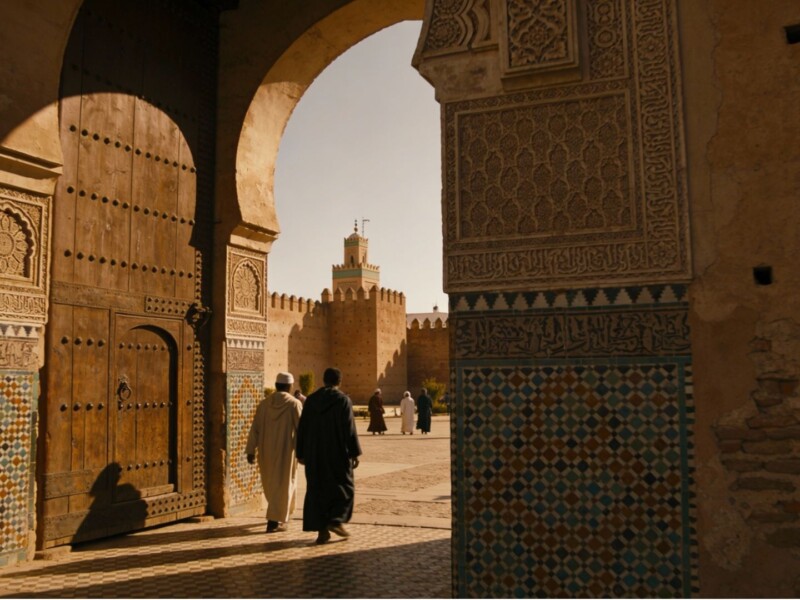
Morocco’s story gathers speed in four cities. Fes. Marrakesh. Meknes. Rabat. Each was a capital at a key moment. Furthermore, each shaped taste and law. Furthermore, together they frame how rule worked and how people lived under that rule. The same mountains guard the edges. The same trade winds fill sails on the coast. Yet each city feels different when you step through the gate.
For example, Fes carries the voice of scholars. Madrassas line tight streets where mules still haul leather and lime. Water channels cool courtyards and feed tanneries. Craft guilds sit door to door. You feel an old promise here. Learn, trade, pray, and the city will take care of you. The rhythm depends on hands that know their tools and a network that trusts weights and measures.
Marrakesh speaks in broad strokes. Palm shade. Red walls. A square that shifts by the hour. The Almoravids built canals to pull snowmelt across the plain. Similarly, the Almohads raised towers that still cast long shadows at sunset. Later dynasties patched, rebuilt, and added gardens to rest the eyes after dust and heat, the imperial story told in cities of power. Indeed, Marrakesh feels like a court in motion. Indeed, deals at noon. Music at night.
Meknes is the reach of one ruler turned into stone. Granaries. Stables. Gates as high as a ship’s mast. Moulay Ismail wanted a capital that proved control to friend and rival. He did it with walls that still stand and with roads that tied farms to the city. In fact, the scale is a lesson. A strong hand can build fast when grain and labor flow in the same direction.
Rabat looks out at the Atlantic and keeps its shoulders loose. It grew from a ribat, a fortified monastery, and later took the role of capital with a calmer face. Wide boulevards sit next to the medina. The ocean, the river, and the breeze make a steady backdrop. You feel a state learning to work with embassies, ports, and files as much as with spears and saddles.
Learning, craft, and water
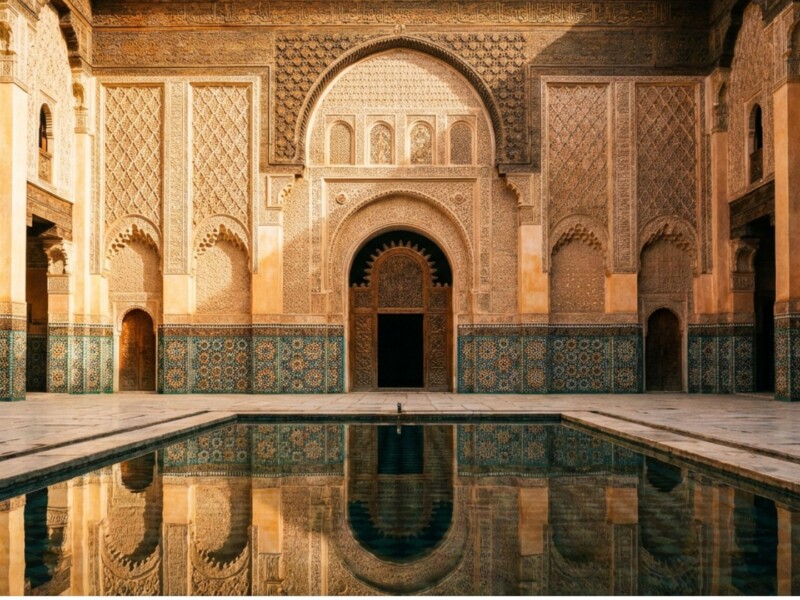
What joins these places is craft and water. Courts hired builders who knew geometry and wood. They made cedar ceilings that carry stars and vines. They set zellij in patient pieces. They wrote lines from the Quran in light and shadow. Furthermore, they also dug, lined, and guarded waterworks. After all, a capital fails if fountains dry. As a result, sultans who kept canals clean earned Friday blessings and quiet nights.
Power moved as alliances shifted. A dynasty would rise with help from tribes to the south or soldiers from the north. It would choose a city for reach or for safety. It would tax the right harvests and fund walls and schools. Then a drought, a defeat, or a stubborn heir could loosen the knot. The court would go thin, then fall. Subsequently, another house would take a turn with its own base and style.
Markets turned royal plans into daily bread. Grain in from the plains. Wool and hides in from the hills. Sugar, copper, and tea in through ports. From the city went leather, carved wood, and fine cloth. Additionally, trust ran along family lines and across language lines. Arabic in the courts and mosques. Tamazight in mountain lanes. Judeo-Arabic in counting houses. As a result, the mix kept the economy resilient when one route failed.
Visitors sometimes expect a single look for an Islamic city. Morocco resists that. Fes holds dense lanes, slow water, and learning. Marrakesh opens like a palm and hums. Meknes stretches and repeats forms until you feel the will of one mind. Rabat blends marine light with a measured grid. Indeed, the variety is the point. As a result, rule adapts to land and to the tools at hand.
If you plan to focus your trip around these cores, a practical path links them with short rail hops and walks at dawn and late day. You can taste the whole arc in a week if you move with care. Two weeks lets you sit and notice small things. The way plaster takes on a warm tone at noon. For instance, the way a coppersmith tilts his head to judge a rim. The way a call to prayer bends around a corner and returns softer than before.
Daily life under imperial rule
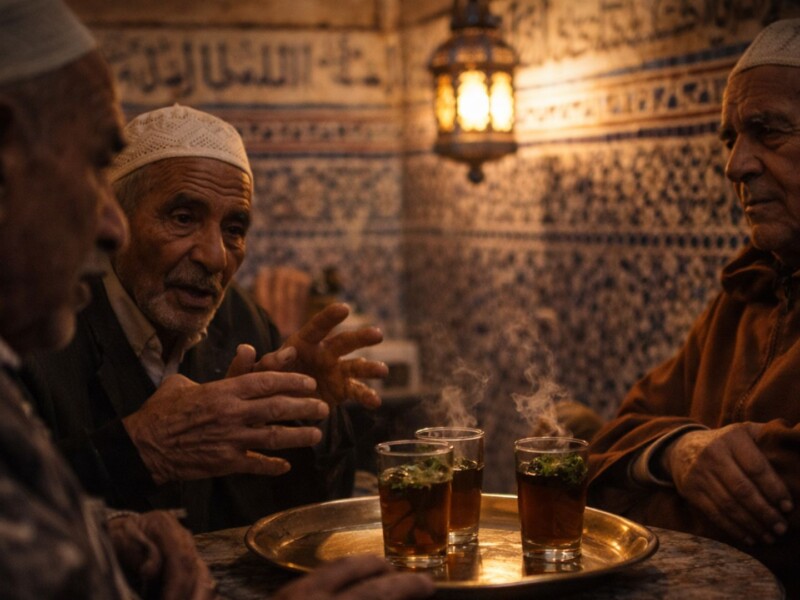
Courts shaped manners as much as buildings. Hosts pour tea high to cool it and to show respect. Doors split in two leaves so guests and family move with comfort. Shoes rest at thresholds so rooms stay clean for prayer and talk. Indeed, these habits are old. They travel well across time. You will meet them in homes and small riads that keep the thread alive without fuss.
Learning stayed close to law and trade. Jurists wrote opinions that balanced text with grain prices and river levels. Sufi orders taught patience and service. Still, their lodges still feed travelers and the poor. Craft masters trained apprentices who began with sweeping floors and ended with signing pieces that last a lifetime. Furthermore, this is the fabric that held when thrones changed hands.
Walk with a gentle pace and the story will meet you in doorways and on steps. Run your fingers along a zellij border and feel a tiny chip where a cutter’s hand slipped after hours of work. Stand by a norias wheel and watch buckets lift green water into a garden. Count the horses carved into a cedar lintel at a city gate, echoes of the living Tbourida equestrian tradition. Indeed, history is not a speech. It is a thousand small choices done well.
To dive deeper into routes, courtyards, and the way capitals rose and fell, set aside time for a focused guide to imperial cities of Morocco with walking maps and quiet corners for each stop, at Imperial Cities Of Morocco.
Sea gates and Atlantic trade
Coastlines shaped the history of Morocco as much as deserts and mountains did. Ships came with grain, timber, and ideas. Ships left with leather, sugar, wool, and later phosphates and citrus. Consequently, harbors rose, fell, and rose again as winds, empires, and trade routes changed. Indeed, stand on a pier at dusk and you feel that long thread tug at your sleeve.
Tangier sits at a strait so narrow you can count trucks on the Spanish coast. Diplomats and traders shared tables here for centuries. Treaties were signed in rooms that smelled of salt and ink. The city learned to speak many tongues because ships paid better when a deal closed fast. However, this mix did not erase old habits. Markets still hum with olives, fish, and copper by sunrise.
Asilah kept a quieter face, with walls washed by Atlantic weather. Furthermore, the rhythm is fishing first, art second, and trade in the lanes that run between the two. South of the strait the sea turns from steel to deep blue and the surf drags a steady bass line under daily talk. You can feel how small ports fed larger ones, each sending what it could load in a morning.
Rabat and Salé share a river mouth and a stubborn streak. Corsairs once made these twin towns a base, then later a memory. Still, the lesson stayed. River access matters. Grain moved inland with less loss when boats could ride a tide. Similarly, wood for ship masts came down from the Middle Atlas. Leather and wool crossed bridges that still carry traffic today. As a result, government offices followed the logic of trade and set up shop near the quays.
Casablanca grew fast on concrete and crane arms. A small anchorage became a major port when steam and steel took over. As a result, rail lines met docks, and factories stood close enough to smell the tide. Indeed, the city taught the country how to manage scale. Warehouses kept goods dry. Cold storage let fish travel farther. When people say modern Morocco, they often picture this skyline against white surf.
Safi and Essaouira show two sides of wind and water. Safi ties the sea to ceramics and to industry. Kilns glow inland while trawlers unload sardines and hake. Essaouira rides the trade winds with blue boats and gulls in a tight spiral. Its grid was planned for flow and safety. Salt, gum, and sugar once moved through these gates to Europe and the Americas. Moreover, Gnawa music tells a deeper story that crossed with the same currents.
Agadir sits on a wide bay that opens the south. After the quake of 1960 the rebuild followed the line of the beach. Roads now push deep into the Souss and the Sahara fringe. Almonds, argan oil, tomatoes, and fish leave in steady streams. Tourism fills rooms, then feeds back into farms and ports through demand. When you track the numbers, you see how the coast helps balance the seasons inland.
Faith, culture, and exchange
Atlantic trade moved people and faith as much as goods. Merchants built lodges and prayer rooms near docks. Jewish families ran counting houses and carried letters of credit between cities. Andalusian refugees brought skills in water and music that found new homes in coastal quarters. Over time the sea tied these cultures into a flexible net that caught opportunity and shared risk.
Power watched the coast closely. The Almoravids and Almohads taxed cargo to fund walls and canals inland. The Saadians pushed the Portuguese out of key points and pulled sugar wealth through ports to build schools and gardens. Later the protectorate years layered rail, customs houses, and breakwaters that still work today. Each phase left structures that tell you what mattered to rulers at that moment.
Resilience and the sea
Fishing teaches a simple truth. You do not control the sea. You read it, respect it, and adjust. In fact, coastal Morocco learned that early. For example, when sardines ran thin, canneries switched shift timings. When storms hit, shipwrights checked ribs and deck seams. When a market closed, traders found another. This habit of small pivots helped the country ride bigger waves in politics and weather.
Travelers feel the sea’s pull in food. Anchovy on warm bread. Grilled sardines with salt and a squeeze of lemon. Harira with a deep stock after a windy walk. Markets near ports give you a sense of the day’s catch and the week’s price. You see the link between a boat’s dawn and a cook’s noon. Therefore, the story of the coast lives in that tight loop.
If you want to plan a route that follows wind, fish, and fort walls, spend time with a focused tour of the Atlantic ports of Morocco and their walking quays and food streets, at Atlantic Ports Of Morocco.
Caravan routes and Saharan gateways
Long before steam and rail, Morocco moved on foot, hoof, and patience. Caravans crossed dry basins and stony plateaus with the pace of a heartbeat. They tied the Atlas to the Niger bend and the oases to the ocean. Salt moved north. Gold moved south. Ideas and songs moved both ways and stayed.
Sijilmassa sat near today’s Rissani and watched this tide for centuries. It grew on dates, tolls, and trust. Guides read the wind and the stars. Water keepers knew which wells were sweet and which were bitter. A single mistake could end a season. Similarly, a good call could fill many bowls. As a result, the town learned to value clear books and quick repairs.
The Draa Valley shows how a river writes history on the land. Kasbahs line the palm belt like watchful elders. Irrigation channels split and rejoin with a calm logic. Families measured time by harvests and by the sound of goats at dusk. Also, trade added spice and cloth to this rhythm. It also brought new stories that joined old ones around the fire.
Zagora marks the start of the long push south. A famous sign once said Timbuktu 52 days. It still feels like a threshold. Tea tastes different after a day out on the reg. Your body slows to the pace of shade and wind. Small fixes matter. For example, a stitch on a saddle bag. A new knot on a rope. This focus helped merchants survive hard miles and thin margins.
Furthermore, Ouarzazate grew on planning and light. The French drew lines for roads and depots. Film crews later found dry air and wide skies. Indeed, the city still acts as a hinge between mountains and desert. Trucks run east to Errachidia and south to Agdz. Buses climb the Tizi n’Tichka toward Marrakesh. Similarly, the old caravan math lives on in fuel stops and market days.
Tamegroute holds books as carefully as others hold grain. Indeed, the library keeps treatises on math, law, and travel. Pages crossed with caravans and stayed in cool rooms of mud and palm beams. The green pottery comes from the same patience. Clay settles. Glaze rests. Kilns breathe at night. Similarly, you see the craft logic that also steered journeys across dunes.
Security and Saharan wisdom
Fortified villages along the Dades and Todra tell a quiet truth. Security beats speed in hard years. Towers face the path. Corners turn in ways that slow a stranger. Granaries sit high and dry. When rain failed or raids rose, these walls kept dates, seed, and hope intact. Trade paid for upkeep and for repairs after floods. Therefore, the balance held.
Camels taught merchants how to count risk. Water per day. Load per back. Distance per dawn. This made the culture of the caravan a school for practical minds. Furthermore, it also shaped a taste for modest gear and good company. People shared tea, shade, and small songs that mark distance better than a stick in sand.
When the Atlantic took more cargo, the oases did not fade. They shifted to serve new roads and new crops. Eventually, trucks replaced strings of camels. Solar pumps shared the job with khettara tunnels. Young people left for coastal work and sent money back for wells and school paint. Moreover, old routes became festival themes and hiking paths for travelers who like clean horizons.
The caravan ethos today
Modern travel still follows caravan sense. Start early. Read the sky. Respect the wind. Carry water and share extra. Keep your gear simple and your plans loose. Stop where locals stop. Pay for help. Say thank you. These rules work in dunes, valleys, and bus stations. They make days smoother and nights calmer.
Food tells the trade story in one bowl. Dates rest beside almonds. Cumin sits near saffron. Lamb cooks slow with prunes or apricots. Tea pours high to cool in the glass. Many parts meet and none shouts. That is the ideal of the route made edible. Indeed, it rewards patience and steady heat.
If the pull of dunes, palm belts, and old staging posts speaks to you, plan a loop that follows trans-Saharan caravan routes between Sijilmassa, the Draa, and Zagora at Trans Saharan Caravans In Morocco.
Colonial crosscurrents and independence
Europe arrived in force with maps, treaties, and banks. Morocco met this pressure with patience and sharp turns. French rule began in 1912. Spain held the north and the far south. Tangier stood apart as an international zone. Power felt split. Still, daily life adapted.
Casablanca grew fast. Piers reached into the swell. Cranes rose beside new boulevards. Trains linked farms to ships. The ville nouvelle model set wide streets next to old medinas. Fès kept its craft lanes. Marrakesh kept its pink dust. Change moved around them like a ring road.
The Rif said no. Abd el-Krim rallied tribes and fought both Spain and France. His republic held for a time. It fell under heavy force. Indeed, the lesson lived on. Mountain communities learned that unity changes odds. The state learned that respect for terrain is not optional.
Resistance and cultural expression
French planners drew schools and clinics into their plans. They also wrote tax codes that bit hard. Arabic and Amazigh voices pushed back with print and prayer. New cafés filled with debate. Furthermore, songs and poems spread fast news. Politics met culture at street level.
Mohammed V held a careful line. He met diplomats in salons and greeted crowds in squares. When Paris forced him into exile, the country froze in anger. Strikes spread. Markets stalled. As a result, his return in 1955 felt like a national exhale. As a result, independence followed in 1956.
Borders did not solve everything. Ceuta and Melilla stayed Spanish. The far south remained a question for later. Yet a thread was tied. Furthermore, a new flag hung over ports and courts. Nevertheless, the work of building began with the weight of the past still on the table.
Independence and new directions
Tourism felt the shift. Roads extended to valleys and coasts. Small hotels opened in medina houses. Guides moved from caravan trails to city gates. The world came for light, markets, and music. As a result, the country learned to host without losing its voice.
Many habits from the protectorate years remain visible. Railway clocks. Garden plans in Rabat. Port cranes in Casablanca. Yet the street sound is Moroccan. You hear it in the call to prayer, in a Gnawa rhythm, in a baker’s dawn. Indeed, old layers sit under fresh paint.
If you want a deeper walk through this era, the colonial era and independence timeline traces the path from protectorate to sovereignty with clear stops and maps at Colonial Morocco And The Road To Independence.
Modern Morocco, identity, and the Western Sahara question
Today’s Morocco mixes high speed trains and hillside ksour. A new theater opens in Rabat while a date market hums in Tafilalt. The country invests in roads, ports, and light industry. It also protects craft schools and palm groves. The result is motion with memory.
Politics move too. Institutions reform in steps. Elections shift coalitions. Civil society grows through clubs and local groups. Culture festivals and book fairs draw young readers and touring bands. Furthermore, soccer unites the street and the diaspora. Big wins light up cafés from Laâyoune to Tangier.
Territory, energy, and diplomacy
Energy strategy looks outward and inward at once. Solar fields near Ouarzazate feed the grid. Wind farms turn along the Atlantic. Rural projects bring steady power to remote hamlets. Indeed, this changes daily life. A chilled pharmacy. A lit classroom. A bakery with a reliable oven.
The Sahara question remains central. Morocco frames it as territorial integrity and regional development. The autonomy plan sits at the heart of that policy. Diplomatic ties warm with partners who favor stability and investment. Trade routes extend down the Atlantic coast toward West Africa.
On the ground the southern provinces build. New roads push to Dakhla. Laâyoune expands services and sports spaces. Fisheries modernize. Schools add training for logistics and tourism. Kitesurf bays fill in winter light. Birders map lagoons on calm mornings. Small guesthouses set tables with grilled dorade and tea.
Travel, society, and art
Identity widens rather than thins. Arabic and Amazigh share signs and songs. Sahrawi hassani poetry holds its meter in tents and town halls. Young chefs fold coastal spice into medina classics. Designers weave bold lines into old motifs. Indeed, the mix feels sure of itself.
Travel mirrors this mood. Visitors split time between headline cities and quiet edges. They ride trains to Fès and then a bus to a cedar grove. They shop for rugs and stay for stories. Guides speak of water cycles and family roots. As a result, trips become lessons in scale and care.
Security and access matter. Indeed, roads are patrolled. Airports upgrade. Rules at protected areas aim to balance footfall and habitat. In short, the idea is simple. Welcome people. Guard the places that make the welcome possible.
The social map changes fast. Youth programs teach code and cinema. Women take lead roles in co ops and clinics. The diaspora invests in small farms and cafés. Remittances pay for roofs and schoolbooks. Moreover, return visits carry new skills back into old lanes.
Art keeps pace. Street murals bloom in port districts. Galleries show photographs of dunes and harbors. Musicians sample Gnawa and synth lines. Film crews chase morning light in the Atlas. This creative flow shapes how the world sees the country and how the country sees itself.
History stays visible. Roman stones at Volubilis. Marinid arches in Fès. Almohad towers in Rabat. Almoravid foundations under Marrakesh. Indeed, each layer reminds you that Morocco has turned many corners and remained Morocco. That is the constant.
For a fuller look at current policy, regional dynamics, and travel context in the south, see the Western Sahara context guide at Modern Morocco And The Western Sahara Question.
The bottom line
The history of Morocco is a long road with many doors. Phoenician harbors gave way to Roman stones. Desert tribes shaped empires that crossed the sea. Andalusi music still moves in today’s cafés. Colonial lines faded and a modern state took shape. Each layer adds a voice rather than erasing the last.
Travelers feel this in small moments. A carved cedar lintel over a riad door. A call to prayer that rolls across a square. A museum label that names a dynasty and a workshop on the same line. The country lets you pass from one century to the next in a short walk. It asks only that you slow your step and keep your eyes open.
Indeed, this story is not finished. New tracks stretch across plains. Young artists sample old rhythms. Villages test solar pumps and better wells. The southern provinces welcome routes that tie coast to desert. Cities keep their courtyards cool while trains run faster between them. Still, memory and change move together.
Use this guide as a map and a mood board. Start with a museum or a medina gate. Furthermore, add a walk through an olive grove or a ksar at dusk. Save time for a talk with a craftswoman in a cooperative. Let the timeline of the country settle on you without rush.
If you want a first step that turns history into a living day, dip into the living heritage guide for crafts, riads, and festival tips at Living Heritage, Crafts, And Riads.