Ancient Morocco history: from Prehistory and the Phoenicians to the coming of Islam
I have walked Roman streets in Volubilis at sunrise and watched the Atlas turn pink. Every time I travel across Morocco I feel the weight of a long story under my feet. Ancient Morocco history is not a dry timeline. It is a living chain that still shapes trips, markets, and the way towns face the sun. If you want the full sweep from the first tools to modern capitals, start with our essential history of Morocco. What follows is the foundation stone.
First footsteps in the far West
Archaeology tells us that humans reached this corner of North Africa very early. Stone tools and fossils point to hominins living in what is now Morocco long before recorded time. Back then the Sahara was not the endless sand we imagine. It held grasslands and scattered forests. Rivers ran in shallow beds. People hunted, moved with the seasons, and learned to survive in a land that could turn from green to harsh in a single lifetime.
Between roughly 15,000 and 10,000 BC two waves of prehistoric cultures appeared in the Maghreb. Scholars call them Oranian and Capsian. Names come from places in Algeria and Tunisia, yet evidence stretches into Morocco as well. Rock art and stone points show a shift from pure hunting to a mixed life with herding and early crops. Over many centuries those groups blended with local peoples. Out of that blend grew the ancestors of the Amazigh. The word means “free men,” and it frames a deep identity that still runs through villages, mountain valleys, and city neighborhoods.
By the time outsiders arrived the Amazigh were already established. They kept flocks and small fields. They moved along inland routes and traded with coastal settlements. Their languages filled the mountains and the desert fringes. Many lived beyond the reach of any single ruler. That stubborn independence becomes a theme in every era that follows.
Phoenician sails and the first ports
From the east came Phoenician traders. They sailed out of Tyre and Sidon and followed the North African coast, looking for anchorages that could connect the Mediterranean to the Atlantic. They set up small posts in northern Morocco. Names you can still visit today appear in old accounts. Lixus near Larache. Tingis which became Tangier. Mogador which we call Essaouira. These stations were not empires. They were waypoints. Traders moved metals, salt fish, and purple dye. Locals swapped goods and knowledge. The sea linked very different worlds.
The Phoenicians later fed into Carthage, their powerful colony in modern Tunisia. Carthaginian sailors pushed farther along the Atlantic and told dramatic stories about riches to the south. Whether those tales were marketing or truth, the connection with Morocco mattered. Coastal towns learned new skills and ideas. Inland Amazigh groups watched and traded on their own terms. No one power controlled the whole picture.
Rome at the edge of the map
Rome changed the scale. After beating Carthage, the republic and then the empire turned to North Africa with a steady hand. In the first century AD Rome organized the far northwest as Mauretania Tingitana. It sounds grand. In reality Rome held a chain of cities and roads while highlands and deep valleys kept their freedom.
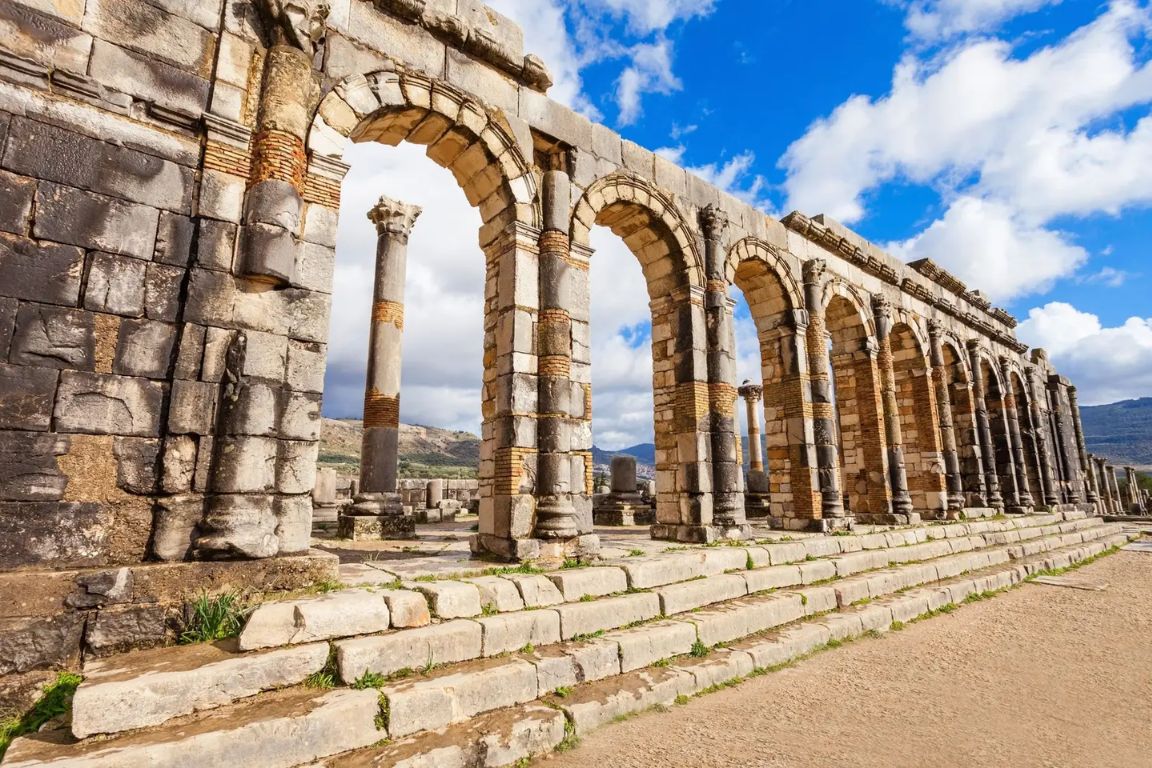
You can walk this period in a single morning at Volubilis near Moulay Idriss. Paved streets run between columns. Olive presses sit where they always sat. Mosaics brighten the floors of villas with dolphins and Venus. This city shipped oil and grain to the empire. It also lived with a frontier mindset. Beyond the walls lay the Rif and the Atlas. Tribes raided and traded by turns. Rome coped by buying allies and building forts. Tingis, or Tangier, guarded the Strait. Lixus guarded the fishing grounds. The empire’s reach was real yet limited.
By the third century Rome began to pull back. Pressure on borders and troubles at home mattered. The Mediterranean world was moving again. Christianity grew in towns. The Vandals surged across the sea from Spain and took control of the old Roman provinces. They held the coast. They never truly mastered the interior. Later the Byzantine empire retook parts of North Africa, but Morocco remained a patchwork. Power concentrated on ports and fertile plains. The mountains stayed Amazigh.
The coming of Islam
Nothing shaped Morocco more than Islam. In the seventh century a new faith rose in Arabia. Within decades Arab armies reached Egypt and then marched west. The first attempts to control the Maghreb faltered. The land was not easy. New rulers argued among themselves. Only in the late seventh century did a sustained push succeed. Commanders founded Kairouan in modern Tunisia and then pressed into Morocco.
Progress was not a straight line. A famous Berber leader named Qusayla beat the Arab general Uqba and drove forces east. Another wave followed with better alliances. Many Amazigh accepted Islam for its message and its social force. Converts fought as partners, not just subjects. The faith took root in towns and tribes, yet resentment against Arab governors soon flared. Berber communities pushed back and demanded equal standing.
One result of this new energy stood on a hill above the Sebou plain. Idriss, a descendant of the Prophet, fled east-west politics and found refuge among Amazigh tribes. He gained support and founded a small state in the late eighth century. His son Idriss II expanded it and laid the foundations of Fes. The city quickly grew into a seat of learning and trade. Scholars copied texts. Artisans wove fine cloth. Caravans came from the Sahara. Fes became one of the bright lights of the western Islamic world.
Memory you can still touch
Ancient Morocco is not locked behind glass. It is a road map for travel days. Head to the ruins of Lixus and stand above the river where tides meet the hills. Visit Volubilis for the mosaics, then walk to Moulay Idriss to feel the birth of the first dynasty. In Rabat explore the Chellah necropolis, where Roman stones and Marinid walls sit side by side. In coastal Essaouira the Phoenician idea of a wind-bold harbor lingers in the Atlantic spray.
Mountain villages carry Amazigh memory in everyday life. You hear it in language. You taste it in couscous on Fridays. You see it in spring transhumance when herders move flocks to higher ground. When a guide points to a remote granary clinging to a red cliff, that story reaches back to a time when security meant a stone vault above a canyon.
Why the early layers matter now
Travel feels richer when you know what came before. The way Morocco balances coast, mountain, and desert is not random. It grew out of old patterns of movement and trade. Cities that became capitals usually sit where routes cross. Fes gathers the middle of the north. Marrakesh anchors the door to the High Atlas. Tangier faces the strait and always has. These positions were useful to Romans, to Idrissids, and to modern travelers picking a base for their trip.
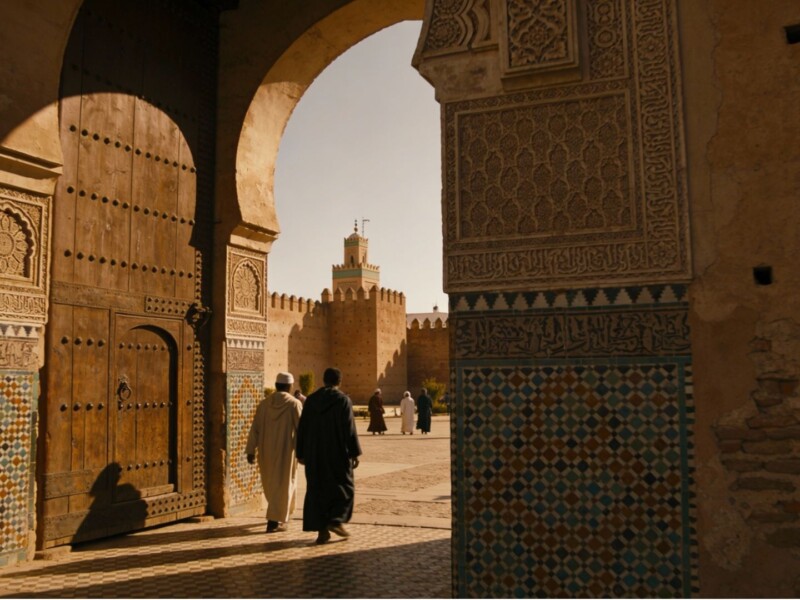
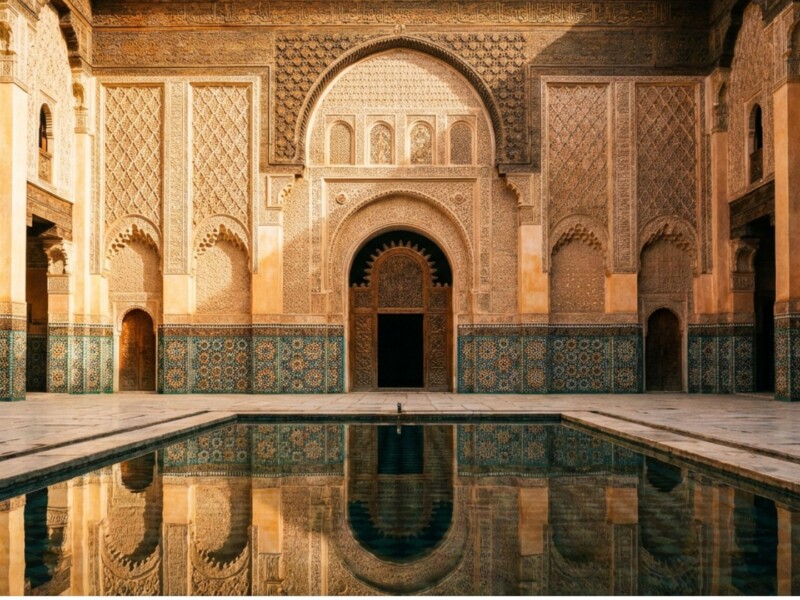
Islam’s arrival also explains the map of shrines, medersas, and mosques that draw visitors today. It explains the rhythm of life, the call to prayer, and the way a Friday market feels like a weekly reunion. Knowing that Amazigh communities adopted the faith on their own terms helps make sense of the variety from the Rif to the Anti-Atlas. It also helps you spot the through line. A respect for learning. A taste for hospitality. A habit of standing tall against those who try to rule from far away.
Routes to retrace
If you want to set your trip to the beat of ancient history, build a simple loop. Land in Rabat or Casablanca and head to Rabat’s Chellah for a first touch of Rome and later dynasties. Move to Fes and plan a dawn visit to Volubilis with a guide who can read the stones. Spend an afternoon in Moulay Idriss for mint tea with a view. Continue to Tangier for the strait and the layered port history, then drop down the Atlantic road to Essaouira where the ocean has been a highway since Phoenician days. Return inland to Marrakesh and finish with a day in the Ourika valley to meet Amazigh hosts in the shadow of the High Atlas.
You can expand that loop south toward the Draa and the dunes if time allows. The shift from cedar forests to palmeries mirrors the deep timeline you have just walked. It turns a holiday into a conversation with the past.
Closing thoughts
Ancient Morocco history is a story of contact and choice. Seafarers arrived. Empires tried their luck. Amazigh communities replied in their own voice. Islam brought a new language of faith and scholarship and Morocco answered with cities that still shine. When you travel with that in mind, small details feel bigger. A mosaic floor gains warmth. A simple village meal tastes even better.
If you want to follow the thread into the next chapter, step inside the age of paved roads and marble forums with our deep dive on Roman Morocco and Volubilis.