Roman Morocco: Volubilis, Lixus and the Ancient World on the Atlantic Edge
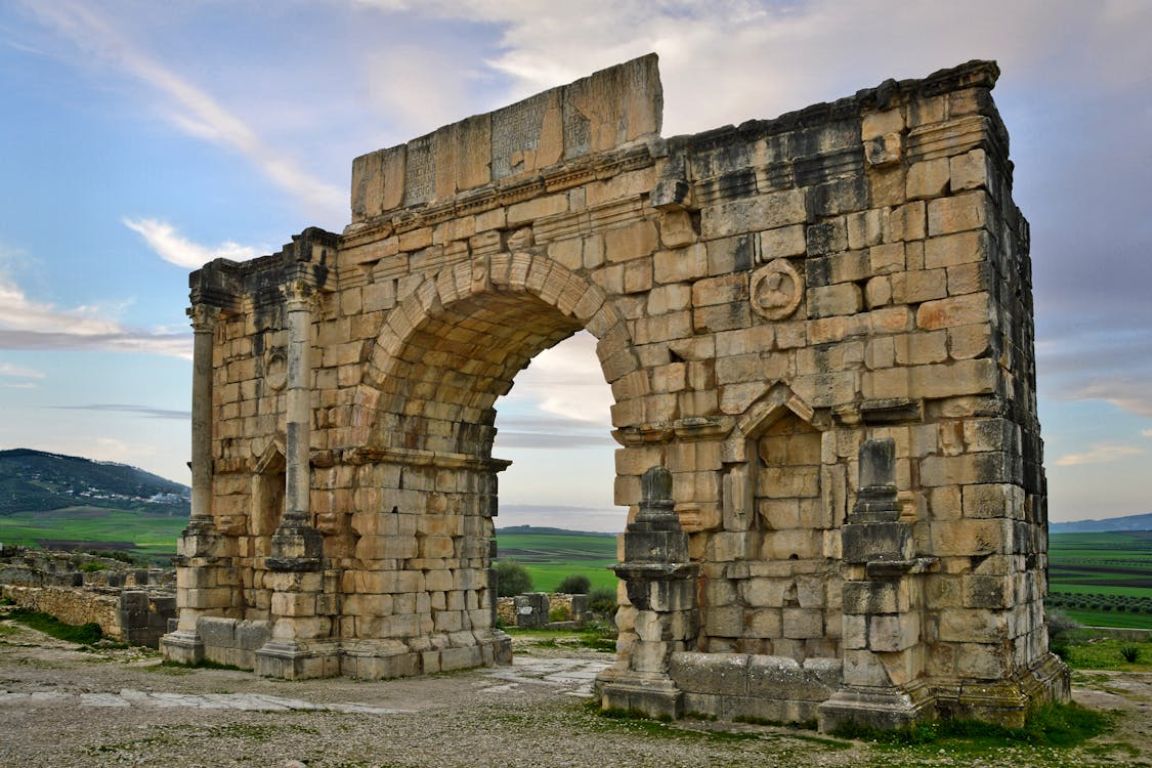
I first reached Volubilis at sunrise. The stones were cool and the fields smelled like crushed mint. Storks clacked from a broken arch. It felt like the past was waiting for breakfast. Roman Morocco still sits close to the surface. It shows in mosaics, in olive presses, and in the way trade routes hug the hills. If you want the full timeline that frames this chapter, start with our essential history of Morocco. This page narrows the focus to the Roman footprint you can still walk.
Why Rome mattered at the far West
Rome did not conquer every ridge and valley. It chose the places that stitched sea to land. Think river mouths and open plains. That is why Mauretania Tingitana, the province that covered much of northern Morocco, felt more like a chain of lights than a blanket of control. Cities fed the empire with oil, grain, and fish sauce. Garrisons watched the roads. Beyond the walls lay Amazigh country that dealt on its own terms.
You can see the logic on a map. Tingis guarded the Strait of Gibraltar. Lixus sat above an estuary rich in fish and salt. Volubilis worked the olives and grain of the inland plain. The system relied on steady trade and patient diplomacy. Rome paid allies. Local leaders kept the peace when it suited them. It was less about legions on every hill and more about agreements that held until they did not.
Volubilis in plain view
Volubilis is the best preserved Roman site in Morocco. It sits in a green bowl near Moulay Idriss and the road from Fes to Meknes. The site opens wide. You can walk its grid without feeling fenced in. Start at the triumphal arch. It frames the sky and draws you into the main avenue. On your left and right you pass houses with names that sound like a novel. The House of Orpheus. The House of Venus. Many keep their mosaics in place. Dolphins swim in stone. Bacchus rides in a chariot. The details still catch light after two thousand years.
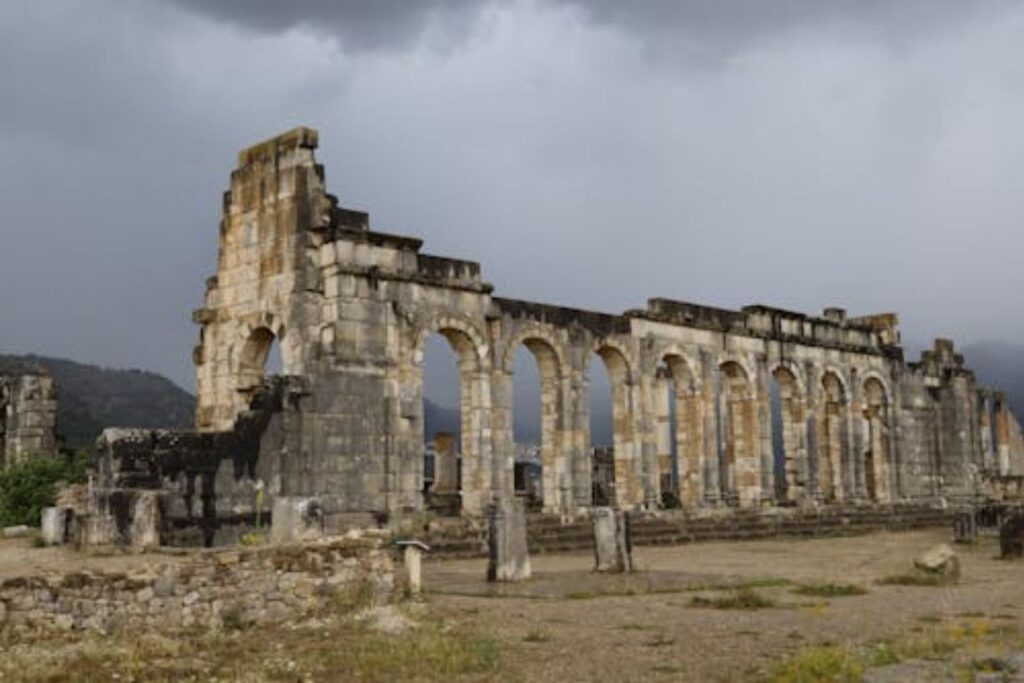
Olive presses dot the city. They explain the money. Grooves worn into stone beds show where the beam turned. Storage jars once sat in the floor. Oil left this place in large amounts. It went north for lamps and kitchens. When you stand in those rooms you feel the town at work rather than a ruin at rest.
Take your time with small things. Door thresholds shine from the touch of many feet. A fountain lip still shows the path of water. A column drum has a stork nest on top like a crown. Guides often point out the basilica and the forum first. Do not rush past the side streets. Peek into courtyards. Notice the channels that managed rain. Volubilis was practical before it was grand.
The view matters as much as the stones. Wheat fields roll away in soft strips of green and gold. The Zerhoun hills fold toward Moulay Idriss. You see why a city grew at this spot. The land feeds people. The road leads everywhere.
Lixus and the smell of salt
If Volubilis is inland power, Lixus is the sea hand. The site lies above the Loukkos river near Larache. Wind moves fast across the hill. You hear gulls and the low thump of waves when the tide turns. Lixus was older than Rome. Phoenicians used it first. Carthage did too. Rome then built on top and shaped the production quarter.
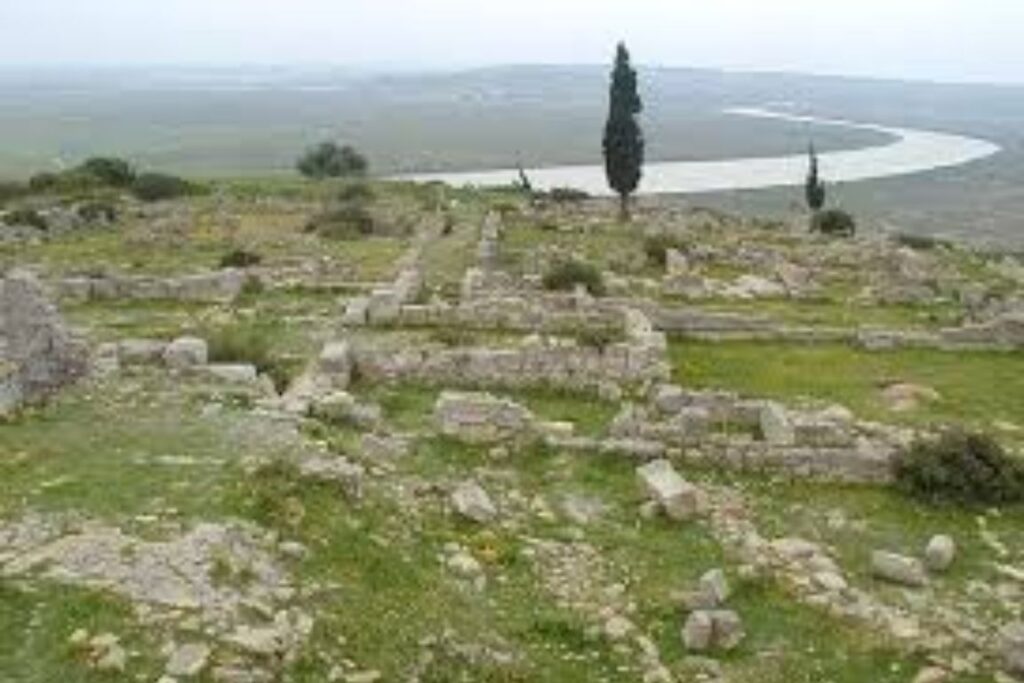
The factories for salted fish still line a terrace. Stone vats sit like empty tubs in a tidy row. This is where fish were cleaned, salted, and packed into amphorae. A sauce called garum left Lixus for the whole Mediterranean. It was strong and rich and worth the trouble. You can still see the drains and the slabs where workmen stood. The Roman idea of industry feels close when you look down that line of vats toward the river.
Climb higher for the temples and scattered columns. A late theater curls around a slope. The wind on the top plateau gives clear views toward the estuary and dunes. On days with good light the river looks like a sheet of tin. The story at Lixus is less polished than Volubilis. It rewards patience and a taste for edges.
Tangier and the gate to the strait
Tingis became Tangier. The city has turned many pages since Rome. Still, the location makes the point. This is the knot that ties Africa to Europe. Museums in Tangier hold coins, inscriptions, and carved stone from the Roman era. Spend an hour with those cases before you walk the kasbah. You feel how each age used the same ledge above the water.
If you want a short Roman thread in a long Tangier day, pair the museum with the Phoenician tombs on the cliff. They are older than Rome but they tell the same story. People came to this headland for power and trade and light. They never really stopped.
How to read a Roman day
The easiest way to visit is to base yourself in Fes or Meknes and plan a single day for Volubilis and Moulay Idriss. Go early. Light is softer and you avoid heat. Hire a licensed guide at the gate who can match detail to pace. After the site, take mint tea on the terrace in Moulay Idriss. White houses climb the hill like stacked sugar. It feels right to sit for a while before you drive back.
Lixus works as a half day if you are on the Atlantic road. Stop in Larache for lunch by the port. Ask about site access in advance if you travel in the low season. A local guide can help with keys and timing. Wear shoes with grip. The hill holds loose stones after rain and the terrace by the vats can be slick.
At both sites carry water, a hat, and a soft cloth for your lens. Sun bounces hard off pale stone. If you take photos, think in three frames. A wide line of the street. A mid shot of a mosaic or vat. A close detail of tool marks in stone. That set will bring the place back to you later.
What survives and what it means
Roman power here feels practical. It is not all marble and victory. It is oil in jars and salt on hands. That is why these places make sense when you also travel the modern country. Olive groves still shape family life. Ports still set the rhythm of towns. Roads still follow old paths between plain and sea.
Amazigh communities did not vanish in a Roman glare. They adapted and kept their ground. You can feel that in the layout of cities that never lost touch with the hinterland. It is a layered story rather than a clean break. That mix still shows in language, food, and the way hospitality works on a dusty street.
Small tips that make the day smoother
Buy tickets with cash if you can. Coverage can be thin. Bring small change for the on site café at Volubilis and for local guides. Respect the mosaics. Do not step on them for a better angle. A few steps away you will get the shot and the floor will last longer. Keep to marked paths at Lixus. The hill has drops that creep up on you when you look through a lens.
Plan shade. There is not much of it on site. A scarf or a light cap helps. In summer start early or go late. In winter bring a layer. Wind cuts fast across the open ground. If you drive yourself, set a slow pace on the approach road. Herds and tractors share the day.
A simple route you can trust
If this is your first time, try this loop. Start in Meknes. Coffee near Bab Mansour puts you in a good mood. Drive forty minutes to Volubilis. Spend two hours on site. Add an hour for tea and a walk in Moulay Idriss. If you love slow travel, stay for lunch with a view. Drive back through rolling fields and stop at a roadside stand for oranges. Back in Meknes, visit the Dar Jamai Museum to link past craft with living craft.
If you have two days, add Lixus and a night in Larache. Eat grilled fish by the water. Watch the river turn silver at dusk. The next morning walk the vats before the wind rises. That simple pair of stops shows both faces of Roman Morocco. Land and sea. Olive and salt.
Closing thoughts
Roman Morocco is a chapter, not the whole book. Yet it leaves strong lines on the map. It explains why olive mills sit where they sit. It explains how trade tied valleys to harbors and why towns still look toward the strait with bright eyes. When you touch a mosaic that still holds the smile of a dolphin you feel time collapse for a second. That feeling is worth the early alarm.
If you want to follow the thread into the age that reshaped cities and faith, step into our guide to Morocco’s Islamic dynasties and imperial cities.