Cities of power: the islamic dynasties that built Morocco’s imperial cities
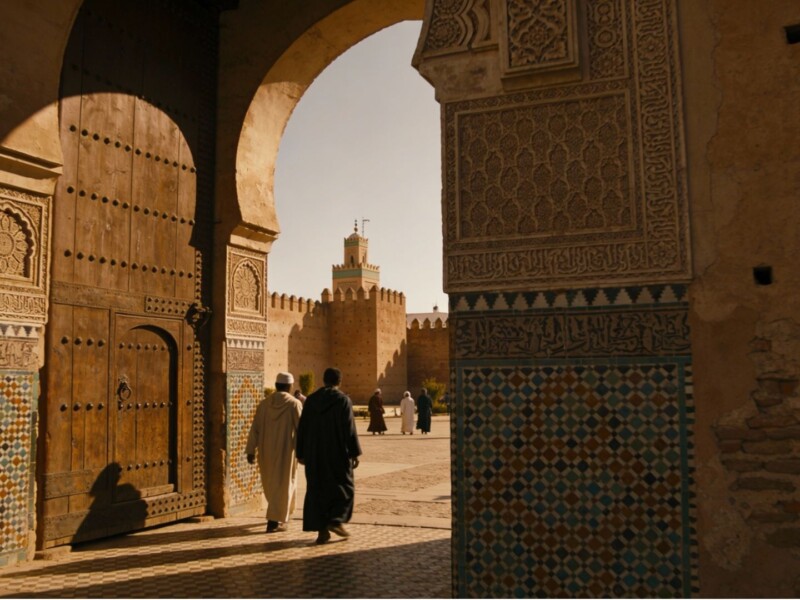
I first learned to read a city by its gates. Fes has blue and green at Bab Boujloud. Marrakech sets a red tone at Bab Agnaou. Meknes stretches out behind massive walls that seem to breathe. Rabat opens wide to the ocean and the Bouregreg. These four places tell the story of Morocco after Rome. Dynasties rose, traded power, and left stone lessons behind. If you want the full timeline to place each ruler in order, start with our essential history of Morocco. This page keeps the focus on how Islamic rule shaped the cities you walk today.
From Idris to the map we know
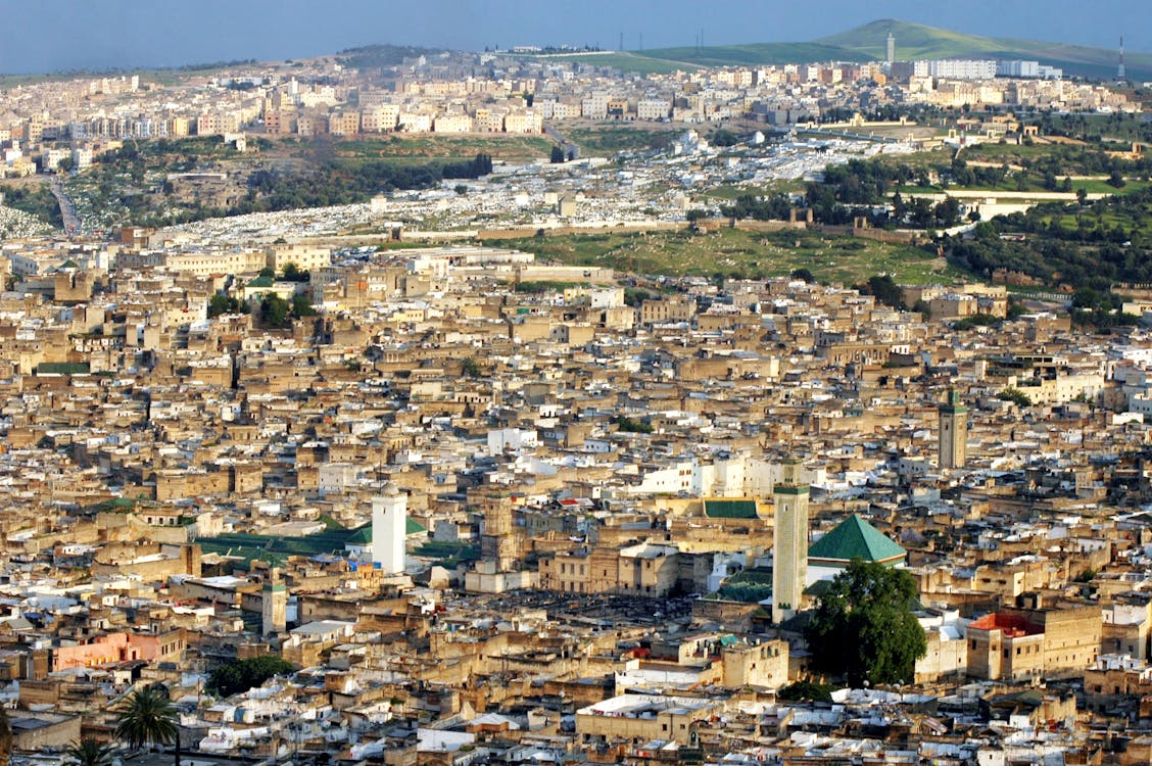
The story begins with Idris I in the late eighth century. He arrived from the East, found Amazigh allies, and laid the base for a state in the north. His son helped anchor Fes. Mosques, markets, and workshops grew around steady water and safer walls. Scholars came. Traders too. You can still feel that first frame in the old lanes of Fes el Bali. The city listens more than it shouts. Brass taps sing while tanners work in bright pits. Faith, craft, and study sit close together.
Power did not stay in one pair of hands for long. The map kept shifting. What held steady was the idea that cities would speak for the state. When a new house took the throne, it stamped a capital. It built a Friday mosque. It set out a palace. It fixed gates to keep order and pull in taxes. That rhythm never really stopped.
Almoravids and the desert edge
The Almoravids came up from the Sahara in the eleventh century. Picture veiled riders and long caravans that moved with purpose. They needed a base near trade and pasture. They chose a flat plain by the Tensift and named it Marrakech. They did not polish every corner. They built for shade and defense. Palm trunks and brick. Water pulled through underground canals. The Koutoubia’s first version rose in this time. Booksellers crowded the square that would become Jemaa el Fna.
Walk south of the square in late afternoon. Heat eases. The light turns warm on old ramparts. You sense why this spot worked. Routes from the High Atlas meet the road to the desert. Traders brought salt and gold. Scholars brought law and language. The Almoravids tied movement to rule in a way that fit the land.
Almohads and the reach of one vision
The Almohads replaced the Almoravids in the twelfth century. They pushed a stricter line in theology and a bigger line in stone. Scale became a message. In Marrakech they rebuilt Koutoubia as we see it now. They also set their eyes on the Atlantic. Rabat rose with a bold plan. You can still stand in the vast shell of the Hassan Mosque and feel the ambition. The tower stops short but the idea does not. Across the river Salé nods back. The whole mouth of the Bouregreg reads like a thesis on power and water.
If you like to track details, look at Almohad gates. Bab Agnaou frames blue sky like a stage. Stones fit tight, patterns run clean, and the arch holds calm authority. It is not loud. It is sure. That tone runs through their best work.
Marinids and the schools that still teach
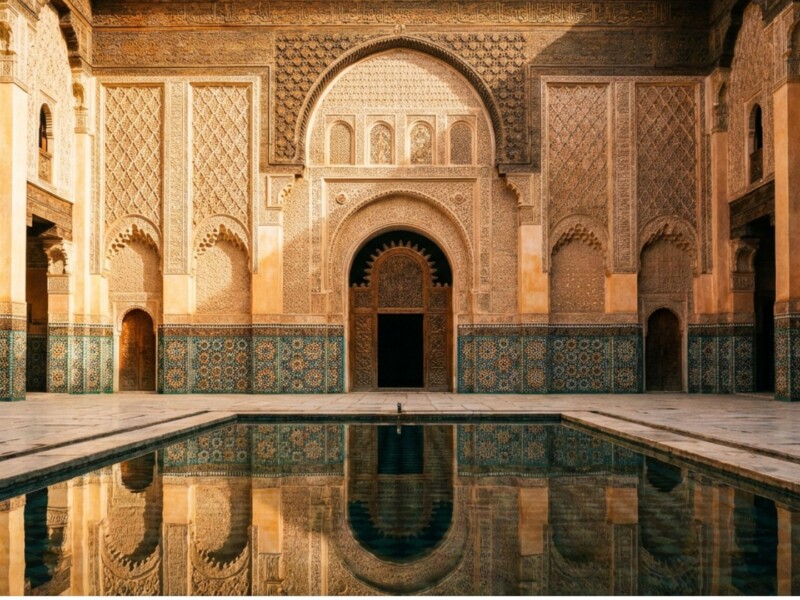
The Marinids shifted the center of gravity to Fes in the thirteenth and fourteenth centuries. They left a gift that still works. Madrasas with carved cedar, zellij, and quiet courtyards. Bou Inania and Al Attarine are the names most people carry in their pocket list. Step inside when the day warms up. You move from street noise into water sound. Sun lines cross tile. Students once recited in these rooms and shared bread on the terrace. The idea of a university city becomes touchable in that space.
The Marinids also built Fes el Jdid. New walls. New gates. A palace zone. It shows how rulers kept adding layers rather than tearing the whole map down. Fes grew like a tree. Rings inside rings.
Saadians and a garden of stone
The Saadians took power in the sixteenth century and kept Marrakech as a stage. Their tombs sit behind a modest door near the Kasbah Mosque. Inside you find the Hall of Twelve Columns with stucco and marble that sing when the light hits. The work is fine without being fussy. It feels confident in a soft way. Outside, palms lean over quiet graves. You hear birds more than voices.
Walk from the tombs to the Badi Palace ruins. Storks stand on broken walls like guards that forgot to leave. The floor plan still tells of a vast court with sunken gardens and water mirrors. The Saadians ruled through display and trade. Sugar, gold, and letters to far courts. The remains make that clear without a lecture.
Alaouites and the long thread to today
The Alaouite line began in the seventeenth century and still sits on the throne. Meknes became the showpiece under Moulay Ismail. He wrapped the city in miles of walls and set out huge granaries and stables. Heri es Souani holds cool air even in summer. The scale is simple and strong. Heavy vaults. Thick piers. You can place your hand on the stone and feel the day’s heat stop there.
Rabat grew again under the same line. The Oudayas kasbah gained blue and white lanes that drop to the river. Later, when the French set up the protectorate, Rabat became the political capital. The modern city carries clean lines and a wide ocean front. Old and new talk to each other without much fuss.
How to walk the four cities with sense
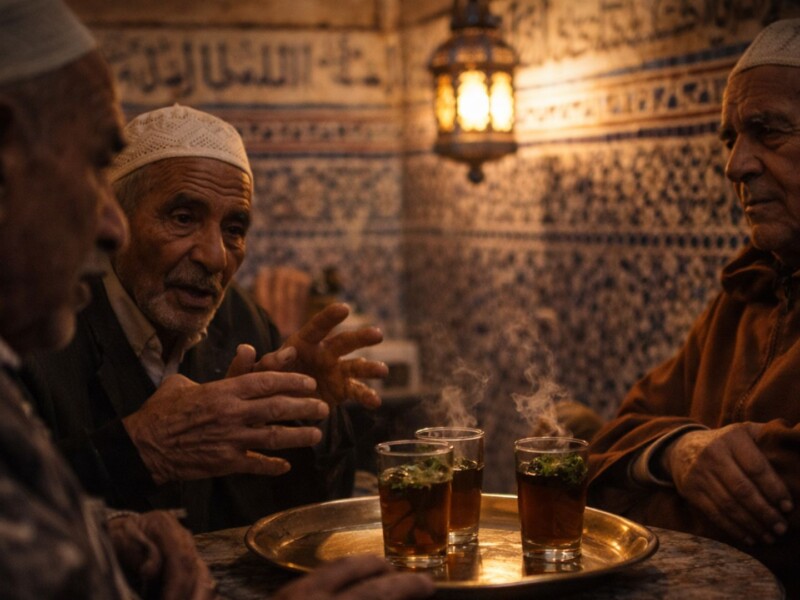
Set a slow pace. Each city rewards attention more than speed. In Fes, hire a licensed guide for your first morning. You learn how the medina breathes. Later you return on your own with a better compass. In Marrakech, begin early in the Kasbah and move north as the day warms. Save the square for sunset when it turns into a theater of smoke and song. In Meknes, plan a loop that ties together Bab Mansour, Heri es Souani, and the Sahrij. Add a café stop for mint tea and almonds. In Rabat, cross the bridge to Salé and look back. The view explains the river logic better than any book.
Movement between cities is easy by train. Fes to Meknes is a short hop. Rabat to Marrakech is longer but smooth. If you rent a car, keep things simple. Early starts and daylight arrivals make life easier.
Reading stone and story at the same time
It helps to carry a few anchors in your head. Almoravids built plain and tough. Almohads built bold and clear. Marinids invested in schools and craft. Saadians polished palaces and gardens. Alaouites played the long game with walls, storage, and steady rule. When you stand in front of a gate or minaret, ask which of those voices you hear. The answer will guide your eye.
Also notice what keeps repeating. Water management is everywhere. So are markets set by craft. Tanneries away from homes. Metal and wood in the heart. Bread ovens close to clusters of lanes. The urban plan reflects daily life that has not gone out of style.
Small things that make a big difference
Bring cash for small tickets and tips. Dress for sun and respect. Shoulders covered and good shoes. Many floors are smooth from time and soap. Step lightly on stairs with no rail. Ask before you take photos of people. A smile and a gesture go a long way. Take breaks. A café under vines can reset the whole day. You do not win anything by sprinting.
If a site feels crowded, flip your plan. Visit a madrasa at lunch. Go early to a tomb. Return to a square at blue hour. Cities open and close like lungs. Find the pause and slip in.
Why the imperial story still matters
These dynasties did more than fight for the throne. They set a template for Moroccan cities that still serves people. Mosques anchor neighborhoods. Markets map skills. Walls mark care for safety and storage. Learning sits near trade. Art loves geometry and shade. When you grasp that pattern, travel becomes easier and richer. You stop looking for a checklist and start reading the place like a friend’s face.
I carry that lesson every time I cross Bab Boujloud at first light. Bread smells warm. A cat jumps a puddle. Copper rings a steady note in the distance. The past is not a museum case. It is the shape of the day.
If you want to follow the current across the strait and then watch it flow back, take the next step with our guide to Al Andalus And The Return To Morocco.