Independence and the making of modern Morocco: what 1956 means for travelers today
I was twenty the first time I stood under the giant flag on Avenue Mohammed V and watched kids race past the parliament steps. You feel the air change on dates like that. Pride moves like a ripple. Morocco’s modern story begins in that feeling. A country steps out from under a protectorate and decides how to walk. The first years were messy and brave. They still shape the travel routes we use and the city grids we cross today. It is the sequel to the protectorate years, and one thread in the wider history of Morocco.
1956 and the return of a symbol
Independence came with cheers and long lists. The throne returned as a unifying sign. Ministries opened their doors with small teams and big tasks. Schools needed teachers. Courts needed clerks. Ports needed Moroccan managers. Trains had to keep running while the timetables and ledgers changed hands. What strikes me is the pace. People went back to work fast. Flags went up. The daily grind kept the lights on while a new state took form.
Talk to families in Rabat and Fes and you hear the same line. My father joined the civil service. My mother started a classroom in a borrowed hall. A cousin learned to type and found an office job. These are the threads that stitched a government from scratch.
Building a state with shared tools
The young state kept a lot of the useful hardware. Rails. Ports. Power plants. Roads. The difference sat in the goals. Wheat and citrus still moved to docks. Phosphates still rolled inland to ships. The plan was now to spread the gains and train people to run the system. Rural schools grew. Health posts reached deeper into the map. Teacher colleges opened new tracks for students who would have left farms without options.
Travelers still benefit from that push. You can drive from Tangier to Agadir on clean asphalt. You can reach mountain towns that used to take days by mule. You cross bridges built in the 1960s and widened in the 2000s. The country kept adding lanes to the same basic spine.
Cities that learned new tricks
Casablanca took the role of engine. Industry swelled around the port. Neighborhoods stretched toward the airport road. New migrants arrived with tool belts and small savings. The city learned tramlines and towers. It also learned how to mix tastes. Workers ate bissara at dawn and grabbed sardine sandwiches at lunch. Students found cheap cafés near schools and debated policy over mint tea.
Rabat kept the capital rhythm. Ministries grew into full parks of glass and stone. The Bouregreg project added bridges and marinas and theaters. You can walk from the Oudayas to a modern arts center in less than an hour. That walk tells the whole story. Old walls and new cranes. Tide and tram. It feels natural once you have seen it a few times.
Fes and Marrakech balanced heritage with growth. Fes guarded its craft guilds and opened new factories on the edges. Marrakech grew hotels and gardens and conference halls. Gueliz and Hivernage refined their grid. The medina kept its pulse. The trick was to welcome crowds without drowning the lanes. Some years were better than others. The city learned from the rough ones.
Farms, dams, and the long view
Food security sat high on the list. The state built dams that now mark road trips with blue lakes and picnic stops. Irrigation expanded. Cooperatives formed. Citrus belts near Kenitra and Berkane found buyers abroad. Olive groves climbed slopes in the Middle Atlas. Argan forests had a second life with women’s co-ops around Essaouira and Taroudant. When you taste oil on fresh bread in a village, you taste a policy choice made decades ago.
Dams also made travel lighter. Rivers flood less. Roads stay open longer. Lakes add places to camp and breathe in summer. I have watched kids fish near Bin El Ouidane while elders brewed tea under the pines. Development can look like concrete on a map. On the ground it often looks like shade and a quick swim.
Culture as common ground
A country needs shared songs and steady stages. Festivals helped. Essaouira pushed gnawa to the world and brought the world back to the coast. Fez made a home for sacred music. Mawazine filled Rabat with pop stars and new fans. Cinema learned to tell local stories with a global eye. You can fill a month just hopping from music to film to books. The energy spills into side streets. Small galleries. Bookshops that still smell like paper and ink.
Museums took a stronger hand too. The Rabat art museum gives context for the shapes you keep seeing in zellij and script. The new archaeological spaces show how deep the story runs. Travelers come for photos. They leave with timelines in their head.
Jobs, education, and the weight of expectations
Growth is never even. The state made real strides and still wrestled with gaps. Cities pulled people faster than jobs could keep up. Youth needed classrooms and then needed work. Periods of protest followed cycles of reform. You see that pattern across many countries born in the same decade. Morocco managed to keep the conversation going. New constitutions. Local elections with more weight. Agencies to fight corruption. Programs to lift rural areas and fix city slums. Not perfect. Still moving.
When you travel, you feel both truths. A slick new train slides into a station on time. A taxi outside is older than you are and still honest. A kid in Chefchaouen asks where you are from and switches languages like radio stations. You buy a pastry and the baker explains that his daughter studies engineering. The country holds more ambition than any skyline shows.
Tourism that learns to spread out
Tourism grew fast after independence. First came the classic circuits. Imperial cities. Desert camps. Coast resorts. Over time, the map widened. Rif guesthouses welcomed hikers. Atlantic towns pulled surfers and slow readers. Draa Valley riads restored mud walls with care. The High Atlas gained safer routes and better huts. The effect is good for travelers and for hosts. Money lands on more tables. Pressure spreads instead of breaking one place.
Today you can plan a trip that fits your pace. Two weeks with a desert loop and a light hike. Ten days with three cities and a coastal rest. A month where you rent a car and chase morning light in Roman ruins and evening wind in essences of thyme and cedar. Independence made that kind of freedom possible by putting roads and rules under one roof.
Everyday gestures that matter
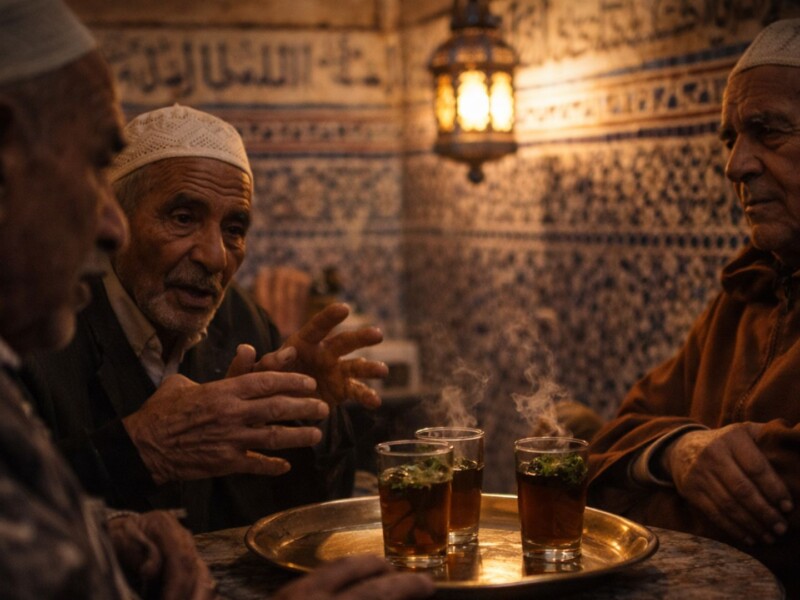
I keep a small list when I visit friends. Who helps me cross a chaotic lane. Who reminds me to take a number at the post office. Who pours the second glass of tea and lets the first one rest. These are the signs of a social fabric that handled change without tearing. After 1956, households carried the weight. They still do. The state sees that and tries to meet them halfway with programs that cut little frictions. New ID services. Better online portals. Fewer trips for stamps. It sounds dull. It feels huge when you only have one day off a week.
A country still choosing its next steps
Modern Morocco is a work in progress by design. That can frustrate people who want neat endings. I get it. I also like how honest it feels. Cities keep testing new ideas. Tram lines that loop smarter. Bike lanes that link parks. Solar plants that power villages and industry. Port extensions that push trade deeper into Africa. The point is not to claim a perfect arc. The point is to show a steady hand on the wheel.
Travel puts you next to that process. A new café opens in an old lane and serves strong coffee without fuss. A book fair fills a square where kids play at dusk. A bus runs on time. A farmer sells figs at a toll stop and you eat one that tastes like late summer. You go home with a better sense of what a young state can do in two or three generations.
Practical ways to trace the era
Start in Rabat. Walk from the Oudayas to the parliament and back along the tram. Spend an hour by the river. Visit the modern art museum. Take notes on shapes and colors. Move to Casablanca. Ride the tram to the port area and then on to the Arab League Park. Look up on Boulevard Mohammed V and spot the blend of Art Deco and Moroccan craft. In Marrakech, split time between the medina and Gueliz. Visit the cyber park for a quiet bench. In Fes, sit on a terrace in the ville nouvelle after a morning in the medina. Compare the sounds.
Trains make the loop easy. Book one leg in first class for comfort. Book another in second class to chat. Bring cash for small vendors and patience for small delays. The schedule works well most days.
A simple close
I think the best way to read independence is to count practical wins. Kids in school. Clinics with nurses. Roads that hold after rain. A passport that opens doors. A cinema that stays open all year. None of this is flashy. All of it adds up to a life that keeps improving. That is what the early leaders hoped for when they took the risk to build a state from the ground up. That is what families keep pushing for when they get up before dawn and head to work.
If you want to follow the thread into the identity questions that shaped borders and policy, continue with Sahara And The National Story.