Ports, powers, and the Protectorate: how colonial rule left its mark on Morocco
I think of this chapter as the century when Morocco learned to face two horizons at once. The Atlantic kept pulling trade and ideas. Europe kept pushing plans and pressure. Between both stood cities that changed shape fast. Casablanca rose from a wind-beaten roadstead to a deep-water hub. Rabat became a capital with wide avenues and a cool ocean front. Fes and Marrakech kept their old heart but gained new edges. The protectorate was not only an agreement on paper. It was a complete redesign of space, time, and work. This chapter sits inside the broader sweep of Morocco history, and it leads directly into the story of independence and the making of modern Morocco.
A coastline that set the stage
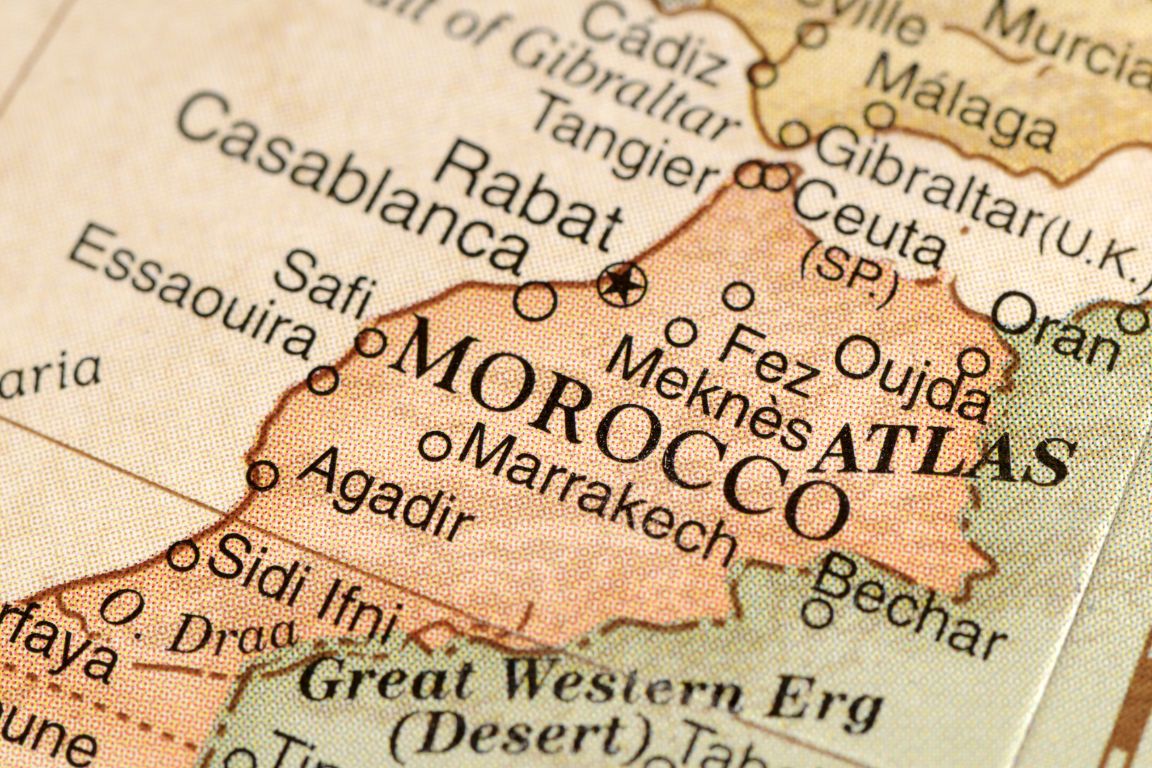
Maps can fool the eye. The line from Tangier to Dakhla looks simple. On the ground it is a chain of mouths and bends. The Bouregreg at Rabat. The Oum Er Rbia near Azemmour. The Sebou feeding Kenitra and the Gharb. Each spot offered shelter and timber and grain. Each also tempted outside fleets. Portuguese forts came first along the Atlantic. Think of Mazagan at El Jadida with its star walls and cistern. Spanish footholds dotted the north. Later, steam power made larger ports worth the cost. Coal and cranes needed space. Casablanca had it. That choice set the rhythm for the next hundred years.
Why Casablanca mattered
Stand on the Corniche in late light. Tankers sit on the horizon like slow islands. It is hard to picture the small trading post that stood here a century and a half ago. The French protectorate turned the site into a machine for movement. Breakwaters. Quays. Rail that ran grain and ore from the inland plains to the sea. A new grid grew next to the old quarter. Streets crossed clean. Blocks filled with workshops and banks. Art Deco rose with Moroccan tile. You can still read that blend on Boulevard Mohammed V. Curved balconies. Zellij panels. Wrought iron that curls like script.
Casablanca pulled workers from the Doukkala and Chaouia. It pulled clerks and engineers from Europe. The city became a mix that spoke many tongues at once. That mix changed food, music, and weekends. It also changed how Moroccans thought about time. Factory whistles and train tables set the day. Friday kept its place but workhours shifted around it. Travel became cheaper. News moved fast. People began to plan a future in a different way.
Rabat and the quiet power of planning
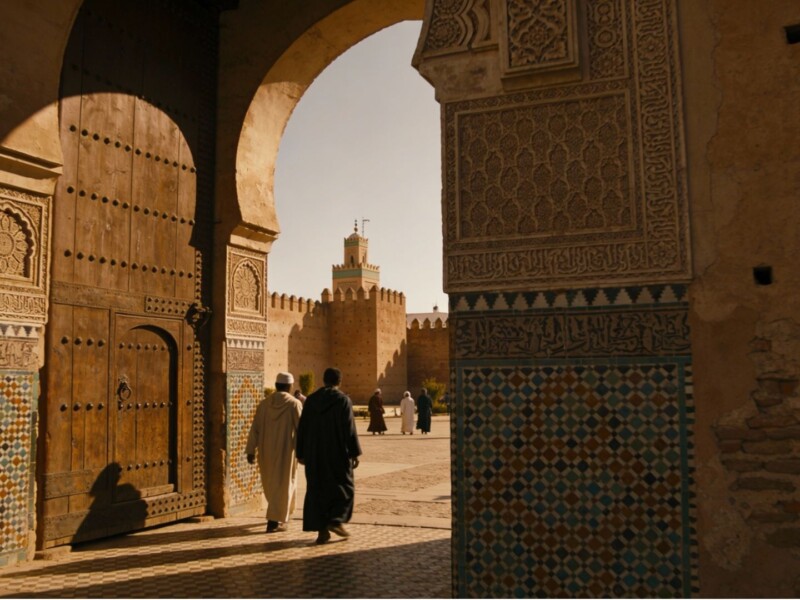
Lyautey, the first resident general, had a taste for order. He also had a sense that Morocco’s old cities were not problems to erase. He kept medinas intact and built villes nouvelles beside them. Rabat shows this choice better than anywhere. The Oudayas kasbah kept its blue and white lanes. Above it, a modern city took shape with a palace zone, ministries, and clean axes that face the ocean. The Bouregreg stayed a working river. Salé watched from the far bank and kept its cedar doors and quiet foundouks.
Walk the slope from the kasbah gate to the sea before noon. The swell hums against the jetty. You see the Hassan Tower and the Chellah walls in your mind’s map. Everything lines up. It is a soft kind of statecraft. Space teaches calm without a speech.
Fes, Marrakech, and the double life of the imperial map
Fes kept producing scholars and weavers and lawyers. It also gained a new station, new neighborhoods, and a class of people who lived between both worlds. A merchant might pray in the Qarawiyyin at first light and broker a shipment of European cloth by noon. A young clerk might sleep near Bab Ftouh and file papers in the new city after breakfast. Marrakech told a similar story in warmer colors. The Saadian Tombs and the Koutoubia kept drawing the eye. The Gueliz district added cafés and cinemas and art. Both cities learned to hold two tempos. A slow pulse inside walls. A faster one along new roads.
Rail, roads, and the shrinking map
The first time I took the train from Rabat to Fes I felt the country fold in. Olive groves ran by. Fields turned gold then green then bare and then green again. In the protectorate era, this line and others like it changed what felt possible. Goods moved in days instead of weeks. Soldiers moved in hours. Migrant workers went home for holidays and came back for wage seasons. Roads did the same for towns that tracks did not touch. Truck stops appeared where camel caravans once rested. The effect on travel is still with us. You can taste five regions in one week without rushing.
Work, cash, and the new middle
Ports pulled trade. Rail pulled grain and ore. Farms shifted toward markets that paid in cash. Citrus and tomatoes near the coast. Wheat across the plains when rain was kind. Phosphate drove revenue and debate. Who owned it. Who worked it. Who gained from it. The new economy built a middle that could save, spend, and educate. It also hardened lines for those who got left out. That tension sits under many stories from the 1930s to the 1950s. Strikes. Boycotts. Speeches in cafés. Quiet meetings in homes. A sultan who listened more and more to that voice.
Resistance with many faces
There is a simple way to tell this part of the story. It would say one side ruled and the other side resisted. The truth has more edges. Some notables worked with the new order and kept their towns alive. Some teachers used new schools to pass old pride to young minds. Unions formed. Parties formed. The Istiqlal had a clear line. Independence. Others asked for reform first. National culture grew in newspapers and in salons and in song. The sultan became a symbol that crossed classes. When he was exiled, the street went quiet for a moment then grew louder and more sure.
When he returned, a thread snapped and a new one was tied. Flags came out. People cried and laughed in the same breath. Many went back to work the next day because rice and rent do not wait. That mix of joy and errands still feels very Moroccan to me.
What you can still see and touch
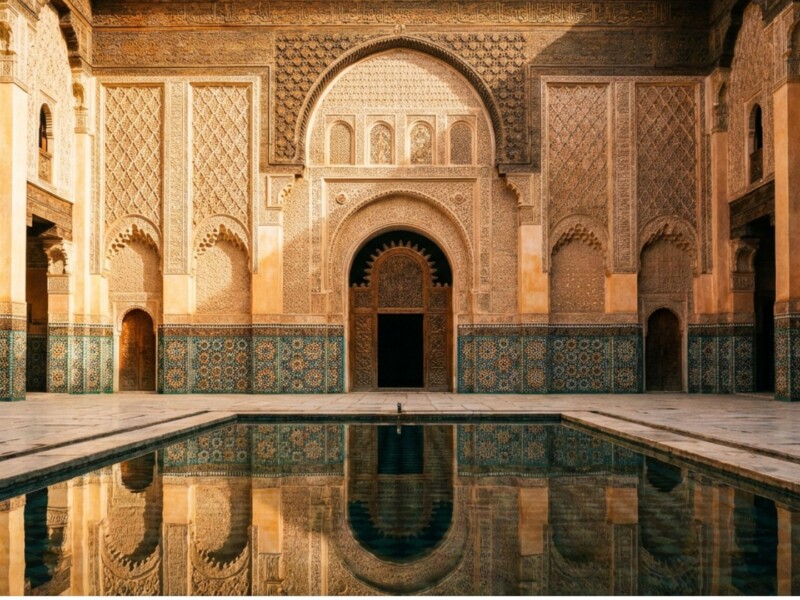
Travel helps you test history with your feet. In Casablanca, start early on Boulevard Mohammed V. Look up. Note the curves and tiles. Step into Marché Central for oysters and a quick tea. In Rabat, walk from the Oudayas garden to the Museum of Modern Art. The gap between both is the story in one hour. In Fes, find the Bou Inania in late morning when light melts across the wood. Then cross to the ville nouvelle for a coffee on a wide terrace. In Marrakech, trace a line from Bab Agnaou to a cinema in Gueliz for a matinee. You feel the switch click.
If you love rail, ride the stretch from Kenitra to Rabat at sunset on the river side. The palms turn to ink. The sky keeps a thin strip of orange. You understand why planners wanted the capital to face this water.
How this era shaped the next
The protectorate did damage. It also left infrastructure and a map that the independent state could repurpose. Airports, ports, and rail did not vanish in 1956. They gained new owners and new goals. The school network trained the first generations who would run the courts, the hospitals, and the ministries. The urban grid in places like Casablanca made later growth easier, then harder, then possible again with trams and ring roads.
For travelers, this means you move through layers that work together. You can step from Andalusian stucco to Art Deco glass to a modern tram in ten minutes. You can eat couscous in a family home at noon and try an old brasserie at night. The shapes make sense once you know who drew them and why.
Practical tips for tracing this track
Bring a short list of buildings to anchor your days. In Casablanca, tick the Wilaya, the Post Office, and Cinéma Rialto. In Rabat, add the Hassan Tower, the Oudayas, and an hour by the Bouregreg tram. In Fes, pair Bou Inania with a slow loop in the ville nouvelle near Place Florence. In Marrakech, split your time between the Saadian Tombs and a walk along Avenue Mohammed V. Photograph details. Tiles. Grills. Door pulls. Later you will see the same motifs echo in places you did not expect.
Talk to people who were born in the 1940s and 1950s if you get the chance. Ask what their parents did. Ask how they got to school. Ask when they first took a train. Small answers will pin big dates to real days.
Closing thoughts
This period taught Morocco to balance weight and motion. The country learned to use ports and keep palms. It learned to ride trains and hold Friday steady. It learned to speak to Europe without losing its own voice. When you walk the streets that came from those lessons, take your time. Look up. Listen down. The city will tell you what changed and what stayed the same.
If you want to follow the thread into the years after independence, move on to our look at Building A Modern State: From 1956 To Today.