Sahara and the national story: why Morocco’s desert is more than a travel destination
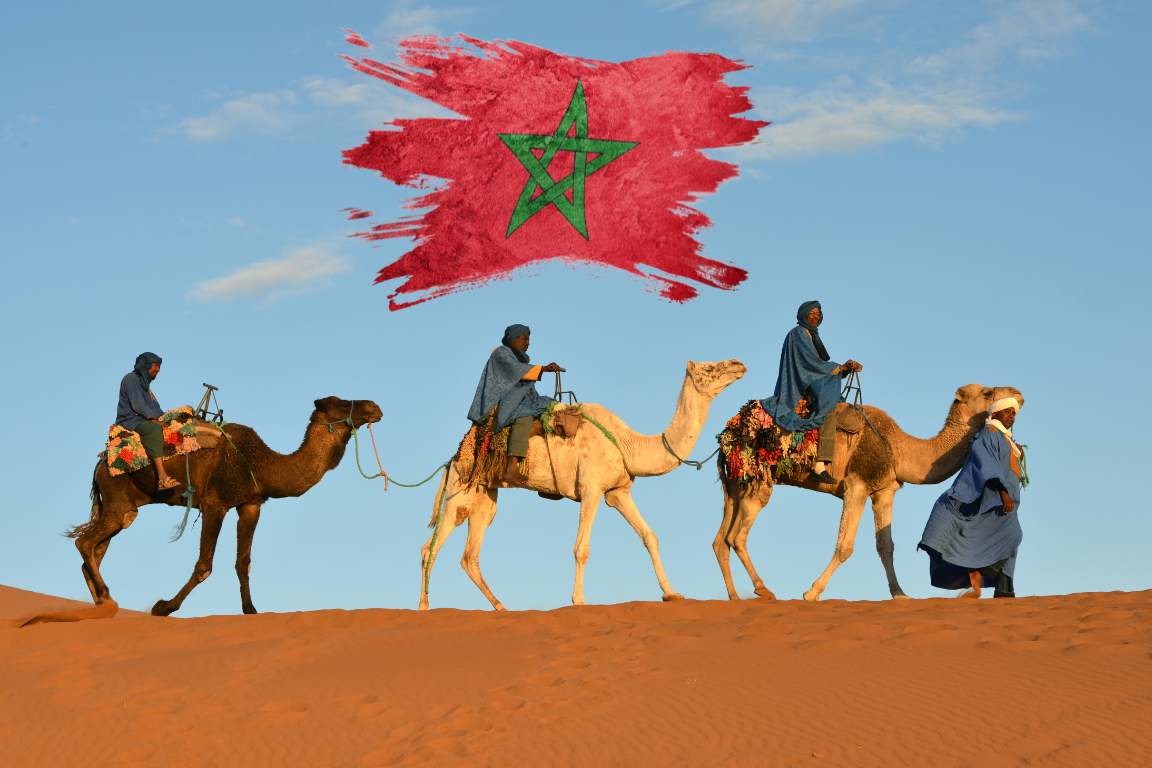
I was raised on maps that ended in a blur of sand. Then I crossed the High Atlas by bus and watched the country open into light. The Sahara is not an empty space on paper. It is a place with families, work, trade, and long songs carried by wind. It is also a core part of how Morocco understands itself today. When you stand on the ridge above Laayoune at sunset you feel that truth in your chest. The horizon is huge. The story is bigger.
A long bond written in tracks
Caravans drew the first lines. Camels moved salt and gold and ideas between the Sahel and the coast. Zawiyas taught faith and law. Tribes traded, married, and shared wells. Power flowed from Marrakesh and Fes to oases like Tindouf and Smara. It was never a tidy grid. It was a mesh of loyalties that kept people fed and kept routes open. You see the pattern in old market days and in the way elders greet each other with the names of dunes and valleys.
When you travel now you still catch those threads. A driver points to a dry river and says this one ran hard in his grandfather’s time. A woman selling dates adds a handful to your bag and tells you they came from a cousin near Assa. History lives in small favors.
If you want a broad frame for the full timeline of the country, the History of Morocco insights guide sets the stage for everything you feel in the south today.
From outpost to promise
For a long stretch the provinces of the south sat at the edge of most itineraries. That has changed. New roads cut time in half. Airports link Laayoune, Dakhla, and Guelmim with the rest of the map. Schools and training centers keep more kids close to home. Fisheries add steady jobs. Wind farms spin on the plateau. Solar fields turn harsh light into power. It feels like a simple list. It is not. It is the slow work of making distance feel smaller for the people who live with distance every day.
Tourism shifts with that work. The wave pool at the Dakhla lagoon pulls kites like bright birds. Guesthouses in Tarfaya host birders and writers chasing the shade of Saint-Exupéry. Desert camps near Aousserd focus on silence rather than shows. The mood tilts toward time outside and honest food at dusk.
The feel of the road
If you head south from Guelmim, the gate of the Sahara, the land pulls you forward. The Anti-Atlas leans away and the Atlantic lifts to your left. Towns arrive like islands. Tan-Tan. Tarfaya. Laayoune. You take on fuel and water and bread. You learn to love hard shade and light winds. You stop to watch flamingos step through a tide pool. A herder moves goats with a whistle that sounds like a flute.
The asphalt is new in many places. The shoulders are wide. Police checks are quick and polite. Drivers flash thanks when you let them pass. This is the sound of a space that used to be far and now feels reachable for more people.
Cities that grow with the land
Laayoune is a study in scale. Big boulevards. Low houses. The mosque near the river once stood alone. Now cafés spill late into the night. Families stroll. Teens crowd bakeries after evening prayer. Head to the fish market early and watch crates move like a dance. Try a sardine tagine that tastes of cumin and sea.
Dakhla is a long bright line between bay and open water. You wake early to see the lagoon turn from steel to silver. Wind picks up by midday and the kites rise. By evening the air softens and you can walk the corniche with an ice cream. The city draws energy from the water. It also draws quiet from the sand. Drive twenty minutes and you can hear your breath.
Smara is inland and holds a different tone. You feel the pull of learning and faith. Libraries and zawiyas anchor the town. People greet you with measured warmth. Spend an hour in a bookshop and ask about local poets. You will leave with slim volumes and new names to follow.
Nature as teacher
The south is a clean classroom for patience. Light changes slowly and rewards people who stay still. The lagoon teaches you to read tide tables. The desert shows you how to look for tracks and not get fooled by wind. Birdwatchers count terns and spoonbills through scopes and speak softly. Anglers keep notes on currents and moon phases. Travelers who rush miss the main lesson. Time runs at a different pace and you feel better when you match it.
Pack light and smart. Sun hat. Refillable bottle. A scarf for dust. Shoes with grip for rock shelves. A layer for night when the air drops. Keep a small trash bag and use it. Take more photos of the sky than of yourself. It works better that way.
Culture that adapts without folding
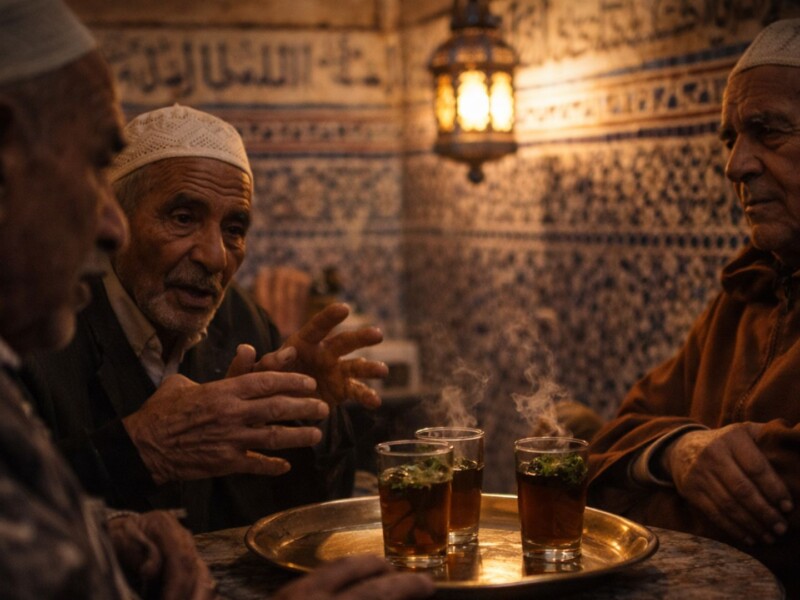
Sahrawi music moves between guembri pulse and high voices. Tea service is both daily and festive. Three pours mark time and mood. Families host with a depth that can floor you. Bread is torn and shared. Dates arrive with a nod. Stories walk in circles and land on a lesson. The south meets new visitors without losing its table manners. That balance is why you can grow tourism and keep a home intact.
Markets show the same mix. You see new goods next to rope and tin basins. Tailors still cut blue melhfas for women who ride with grace on the back of a motorbike. Kids wear club shirts and fly kites made of plastic and string. Nothing feels staged. It feels lived.
The future that locals describe
Ask people what they want and you hear steady hopes. Jobs that do not require leaving. Schools that teach coding and keep Hassaniya alive. Fishing that stays sustainable so kids can fish next season. Visitor numbers that grow without pushing anyone off a favorite dune. The wish list is practical. It is also personal. The south knows that dignity comes from work and from being seen.
Projects line up with that mood. Ports expand with better cold chains so fish holds value all the way to a plate. Wind and solar make the grid less fragile. Desert farming tests salt-tolerant crops for local markets. Tourism operators train staff from nearby towns instead of flying people in. The idea is simple. Build with the grain of the place.
How travelers can help
Spend money where it reaches families. Pick lodges that hire local teams. Book guides from town offices. Buy bread and fruit from small shops. Tip fairly. Ask before you photograph people. Learn two or three greetings in Hassaniya and use them. Do not drive off marked tracks. Sand keeps scars for a long time. Take your trash back to a bin and keep tea areas clean. The best trips leave a lighter footprint and a stronger story.
Plan days with margins. Weather shifts. Wind rises. Road works slow traffic. This is part of the south. It forces you to breathe. Bring a paperback and a pencil. Write five lines at dusk and tuck them into your bag. You will thank yourself later.
A closing view by the water
Stand at the edge of the Dakhla lagoon when the wind falls. Water turns to glass. Birds fold into sleep. The town glows like a string of beads. You feel small in a good way. The Sahara is not a blank. It is a page that people have written on for centuries with patience and care. Morocco’s future leans south with confidence now. That future looks like schools at the edge of town and clean harbors and kids who can stay and still spread their wings.
If you want to trace how Spain, France, and the Mediterranean shaped this shared space across centuries, continue with Andalusian Echoes In North Africa.