Best time to visit Morocco: month-by-month breakdown
The question of when to visit Morocco sounds simple until you realize the country contains a desert, two mountain ranges, a Mediterranean coastline, an Atlantic coastline, and a dozen cities that each experience the same calendar month in completely different ways.
A traveler asking when to visit Morocco is really asking several different questions simultaneously. Comfortable weather is one concern. Crowd levels are another. The landscape needs to match the version of Morocco they have been imagining, and the budget has to stretch far enough to make the trip viable. Some months reveal something culturally specific that others simply do not. The honest answer to all of these questions is not the same month, which is why the standard travel advice of “spring and fall” is accurate but incomplete.
This guide breaks Morocco down month by month with the specificity that broad seasonal advice cannot provide. Whether you are building a full Morocco itinerary or trying to decide between two travel windows your schedule allows, the information here should give you enough to make a decision that fits your actual priorities rather than a generic recommendation.
January: Quiet, cold, and underrated
January is the least visited month in Morocco and one of the most atmospherically interesting.

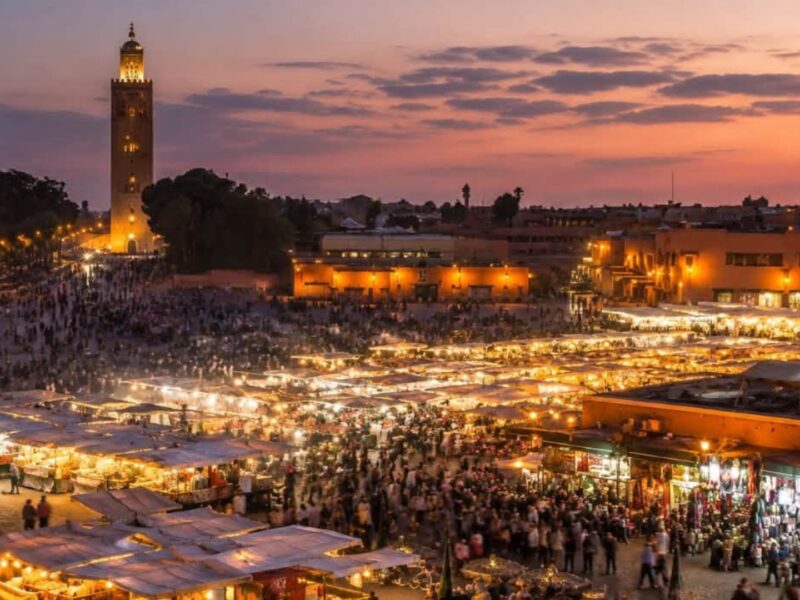
The medinas of Marrakech, Fes, and Chefchaouen are at their quietest. Riad prices drop by 30 to 50 percent compared to April or October peak rates. The souks belong to the people who actually use them rather than the travelers passing through. The light in the Fes medina in January, low and golden even at midday, filtering through the narrow alleyways onto the carved plaster and painted wood of the buildings, is genuinely beautiful in a way that summer light is not.
The trade-off is temperature. Marrakech in January averages around 12 degrees Celsius at night and 18 during the day, which is mild by global standards but cold enough to require a proper jacket and to make rooftop dining uncomfortable after dark. Fes is colder. Chefchaouen is colder still, sitting at altitude in the Rif Mountains where January nights regularly approach freezing. The Atlas Mountains carry snow on the upper peaks and the Tizi n’Tichka pass occasionally closes for brief periods due to ice.
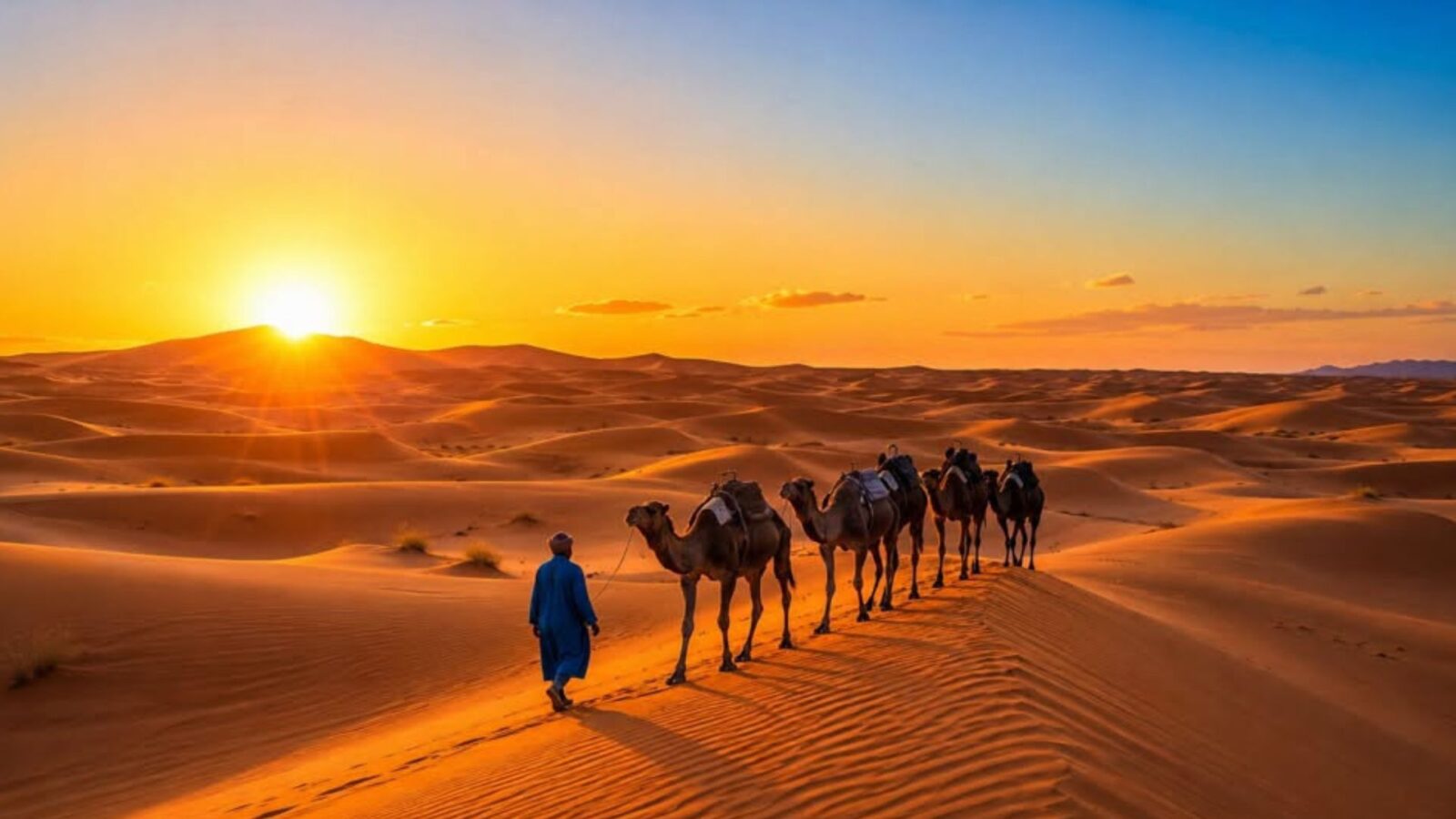
The Sahara in January is the surprise. Daytime temperatures at Merzouga average around 18 to 20 degrees, warm enough for comfortable desert exploration. Nights in the dunes are cold, genuinely cold, dropping to 4 or 5 degrees Celsius, but a well-equipped desert camp provides the layers needed and the cold night sky delivers the most extraordinary star visibility of the year. January is quietly one of the best months to experience the Sahara.
February: Winter’s final hold
February follows January’s pattern closely, with slightly warming temperatures by the end of the month as the first signs of spring begin to appear in the lower elevations.
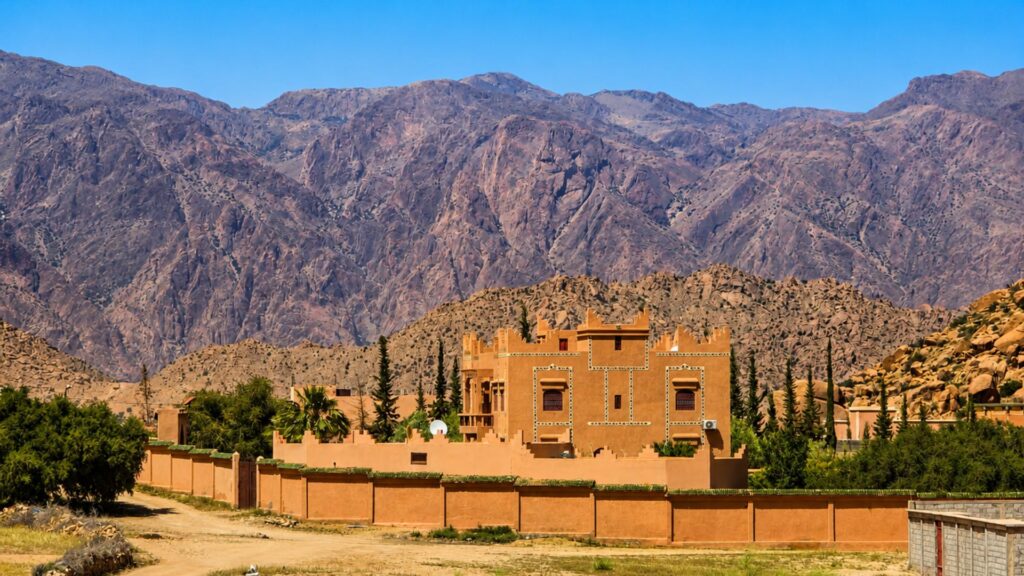
The almond trees bloom in the Souss Valley near Agadir and in parts of the Draa Valley in February, producing a brief window of white blossom against the terracotta landscape that is genuinely beautiful and almost entirely unknown to international travelers. The Ameln Valley near Tafraoute in the Anti-Atlas is the most celebrated almond blossom destination in Morocco and worth the detour for travelers with the flexibility to include it.
February is also Ramadan territory in some years, depending on the Islamic lunar calendar. In 2026, Ramadan falls in late winter, which affects the rhythm of daily life across the country in ways worth understanding before you arrive. Restaurants reduce their daytime hours or close entirely. The energy of the medinas shifts, becoming quieter during the day and genuinely alive in the evening when the fast breaks and the streets fill with families. Travelers who approach Ramadan as a cultural experience rather than an inconvenience almost universally find it one of the most memorable periods to be in Morocco.
March: The shoulder season begins
March is when Morocco begins its transition from winter quiet to spring vitality, and it represents one of the genuinely underused travel windows in the country’s calendar.
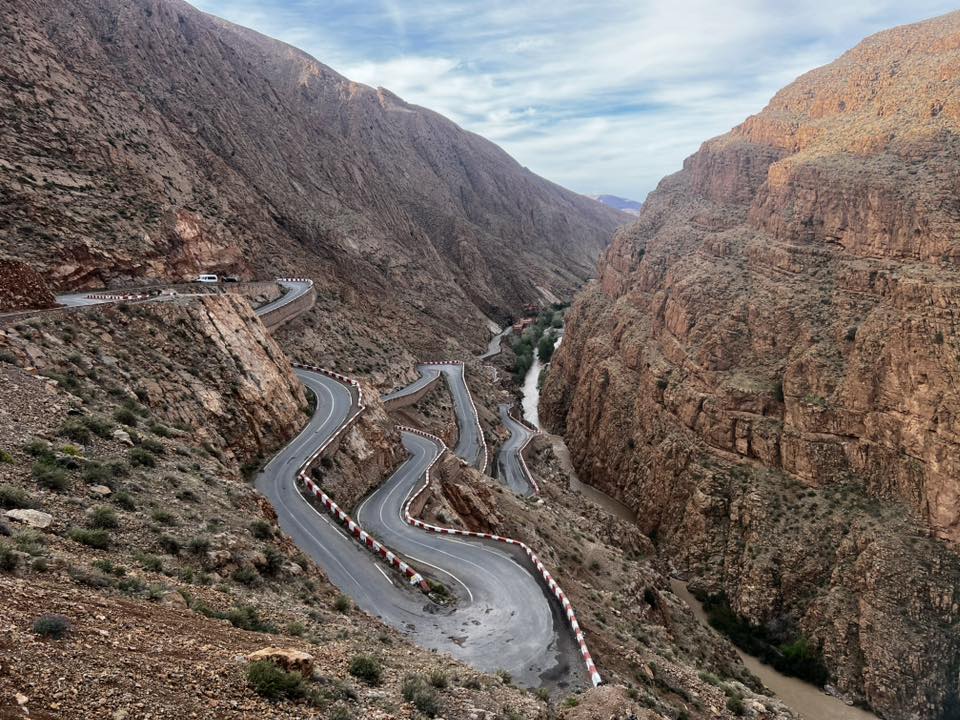
Temperatures climb steadily through the month. Marrakech reaches 22 degrees by the end of March. The Atlas foothills turn green from winter rainfall. The rose valley in the Dades starts its slow preparation for the bloom that peaks in May. The medinas recover their energy without yet reaching the saturation of April’s peak crowds.
The practical advantage of March is that it sits just ahead of the price and availability crunch that hits in April. Riads that are fully booked in the second week of April can often be reserved with a week’s notice in March. Day tours and desert camp bookings are available without the forward planning that peak season demands.
One consideration: March can bring rain, particularly in the north and in the Rif Mountains. Chefchaouen in March can be wet, cold, and overcast for stretches. That atmospheric quality suits some travelers and frustrates others. The south is more reliably dry.
April: Peak season, peak experience
April is the month that most travel resources recommend for Morocco, and the recommendation is not wrong, though it comes with conditions.
The weather in April is as close to ideal as Morocco produces across most regions simultaneously. Marrakech averages 24 degrees with low humidity and reliable sunshine. The Atlas Mountains are snow-capped but passable. Chefchaouen is green and clear. The Sahara is warm but not brutal, with daytime temperatures around 28 degrees and cool nights. The Dades Valley rose fields are approaching their bloom. The landscape at every elevation is at its most photogenic.
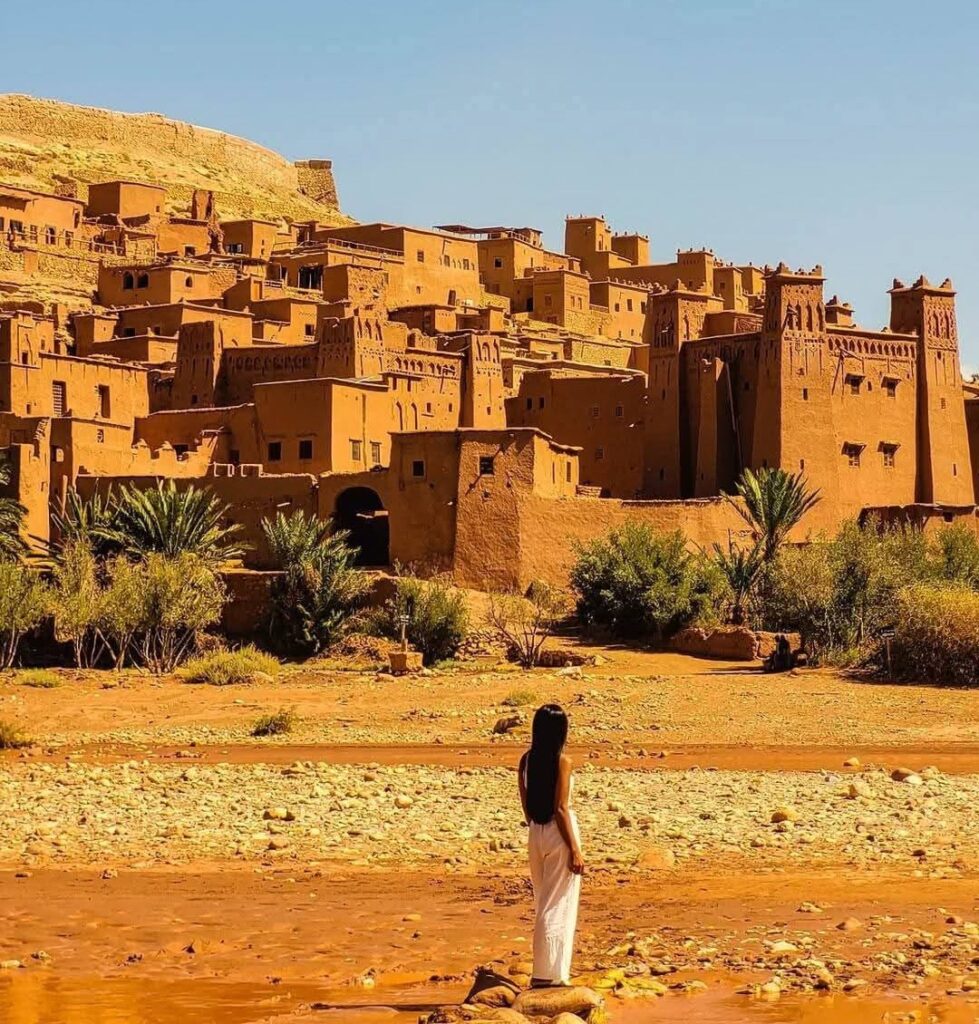
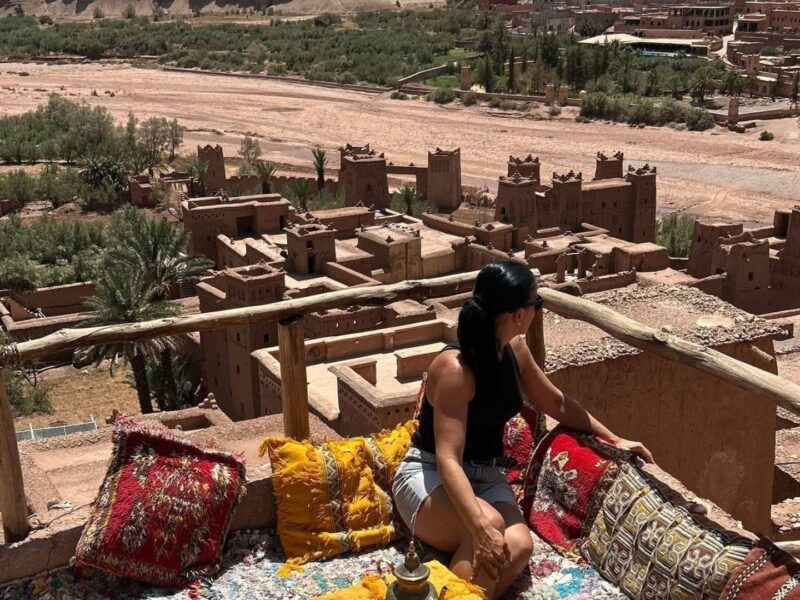
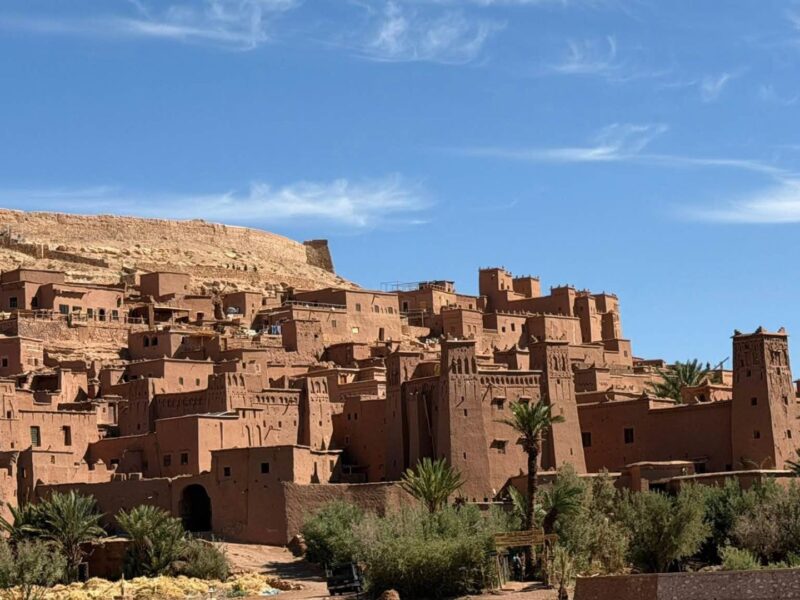
The condition is crowds. April is the busiest month in the Moroccan travel calendar by most metrics, and the impact is felt most acutely at the country’s most photographed destinations. Chefchaouen fills with day trippers from Fes and international tour groups simultaneously. The Ait Ben Haddou ksar outside Ouarzazate can feel genuinely crowded by mid-morning. Marrakech accommodations at the mid-range riad level fill four to six weeks ahead for the most sought-after properties.
The practical response to April crowds is timing. Arriving at popular sites before 9 a.m. delivers a fundamentally different experience than arriving at 11. Booking accommodation eight weeks out rather than three weeks out eliminates the availability anxiety that catches many April travelers off guard.
May: The rose harvest and the last comfortable heat
May is April’s quieter sibling and, for certain travelers, the superior month.
The crowds that peak in the second half of April begin to thin in May as European school schedules tighten and the early-season travelers return home. Prices hold at near-peak levels but availability improves noticeably, particularly in the south. The weather remains excellent across most of Morocco through the first three weeks of the month before temperatures in Marrakech and the desert begin climbing toward June levels.
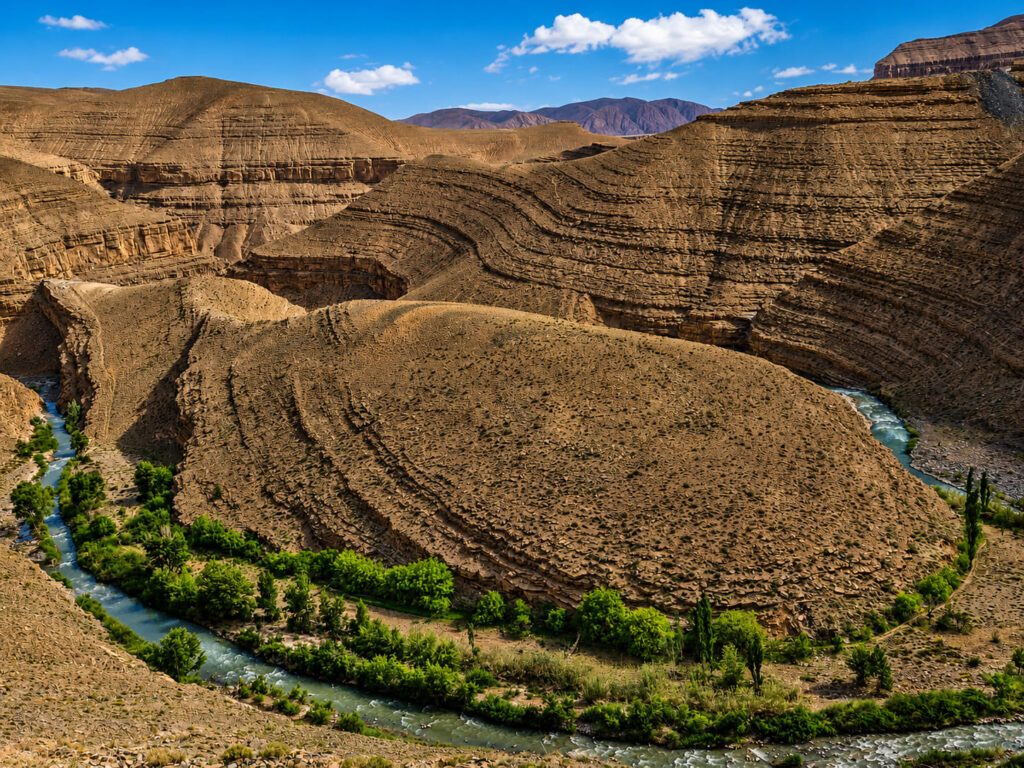
The defining May event is the rose harvest in the Dades Valley, centered on the town of Kelaat M’Gouna. The valley blooms pink from thousands of rose bushes cultivated for the Moroccan rose oil and rosewater industry, and the annual Rose Festival brings local families and a modest number of in-the-know international travelers to the valley for a celebration that is genuinely cultural rather than staged for tourism. Arriving in the Dades Valley during the second week of May and driving slowly through the rose fields in the morning before the harvest crews have finished is one of the more specific and memorable Morocco experiences available.
June: The transition month
June is the month that separates the spring travelers from the summer travelers and belongs fully to neither category.
The first half of June retains much of May’s pleasant character in the north and at altitude. Chefchaouen and Fes are comfortable. The Atlas mountains are clear. The coast, particularly Essaouira and Agadir, enters its most appealing period as Atlantic breezes keep temperatures mild while the interior heats up.
Marrakech in June averages 35 degrees. The desert approaches 40. Both are manageable for travelers who understand what they are choosing, but neither represents the Morocco of spring promotional materials.
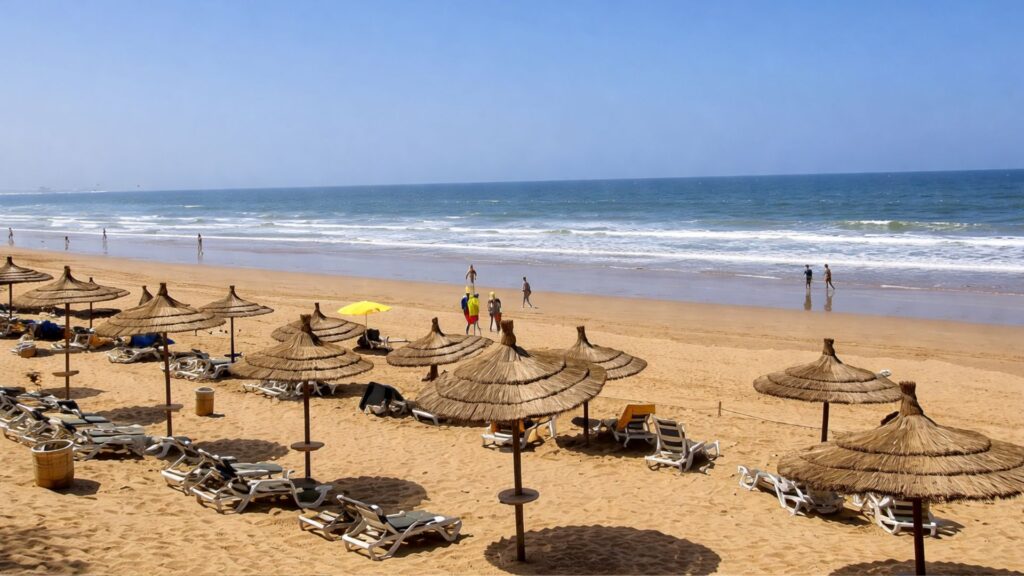
The coastal cities become the correct answer to the question of where to be in Morocco in June. Essaouira’s notorious wind, which frustrates visitors in other months, becomes an asset when the alternative is sitting in 38-degree heat in a medina with no air circulation. The surf coast between Essaouira and Agadir is at its most active, drawing serious wave riders from across Europe.
July and August: Summer in full force
July and August in Morocco require honesty rather than promotion.
Marrakech in July averages 38 degrees with peaks above 42. The Sahara at Merzouga reaches 45 degrees on hot days. The medinas, with their narrow alleyways and dense construction, trap heat in a way that makes midday exploration genuinely unpleasant. The conventional wisdom that Morocco is a summer destination because it is warm and exotic applies much better to the coast than to the interior.

The Moroccan domestic tourism market peaks in July and August, with families from Casablanca, Rabat, and the major cities heading to Agadir, Dakhla, and the Atlantic coast for their summer holidays. This means coastal destinations are busy and accommodation prices rise while interior prices drop. The Sahara in August is almost exclusively the domain of travelers who specifically want to experience extreme desert heat, a small but genuine category.
The mountains offer genuine relief. Oukaïmeden, the ski resort above Marrakech, becomes a hiking destination in summer at altitudes above 2,500 meters where temperatures stay 15 to 20 degrees cooler than the city below. The Toubkal region attracts serious trekkers throughout July and August, and the trails above Imlil are less crowded than spring despite the better weather at altitude.
September: The recovery month
September is when Morocco exhales after the summer and begins its return to the conditions that define its best travel periods.
The first two weeks of September still carry summer’s residual heat in the interior, with Marrakech temperatures averaging 32 to 35 degrees. By the third week, the shift is noticeable. Temperatures drop toward the mid-twenties. The medinas recover their energy. The crowds of domestic summer tourists have returned home. International travelers begin filtering back in, but the full peak-season pressure does not arrive until October.
September in the desert is the transition period between the heat that makes summer Sahara visits challenging and the perfect conditions of October through April. The nights cool faster than the days in September, which means late September desert visits begin to approach the ideal experience without the peak-season crowds that October brings.
The light in September has a particular quality that photographers reference specifically: lower in angle than summer, warmer in color, and arriving earlier in the afternoon than it will in winter. The Atlas Mountains in late September, with the summer haze gone and the air clear, deliver views that photographers and hikers target specifically.
October: The best month most people overlook
October is the month that experienced Morocco travelers choose when they have flexibility, and the reason is straightforward: it delivers most of April’s weather quality with noticeably fewer crowds and better accommodation availability.
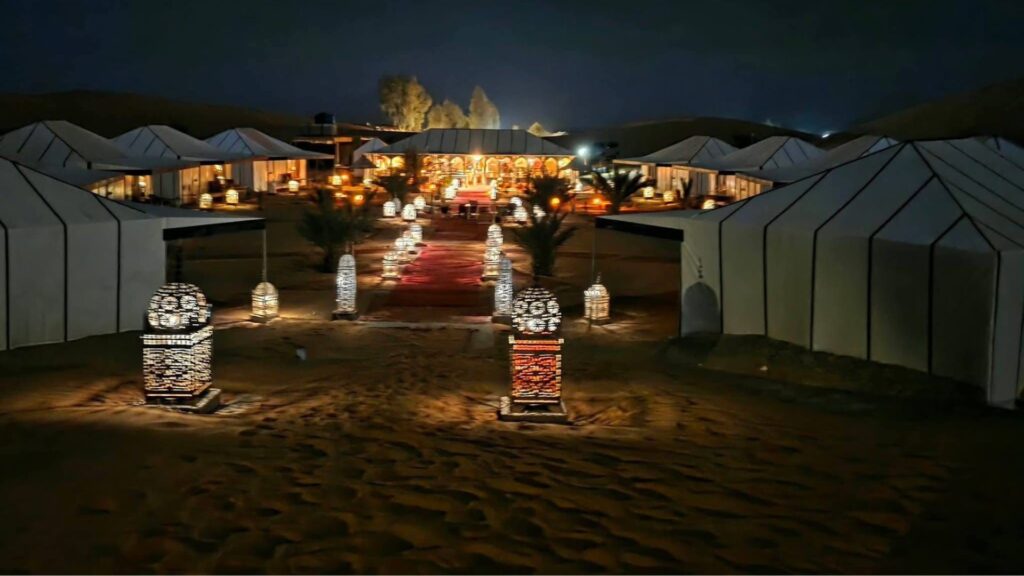
Temperatures in October average 26 degrees in Marrakech, dropping to 18 at night. The Atlas is clear and green from the first autumn rains. The desert is ideal, warm during the day and cool enough at night for comfortable sleeping without the heavy layers that January requires. Chefchaouen in October is perhaps at its best, the light golden and low, the crowds manageable, the air carrying the first hint of autumn.
The practical advantages of October over April are real. Mid-range riads in the Fes medina that require six weeks advance booking in April are often available with two weeks notice in October. Desert camp bookings open up. Day tour prices soften. The souks are busy but not overwhelmed.
The one October consideration is the Jewish festival of Sukkot, which falls in October and brings significant numbers of Israeli and international Jewish travelers to Morocco on heritage tours. This creates localized demand in cities with significant Jewish historical heritage, particularly Fes and Marrakech, without affecting the broader accommodation picture substantially.
November: The quiet season opens
November is the first month of Morocco’s quiet season and one of the most underused months in the travel calendar.
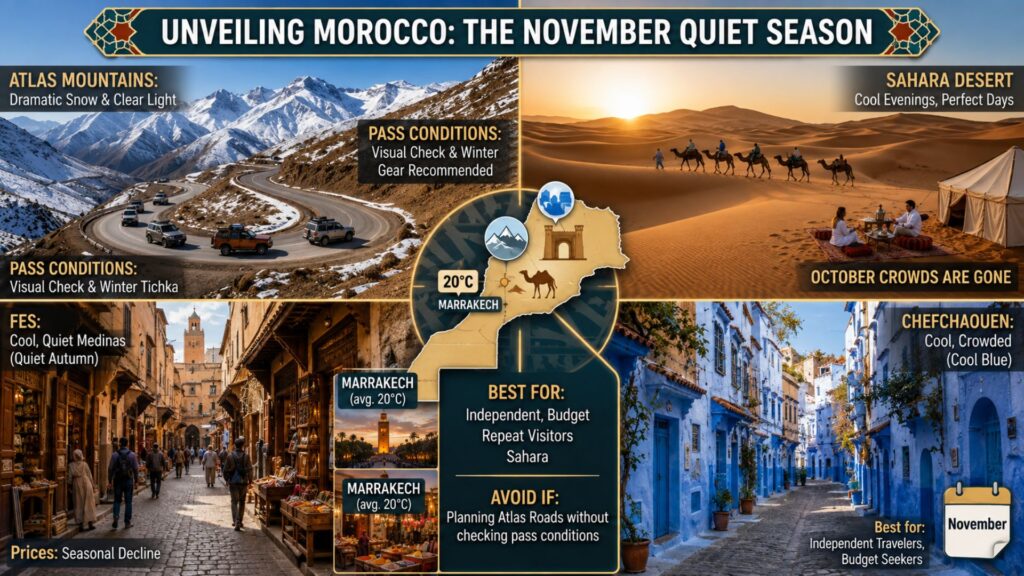
Temperatures drop to comfortable autumn levels across most of the country. Marrakech averages 20 degrees. The Sahara is ideal. Chefchaouen and Fes are cool but not cold. The medinas quiet noticeably from October levels. Accommodation prices begin their seasonal decline.
The Atlas can receive its first significant snowfall in November, which closes the Tizi n’Tichka pass intermittently and adds a visual drama to the mountain landscape that spring and summer do not produce. Driving the Atlas in November requires checking road conditions and carrying appropriate gear, but the reward, a mountain crossing with snow on the peaks and clear winter light, is one of Morocco’s most striking visual experiences.
December: Christmas Morocco and the winter turn
December splits into two distinct periods that require separate consideration.
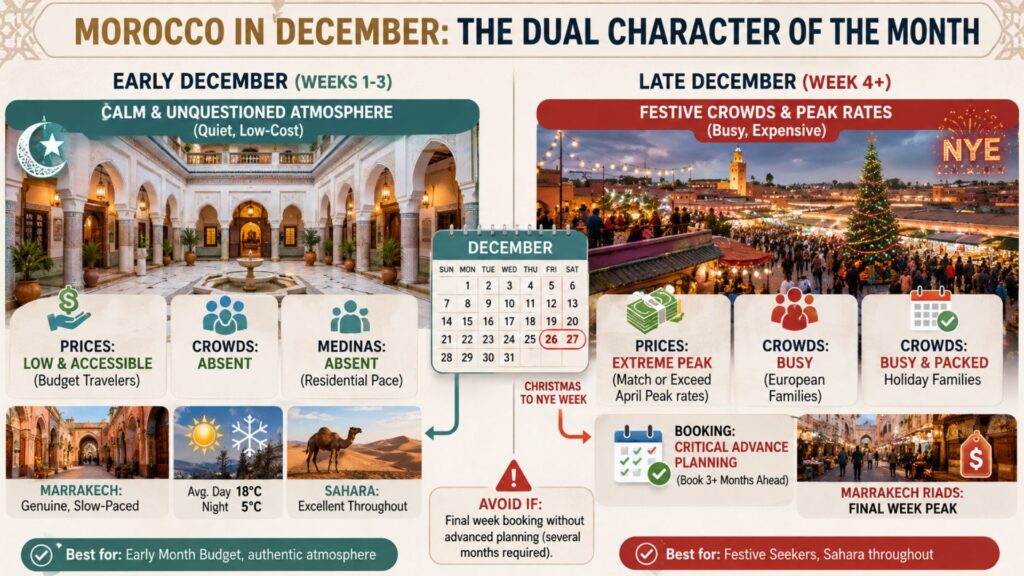
The first three weeks of December are among the quietest and most atmospheric in the Moroccan travel year. Prices are low, crowds are absent, and the medinas operate on a pace that feels genuinely residential rather than tourist-facing. The Sahara is excellent. The coast is mild. Marrakech is comfortable during the day and cold at night.
The final week of December is the opposite. The period between Christmas and New Year is one of the busiest and most expensive weeks in the Moroccan calendar, with European families and travelers treating Morocco as their holiday destination of choice. Marrakech riad prices in the last week of December match or exceed April peak rates. Booking three months in advance is not excessive.
If your December trip falls outside that final week, you will have some of the most uncrowded and affordable Morocco travel of the entire year. If it falls inside that week, plan and book accordingly.
The honest summary
No single month is perfect for every type of Morocco traveler, and the seasonal advice that circulates most widely, spring and fall, is accurate for a general audience but too broad to be genuinely useful for planning a specific trip.
The travelers who get the timing right are the ones who decided what they were actually going to Morocco for before they decided when to go. Desert visitors and city explorers are working with different seasonal logic. Hikers and beach travelers want different months. Budget seekers and travelers who require specific accommodation should be looking at entirely different windows.
If you are still building the structure of your trip around the timing question, the complete Morocco itinerary guide covers how to match your route to your travel period, and the Morocco travel cost breakdown explains how seasonal timing affects what your trip actually costs on the ground.
What type of Morocco traveler are you, and does that change which month you would actually choose?