
Morocco beaches: surf, sand & coastal escapes
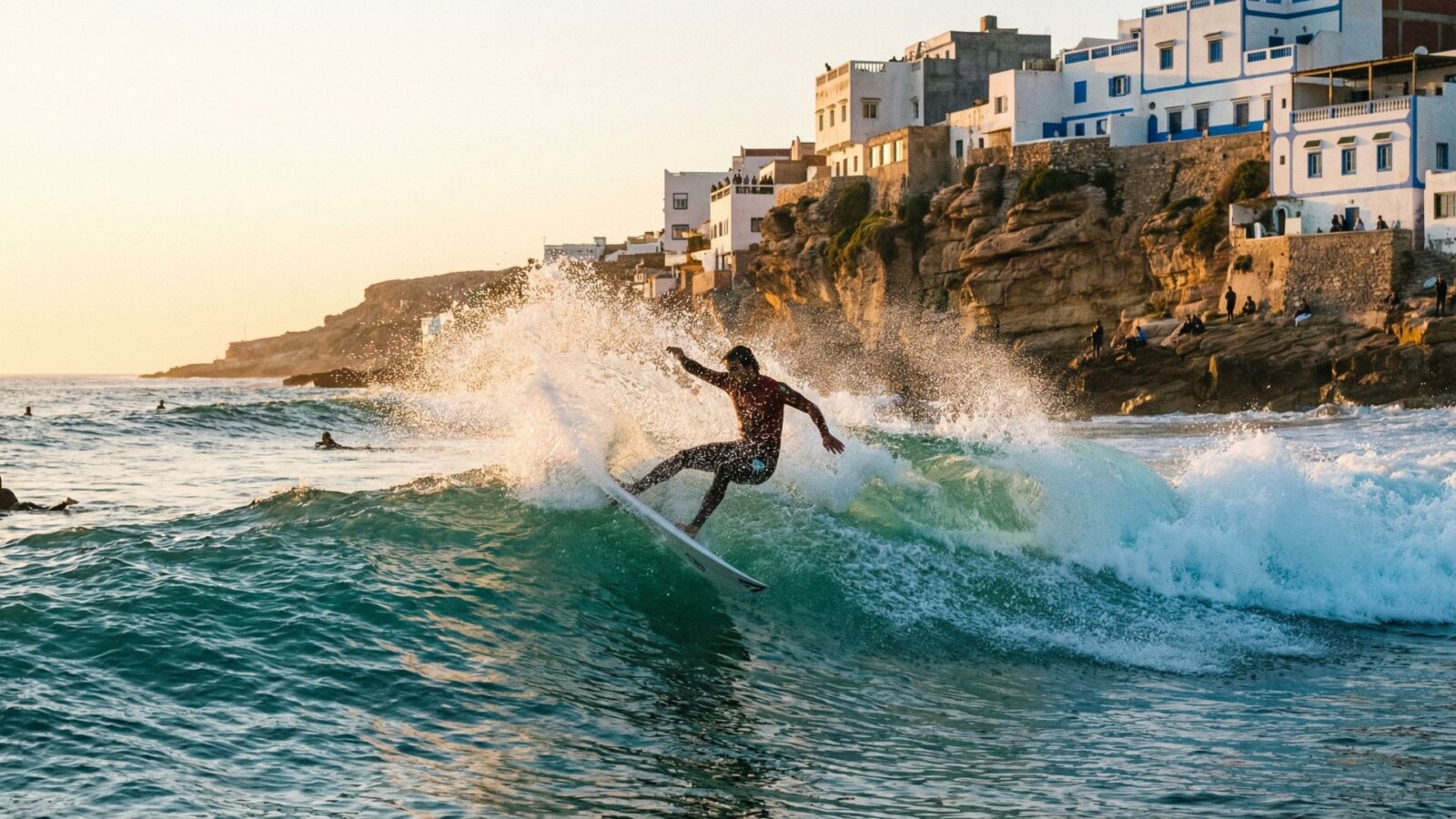
Morocco’s coastline stretches over 1,800 miles along two distinct bodies of water, creating a patchwork of surf towns, fishing villages, and windswept beaches that rival anything in Europe. The Atlantic side draws wave riders and kite surfers, while the Mediterranean offers calmer bays and a more relaxed vibe. What makes these shores so varied? The answer lies in the country’s unique position between ocean, sea, and mountain, a relationship best understood through the lens of Morocco’s complete geography.
The Atlantic Coast: where the waves are
Morocco’s Atlantic coastline runs from Tangier in the north all the way down to the Western Sahara border, and this stretch of coast has earned a serious reputation among surfers worldwide. The combination of consistent swells, offshore winds, and affordable living has transformed several fishing villages into legitimate surf destinations.
Taghazout is ground zero for Moroccan surf culture. This small village about 12 miles north of Agadir was a sleepy fishing community until surfers discovered its world-class breaks in the 1960s and 70s. Today it walks a fine line between authentic village life and surf tourism, with dozens of surf camps, yoga retreats, and beachfront cafes catering to wave-hungry travelers. The vibe is laid-back and welcoming, with a mix of hardcore locals, traveling pros, and beginners learning to pop up for the first time.
The breaks around Taghazout suit different skill levels. Anchor Point delivers powerful right-hand waves that draw experienced surfers from around the globe. Hash Point and Panoramas offer more forgiving conditions for intermediates. Beginners typically start at the beach breaks closer to town, where the waves are smaller and the wipeouts less punishing. December through March brings the biggest swells, but rideable waves show up pretty much year-round.
Essaouira sits a few hours north and offers a completely different coastal experience. This historic port city is famous for its powerful winds, which make it less ideal for surfing but absolutely perfect for kitesurfing and windsurfing. The medina here is a UNESCO World Heritage site, with blue and white buildings, art galleries, and a relaxed atmosphere that draws creatives and bohemian travelers. The beach stretches for miles south of town, usually dotted with colorful kites and the occasional camel posing for tourist photos.
Further south, Sidi Ifni and Mirleft remain relatively undiscovered. These towns offer empty beaches, dramatic cliffs, and a slower pace of life that Taghazout has largely lost. Infrastructure is basic but improving, and travelers willing to venture off the main tourist trail find genuine fishing communities where life revolves around the sea rather than tourism.
The Mediterranean Coast: calmer waters and hidden coves
Morocco’s northern coast faces the Mediterranean Sea, and the character here shifts noticeably. The waves are smaller, the water is warmer, and the landscape feels more European than African. This stretch attracts a different crowd, families, beach loungers, and travelers looking to relax rather than chase swells.
The town of Al Hoceima anchors the central Mediterranean coast and serves as a gateway to some of Morocco’s most beautiful beaches. Quemado Beach sits right in town and offers calm swimming conditions with views of a small island offshore. Further afield, beaches like Cala Iris and Badis require more effort to reach but reward visitors with crystal-clear water and genuine seclusion.
The Rif Mountains tumble directly into the sea along this coast, creating a dramatic backdrop that sets it apart from the flatter Atlantic shore. Rocky headlands alternate with sandy coves, and the drive along the coastal road ranks among Morocco’s most scenic. Pack a picnic and stop wherever the view demands it.
Tangier sits at the meeting point of Atlantic and Mediterranean, and its beaches reflect this unique position. The city beach gets crowded and isn’t particularly special, but heading east toward Ksar es-Seghir reveals increasingly attractive stretches of sand. Cap Spartel, where the two bodies of water officially meet, offers dramatic cliffs and a historic lighthouse rather than swimming beaches, but it’s worth the detour for the geography lesson alone.
Tetouan and the surrounding area cater heavily to Moroccan domestic tourism. The beaches here fill up during summer months when families from Fes, Meknes, and beyond escape the interior heat. Martil and M’diq are the most popular spots, with developed waterfronts and all the amenities you’d expect from a beach resort town. Foreign tourists are relatively rare, which can be refreshing or isolating depending on your perspective.
Surf culture and practical considerations
If surfing is your main reason for visiting Morocco’s coast, a few practical details will help you plan.
Board rentals are widely available in Taghazout, Essaouira, and other surf towns. Quality varies, so inspect what you’re getting before handing over cash. Serious surfers often bring their own boards, though airlines can make this expensive and complicated. Many surf camps include board use in their packages, which simplifies things considerably.
Surf camps range from bare-bones hostels with communal living to upscale retreats with private rooms, yoga sessions, and gourmet meals. A week-long package typically runs between $300 and $800 depending on the level of comfort and what’s included. These camps handle logistics like transportation to different breaks, so you can focus on surfing rather than figuring out where to go.
Water temperatures along the Atlantic require a wetsuit for most of the year. Winter months demand at least a 4/3mm suit, while summer allows for a shorty or spring suit. The Mediterranean warms up considerably during summer, and many swimmers go without any neoprene from June through September.
Rip currents and rocky bottoms demand respect. Morocco’s beaches are not heavily lifeguarded, and the ocean doesn’t care about your skill level. Surf within your abilities, watch how waves break before paddling out, and never turn your back on the ocean. Local surfers are generally friendly and willing to share knowledge if you approach them with respect.
Beyond the beach: coastal towns worth exploring
Morocco’s coast isn’t just about sand and waves. Several towns along the shore offer rich history, excellent food, and experiences that have nothing to do with swimming.
Asilah, south of Tangier on the Atlantic, is a whitewashed jewel with Portuguese ramparts, colorful murals, and a thriving arts scene. The annual cultural festival draws musicians and painters from across the world, and the medina stays photogenic year-round. The town beach is pleasant enough, but Asilah’s real draw is its streets rather than its shore.
Essaouira deserves mention again for its non-beach attributes. The fishing port here is one of Morocco’s most active, and watching the boats unload their catch each afternoon provides genuine entertainment. The medina is compact and walkable, free from the aggressive touts that plague Marrakech. Seafood restaurants line the harbor, grilling the day’s catch right in front of you. Spending a few days here without ever touching the water would be perfectly reasonable.
El Jadida, roughly midway between Casablanca and Essaouira, holds a Portuguese cistern that ranks among Morocco’s most atmospheric historical sites. The underground chamber, with its columns reflected in shallow water, has appeared in films and photographs for decades. The beach here is secondary to the history, but it’s decent enough for a quick dip.
Oualidia, a small lagoon town between El Jadida and Essaouira, is famous for its oysters and calm waters. The protected lagoon makes it ideal for families with young children or anyone who prefers their swimming without waves. Oyster farms dot the lagoon, and restaurants serve them fresh by the dozen. It’s a foodie destination disguised as a beach town.
Dakhla: the final frontier
Way down south, almost at the Western Sahara border, Dakhla has emerged as one of the world’s premier destinations for kitesurfing and windsurfing. This remote outpost sits on a narrow peninsula surrounded by a massive lagoon, where steady winds and flat water create perfect conditions for water sports.
Getting there requires commitment. Dakhla is over 1,000 miles from Casablanca, and the journey involves either a long drive through increasingly empty desert or a flight from one of the major cities. The reward for this effort is a genuinely frontier-like atmosphere, with world-class conditions and far fewer crowds than European kite spots.
The town itself won’t win any beauty contests. It’s a functional place with limited nightlife and basic infrastructure. But nobody comes to Dakhla for the restaurants. They come for the wind, which blows reliably from April through October, creating ideal conditions for riders of all levels. Several camps and hotels cater specifically to kitesurfers, providing equipment, instruction, and boat rescue services.
Beyond water sports, Dakhla offers access to empty desert beaches that stretch for miles in either direction. Flamingos wade in the lagoon. Sea turtles nest on remote shores. The sense of isolation and natural beauty makes the long journey worthwhile for adventurous travelers.
Making the most of Morocco’s coast
Planning a coastal trip requires some decisions about priorities. Trying to hit every beach in a single trip means spending more time in transit than in the water. Better to pick a region and explore it properly.
For surfing, base yourself in or around Taghazout and explore the breaks between Agadir and Essaouira. A week or two gives you time to find your favorite spots and experience different conditions.
For relaxation and culture, split time between Essaouira and one of the smaller Mediterranean towns. You’ll get beautiful beaches without the hardcore surf focus, plus enough history and food to keep non-beach days interesting.
For adventure and solitude, head south to Sidi Ifni, Mirleft, or all the way to Dakhla. These destinations require more planning but reward you with empty beaches and authentic experiences.
No matter which stretch of coast you choose, Morocco delivers something special. The combination of reliable weather, affordable prices, and genuine character sets it apart from more developed beach destinations. And when you’ve had your fill of salt water and sand, the country’s varied interior awaits.
Speaking of variety, Morocco’s climate patterns shift dramatically as you move from coast to mountain to desert. Understanding these regional climate differences helps you pack appropriately and time your trip for the best possible conditions.


