
Trekking the atlas mountains in Morocco: a complete guide to Mount Toubkal
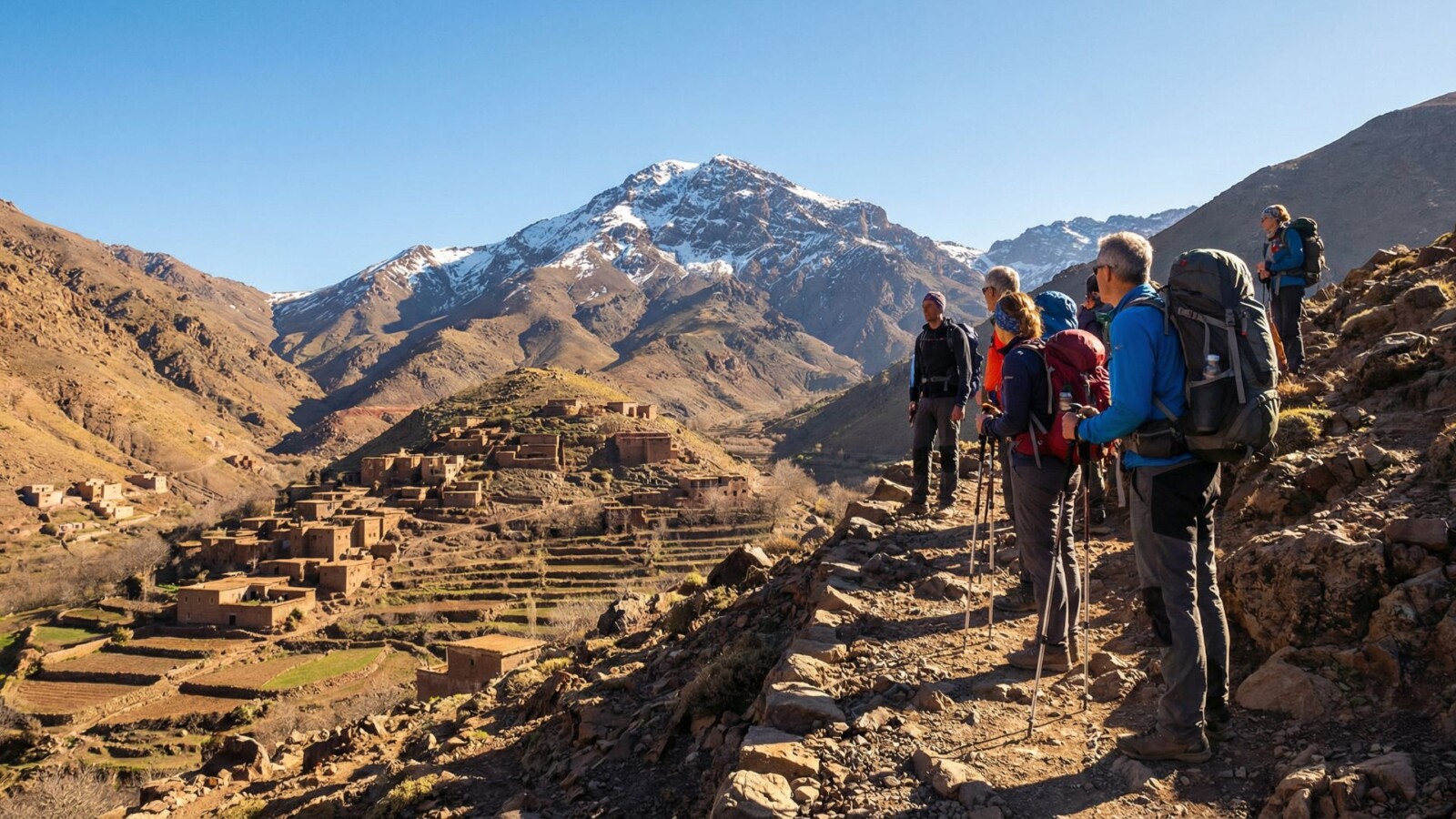
Stretching over 1,500 miles across Morocco, Algeria, and Tunisia, the Atlas Mountains define the country’s rugged interior and offer some of North Africa’s most rewarding trekking experiences. For travelers drawn to high-altitude adventures, Berber hospitality, and landscapes that shift from green valleys to snow-dusted peaks, this region delivers. Whether you’re summiting Mount Toubkal or wandering through remote villages, understanding the full scope of Morocco’s diverse geography will help you plan a journey that goes far beyond the mountains.
Understanding the three Atlas ranges
Most people hear “Atlas Mountains” and picture a single chain of peaks. The reality is more interesting. Morocco is home to three distinct ranges, each with its own character and appeal for trekkers.
The High Atlas is the showstopper. Running northeast to southwest through central Morocco, this range contains the highest peaks in North Africa, including Mount Toubkal at 13,671 feet. The terrain here is dramatic and demanding, with deep gorges, alpine meadows, and villages clinging to steep hillsides. If you want the classic Atlas experience with serious elevation and jaw-dropping views, this is where you go.
The Middle Atlas sits further north and feels like a different world entirely. Cedar forests replace bare rock, and the climate stays cooler and wetter throughout the year. The town of Ifrane looks more like a Swiss village than anything you would expect in Morocco. Trekking here is generally easier, with gentler slopes and well-maintained trails through forested terrain. Wildlife enthusiasts come here hoping to spot Barbary macaques swinging through the trees.
The Anti-Atlas lies south of the High Atlas and gets overlooked by most travelers. That is a mistake. This ancient range features bizarre rock formations, pink granite landscapes, and some of the oldest geological structures on Earth. The trekking here tends to be more about exploration and solitude than peak-bagging. If crowds are not your thing, the Anti-Atlas deserves a spot on your list.
Mount Toubkal: the big one
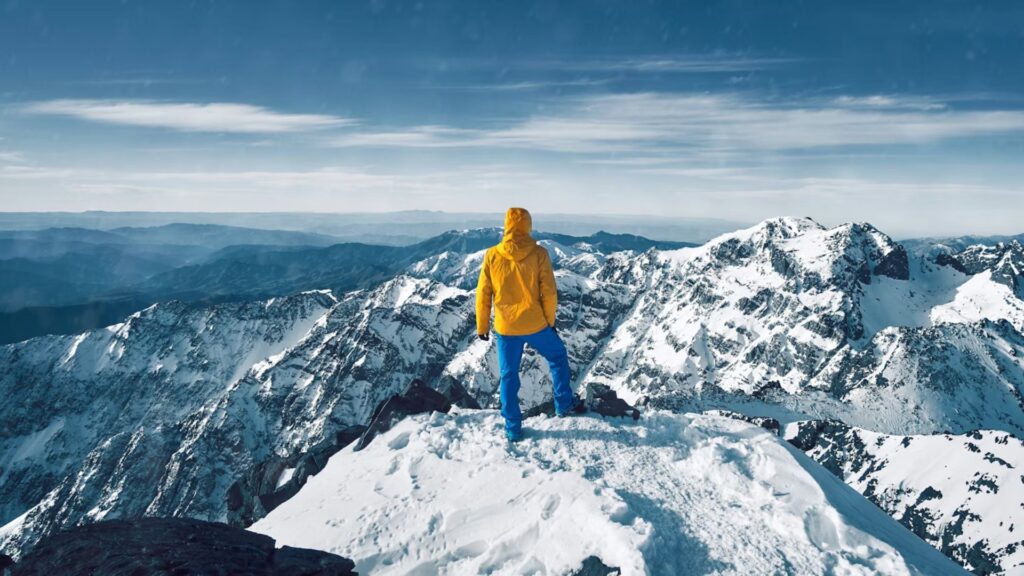
Let’s talk about the trek everyone wants to do. Summiting Mount Toubkal is a bucket-list achievement for many travelers, and it is more accessible than you might think. You do not need technical climbing experience or specialized gear. What you do need is decent fitness, proper preparation, and respect for the altitude.
The standard route starts in Imlil, a small village about 90 minutes from Marrakech. From there, most trekkers take two days to reach the summit. The first day involves a five to six hour hike to the Toubkal Refuge, a basic mountain hut at around 10,500 feet. You sleep there, wake up absurdly early the next morning, and push for the summit before descending back to Imlil.
The climb itself is not technically difficult, but altitude makes everything harder. Headaches, nausea, and shortness of breath are common above 12,000 feet. Take your time. Drink water constantly. Listen to your body. The view from the top rewards every painful step.
Timing matters more than most guides let on. The best months for Toubkal are April through June and September through October. Winter brings snow and ice that require crampons and an experienced guide. Summer can be brutally hot at lower elevations, though the summit stays pleasant. July and August also bring crowds, so manage your expectations.
Berber villages and cultural immersion
The mountains are not just about scenery. They are home to the Amazigh people, commonly known as Berbers, who have lived in these valleys for thousands of years. Spending time in Berber villages transforms a trek from a physical challenge into something deeper.
Villages like Imlil, Aroumd, and Armed offer homestays where you can sleep in traditional homes, share meals with local families, and get a glimpse of mountain life that has not changed much over generations. The hospitality is legendary. You will drink more mint tea than you thought possible and probably eat tagine until you cannot move.
Hiring a local guide is not just recommended, it is essential for multi-day treks and the right thing to do. These guides know the trails intimately, speak the local Tamazight language, and provide economic support to mountain communities. A good guide turns a hike into an education. You learn about medicinal plants, traditional farming techniques, and the stories behind ancient kasbahs crumbling on distant ridges.
Many trekkers combine hiking with visits to the weekly souks that pop up in different villages. These markets are chaotic and colorful, with farmers selling produce, craftspeople hawking goods, and livestock changing hands. They offer a window into daily life that tourist-focused Marrakech simply cannot match.
What to pack for atlas trekking
Packing for the Atlas requires thinking about layers. Temperatures can swing wildly between scorching midday sun and freezing nights, especially at higher elevations. A lightweight down jacket, a decent rain shell, and moisture-wicking base layers will serve you well. Avoid cotton. It traps sweat, dries slowly, and makes you miserable when temperatures drop.
Footwear deserves serious consideration. Sturdy hiking boots with ankle support are non-negotiable for rocky trails and scree fields. Break them in before you arrive. Blisters at 10,000 feet are no joke. Bring trekking poles if your knees appreciate the help on steep descents.
Sun protection matters more than you expect. The high altitude intensifies UV exposure, and the dry air means you might not notice how badly you are burning. Pack strong sunscreen, a wide-brimmed hat, and quality sunglasses. Lip balm with SPF will save you from cracked, painful lips by day three.
Water purification is worth considering for longer treks. While bottled water is available in villages, carrying a filter or purification tablets reduces plastic waste and ensures you never run dry between stops. Hydration bladders work better than bottles when you are on the move.
Best multi-day treks beyond Toubkal
Toubkal gets all the attention, but the Atlas offers dozens of longer routes for those with more time. The Toubkal Circuit is a popular five to seven day trek that loops through the High Atlas, passing through remote villages and crossing high passes with names that sound like poetry. M’Goun Traverse is another classic, taking you through the Ait Bougmez Valley, known as the “Happy Valley” for its green terraces and welcoming communities.
For something different, consider the Jebel Saghro region between the High Atlas and the Sahara. This area features volcanic landscapes, dramatic mesa formations, and far fewer trekkers than the main ranges. The scenery feels almost Martian in places. Winter and spring are the best seasons here, as summer temperatures climb uncomfortably high.
The Rif Mountains in northern Morocco deserve mention for adventurous travelers willing to go off the beaten path. This range runs along the Mediterranean coast and offers lush green landscapes, traditional villages, and genuine isolation. Infrastructure for trekking is less developed than in the Atlas, which is either a drawback or a selling point depending on your style.
Getting there and practical considerations
Marrakech serves as the gateway to the High Atlas for most travelers. The drive to Imlil takes about 90 minutes through increasingly dramatic scenery. Shared taxis and private transfers are easy to arrange. Some trekkers stay overnight in Imlil before starting their hike to acclimatize slightly and get an early start.
Guided treks can be arranged through agencies in Marrakech or directly with guides in Imlil. Prices vary widely, so shop around and ask exactly what is included. A reputable guide should provide meals, mule support for luggage, and any necessary permits. Tipping is expected and appreciated.
Solo trekking is possible on popular routes like the Toubkal standard path, but hiring a guide is strongly recommended for safety and navigation. Trails are not always well-marked, weather can change rapidly, and cell service is unreliable at best. The extra cost is worth the peace of mind.
Your Atlas adventure awaits
The Atlas Mountains reward every type of traveler. Hardcore trekkers find challenging summits and multi-day routes that test their limits. Culture seekers discover villages where traditions run deep and hospitality comes naturally. Even casual hikers can enjoy day walks through stunning valleys without committing to anything too strenuous.
Whatever draws you to these mountains, give yourself enough time to go slow and soak it in. The best moments often come between the planned highlights, sitting with a family over tea or watching the sunset paint distant peaks in shades of gold.
Once you’ve had your fill of mountain air, consider heading south where the landscape transforms entirely. The Sahara Desert waits just beyond the Anti-Atlas, offering a completely different kind of adventure under endless skies and towering dunes.


