Morocco gears up for Africa cup of nations 2025: football, fans, and economic impact
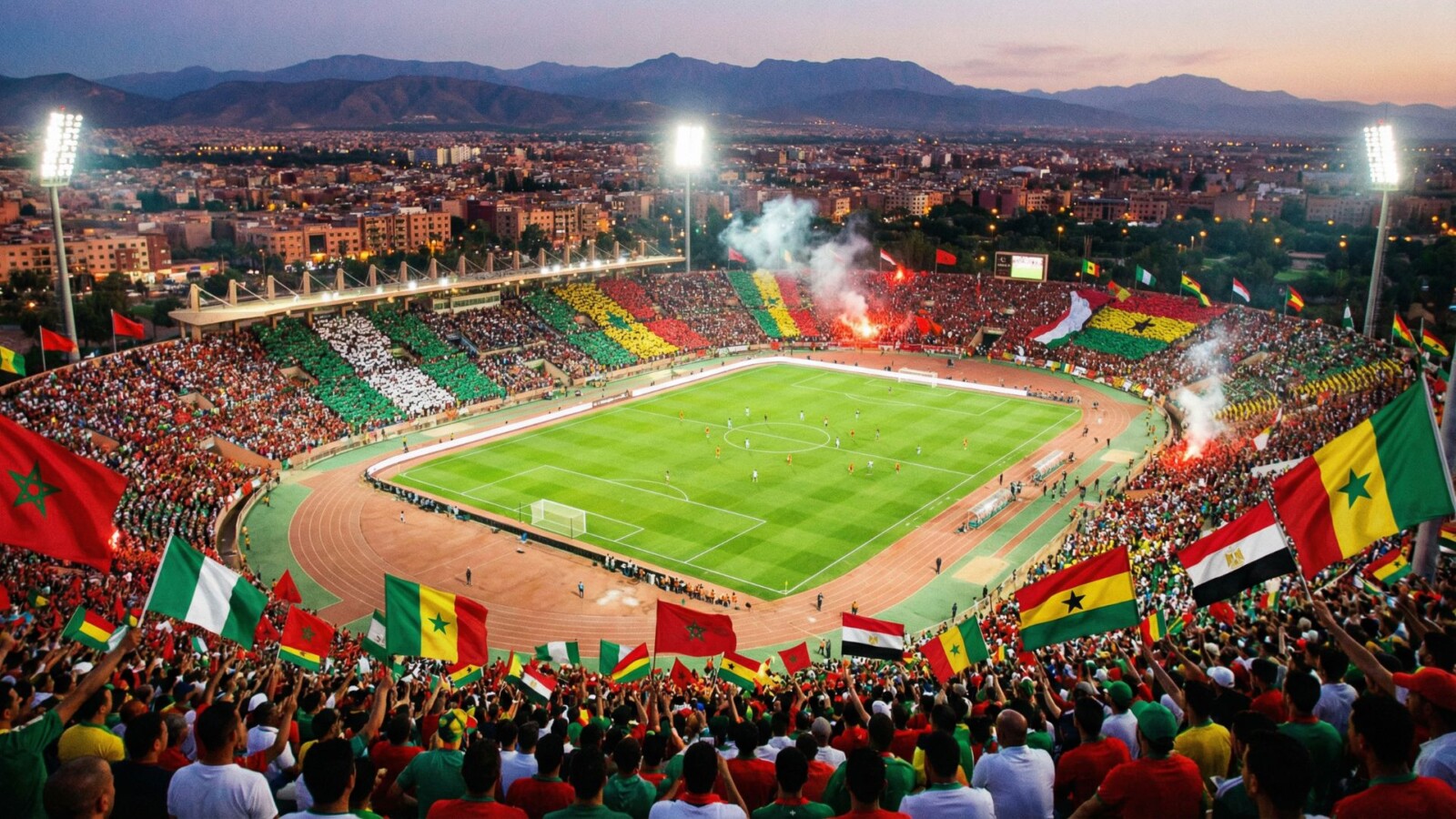
The clock is ticking, and Morocco is about to throw the biggest party the African continent has seen in years.
When the Africa Cup of Nations kicks off on December 21, 2025, somewhere between half a million and one million football fanatics will descend upon Moroccan cities, wallets open and hearts racing. This isn’t just another sporting event. It represents a watershed moment for Morocco’s tourism industry and a dress rehearsal for something even bigger on the horizon.
The numbers tell a staggering story
Let’s cut straight to the chase. The 23 participating nations (excluding host Morocco) represent a combined population exceeding 1.03 billion people. That’s roughly two-thirds of Africa’s entire population packed into this single tournament. When you’re dealing with numbers this massive, even small percentages translate into enormous visitor flows.
Using conservative estimates of five to ten supporters per 10,000 inhabitants, organizers project between 517,000 and 1,034,000 foreign spectators making the journey to Morocco. These aren’t armchair fans watching from their living rooms. These are passionate supporters willing to spend serious money on flights, hotels, food, and experiences.
The economic projections have tourism officials practically giddy. Total revenue from foreign visitors could land somewhere between 4.5 and 12 billion dirhams, with spending distributed across accommodations, restaurants, transportation, and auxiliary services. The average supporter is expected to stay around ten nights, spending between 600 and 800 dirhams daily.
Demographic heavyweights driving the crowds
Nigeria, Egypt, DR Congo, Tanzania, South Africa, Sudan, Uganda, Algeria, Angola, Mozambique, and Ivory Coast form the demographic backbone of this tournament. These twelve nations alone account for approximately 900 million inhabitants, representing over 85% of the total population from participating countries.
Football runs deep in African culture, and these nations boast some of the most passionate fan bases on the planet. Egyptian supporters have been known to travel in massive numbers for continental competitions, while Nigerian fans bring infectious energy wherever they go. South African supporters combine their love of football with a taste for adventure tourism.
What makes this tournament particularly interesting from an economic perspective is the diversity of spending power among participating nations. Countries like South Africa, Botswana, Gabon, and Equatorial Guinea boast GDP per capita figures ranging from $6,480 to $7,690. While these nations may send fewer supporters than population giants like Nigeria or Egypt, their visitors typically spend significantly more per person.
This creates a fascinating economic cocktail. Volume from populous nations combines with higher individual spending from wealthier countries, maximizing total revenue across the board.
Rabat takes center stage
The capital city has landed the lion’s share of hosting duties, and local businesses are already counting their blessings. Rabat will host 12 group stage matches, representing 36% of that phase. But the real prize comes later. The city will also stage several knockout round matches, including a semi-final and the highly anticipated final at Prince Moulay Abdellah Stadium on January 18.
The combined population of nations playing in Rabat during group stages exceeds 420 million inhabitants. Compare that to Agadir, Marrakech, or Casablanca, each hosting five matches with combined participant populations of 120 to 290 million, and Rabat’s strategic importance becomes crystal clear.
This concentration of decisive matches positions Rabat for exceptional media exposure and economic returns. Hotels, restaurants, and service providers near the stadium will experience demand unlike anything they’ve seen before. The final alone could attract global television audiences in the hundreds of millions, putting Rabat firmly on the international tourism map.
| Host City | Group Matches | Combined Population of Participating Nations |
| Rabat | 12 | 420+ million |
| Agadir | 5 | ~290 million |
| Marrakech | 5 | ~214 million |
| Casablanca | 5 | ~120 million |
| Fez | 3 | ~353 million |
| Tangier | 3 | ~154 million |
Casablanca will host the third-place playoff, while Tangier gets one semi-final. These cities remain important pieces of the puzzle, but none match Rabat’s concentrated impact.
Royal Air Maroc ready to soar
The national carrier stands to become one of the tournament’s biggest winners. With projections suggesting RAM could transport at least 500,000 supporters, additional revenue could approach 1.5 billion dirhams during the competition period.
This influx creates opportunities beyond immediate ticket sales. RAM can increase frequencies to African and European destinations, optimize its Casablanca hub operations, and build brand awareness among international travelers who might return for future visits. The airline essentially gets a month-long advertisement for its services, paid for by football enthusiasm.
Ground transportation will similarly benefit. The National Railways Office (ONCF) expects increased ridership between host cities, while intercity bus operators and taxi services will see business spike considerably. This rising tide lifts all boats in the transportation sector.
Preparing for the ultimate stress test
Hosting a million visitors simultaneously creates logistical challenges that would make most event planners break into a cold sweat. Morocco understands what’s at stake and has been preparing accordingly.
Airport and urban transit systems must handle sudden surges, particularly around Rabat and Casablanca. Security at borders and stadiums requires coordination among multiple agencies. Crowd management in city centers and around match venues demands careful planning. Medical services must remain readily available to handle any emergencies.
The hospitality sector faces perhaps the greatest scrutiny. Hotels need to deliver optimal comfort and service to guests who will share their experiences with millions of social media followers. Restaurants, cafes, and cultural sites become ambassadors for Moroccan tourism. Every interaction shapes perceptions that could influence future travel decisions.
The bigger picture: world cup 2030 rehearsal
Here’s the thing that elevates this tournament beyond typical sporting events. Morocco is co-hosting the FIFA World Cup in 2030 alongside Spain and Portugal. That competition will bring exponentially more visitors, media attention, and economic opportunity.
AFCON 2025 serves as a full-scale rehearsal for that global showpiece. Every logistical success builds confidence. Every solved problem provides a template for larger challenges ahead. The world will be watching how Morocco handles this continental competition, taking mental notes about the country’s readiness for the world’s biggest sporting event.
A successful AFCON 2025 cements Morocco’s reputation as a premier destination for major sporting events. It demonstrates organizational capability, security infrastructure, and hospitality excellence to international observers who will make decisions about future events and investments.
What this means for travelers
For tourists considering Morocco during this period, the tournament presents both opportunities and considerations. Cities will pulse with energy and celebration, offering cultural experiences impossible to replicate during quieter times. Street parties, impromptu gatherings, and the general atmosphere of continental celebration create memories that last lifetimes.
However, accommodation prices in host cities will likely spike, particularly around match days. Advance bookings become essential rather than optional. Transportation between cities may require more planning than usual. The country will be buzzing, but that buzz comes with crowds.
Travelers who embrace the chaos will find themselves swept up in something genuinely special. African football culture is passionate, colorful, and incredibly welcoming to outsiders who show genuine interest. The tournament could provide the backdrop for once-in-a-lifetime travel experiences.
Morocco’s moment in the spotlight
When the final whistle blows on January 18 and the tournament concludes, Morocco will have demonstrated something important to the world. The country can handle massive international events. Its infrastructure works. Its people welcome visitors warmly. Its ambitions match its capabilities.
The economic benefits measured in billions of dirhams tell only part of the story. The lasting impact comes from changed perceptions, new relationships, and solidified reputations. Morocco is positioning itself as Africa’s premier destination for sports tourism, and AFCON 2025 represents the most significant test of that ambition yet.
The world will be watching. Morocco appears ready to deliver.
Are you planning to visit Morocco during the Africa Cup of Nations, and which host city tops your list for experiencing the tournament atmosphere?