Why Morocco is becoming europe’s favorite winter escape in 2026?
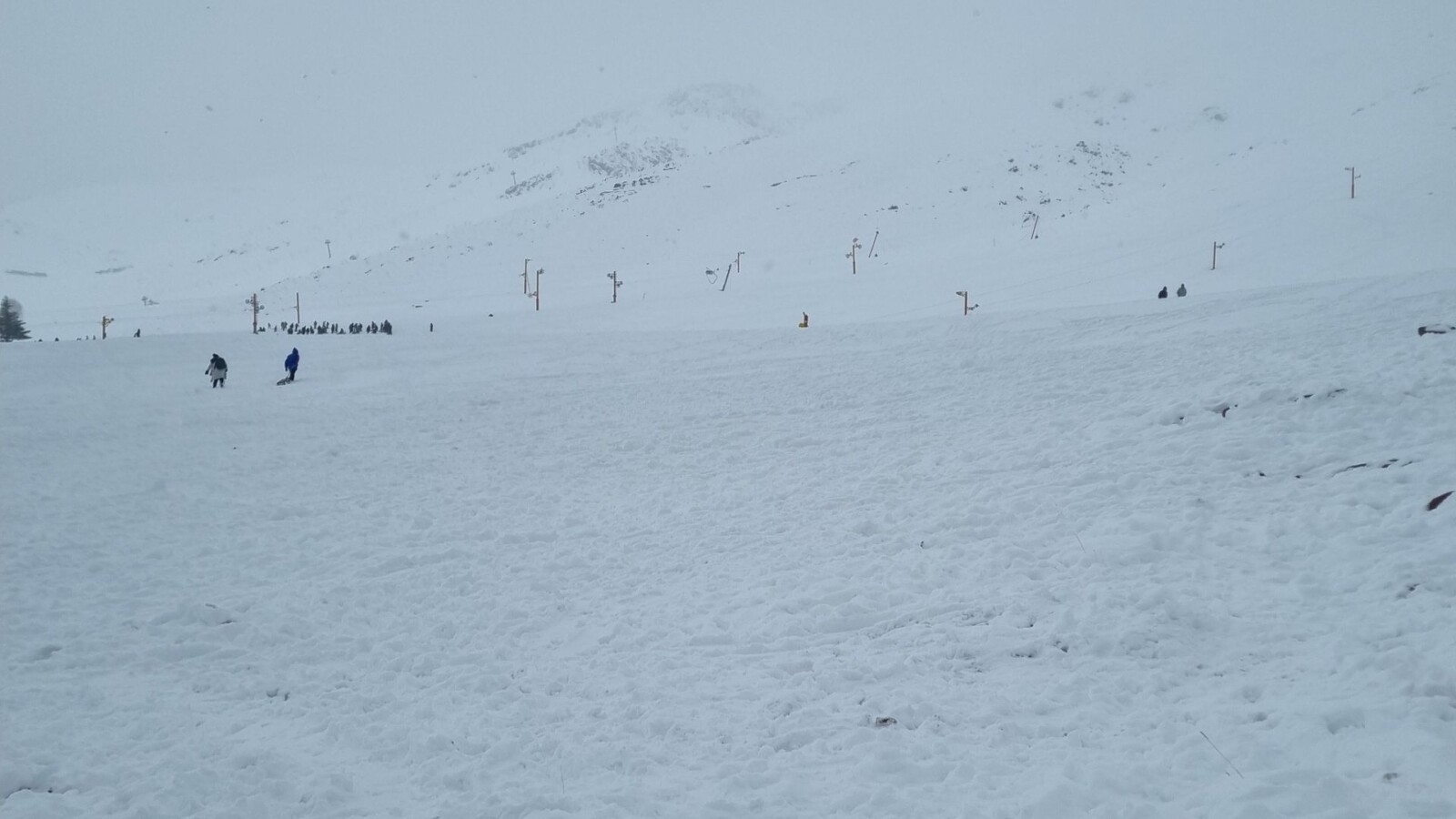
When winter tightens its grip on Europe, something different happens just across the Mediterranean. While most of the continent retreats indoors, Morocco comes alive. Flights heading south are packed, hotel lobbies fill with excited travelers, and cities like Marrakech and Fez buzz with an energy that feels anything but seasonal.
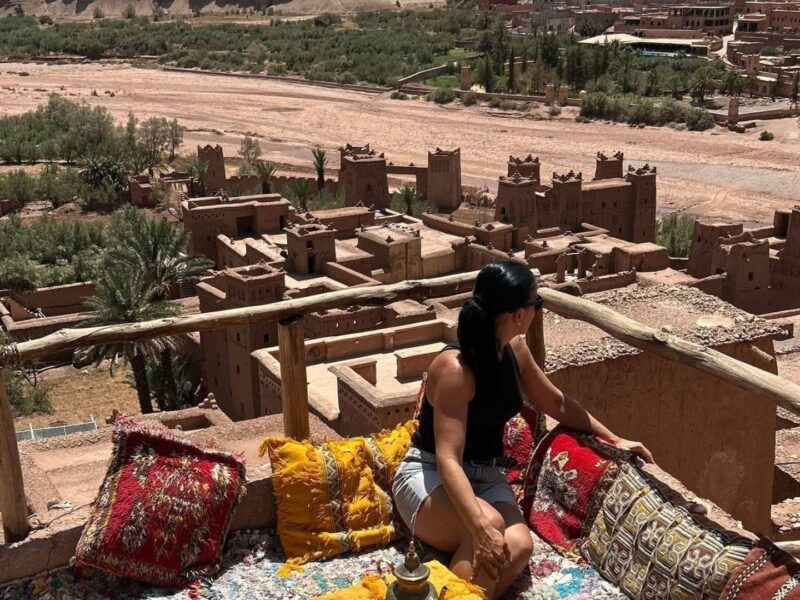
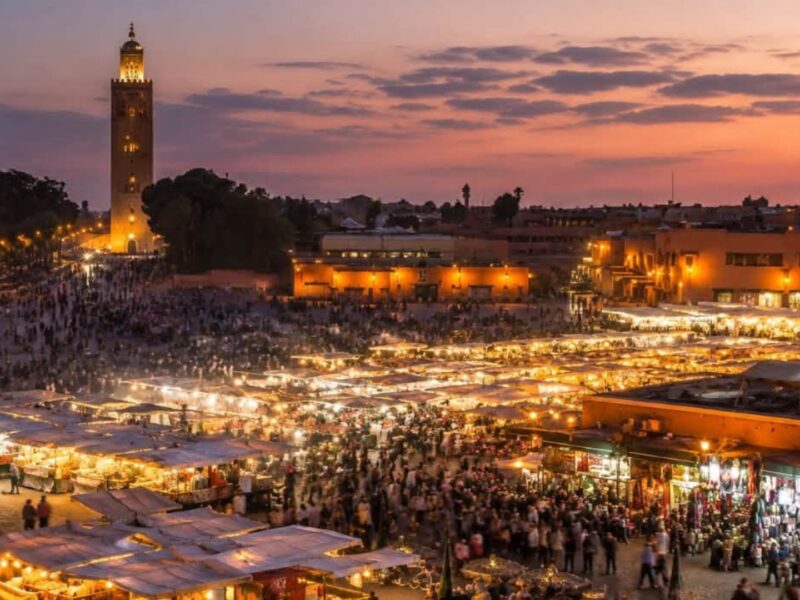
For a growing number of Europeans, especially Portuguese travelers, winter no longer means bundling up in gray cities or fighting crowds at overpriced ski resorts. It means warm sunshine, the smell of spices drifting through ancient medinas, and exploring a country that refuses to hibernate.
This shift didn’t happen by accident. Climate, culture, smart infrastructure investments, and perfect timing have all converged to put Morocco firmly on the winter travel map.
The portuguese connection
Portuguese travelers have traditionally followed a predictable winter playbook. Mountain escapes, festive European capitals, maybe a trip to Madeira if they book early enough. But lately, that routine has started feeling stale.
Morocco offers something refreshingly different. December temperatures hover around 18-22°C, warm enough for long walks through the medina and lazy afternoons on café terraces, but without the exhausting summer heat. From Lisbon or Porto, direct flights take just a couple of hours and often cost less than peak-season trips to other European destinations.
There’s another factor travel agents don’t always mention: saturation. Popular spots like Madeira fill up fast during the holidays, with prices spiking accordingly. Morocco still has breathing room. That flexibility, combined with genuine value for money, has turned cities like Marrakech, Fez, and Rabat into compelling alternatives.
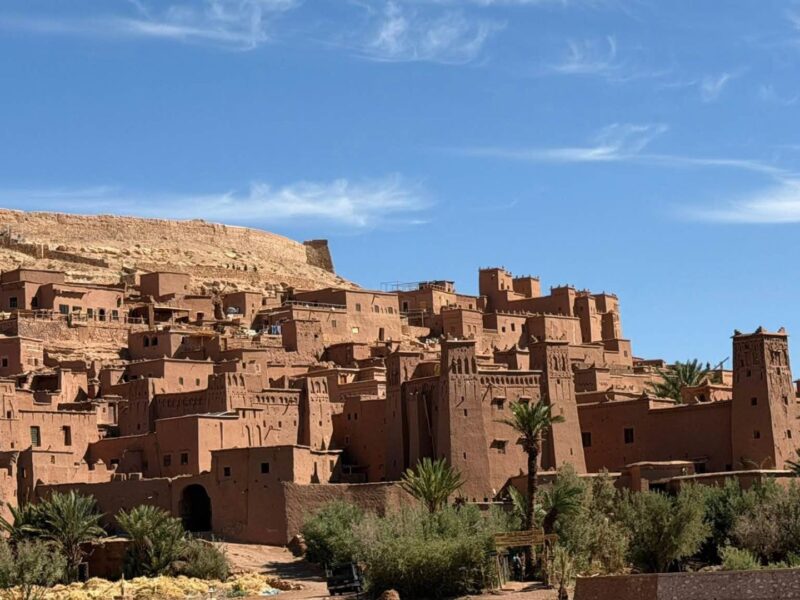
What’s interesting is how Portuguese visitors explore Morocco. They don’t come for a quick city break. They move. An imperial city today, the Atlantic coast tomorrow, desert landscapes the day after. This multi-destination approach plays perfectly to Morocco’s strength as a country of dramatic contrasts packed into surprisingly short distances.
More than just good weather
Yes, the mild winter climate helps enormously. When Spain and Turkey struggle to break into double digits in December, Morocco stays comfortably warm. But weather alone doesn’t explain the surge in popularity.
Visibility matters. Morocco has spent years quietly positioning itself as modern, accessible, and culturally rich. The joint bid with Spain and Portugal for the 2030 FIFA World Cup has amplified that visibility across European media and among travel operators. The message landing with travelers is subtle but effective: Morocco isn’t just exotic, it’s ready for you.
That readiness shows up in small but telling ways. Smoother airport arrivals. Better signage in multiple languages. Hotels that understand international expectations while keeping their authentic Moroccan character intact. These details reduce friction, and friction kills repeat visits faster than anything else.
Airports that actually work
Few things shape a traveler’s first impression like an airport experience. Morocco clearly understands this.
A major investment program backed by the African Development Bank is transforming the country’s key airports. Marrakech, Agadir, Tangier, and Fez are all undergoing significant expansions designed to handle growing passenger numbers well beyond 2030.
But this isn’t just about bigger terminals. It’s about flow. Automated baggage systems, modern security equipment, improved air traffic management, and redesigned aircraft parking areas all aim to make arriving and departing feel seamless rather than stressful.
For winter travelers arriving during the busy holiday period, these improvements matter. Shorter queues, less chaos, and a subtle signal that Morocco intends to compete with the best-connected destinations in the Mediterranean region.
Rabat steps into the spotlight
If Marrakech is Morocco’s headline act, Rabat is increasingly its sophisticated counterpart.
With the Africa Cup of Nations 2025 approaching, the capital is preparing for an intense wave of international attention. A significant share of tournament matches, including the final, will be hosted in Rabat. That reality has triggered a serious push toward service excellence.
Local tourism authorities and hotel industry groups have launched hands-on training programs for hospitality professionals. These aren’t token workshops. They focus on real scenarios: managing international sports delegations, handling peak occupancy, maintaining hygiene standards under pressure, and ensuring guest safety.
The goal is straightforward but ambitious. When thousands of visitors arrive for matches, Rabat should feel confident, welcoming, and efficient rather than overwhelmed.
For travelers outside the football bubble, this investment still pays off. Better-trained staff, clearer procedures, and higher service consistency improve the everyday experience long after the tournament ends.
A destination finding its rhythm
What makes Morocco’s current moment fascinating is the balance. Growth is happening, but it feels measured rather than frantic. The country isn’t chasing trends blindly. It’s strengthening foundations while staying true to what makes it special.
For Portuguese travelers and many other Europeans, Morocco offers familiarity without boredom and difference without discomfort. It feels close yet distinct. Warm but not overwhelming. Ancient yet very much alive.
The end-of-year appeal hits particularly hard because it flips expectations. While friends back home post photos of gray skies and heavy coats, you’re sharing images of sunlit riads, steaming tagines, and golden hour in the desert. That contrast carries real emotional weight.
As infrastructure improves and service standards rise, Morocco’s appeal will likely extend well beyond winter escapes. The country is positioning itself as a year-round destination capable of hosting major international events while still delivering intimate, human-scale experiences that mass tourism often destroys elsewhere.
Planning your winter moroccan escape
If you’re considering Morocco for your next winter getaway, here are a few things to keep in mind:
Best time to visit: December through February offers the mildest weather, though coastal cities like Essaouira stay pleasant year-round.
How long to stay: give yourself at least 7-10 days to experience multiple cities without rushing. Morocco rewards slower travel.
Must-visit destinations: combine Marrakech’s energy with Fez’s authenticity, add a few nights in the Sahara, and finish with Essaouira’s laid-back coastal vibes.
Getting around: trains connect major cities efficiently, while private transfers or rental cars open up smaller towns and scenic routes.
The question isn’t really why travelers are choosing Morocco anymore. it’s whether you’ll discover it before everyone else does.
What’s drawing you to Morocco? Drop your questions in the comments and let’s help you plan your perfect winter escape.