Moroccan spices: essential flavors every traveler and cook needs to know
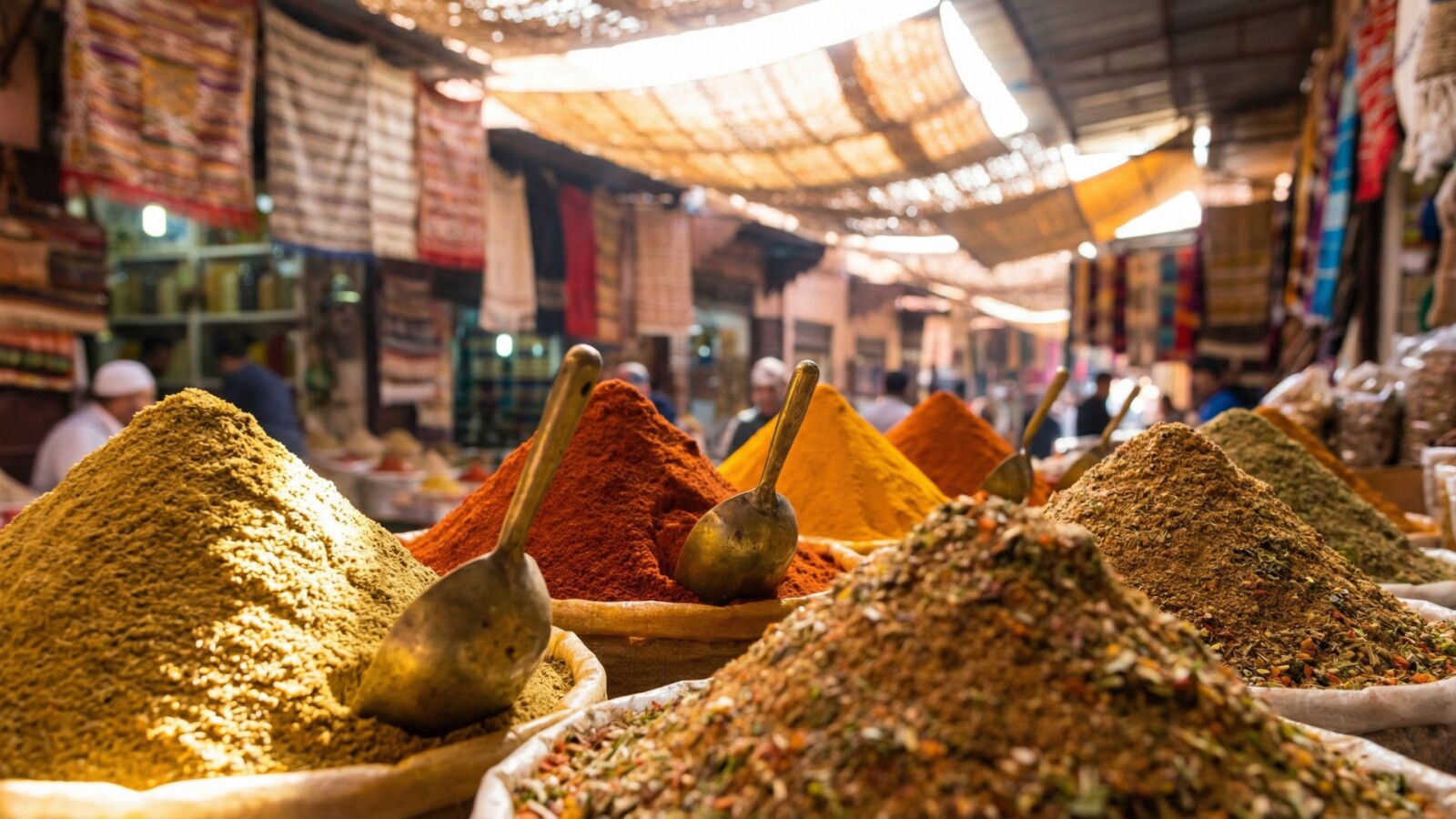
Walk through any Moroccan souk and the air tells you everything about what makes this cuisine special. Pyramids of golden cumin, crimson paprika, and amber saffron threads create a sensory experience before you taste a single bite. These Moroccan spices do more than add flavor. They define regional identities, mark celebrations, and carry traditions passed through generations. Understanding the spice cabinet is essential for anyone wanting to grasp the full picture of Moroccan food and perhaps recreate some magic back home.
The foundation: spices every Moroccan kitchen contains
Certain spices appear so frequently in Moroccan cooking that meals would be unrecognizable without them. These workhorses form the backbone of the cuisine.
Cumin ranks as the single most important spice in Morocco. The earthy, slightly smoky flavor appears in nearly everything from tagines to street food to the simple seasoning offered alongside mechoui. Moroccans use cumin with an intensity that might surprise visitors, dusting it liberally over grilled meats and adding generous amounts to stews. The whole seeds are toasted and ground fresh in traditional kitchens, releasing oils that pre-ground versions cannot match.
Paprika provides the warm red color characteristic of many Moroccan dishes. The local variety tends toward the sweeter end of the spectrum rather than the hot Spanish pimenton. Cooks use paprika both for color and for a subtle depth that rounds out other spices. The bright pyramids in souk displays draw photographers, but the real purpose is practical rather than decorative.
Ginger appears in dried, powdered form rather than fresh in most Moroccan cooking. The dried version has a sharper, more concentrated flavor that stands up to long cooking times. Tagines rely on ginger’s warmth to balance sweet elements like dried fruits. The spice also appears in harira and other soups where its slight heat adds complexity.
Turmeric contributes golden color and an earthy undertone that anchors many spice blends. The flavor is subtle but essential, providing a base note that other spices build upon. Health-conscious travelers will recognize turmeric’s reputation for anti-inflammatory properties, though Moroccans have used it for centuries without needing scientific validation.
Cinnamon bridges the gap between savory and sweet that defines Moroccan cuisine. Unlike Western cooking where cinnamon stays mostly in desserts, Moroccan cooks add it to meat dishes, rice preparations, and the famous pastilla. The warm sweetness pairs unexpectedly well with lamb and chicken, creating flavor profiles that challenge newcomers but convert most who give them a fair chance.
Black pepper and white pepper both find use, though less aggressively than in some cuisines. The heat comes from other sources in Moroccan cooking, with pepper contributing aroma and mild warmth rather than punch.
| Core Spice | Flavor Profile | Primary Uses | Buying Tips |
| Cumin | Earthy, smoky, warm | Tagines, grilled meats, salads | Buy whole seeds for freshness |
| Paprika | Sweet, mild, colorful | Color base for stews and sauces | Look for bright red color |
| Ginger | Sharp, warm, concentrated | Tagines, soups, spice blends | Dried powder is traditional |
| Turmeric | Earthy, slightly bitter | Color and base flavor | Check for deep orange color |
| Cinnamon | Warm, sweet, aromatic | Savory meats, pastries, drinks | Ceylon or cassia both work |
| Saffron | Floral, honey-like, luxurious | Special tagines, rice, tea | Buy threads not powder |
Ras el Hanout: the king of spice blends
The name translates roughly as “head of the shop,” implying the best spices the merchant has to offer. Ras el hanout is Morocco’s signature spice blend, and no two versions are exactly alike. Traditional recipes can include twenty, thirty, or even fifty different ingredients, with spice merchants guarding their formulas like state secrets.
Common components include the foundation spices mentioned above plus coriander, cardamom, nutmeg, mace, allspice, cloves, and dried flowers like rose petals and lavender. Some versions incorporate more exotic ingredients including grains of paradise, monk’s pepper, and even dried Spanish fly in preparations claiming aphrodisiac properties. The blend varies by region, by merchant, and by intended use.
The complexity of ras el hanout creates a flavor that somehow exceeds the sum of its parts. The warming spices, the floral notes, the earthy undertones, everything melds into something that tastes distinctly Moroccan. Cooks use it sparingly given the intensity, typically a tablespoon or two for a tagine serving several people.
Buying ras el hanout in Morocco presents both opportunity and challenge. The souks overflow with vendors selling their own blends, and quality varies dramatically. Pre-packaged tourist versions often contain stale, low-grade spices padded with fillers. Better options come from established spice shops where locals actually buy, or from vendors willing to blend fresh while you watch.
A quality ras el hanout should smell complex and vibrant, with no single note dominating. Staleness shows through a flat, dusty aroma lacking life. The color should be varied, with visible pieces of different spices rather than uniform powder. Price isn’t a perfect indicator, but extremely cheap versions are usually cut with cheaper ingredients.
Preserved lemons: Morocco’s secret weapon
Technically not a spice, preserved lemons function like one in Moroccan cooking and deserve inclusion in any discussion of essential flavors. These salt-cured citrus fruits add a dimension impossible to replicate with fresh lemons, bringing fermented intensity alongside brightness.
The preparation is simple but requires patience. Whole lemons are quartered without cutting through completely, packed with coarse salt, and pressed into jars. Over weeks or months, the salt draws out moisture while the lemons soften and develop complex flavors. The rind becomes the prize, with the pulp typically discarded before cooking.
In finished dishes, preserved lemon rind adds a punch of flavor that cuts through rich meats and fatty sauces. The classic chicken tagine with preserved lemons and olives showcases this perfectly, the fermented citrus brightening what would otherwise be heavy. Chopped preserved lemon also appears in salads, marinades, and as a garnish.
Making preserved lemons at home is straightforward for travelers wanting to extend their Moroccan cooking beyond the trip. The process requires only lemons, salt, and time. A sterilized jar, about a month of patience, and you’ll have a supply lasting a year or more refrigerated. The homemade version rivals anything available commercially.
Buying preserved lemons in Morocco is easy, with jars available in souks and supermarkets throughout the country. The quality is generally consistent since the process is so simple. Bringing a jar home makes an excellent edible souvenir that will actually get used rather than gathering dust.
Argan oil: liquid gold
Morocco is the only country where argan trees grow in significant numbers, making this oil genuinely unique. The trees survive in the semi-arid region around Essaouira and Agadir, and the labor-intensive extraction process has supported Berber women’s cooperatives for generations.
Two versions exist with distinct purposes. Culinary argan oil comes from roasted nuts, giving it a deep amber color and intense nutty flavor. This version drizzles over couscous, mixes into amlou (a dip combining argan oil with almonds and honey), and finishes tagines. The flavor is strong enough that a little goes a long way.
Cosmetic argan oil comes from raw nuts and has a lighter color with less pronounced flavor. This version moisturizes skin and hair rather than appearing in food. The distinction matters when shopping, as some vendors market cosmetic oil at food prices.
The production process explains the high price. Women crack argan nuts by hand, removing the kernels from extremely hard shells. The kernels are then roasted (for culinary oil) or left raw (for cosmetic oil) before pressing. A liter of oil requires roughly thirty kilograms of fruit and many hours of labor.
Cooperatives throughout the argan region welcome visitors and sell directly. Buying from these sources supports local women and ensures authenticity. The souks also carry argan oil, but counterfeit and adulterated versions abound. If the price seems too good to be true, it probably is.
Harissa and other heat sources
Moroccan cuisine doesn’t emphasize heat the way some North African neighbors do, but spicy elements appear throughout. Understanding the local approach to heat helps calibrate expectations.
Harissa is a chili paste originally from Tunisia that has become common across North Africa. The Moroccan version tends milder than Tunisian originals, emphasizing flavor over burn. The paste combines dried chilies with garlic, cumin, coriander, and olive oil into something addictive rather than painful. Restaurants often offer harissa as a condiment alongside bread and olives.
Dried chilies appear in some regional cooking, particularly in the south near the desert. The heat level varies by type, from mild to genuinely spicy. Most traditional Moroccan dishes use chilies sparingly, letting other spices do the heavy lifting.
Fresh peppers show up in salads and cooked dishes, usually milder varieties that add vegetal flavor more than heat. The roasted pepper salads called taktouka rely on sweetness rather than spiciness.
Travelers with low heat tolerance can eat comfortably throughout Morocco. Those craving more intensity should seek out harissa and ask about spicier regional preparations. The cuisine accommodates both preferences without forcing either extreme.
Shopping for spices in the souks
The spice souks of Fes, Marrakech, and Meknes offer overwhelming sensory experiences that also happen to be excellent shopping. Navigating these markets successfully requires some preparation.
Go with a purpose. Having a list of specific spices you want helps resist impulse purchases of items that will never leave your pantry. The vendors are skilled salespeople who can convince you that you need a dozen different blends you’ve never heard of.
Smell before buying. Quality spices have vibrant aromas that announce themselves. Anything that smells flat, dusty, or just like nothing should stay on the shelf. The vendor should welcome you smelling their products since confident merchants know their quality.
Buy whole when possible. Whole spices retain flavor far longer than pre-ground versions. Cumin seeds, coriander seeds, and cinnamon sticks travel well and can be ground at home as needed. The exception is complex blends like ras el hanout, which would be impractical to assemble yourself.
Ask questions. Reputable vendors enjoy discussing their products and will explain differences between varieties. Their recommendations often prove valuable, especially for regional specialties you might otherwise miss.
Consider quantity. Spices lose potency over time, so buying huge bags only makes sense if you cook Moroccan food frequently. Smaller quantities at higher quality serve most home cooks better than bulk purchases that go stale.
Pack carefully. Spices need airtight containers for the journey home. Double-bagging in zip-lock bags prevents both leakage and odor transfer. Some travelers pack spices in checked luggage to avoid carry-on complications, though small quantities typically pass security without issue.
| Where to Buy | Pros | Cons | Best For |
| Medina Souks | Atmosphere, variety, bargaining possible | Quality varies, tourist markup | Experience, unique blends |
| Spice Cooperatives | Consistent quality, fair trade | Less variety | Argan oil, curated selections |
| Supermarkets | Fixed prices, labeled products | Less romantic, generic brands | Basic spices, convenience |
| Direct from Farms | Freshest possible, supports farmers | Requires travel, limited selection | Saffron, specific ingredients |
Saffron: worth the splurge
Morocco produces excellent saffron, primarily in the Taliouine region of the Anti-Atlas mountains. The quality rivals famous Spanish and Iranian varieties at significantly lower prices. Bringing home Moroccan saffron ranks among the best edible souvenirs available.
Authentic saffron consists of the dried stigmas of crocus flowers, hand-harvested during a brief autumn window. Each flower produces only three threads, and roughly 150,000 flowers yield a single kilogram of saffron. The labor explains the price, which makes saffron the world’s most expensive spice by weight.
The flavor defies simple description. Floral, honey-like, slightly metallic, somehow both delicate and intense. A small pinch transforms rice, tagines, and tea, tinting everything golden while adding complexity. The threads should be steeped in warm liquid before adding to dishes to release maximum flavor and color.
Fake saffron plagues markets worldwide, and Morocco is no exception. Safflower petals, dyed corn silk, and other imposters appear in tourist areas. Genuine saffron threads have a distinct appearance, with darker red bodies and slightly lighter orange tips. The aroma should be immediately recognizable and complex. If buying powder instead of threads, the risk of adulteration increases dramatically.
Taliouine itself is worth visiting during harvest season in late October and early November. The saffron festival draws crowds, and buying directly from producers ensures authenticity. Outside harvest season, the saffron cooperative in town sells year-round at fair prices.
Bringing the flavors home
The spices purchased in Morocco create opportunities to extend the trip through cooking. Even basic dishes become transportive when seasoned with ingredients carried home in a suitcase.
A starter collection might include cumin (whole seeds), paprika, ginger, a small jar of preserved lemons, and a quality ras el hanout blend. These five items enable most classic Moroccan recipes and don’t require specialized techniques to use well.
More adventurous cooks add saffron threads, argan oil, dried rosebuds for tea and desserts, and harissa for those wanting heat. This expanded collection opens possibilities for elaborate tagines and the sweet-savory dishes that define sophisticated Moroccan cooking.
Storage matters for longevity. Whole spices keep in airtight containers away from heat and light for a year or more. Ground spices decline faster, typically best within six months. Argan oil should be refrigerated after opening. Preserved lemons last indefinitely under refrigeration.
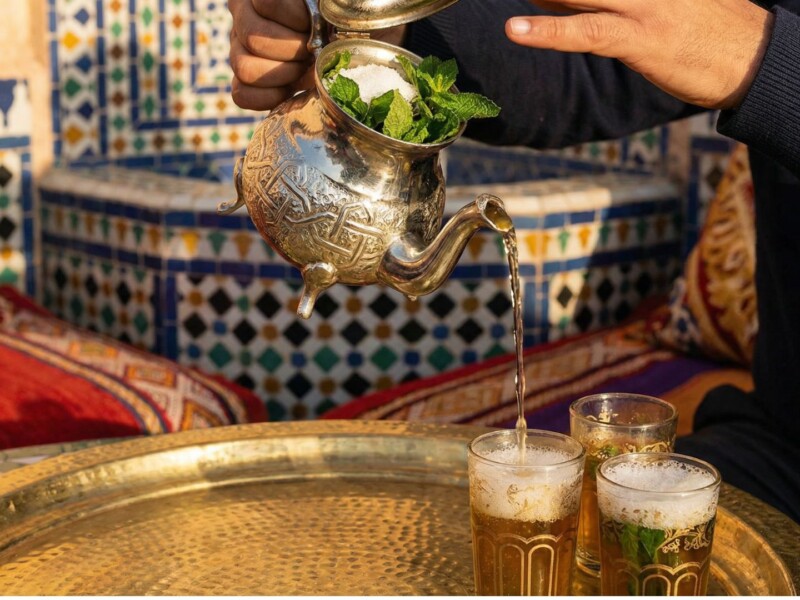
The spices that give Moroccan food its distinctive character also appear in the country’s most important ritual. Moroccan mint tea combines simple ingredients with theatrical preparation into something that transcends mere beverage, embodying hospitality traditions that visitors encounter daily throughout their travels.