
14-Day Morocco itinerary: the complete first-timer’s route
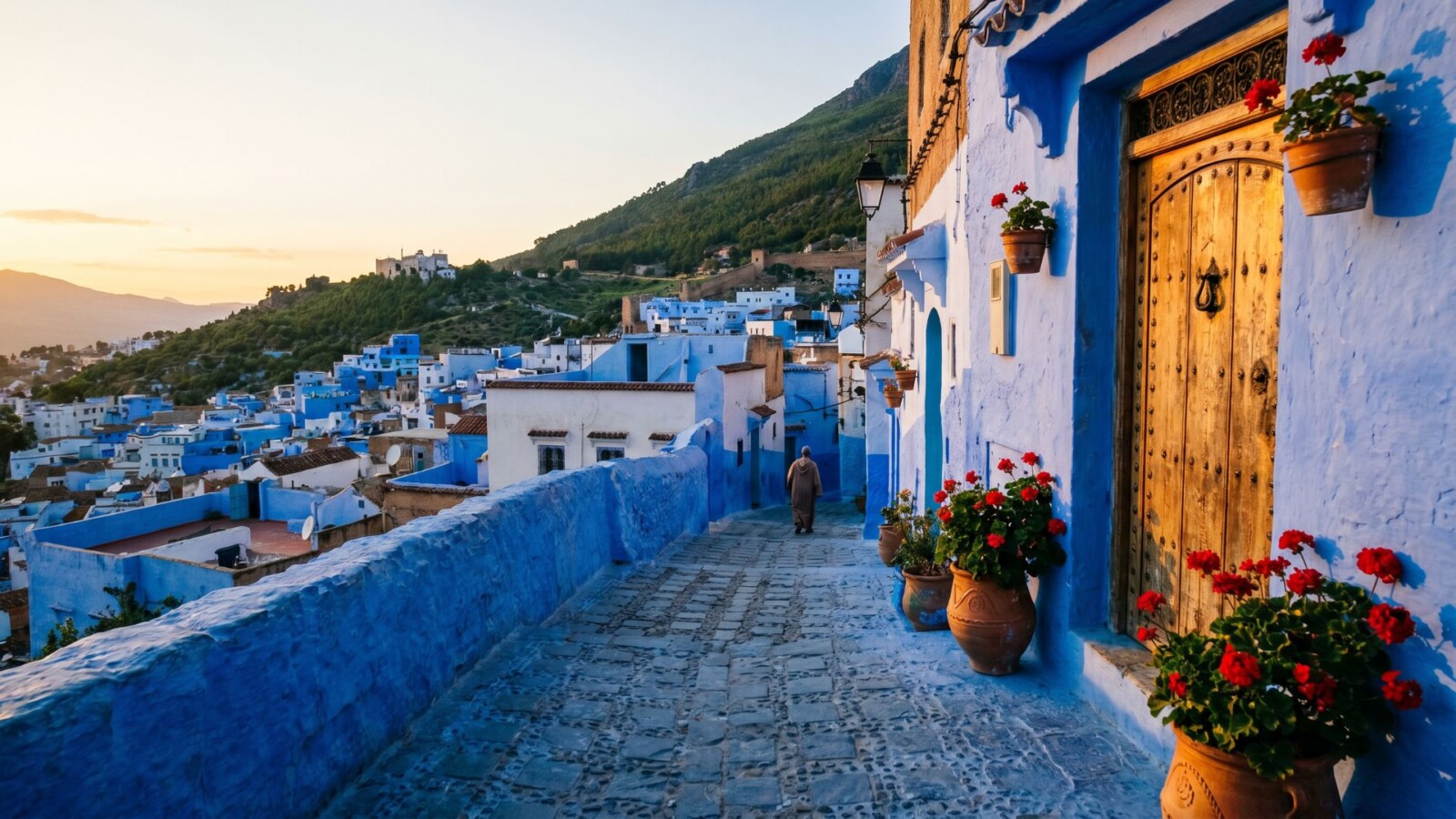
The travelers who come back from Morocco talking about it for years are almost never the ones who went for a week. This two-week route is one option in our complete Morocco itinerary guide.
Two weeks is the length of trip that lets Morocco reveal itself properly, not just its famous surfaces, the blue streets, the desert dunes, the labyrinthine medinas, but the quieter things underneath. The mountain town where the only other foreigners are a couple of serious hikers. The roadside cafe where the owner insists you try his mother’s msemen before you get back in the car. The moment somewhere between Fes and Chefchaouen when you realize the country has shifted registers entirely and you are now somewhere that feels genuinely apart from anywhere else you have been.
This fourteen-day route covers Morocco from north to south and back again, moving through the Rif Mountains, the imperial cities, the High Atlas, the Sahara edge, and the desert south before returning to Marrakech. It is designed for first-time visitors who want to do it right, and for travelers returning from a shorter first trip who know they left the northern half of the country untouched.
The route is a counterclockwise loop. It avoids excessive backtracking, connects geographically in a way that makes driving or transit planning straightforward, and gives each major destination enough time to actually breathe.
Arrival: Casablanca or Marrakech
Most international flights into Morocco land at Casablanca Mohammed V International Airport, which makes it the natural starting point for a northern loop. If your flights bring you into Marrakech, simply reverse the itinerary and run it clockwise. Both directions work. The northern start makes more geographic sense and saves the dramatic Atlas crossing for the final act of the trip rather than the opening.
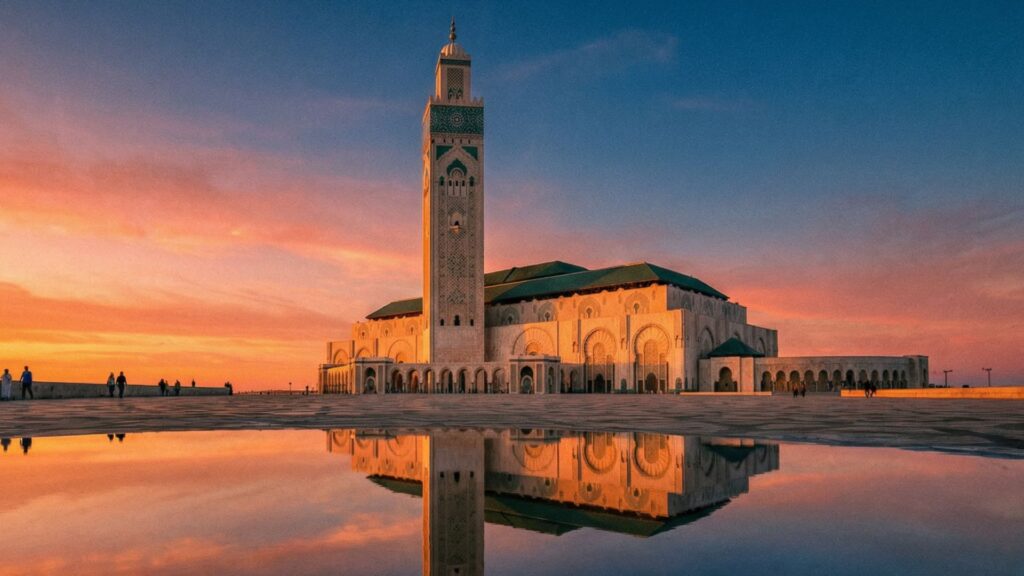
Spend night one in Casablanca without guilt. The city does not deserve the dismissal it typically receives from travel writers who have spent thirty minutes there. The Hassan II Mosque alone justifies an afternoon. The art deco architecture along Mohammed V Boulevard, built during the French protectorate period and now gradually being restored, gives the city a visual character that is entirely its own. Eat dinner at a seafood restaurant on the Corniche, go to bed at a reasonable hour, and take the morning train north to Tangier.
Day 2: Tangier, the threshold city
Tangier occupies a genuinely unusual geographic and cultural position. It sits at the point where the Atlantic meets the Mediterranean, where Europe is visible on a clear day from the cliffs above the Strait of Gibraltar, and where Moroccan, Spanish, and international influences have been layering on top of each other for centuries.
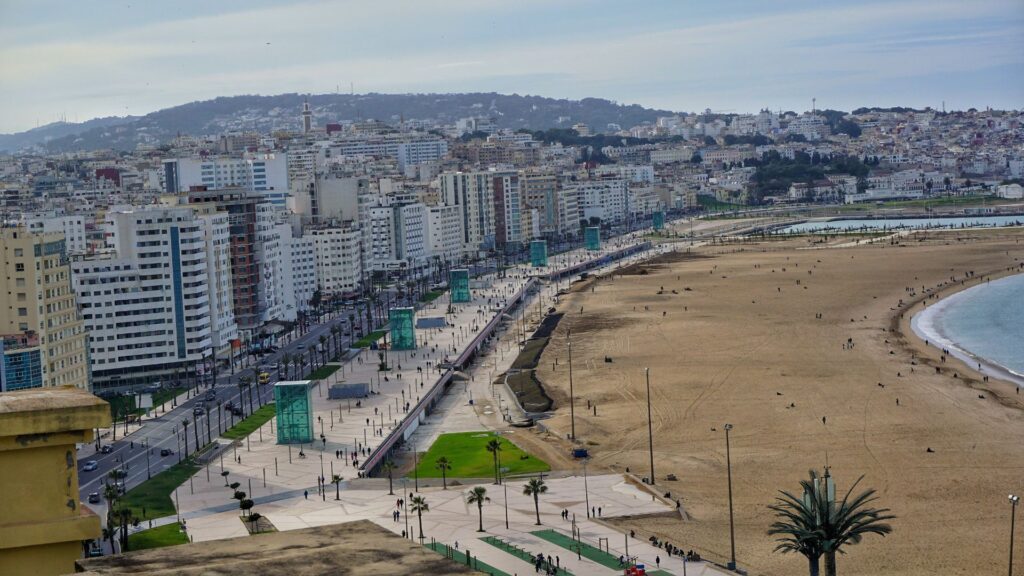
The city has a complicated history. During the first half of the twentieth century, Tangier operated as an International Zone administered by multiple foreign powers simultaneously, which produced a culture of unusual permissiveness that attracted writers, artists, and assorted exiles. Paul Bowles lived here for decades. William S. Burroughs wrote Naked Lunch here. The Beat Generation came to Tangier looking for something they could not name and found it in the medina cafes and the rooftop terraces and the particular quality of light over the Strait.
That history is not visible on every corner, but it is present in the character of the place. The Tangier medina is smaller and less overwhelming than Fes or Marrakech, which makes it a good reintroduction for travelers arriving from Casablanca before the more intense medina experiences further south. Walk the kasbah, eat lunch at a restaurant with a view of the Strait, and take the afternoon bus or grand taxi south toward Chefchaouen.
Day 3 and 4: Chefchaouen, the blue city
The approach to Chefchaouen through the Rif Mountains is the first indication that the north operates by different rules than the rest of Morocco.
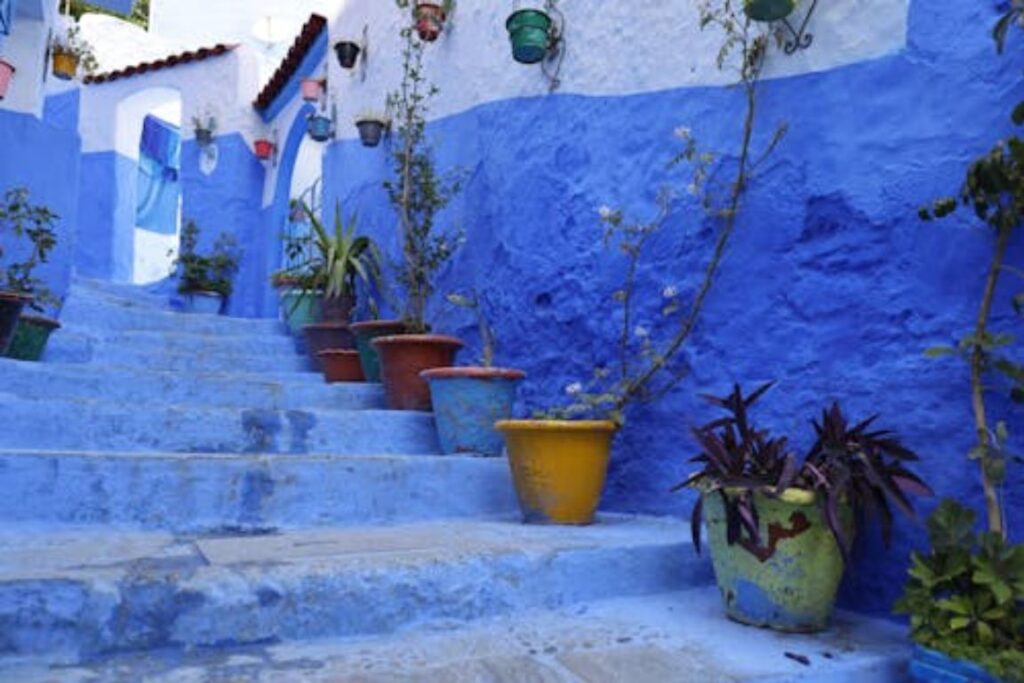
The Rif is greener, more Mediterranean in character, with cedar forests on the upper slopes and terraced fields dropping toward the valley floors. The road from Tangier climbs steadily through this landscape before delivering you to a town that sits in a natural bowl in the mountains at around 600 meters above sea level. The air is cooler than the coast. The light is different. And the medina, painted in every shade of blue from pale cerulean to deep indigo, is unlike anything else in the country.
Chefchaouen gets photographed relentlessly and still manages to surprise people in person. The photographs flatten the experience. They do not capture the way the blue paint absorbs the late afternoon light, or the sound of the river running below the medina walls, or the particular quietness of the upper streets in the early morning before the day tour groups arrive from Fes.
Spend two nights here. Use the first afternoon to walk the medina without a destination. Use the second day for a hike up to the Spanish mosque on the hill above the city, which takes about 45 minutes and delivers a panoramic view of the entire medina, the mountains beyond, and the valley below. Eat kefta and msemen for breakfast at a cafe on the main square. Sleep well. Chefchaouen has that effect.
Day 5: The drive to Fes through the Rif
The road from Chefchaouen to Fes runs east through the Rif Mountains for about 200 kilometers and takes three to four hours. It is one of the most consistently beautiful drives in Morocco, moving through cedar forests, Berber market towns, and mountain passes that open onto views of the Rif extending in every direction.
Stop in Ouazzane, a small hillside town midway between Chefchaouen and Fes that almost no itinerary includes and that rewards thirty minutes of wandering. The town has a medina and a mosque of genuine historical significance and a market that functions entirely for local residents rather than tourists, which is increasingly rare along the main tourist routes.
Arrive in Fes by mid-afternoon and check into your riad inside the medina. Book the riad before you arrive. Fes medina accommodation fills quickly during spring and fall, and the difference between a well-chosen riad and a mediocre one is significant enough to affect your entire experience of the city.
Day 6 and 7: Fes, the most complete medieval city on earth
Fes el-Bali is not the oldest city in Morocco, but it is the most intact medieval city in the Arab world, and walking its 9,000 alleyways is one of the genuinely irreplaceable travel experiences available anywhere in 2026.
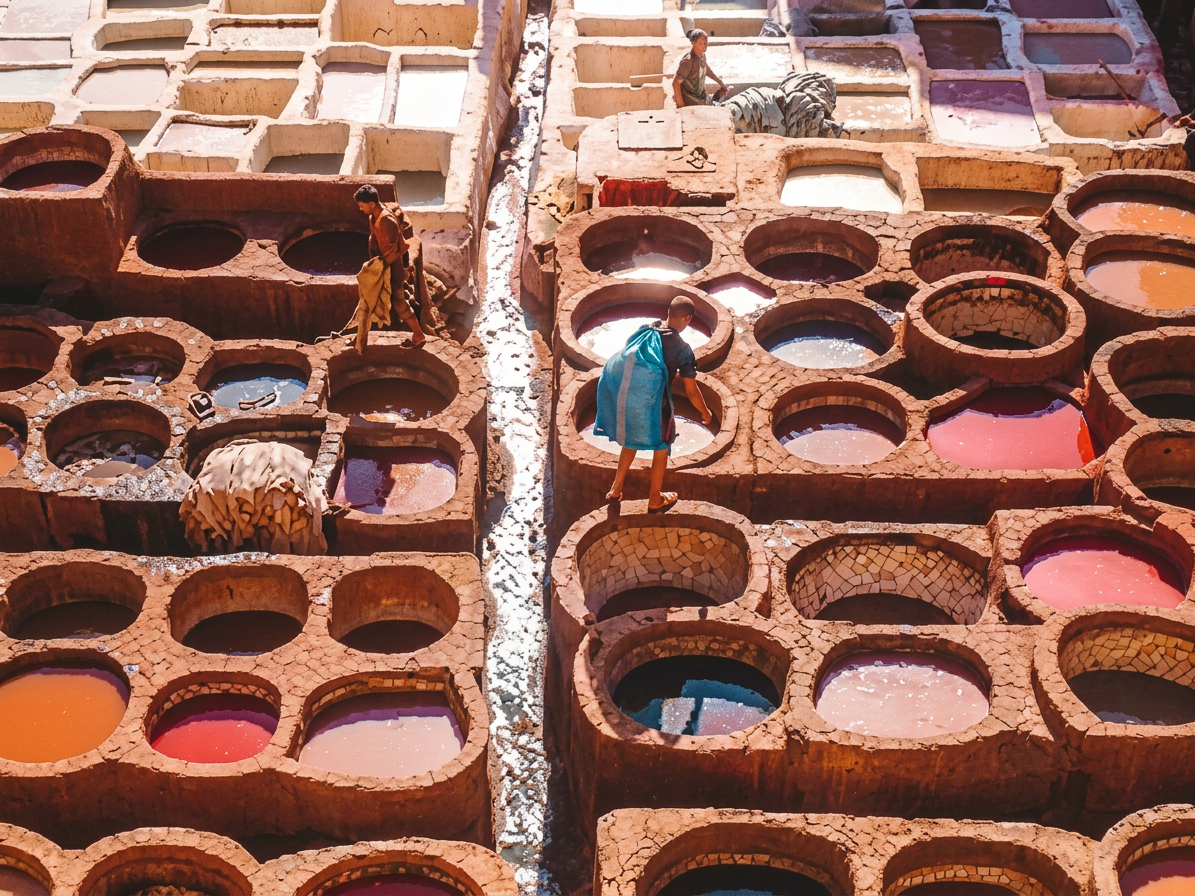
Hire a guide for the first morning. This recommendation appears in almost every serious Fes travel resource because it is correct. The medina is not organized around the logic of a city that was designed for navigation. It was built over centuries around the logic of a city that was designed for living, for commerce, for worship, for craft production, for the storage of grain and the dyeing of leather and the weaving of carpets. Understanding what you are looking at requires someone who knows which workshop produces the city’s best zellige, which fountain dates to the Marinid dynasty, and why the Chouara tannery has operated in the same location using the same natural dye pits since the eleventh century.
The tannery smell arrives before the sight does. That is the standard warning. What the standard warning does not adequately prepare you for is the visual impact of looking down from a leather goods shop terrace at the full panorama of the vats below, the workers moving through the dye pools, the hides spread across rooftops to dry in the sun, the entire scene so unaltered by modernity that it reads as living archaeology rather than a tourist attraction.
Day seven in Fes is for wandering on your own terms. The medina makes more sense on the second day. Streets that felt chaotic on the first afternoon reveal their logic by the second morning. Find a cafe at the top of the Talaa Kebira, the main commercial artery of the medina, and spend an hour watching the city move past you. The afternoon light on the minarets above the rooftops of Fes el-Bali is one of those Morocco images that does not make it onto postcards but stays with travelers longer than anything that does.
Day 8: South toward the Middle Atlas
Leaving Fes south through the Middle Atlas is a geographic transition that feels significant. The imperial city recedes, the mountains rise, and Morocco shifts register again.
The route passes through Ifrane, a French colonial mountain resort that looks nothing like Morocco and everything like the Alps, before dropping into Midelt, a working market town in the high plains where the landscape opens into a vast, pale expanse with the High Atlas visible to the south. Midelt is not on most itineraries. It should be, if only for lunch at a local restaurant and the particular feeling of being in a Moroccan town that exists entirely for Moroccans rather than for travelers.
Push south through Er Rachidia and into the Ziz Valley as the sun begins to lower. The valley is a corridor of date palms running between canyon walls, fed by the Ziz River, and it has the quality of an oasis in the original sense of the word: an unexpected abundance in an increasingly arid landscape. Book a small guesthouse in the valley for night eight and arrive before dark.
Day 9 and 10: Merzouga and the Sahara
The Erg Chebbi dunes outside Merzouga are 150 meters high at their peak and shift color through the day in a way that makes you understand why painters have been coming to the Sahara for centuries.
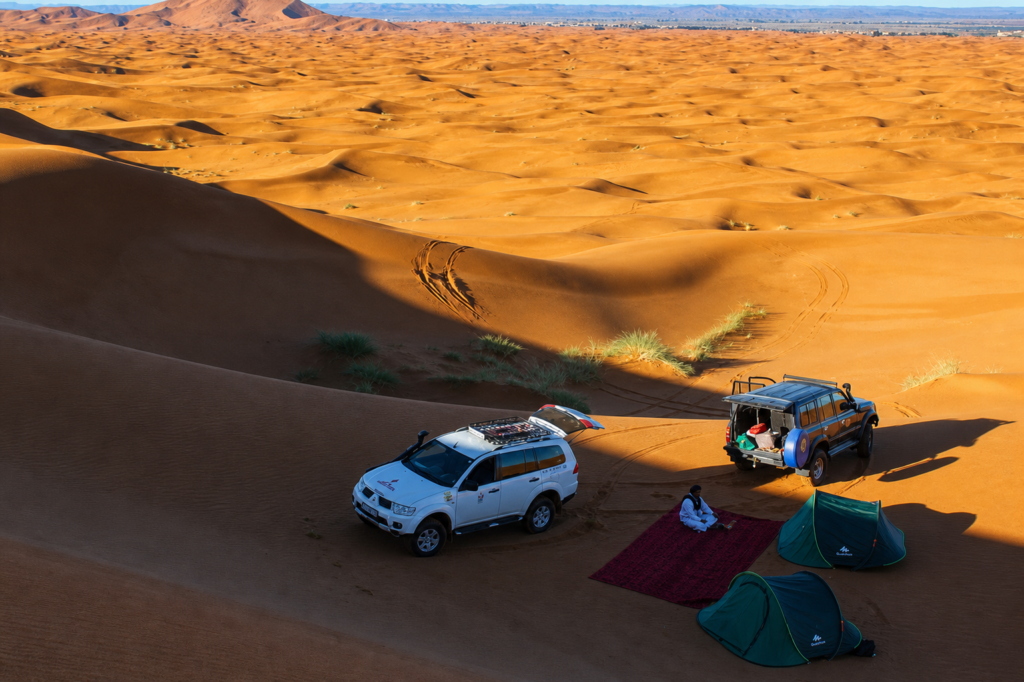
Take two nights here without compromise. The first night in a desert camp is the experience most people picture when they plan a Morocco trip. The second morning, when you are the only person on the dunes at 6 a.m. and the light arrives from the east with no ceremony and no soundtrack, is the experience most people do not know to plan for and remember longest.
The practical details: book a camp that offers a private tent rather than dormitory accommodation. The price difference is modest. The experience difference is significant. Bring a headlamp, warm layers for the night, and considerably less than you think you need.
| Sahara Practical Comparison | Merzouga (Erg Chebbi) | Zagora (Erg Chigaga) |
| Dune height | Up to 150 meters | Up to 300 meters |
| Distance from Marrakech | 560 km / 7 hrs | 360 km / 5 hrs |
| Accessibility | Easy, paved roads | Requires 4WD for best camps |
| Crowd level | Moderate | Lower |
| Best for | First-timers | Repeat visitors |
Day 11: The Gorges heading west
The Todra Gorge is 300 meters of vertical limestone on either side of a narrow river crossing. Standing at the base of the canyon in the morning light, looking up at the rock faces above, is one of those experiences that resists description and rewards presence.
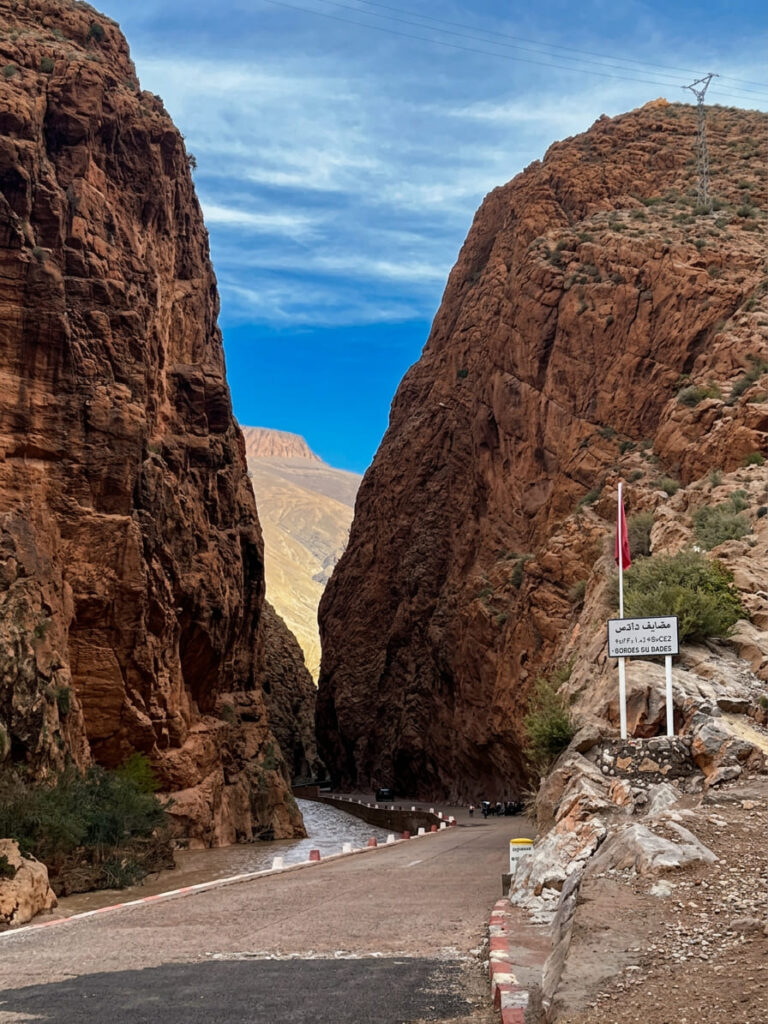
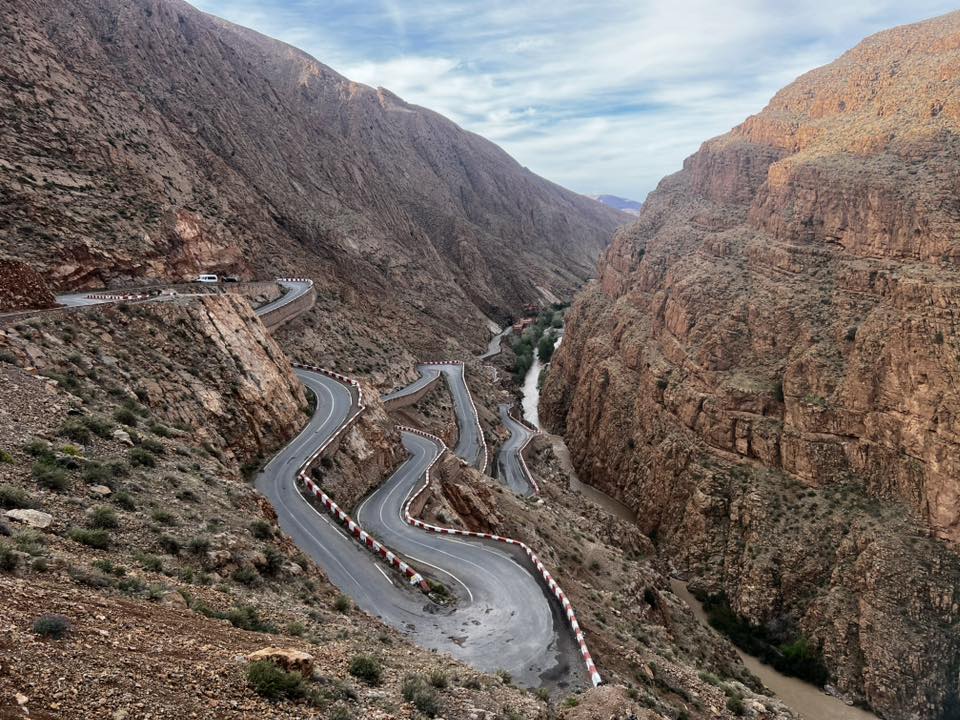
The Dades Gorge extends for kilometers west of Tinghir and culminates in the series of dramatic switchbacks called the Monkey Fingers, where the road winds up through eroded rock formations at the top of the canyon. The view from the top looking back down the valley is one of the best in southern Morocco and appears on almost no itinerary because it requires a 20-minute detour up a road that looks like it goes nowhere.
Night eleven in Skoura, a palm oasis with a handful of exceptional kasbah guesthouses that represent some of the best value accommodation in Morocco.
Day 12: Ait Ben Haddou and Ouarzazate
Ait Ben Haddou requires no additional defense. It is magnificent. Go early, before 9 a.m., and the ksar is nearly empty. Go at noon with a tour group from Marrakech and it is a different experience entirely.
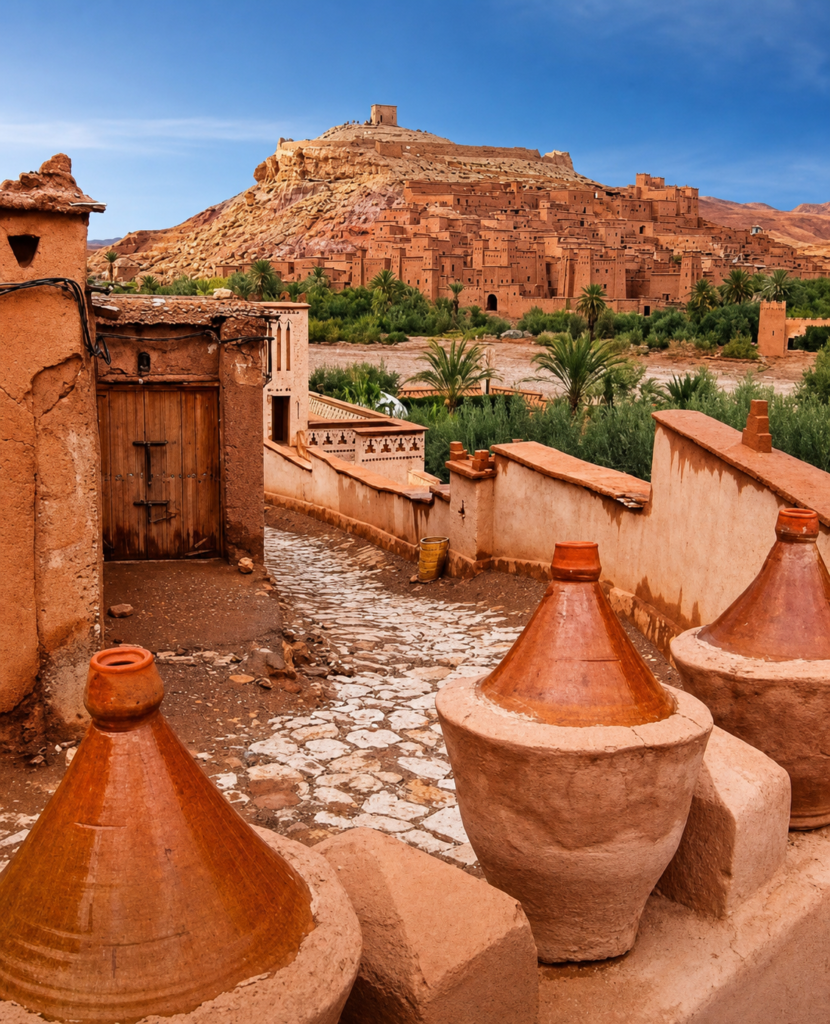
Ouarzazate in the afternoon. The Taourirt Kasbah, the Atlas Studios, dinner at a restaurant that faces the Draa Valley as the light leaves the desert. Night twelve in the city or in a guesthouse in the valley south of town.
Day 13 and 14: Over the Atlas and back to Marrakech
The Tizi n’Tichka pass is 2,260 meters above sea level and the most dramatic road crossing in Morocco. The landscape moving north from Ouarzazate shifts from desert red to mountain gray to the fertile Haouz plain that surrounds Marrakech. The drive takes three to four hours and every kilometer of it looks different from the last.
Arrive in Marrakech on day thirteen with a full day and a half remaining. The city will feel familiar now in a way it could not have on day one. The medina makes sense. The souks are navigable. The Djemaa el-Fna at night is still overwhelming, but it is a known overwhelm rather than a disorienting one.
Use the remaining time to return to one place in Marrakech that earned a second visit. Buy the thing you talked yourself out of buying on day one. Eat one more bowl of harira at the restaurant where the owner remembered your name. Go back to the riad rooftop at dusk and watch the city shift from day to evening one final time.
Morocco has a specific quality of departure. You leave knowing you will return, usually before you have finished packing.
What fourteen days actually gives you
Two weeks in Morocco gives you something that shorter trips do not: the experience of the country’s full range without the feeling of having rushed through any of it. The north and the south feel like different countries to travelers who only visit one. Fourteen days lets you understand that they are the same country speaking different dialects of the same landscape.
The travelers who build on this foundation and come back for a longer trip almost always go deeper rather than wider on the return visit. They spend a week in Fes, or drive slowly through the Souss Valley toward the Anti-Atlas, or base themselves in Essaouira for ten days and do nothing that resembles a structured itinerary at all.
If two weeks feels like more than your schedule allows right now, the 10-day Morocco itinerary covers the imperial cities and the Sahara in a tighter loop that sacrifices the north but delivers the essential south with the same level of care.
Where would you spend an extra day if your fourteen-day Morocco itinerary had room for one more stop?


