
The digital nomad’s secret weapon: why smart travelers are ditching physical SIM cards
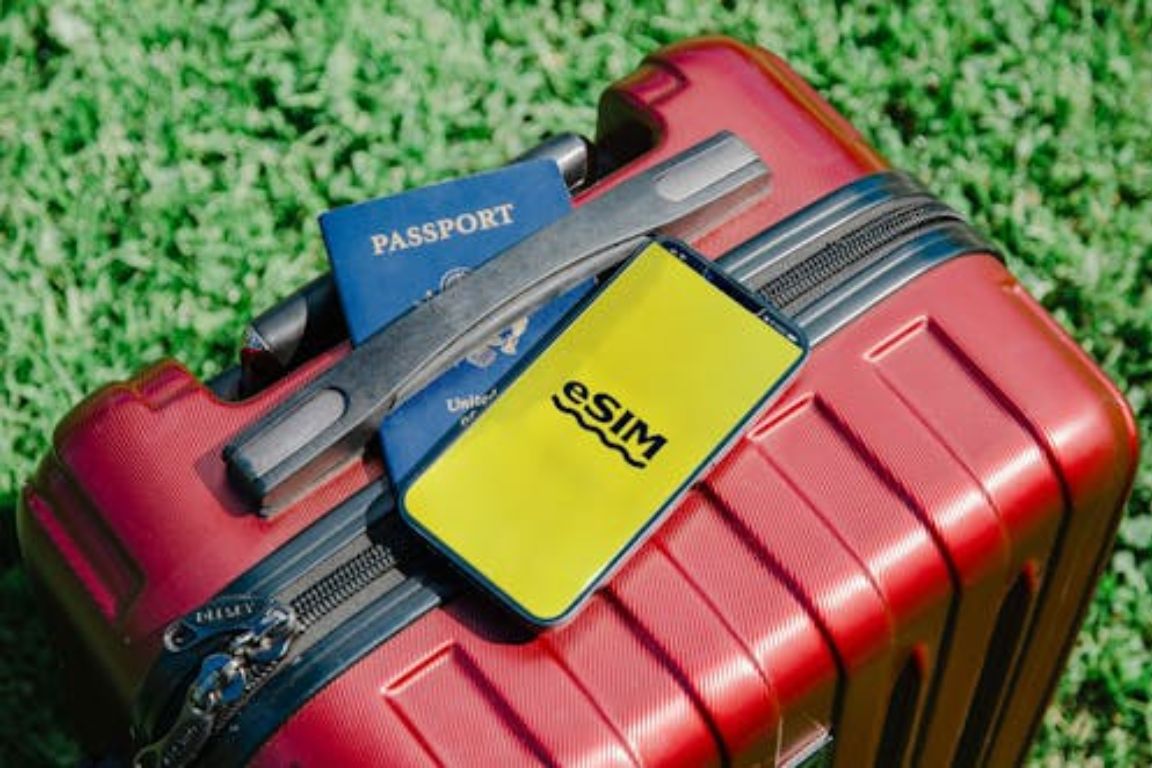
Picture this: You’ve just landed in Tokyo after a 14-hour flight. While fellow passengers scramble to find local SIM card vendors or brace themselves for shocking roaming bills, you’re already posting that perfect arrival selfie to Instagram. How? You activated your eSIM before the plane even touched the ground.
The travel connectivity revolution you didn’t know you needed
Gone are the days of hunting down mobile shops in unfamiliar cities, struggling with language barriers, or keeping track of tiny plastic SIM cards that seem to vanish into thin air. The eSIM revolution has quietly transformed how savvy travelers stay connected, and if you’re still swapping physical SIM cards at every border crossing, you’re doing travel the hard way.
An eSIM, or embedded SIM, is essentially a digital version of that little chip you’re used to sliding into your phone. But instead of fumbling with paperwork ejector tools and risking losing your home SIM in some random hotel drawer, you simply scan a QR code and voilà: instant connectivity. It’s like having a local phone plan materialize out of thin air.
Why your next adventure needs this digital magic
Keep your digital life intact
Here’s what most travel connectivity solutions get wrong: they force you to choose between staying connected and staying yourself. With an eSIM, your WhatsApp number stays exactly where it should be. Your mom can still send those daily check-in messages, your group chats keep buzzing, and your two-factor authentication actually works. You’re adding connectivity, not replacing your digital identity.
Speed that actually matters
Remember waiting 45 minutes at that sketchy airport kiosk to get a local SIM? Or worse, discovering your “unlimited” data plan crawls at speeds that make dial-up look fast? Modern eSIMs connect directly to local 4G and 5G networks, delivering the same speeds locals enjoy. Stream that sunset from Santorini in real-time, video call from the Great Wall, or work remotely from a Balinese beach without watching pixels load one by one.
The One-Minute setup that changes everything
The activation process reads like a traveler’s dream checklist: Pick your destination and data needs. Scan a QR code. Toggle a setting. Done. No passport photocopies, no address forms in languages you don’t understand, no “come back tomorrow when our system is working.” The entire process takes less time than ordering coffee, and you can do it from your hotel bed at 3 AM if jet lag strikes.
Real Talk: Is Your Phone Ready for This?
Before you get too excited, let’s address the elephant in the room. Not every device plays nice with eSIM technology yet. Most newer iPhones (from the XS onward), recent Samsung Galaxy models, Google Pixels, and many current flagship phones support eSIM. But that trusty phone from 2018? It might not make the cut.
The good news? Checking compatibility takes seconds. Most eSIM providers offer instant compatibility checkers where you can verify your specific model. Pro tip: even if your phone supports eSIM, double-check that your carrier hasn’t locked this feature. Some providers restrict eSIM activation on devices still under contract.
The money talk nobody wants to have (but should)
Let’s be brutally honest about international roaming charges. That “just checking Google Maps for five minutes” moment that resulted in a $300 phone bill? We’ve all been there. Traditional roaming feels like highway robbery because, frankly, it often is.
eSIM data plans flip this script entirely. You’re buying data at local rates, not international markups. Choose exactly how much data you need for your trip duration. Heading to Paris for a weekend? Grab 3GB for three days. Backpacking through Southeast Asia for a month? Unlimited plans have you covered. No surprises, no bill shock, just transparent pricing you control.
Common sense tips from someone who’s been there
After extensively testing eSIMs across continents (tough job, but someone had to do it), here’s what actually matters:
Install Before You Fly: Airport WiFi is notoriously unreliable. Download and install your eSIM while you’re still home with stable internet. You can activate it the moment you land.
Keep Your Physical SIM Active: Your eSIM handles data, but keeping your regular SIM active for calls and texts means you won’t miss important messages. Most phones handle dual SIM beautifully.
Screenshot Everything: QR codes, activation instructions, support contacts. When technology fails you at 2 AM in Bangkok, you’ll thank yourself for those screenshots.
Data Reality Check: That unlimited Instagram scrolling habit? It eats data faster than you think. Most travelers find 5-10GB plenty for a week of normal use, but video calls and streaming can burn through data quickly.
The bottom line for modern travelers
The travel industry loves making simple things complicated. Hotels with resort fees, airlines with baggage arithmetic that requires a PhD, rental cars with insurance novels. eSIMs break this pattern. They’re refreshingly straightforward: pick your plan, scan your code, explore the world.
For digital nomads, remote workers, and anyone who refuses to disconnect completely while exploring, eSIMs aren’t just convenient; they’re transformative. No more FOMO from missing messages, no more getting lost because you’re afraid to use Google Maps, no more choosing between staying connected and staying budget-conscious.
Your next move
Ready to join the eSIM revolution? Getting started is simpler than you might think. Check your device compatibility, choose a plan that matches your travel style, and grab that exclusive discount code waiting for you. Your future self, standing in that foreign airport with instant connectivity while others wait in SIM card lines, will thank you.
Remember, the best travel experiences come from staying present while staying connected. An eSIM lets you do both without compromise. Whether you’re navigating Tokyo’s subway system, finding that hidden gem restaurant in Rome, or sharing sunset photos from Marrakesh, you’re always just a tap away from what matters.
The question isn’t whether you need an eSIM for your next trip. It’s why you’d travel without one.