Morocco’s AFCON 2025 gamble is paying off: two weeks in, the numbers tell the story
The stadiums are full, the medinas are buzzing, and Morocco’s bet on continental football is already delivering returns.
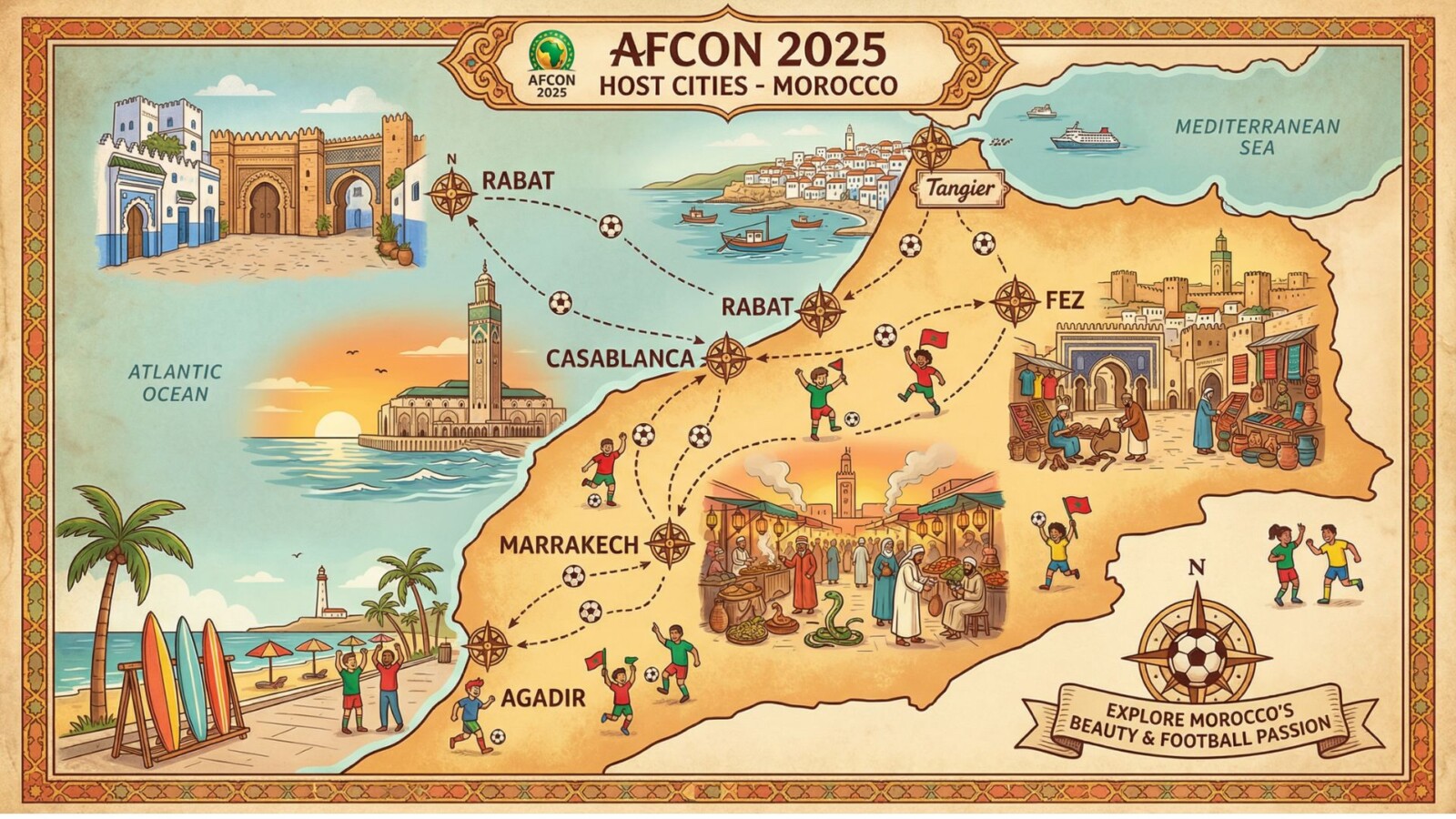
Two weeks into the Africa Cup of Nations, the kingdom’s ambitious hosting effort has shifted from anticipation to execution. Six cities across Morocco have transformed into hubs of football passion, cultural exchange, and economic activity that validates years of preparation. What began as projections and promises now plays out nightly in packed stadiums and overflowing cafés, with the tournament’s knockout stages still ahead.
For travelers watching from abroad, the early evidence suggests Morocco pulled off something significant. For those already on the ground, the experience confirms why this tournament matters beyond the pitch.
The opening weeks delivered
The 35th edition of the Africa Cup of Nations kicked off on December 21, 2025, with Rabat’s Prince Moulay Abdellah Stadium hosting opening ceremonies before a crowd of nearly 70,000. Since then, 24 national teams have competed across six Moroccan cities, with group stage drama giving way to the intensifying stakes of knockout competition.
Casablanca’s Mohammed V Stadium has seen capacity crowds. Tangier’s Ibn Batouta Stadium brought AFCON energy to the Strait of Gibraltar. Marrakech and Agadir delivered matches framed by desert landscapes and Atlantic coastlines. Fez provided perhaps the most visually striking backdrop, with its medieval medina contrasting against modern sporting infrastructure.
Early reports from organizers indicate attendance figures meeting or exceeding expectations, with the atmosphere inside venues matching the passion African football is known for.
Tourism infrastructure tested and holding
The surge Morocco anticipated appears to have materialized. Hotels across host cities report near-capacity bookings, with the accommodation crunch particularly acute in Marrakech and Casablanca around high-profile fixtures. Riads, guesthouses, and short-term rentals have absorbed overflow demand, though travelers arriving without reservations have reportedly struggled.
The more than 120 infrastructure projects launched in preparation for the tournament are receiving real-world stress testing. Tram extensions in Casablanca and Rabat have handled increased passenger loads. Road upgrades connecting stadiums to city centers have eased match-day logistics. Fan zones featuring live screenings, street performances, and regional cuisine have drawn crowds extending well beyond ticket holders.
Transportation links between host cities have facilitated the multi-city itineraries that organizers hoped would define the visitor experience. High-speed rail connecting Tangier to Rabat and Casablanca has proven particularly valuable for fans building schedules around matches in multiple venues.
Economic activity already visible
The economic impact that analysts projected is materializing in real time. Café owners near fan zones report business levels unprecedented for the winter season. Retailers in medinas have seen increased foot traffic from visitors extending match-day trips into cultural exploration. Transport operators, from taxi drivers to intercity bus companies, describe sustained demand throughout the tournament’s opening weeks.
Morocco entered AFCON 2025 riding historic tourism momentum. The 17.4 million visitors recorded in 2024 represented a 20% increase over the previous year, with revenues reaching 112 billion dirhams. By August 2025, the kingdom had already welcomed 13.5 million visitors and was tracking toward approximately 20 million arrivals for the full year.
The tournament’s timing over the Western holiday season, running through January 18, 2026, positioned Morocco to capture travelers with end-of-year flexibility. Early indications suggest that strategy succeeded, with visitor numbers during the tournament period tracking toward the 600,000 to one million additional arrivals that pre-tournament estimates projected.
Six cities, six stories unfolding
Each host city has developed its own tournament narrative over the opening weeks.
Rabat has embraced its role as tournament hub, with the capital’s normally measured pace giving way to continental football fever. Fans have filled the blue-and-white alleys of Oudayas Kasbah between matches, and day-trip operators to Volubilis and Meknes report strong bookings from visitors using Rabat as a base.
Casablanca has delivered metropolitan energy, with the Hassan II Mosque seeing increased visitor numbers from football travelers extending their stays. The city’s emerging creative districts have benefited from crowds seeking evening entertainment beyond match viewing.
Tangier has showcased Morocco’s northern gateway, with the hillside medina and bay views providing Instagram-ready backdrops for visiting fans. Rail connections have enabled day trips from fans based in other host cities.
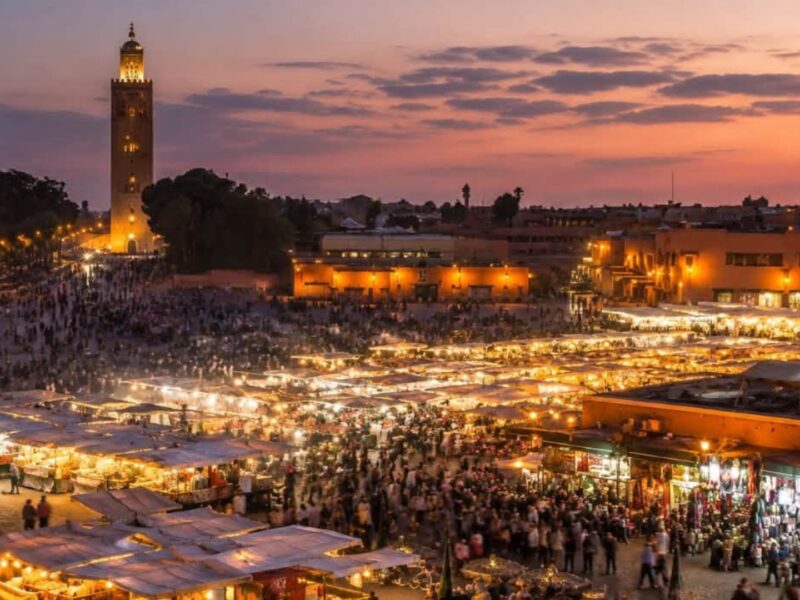
Marrakech has proven it can absorb additional crowds despite already being Morocco’s most visited destination. The Djemaa el-Fna square has pulsed with tournament energy, and riads across the medina have reported full occupancy.
Agadir has offered fans seeking recovery between fixtures exactly what its coastal setting promises: surf, seafood, and beachfront promenades providing contrast to stadium intensity.
Fez has perhaps delivered the most distinctive experience, with its labyrinthine medieval streets and artisan workshops offering cultural depth unmatched by other host cities. Fans who allocated extra time for Fez have reportedly found the slower pace rewarding.
The World Cup preview continues
For Moroccan officials, AFCON 2025 functions explicitly as preparation for co-hosting the 2030 FIFA World Cup with Spain and Portugal. Every operational success builds confidence; every challenge identifies areas requiring further development before the vastly larger undertaking five years away.
The tournament has generated exactly the kind of content that joint initiatives between the Royal Moroccan Football Federation and the Moroccan National Tourism Office hoped to capture. Fan experience footage, stadium atmosphere documentation, and visitor testimonials will feed future marketing campaigns positioning Morocco as both a football destination and a year-round travel hub.
Nine upgraded stadiums have demonstrated they meet international standards. Expanded air links have processed increased passenger volumes. The tourism infrastructure that scaled up over recent years has proven capable of handling concentrated demand.
What remains ahead
With knockout stages now underway, the tournament’s intensity increases. Matches carrying elimination stakes tend to draw larger crowds and generate more passionate atmospheres. The venues that have performed well during group stages face their sternest tests as the tournament narrows toward semifinals and the January 18 final in Rabat.
For travelers considering late arrivals, accommodation availability has improved somewhat as some early visitors depart, though bookings around remaining high-profile matches remain competitive. The final two weeks offer opportunities to experience tournament atmosphere while potentially finding slightly less pressure on hospitality capacity.
Morocco’s coastal and desert regions beyond the six host cities remain accessible for visitors seeking experiences outside the football-focused itinerary. The Sahara, the Atlas Mountains, and Atlantic beach towns continue operating normally for travelers willing to venture beyond stadium cities.
A country proving a point
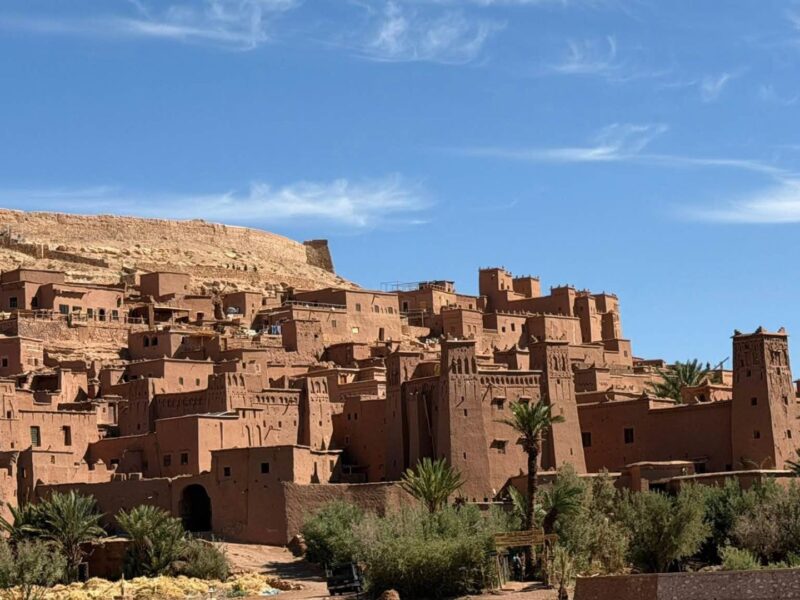
What AFCON 2025 has demonstrated through its opening weeks is Morocco’s capacity to host major international events while maintaining the cultural authenticity that draws travelers in the first place. The ancient medinas haven’t changed to accommodate football crowds; they’ve simply absorbed them into rhythms established over centuries.
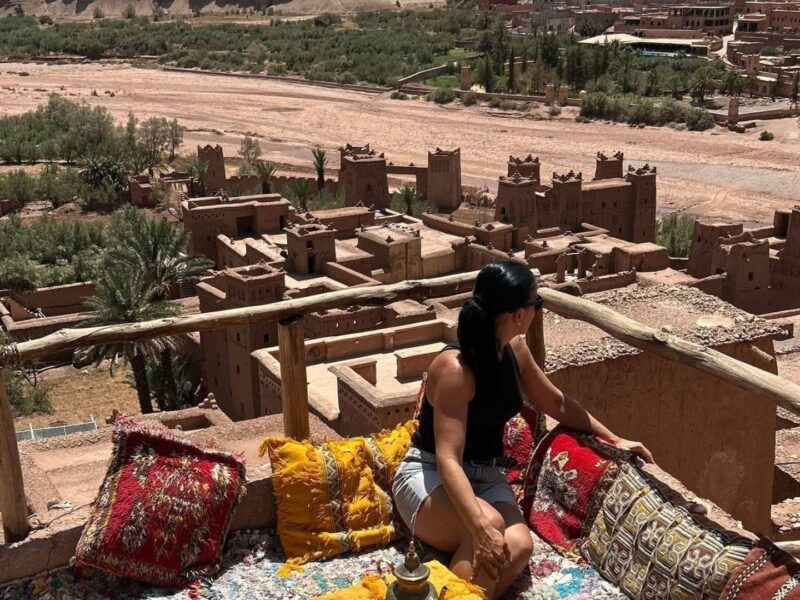
The stadiums empty, and visitors find their way to rooftop terraces overlooking illuminated minarets. Match-day energy gives way to mint tea rituals in quiet riads. The tournament provides structure; Morocco provides substance.
With two weeks remaining before the final whistle, the kingdom has already accomplished much of what it set out to prove. The infrastructure works. The hospitality holds. The country can welcome the world for sport while remaining unmistakably itself.
The question now is whether the momentum carries forward, whether AFCON 2025 memories translate into return visits and recommendations that compound Morocco’s already impressive tourism trajectory.
Have you been following AFCON 2025 from afar, or has the tournament influenced your own Morocco travel planning?