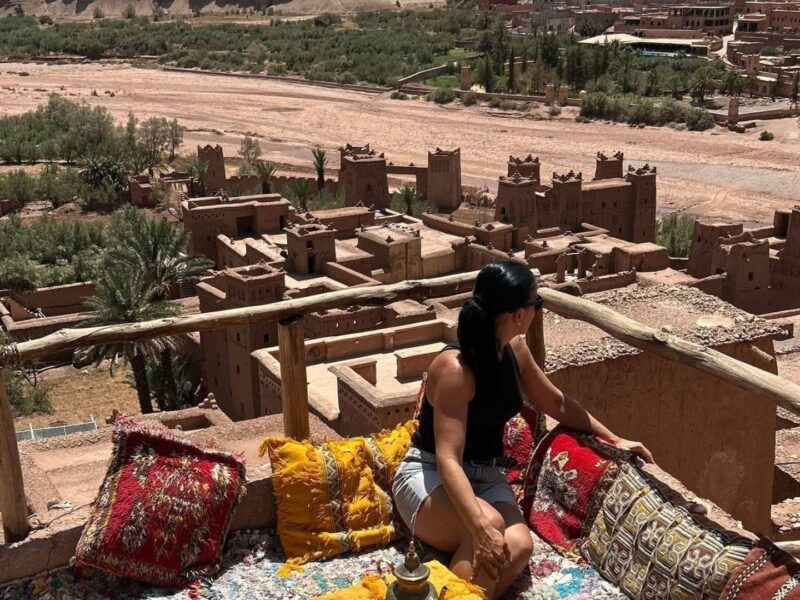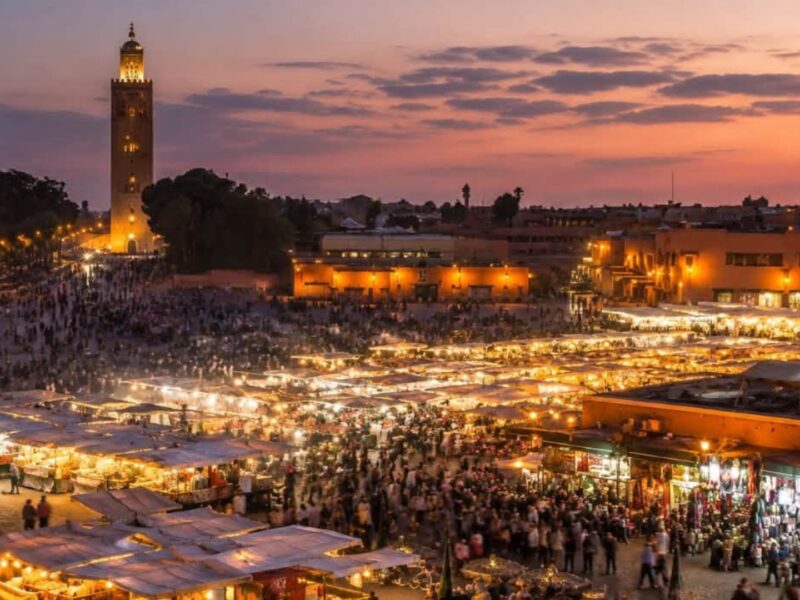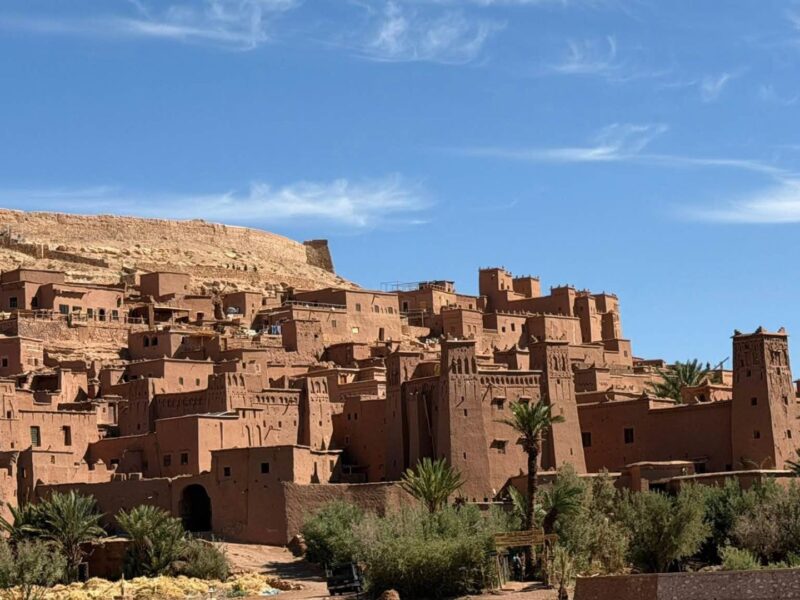
Morocco just unlocked a tourism achievement that most countries only dream about
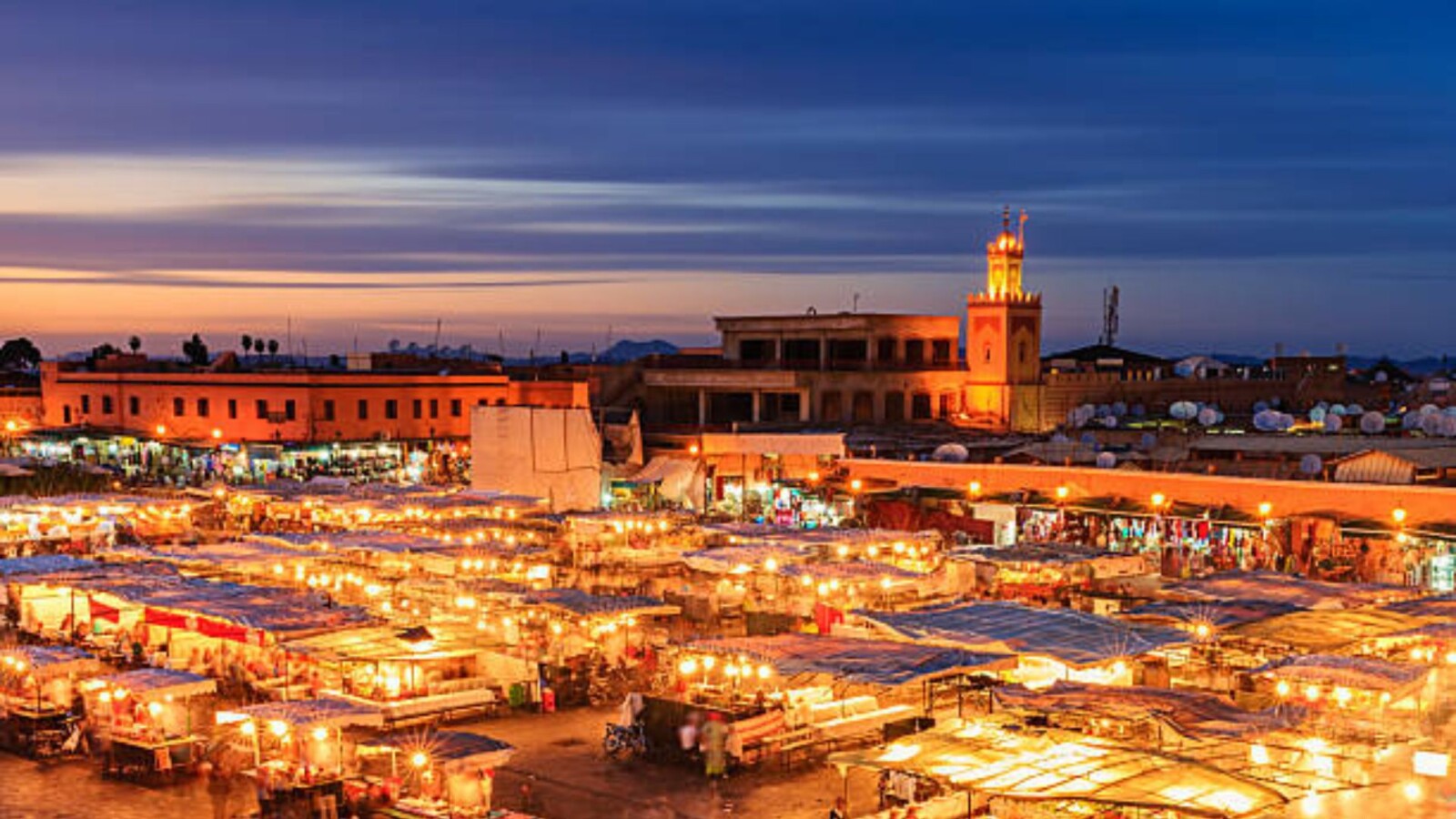
Something remarkable happened in Morocco this year. The North African kingdom just pulled off what industry experts would call a masterclass in strategic growth, welcoming 19.8 million tourists in 2025 and nearly hitting a number that seemed unreachable just a few years ago.
For context, that represents a 14% jump from 2024. Morocco has positioned itself on the global stage alongside destinations that have been dominating the travel industry for decades. This is not a fluke. This is the result of deliberate, calculated execution.
The strategy behind the numbers
Here is what fascinates me as someone who analyzes travel trends and destination marketing for a living. Morocco did not stumble into this record. They executed a carefully designed roadmap launched in 2023 with a clear endgame in mind.
You cannot just hope for tourists to show up. You need infrastructure, diversification, and a visitor experience that keeps people coming back and telling their friends. Morocco understood this assignment completely.
Their approach targeted multiple areas simultaneously. Expanded air routes made the country more accessible from key markets across Europe, North America, and the Middle East. Hotel capacity increased while quality standards went up. The tourism product itself diversified beyond the traditional Marrakech medina experience to include coastal retreats, mountain adventures, desert expeditions, and urban exploration.
This is strategic destination development applied at a national scale, and the results speak for themselves.
Follow the money trail
The visitor numbers tell one story, but the revenue figures reveal the full picture. By November 2025, tourism receipts hit 124 billion Moroccan dirhams, marking a 19% year-over-year increase. That growth rate outpaces the visitor increase, which means Morocco is not just attracting more tourists. They are attracting tourists who spend more.
Higher quality visitors who stay longer and engage more deeply with local experiences generate greater economic impact than sheer volume alone. Morocco appears to have cracked this code at a national scale, focusing on experience quality rather than just headcount.
The economic ripple effects spread far beyond the obvious tourist hotspots. Jobs multiply across cities, coastal towns, rural villages, and cultural centers throughout the country. Local artisans, guides, drivers, restaurant owners, riad hosts, and countless others benefit when tourism operates at this level. The hammam attendant in Fes, the surf instructor in Taghazout, the camel guide in Merzouga, all of them feel the impact of a thriving tourism economy.
What the 2030 roadmap actually means
Morocco is not stopping at 20 million. The official target aims for 26 million tourists by 2030, positioning the country as a global reference destination rather than just a regional player.
This ambition requires continued execution on multiple fronts. Infrastructure investment must keep pace with demand. Service quality needs constant refinement. The tourism product has to evolve as traveler preferences shift toward sustainability, authenticity, and meaningful experiences over checkbox sightseeing.
Minister Fatim-Zahra Ammor framed the current achievement as evidence of deep sector transformation rather than a lucky spike. The emphasis on efficiency, sustainability, and regional benefit suggests Morocco is building for long-term dominance rather than short-term wins. This is about creating a tourism model that benefits Moroccans as much as it delights visitors.
Why this matters for travelers planning a Morocco trip
From a practical standpoint, this tourism boom creates both opportunities and considerations for anyone planning a Morocco adventure. More flights mean better access and potentially competitive pricing from additional carriers. Budget airlines have expanded routes, while legacy carriers have added frequencies to major cities.
Expanded hotel inventory provides more options across different budget levels and locations. Whether you prefer a luxury riad in the Marrakech medina, a surf hostel on the Atlantic coast, or a desert camp under Saharan stars, the choices have multiplied significantly.
However, popular destinations may feel more crowded during peak seasons. The smart play involves exploring beyond the obvious spots. Morocco’s investment in regional tourism infrastructure means places like Essaouira, Chefchaouen, the Draa Valley, Dakhla, and Atlas Mountain villages offer increasingly polished experiences without the density of Marrakech or Fes.
Shoulder seasons also become more attractive. Visiting in April, May, October, or November lets you experience Morocco’s highlights with fewer crowds while enjoying pleasant weather across most regions.
The quality improvements also mean travelers can expect better service standards than even a few years ago. Training programs, infrastructure upgrades, and competitive pressure from new entrants have raised the baseline across the industry. That riad breakfast tastes better. That guided tour runs smoother. That airport transfer arrives on time.
The bigger picture for North African tourism
Morocco’s success does not exist in isolation. The country is demonstrating what focused national strategy can achieve in a competitive global tourism market. Other destinations in the region are watching closely, and some will inevitably attempt to replicate elements of this playbook.
For travelers, this competition ultimately delivers benefits. Countries investing seriously in their tourism sectors tend to improve roads, airports, accommodations, and attractions. They train workers, preserve cultural sites, and create experiences worth crossing oceans to enjoy.
Morocco has positioned itself at the front of this wave. The combination of ancient medinas, stunning landscapes, rich cuisine, and genuine hospitality was always compelling. Now the infrastructure and service quality match the inherent appeal.
The road from here
Nearly 20 million visitors in a single year represents a massive validation of Morocco’s approach. The question now becomes whether they can maintain momentum while managing the challenges that come with success. Overtourism concerns in popular spots like the Marrakech medina or Chefchaouen’s blue streets, environmental pressures in fragile desert ecosystems, and the need to distribute benefits across all regions rather than just major cities will require ongoing attention.
The 2030 target of 26 million tourists is ambitious but achievable if the current trajectory holds. That would represent roughly 30% growth over five years, demanding sustained investment and execution.
For now, Morocco has earned its spot in the conversation about global tourism leaders. The country that was already captivating travelers with its medinas, mountains, deserts, and coastlines has added operational excellence to its list of attractions.
Have you noticed improvements in Morocco’s tourism infrastructure during your recent visits, or are you planning your first trip to see what all the buzz is about?