Fes medina guide: how to navigate Fes el-Bali without stress
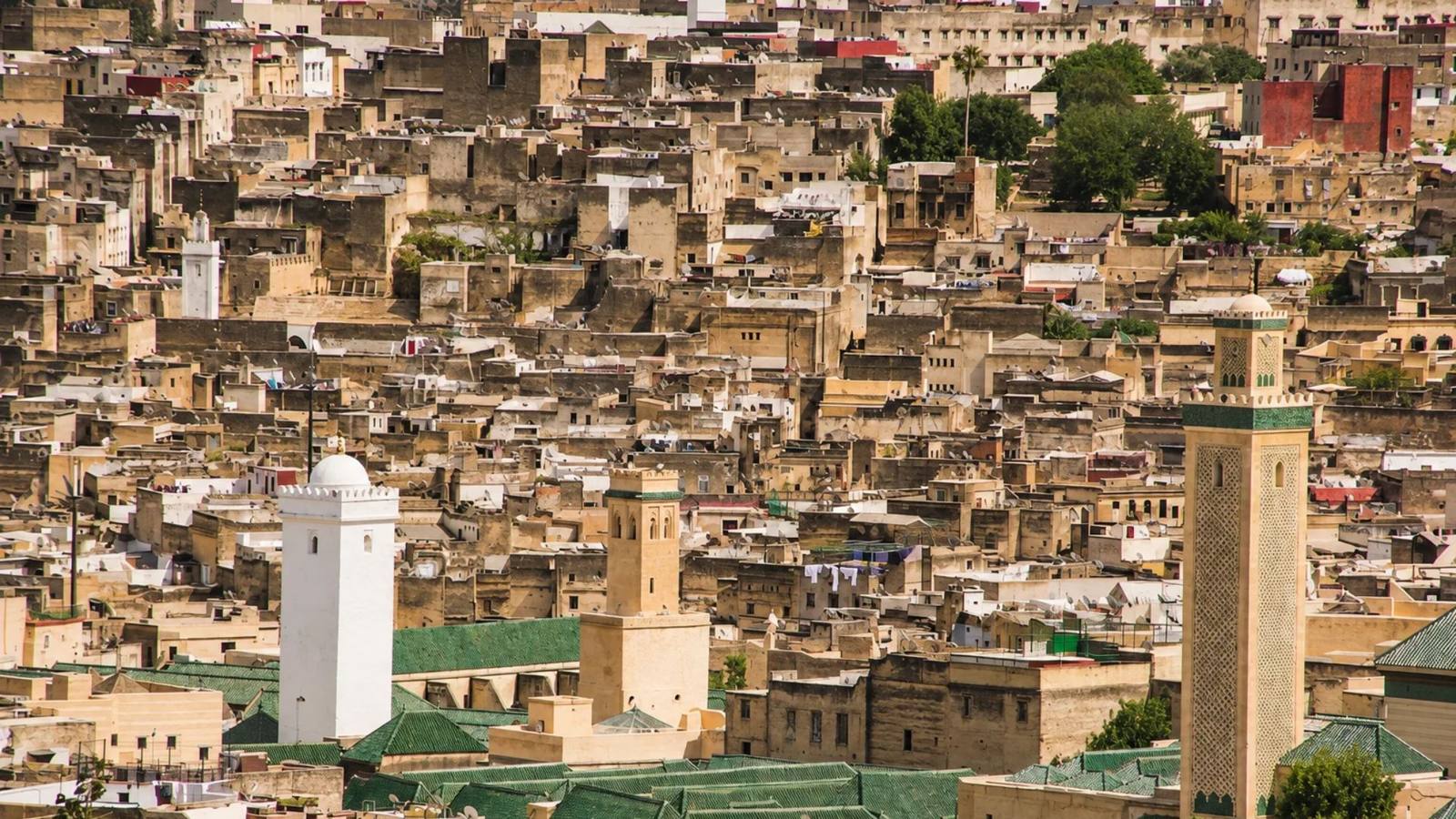
Ten minutes after stepping through Bab Boujloud, your phone’s blue dot freezes, the alley forks for the third time and a man pushing a cart of oranges shouts “balak!” as he squeezes past. Welcome to Fes el-Bali. It is one of the largest car-free urban areas in the world, a maze of alleys where getting lost is almost guaranteed. The good news is that two main streets, a few landmarks and an offline map are enough to find your way back. Think of it as a companion to our in-depth Fez travel guide, which covers the rest of your stay.
Why the Fes medina feels so confusing
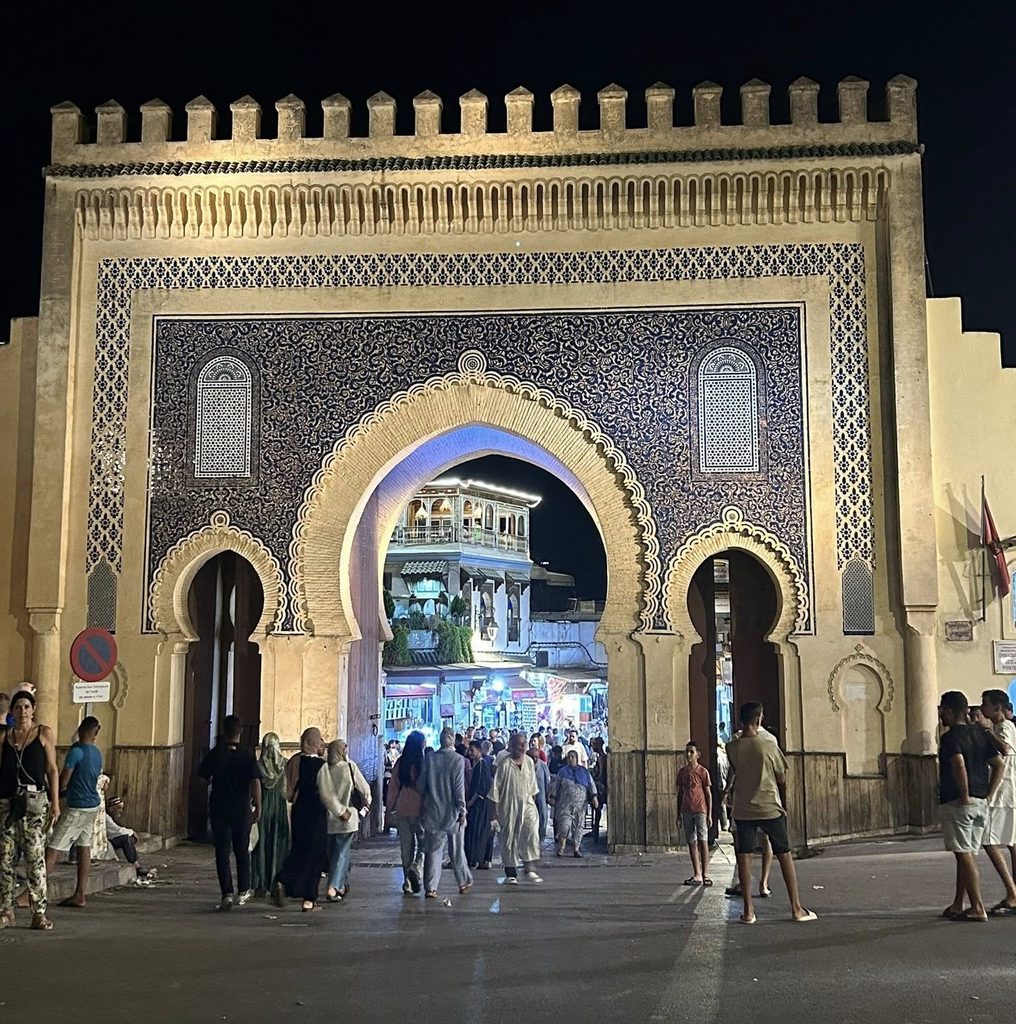
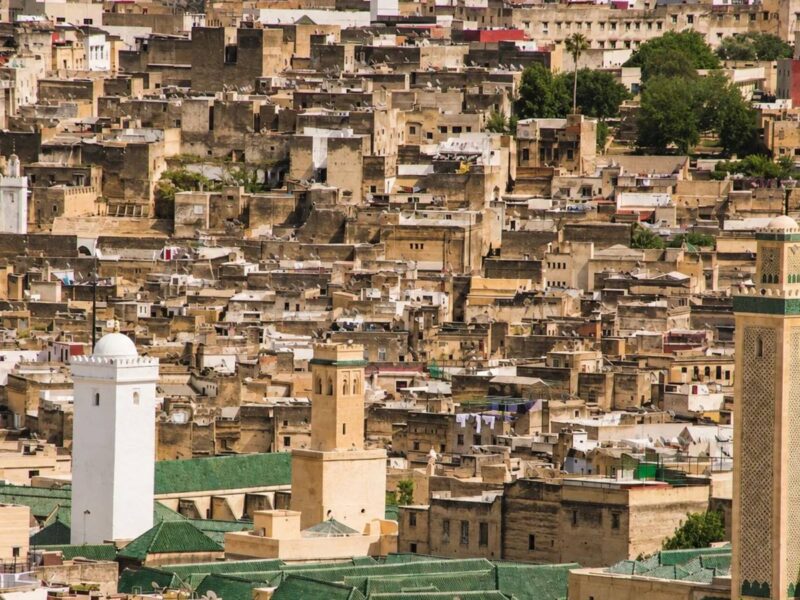
Fes el-Bali was never designed for visitors. Founded in the late 8th and early 9th centuries, it grew organically around mosques, markets and family homes, with lanes shaped by water channels and property lines rather than any grand plan. Many alleys are covered, many end in dead ends and some are barely wide enough for one person with a shopping bag.
That chaos is also what earned the medina a place on the UNESCO World Heritage list in 1981. It remains a living city of artisans, schools and neighborhoods, home to tens of thousands of people who walk it every day without a second thought. For first-time visitors, the trick is to understand its basic logic before diving in.
The two streets that hold everything together
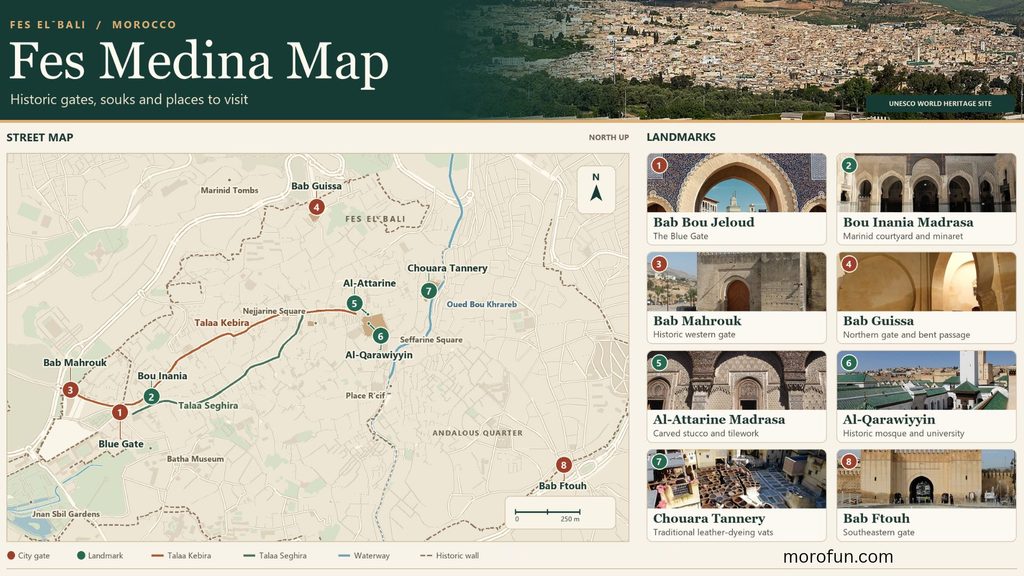
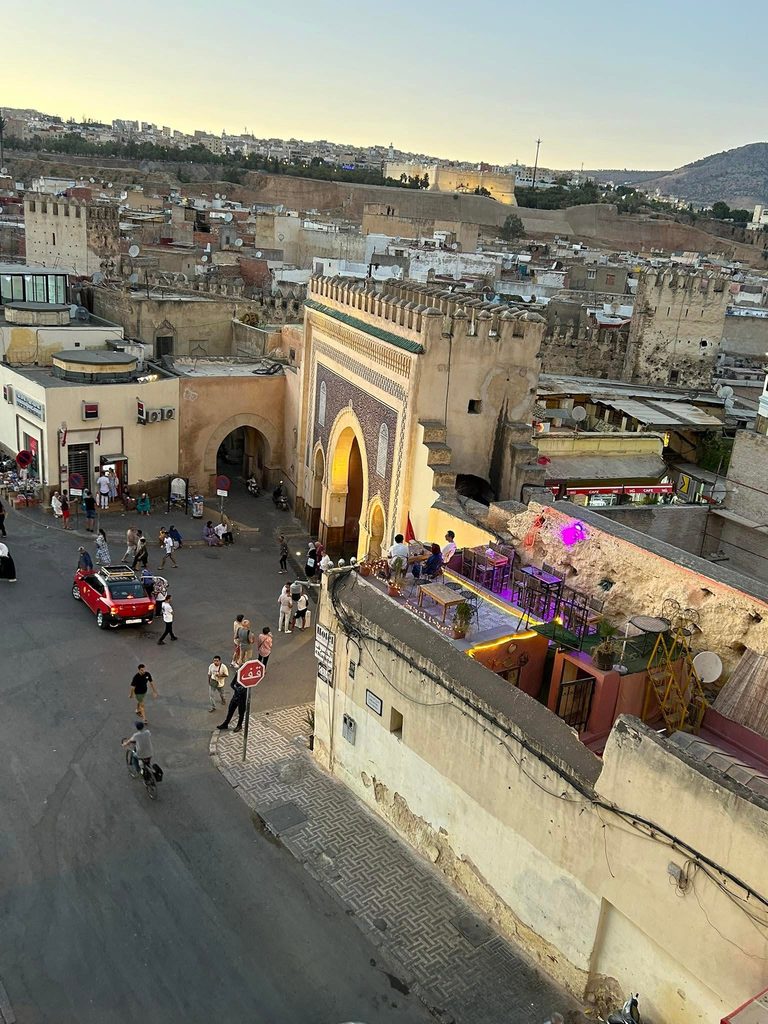
Almost every visit starts at Bab Boujloud, the blue gate on the western edge of the medina. From there, two main arteries run downhill toward the heart of the old city:
- Talaa Kebira, the “big slope,” passes the Bou Inania Madrasa and leads toward the Attarine spice market and Al Qarawiyyin.
- Talaa Seghira, the “small slope,” runs roughly parallel and meets Talaa Kebira near the same central area.
Think of these two streets as the trunk of a tree and every side alley as a branch. If you ever feel lost, the goal is simply to rejoin one of them. Once you do, you can follow the flow of people uphill back to Bab Boujloud.
The golden rule: downhill to the center, uphill to the gates
The medina sits in a valley, which gives you a natural compass. Walking downhill almost always brings you toward Al Qarawiyyin, Seffarine Square and the tanneries near the old river. Walking uphill takes you back toward the outer walls and gates such as Bab Boujloud to the west or Bab Guissa to the north.
It sounds simple, and it is. Many travelers only realize this after a frustrating first afternoon. Keep the slope in mind and you will rarely stay lost for long.
Landmarks worth memorizing
| Landmark | Where it is | How to use it |
|---|---|---|
| Bab Boujloud | Western edge | Main entry and taxi drop-off |
| Bou Inania Madrasa | Upper Talaa Kebira | Confirms you are on the main street |
| Attarine and Al Qarawiyyin | Heart of the medina | Central meeting point |
| Seffarine Square | Near Al Qarawiyyin | Easy spot to regroup |
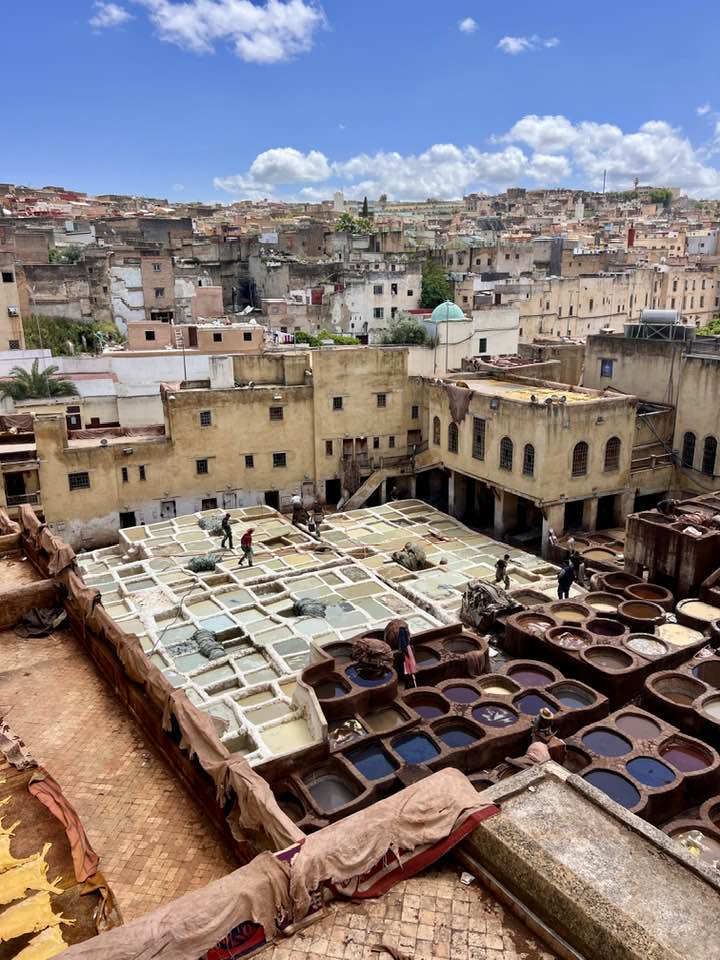
| Chouara tannery | Near the river, east of Seffarine | Follow the smell and the leather shops |
| Bab R’cif | Lower medina | Taxis and parking on the river side |
The medina also has color-coded heritage trail signs fixed to walls at key junctions. They are helpful but incomplete, so treat them as a bonus rather than your main navigation tool.
Offline maps and phone tips
GPS is unreliable in covered alleys and between tall walls, but an offline map still helps more than you might think. Download Google Maps or Maps.me before you arrive and save your riad, the main gates and a few landmarks as favorites. Even when your position jumps around, seeing the general direction of a gate is reassuring.
A few habits make a big difference:
- Take a photo of your riad’s door and of the nearest junction or shop, since many riads have no visible sign.
- Save your riad’s phone number and carry its business card, which you can show to any shopkeeper.
- Carry a power bank, because constantly checking maps drains your battery fast.
Licensed guides vs unofficial helpers
A licensed guide for your first half-day is one of the smartest investments you can make in Fes. Official guides are accredited by the Ministry of Tourism and carry a visible badge. A half-day tour usually costs around 300 to 600 dirhams per group, depending on language, experience and itinerary. Book through your riad or a reputable agency.
You will also meet unofficial guides, often young men who offer directions or tell you that a street is closed. Some simply hope for a tip. Others steer visitors to shops that pay them a commission. A smile and a firm “no, thank you” usually ends the conversation. If someone insists, step into a busy shop or café and ask for directions there.
When you genuinely need help, ask shopkeepers, older residents or women with children rather than people loitering at intersections. Most Fassis are glad to point you the right way, and some will walk you a few steps to make sure you get there.
Safety and etiquette in the alleys
The medina is generally safe during the day, but a few common-sense rules apply:
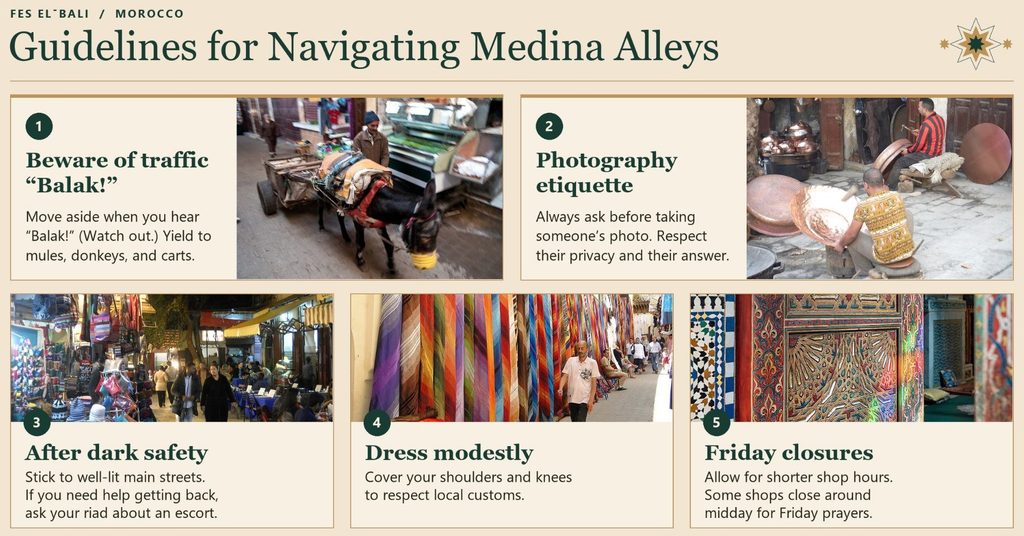
- Step aside when you hear “balak,” which means “watch out.” Donkeys, mules and handcarts have the right of way.
- Ask before photographing people, especially artisans at work, and respect a no.
- Avoid dark, empty alleys at night. Stick to the main streets after dinner or ask your riad to walk you back.
- Dress modestly. Covered shoulders and knees draw less attention and show respect in a conservative neighborhood.
- Plan around Friday. Many shops close around midday prayers, and the medina feels much quieter.
Getting lost on purpose
This is the twist that seasoned travelers will tell you. Some of the best moments in Fes happen when you stop trying so hard not to get lost. A wrong turn can lead to a hidden fondouk, a bakery where neighbors drop off their bread dough or a tiny café where you are the only foreigner. If you want a taste of how that feels, read our story about getting gloriously lost in Fez.
The key is to wander with a safety net. Know your downhill and uphill directions, carry your riad’s card and set a time to head back before dark.
Finding your rhythm in the maze
The first day in Fes el-Bali often feels overwhelming. By the second, you start recognizing a carved fountain or a spice stall. By the third, you are giving directions to newcomers. The medina does not reveal itself all at once, and that slow unfolding is exactly what makes it unforgettable.
Once you feel at home in the alleys, it is time to explore with purpose. Our list of the best things to do in Fes helps you pick the madrasas, museums and viewpoints worth your time.
What is your strategy when you get lost in a new city: pull out your phone right away or keep walking and see where the alleys take you?